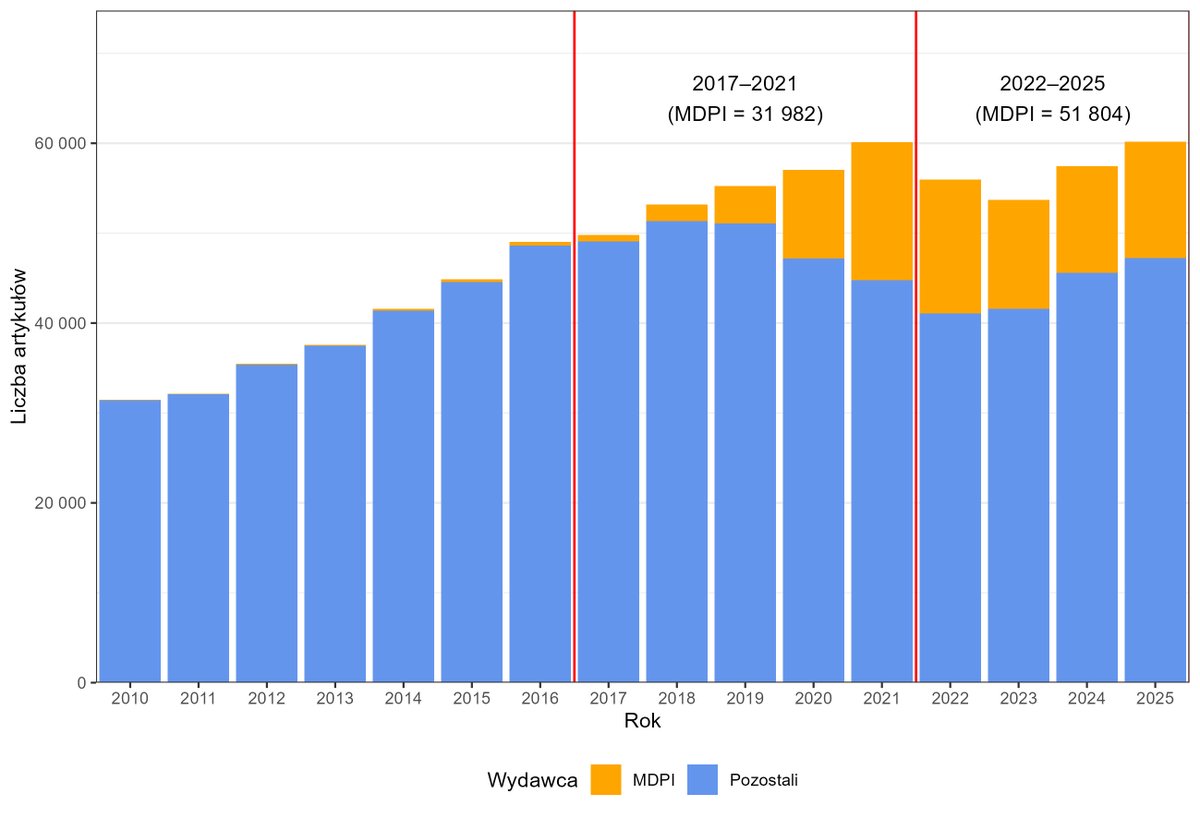
Ogłoszenie wyników ewaluacji to dobry moment by spojrzeć jak wyglądała liczba artykułów opublikowanych przez polskich naukowców w chińskim wydawnictwie MDPI.
W okresie poprzedniej ewaluacji (2017-2021) polscy naukowcy opublikowali w MDPI 31 982 artykuły, co stanowiło 11.6% wszystkich polskich publikacji indeksowanych w tym okresie w Web of Science.
W okresie ewaluacji 2022-2025 liczba publikacji w MDPI wzrosła do 51 804 (+62%), co stanowiło 22.8% wszystkich polskich artykułów.
According to @JonHaidt, we can escape the smartphone situation through four norms:
1. No smartphones before high school (or age 14)
2. No social media before 16
3. Phone-free schools
4. More independence, free play, and responsibility in the real world https://t.co/FFrKvZ1oej
A common idea is that the P3b ERP component (aka P300) reflects the updating of working memory. However, there aren’t any direct tests of this hypothesis. In a new paper (with @CDCarrasco, @simmonsaam, @john_kiat), we provided a test of this hypothesis. https://t.co/P5ARs9Hd4B
🚨Exciting news! We now have the first-ever complete #EEGManyLabs replication. This large-scale multi-site study revisits a key debate in EEG & reinforcement learning. A thread! 🧵👇
📄 Full paper: https://t.co/KlhpineNtI
Must read!
Spotify is evil!
I’ve said it many times.
I mean, particularly evil for music and musicians - more so than the typical “Big Tech evil.”
https://t.co/DfpgEhy5WK
"it is our sense that the current social media landscape falls short of meeting the needs of our community"
The Launch of JoCNForum
https://t.co/l3peUzoOv9
#neuroscience
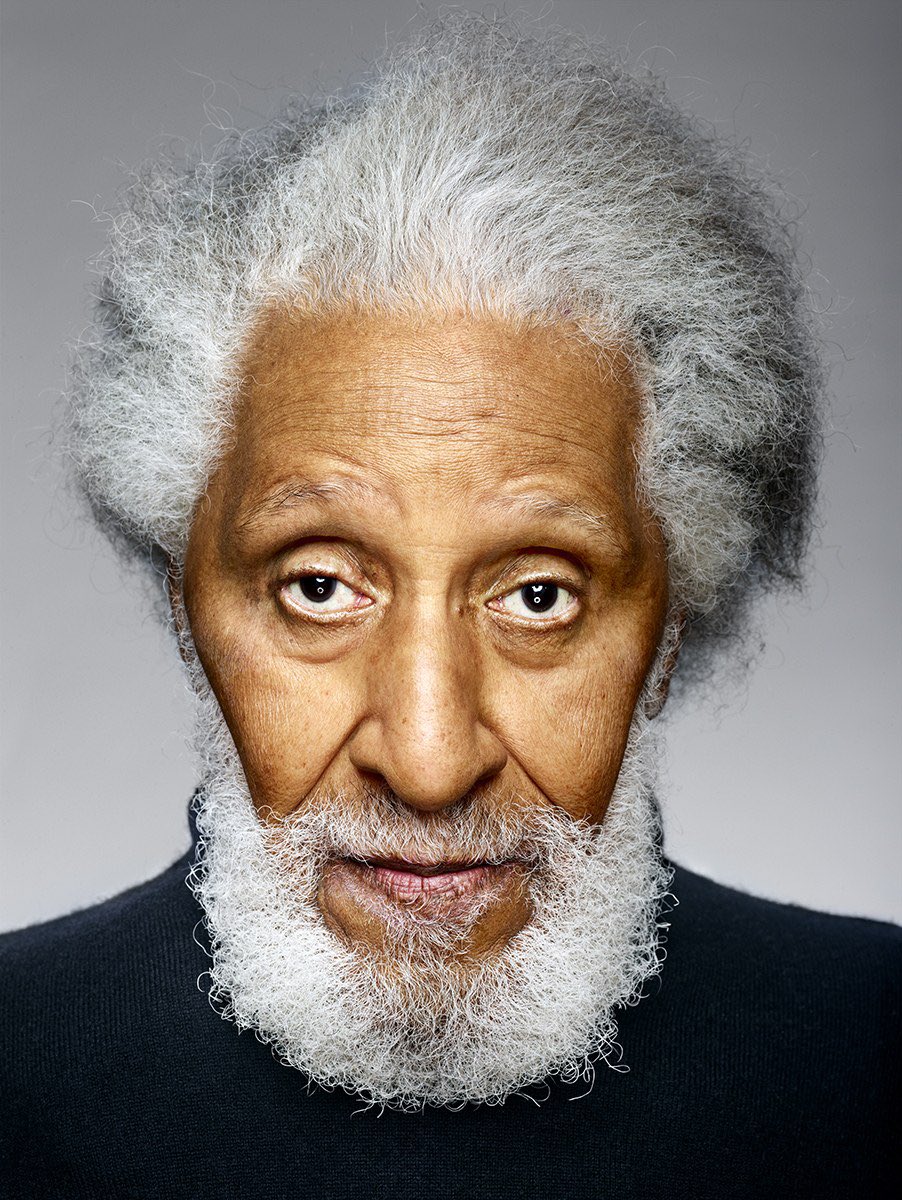
Saddened by the loss of Russell Malone—one of the greatest musicians and personalities I’ve had the privilege to grow close to. He was endlessly supportive and encouraging of young musicians, with an incredible sense of humor. A huge loss for the community—we’ll miss him dearly!