1/3
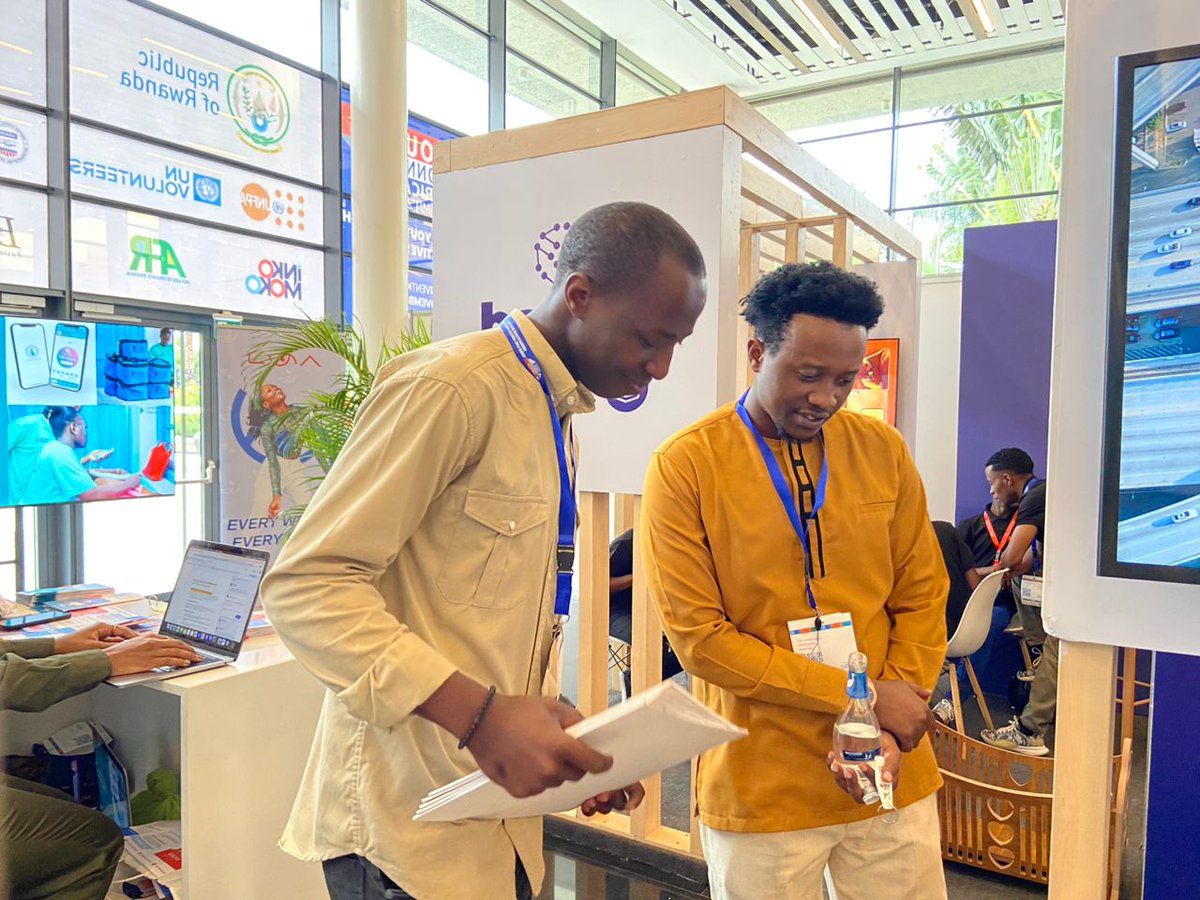
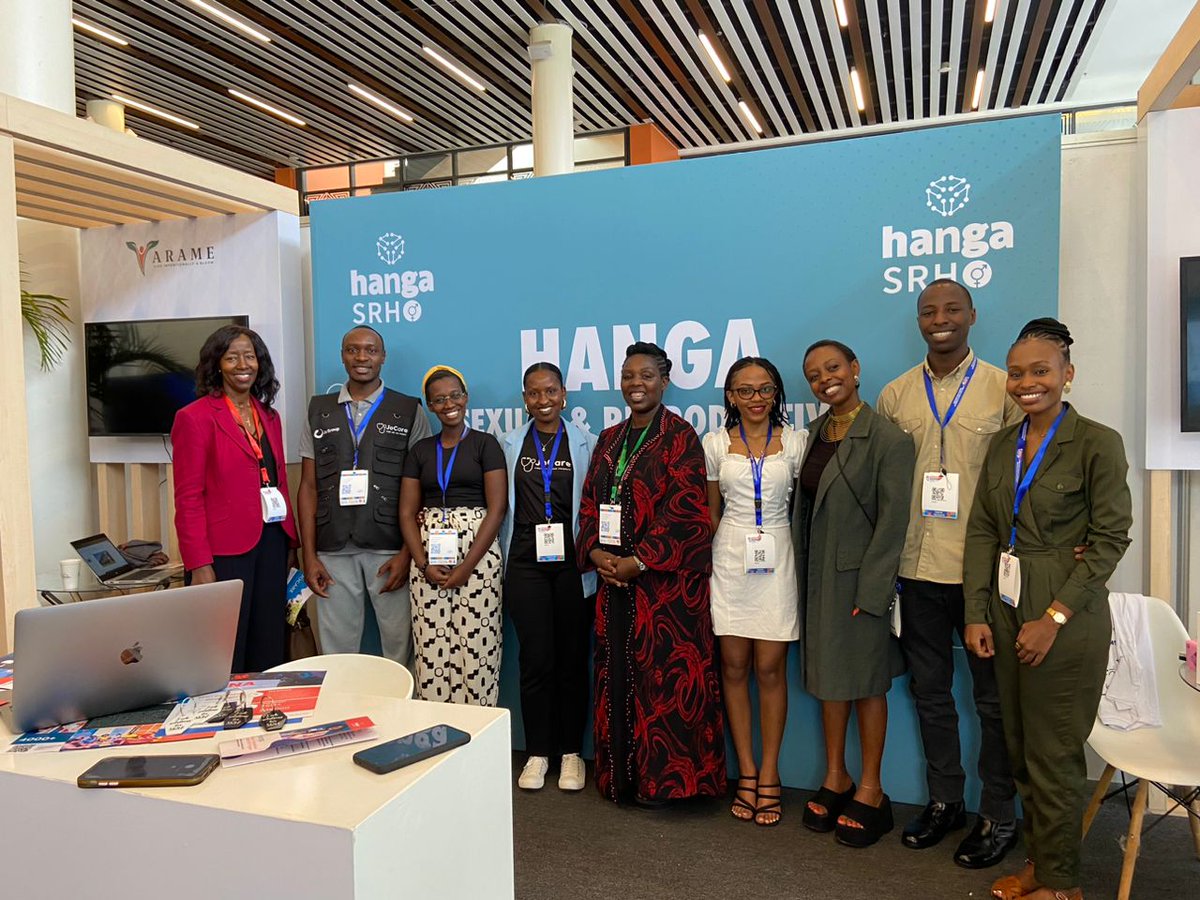
Today marked the official close of #YouthKonnectSummit24, but our @ASAP_Finder exhibition stayed alive with purpose & potential! 🚀
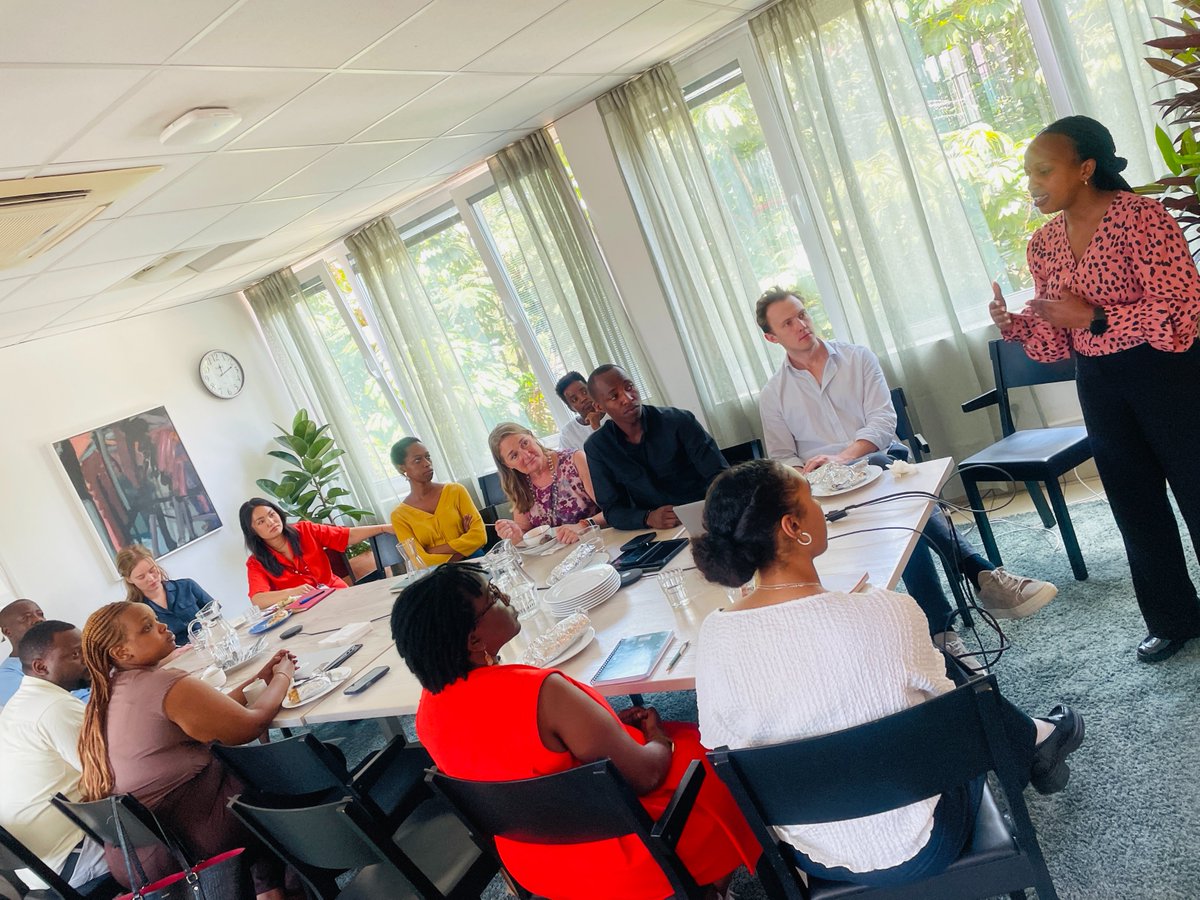
It was an honor to host dedicated @UNFPARwanda delegates who explored our platform & shared their insights on how youth-centered solutions.
Access to SRHR shouldn't depend on luck or location.
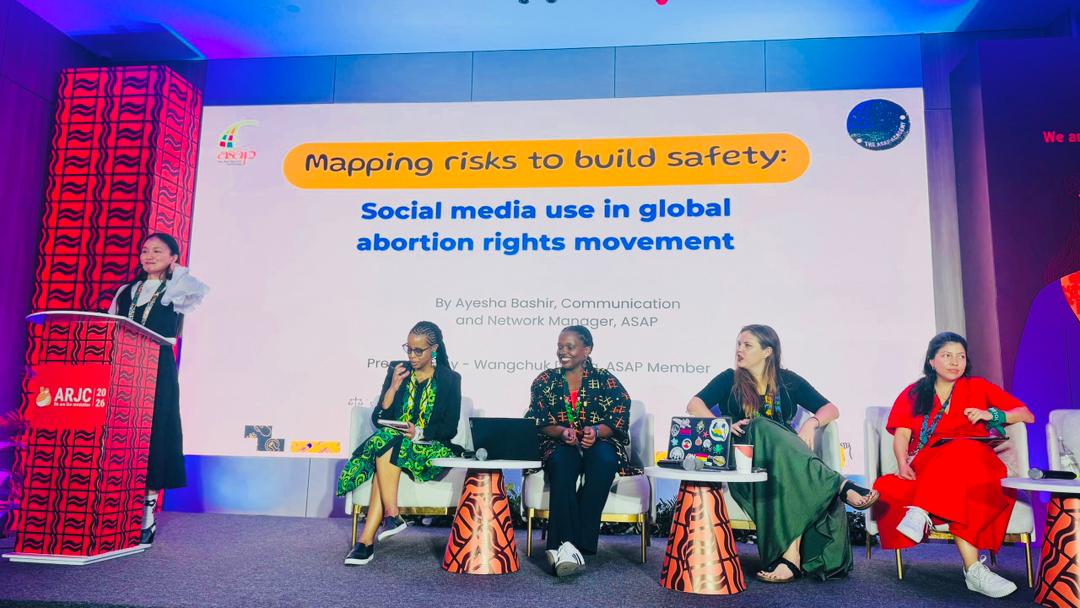
Honored to present #AASAPFinder at #ARJC2026 and share how we're connecting girls and young women to trusted providers, nearby health facilities, and accurate SRHR information, making care more accessible and confidential.
During today’s discussion on digital health care, Women Doctors For Reproductive Justice and medical students engaged in hands-on exploration of the @AASAPFinder platform, learning how it provides accurate information, timely referrals, and respectful, client-centered care.
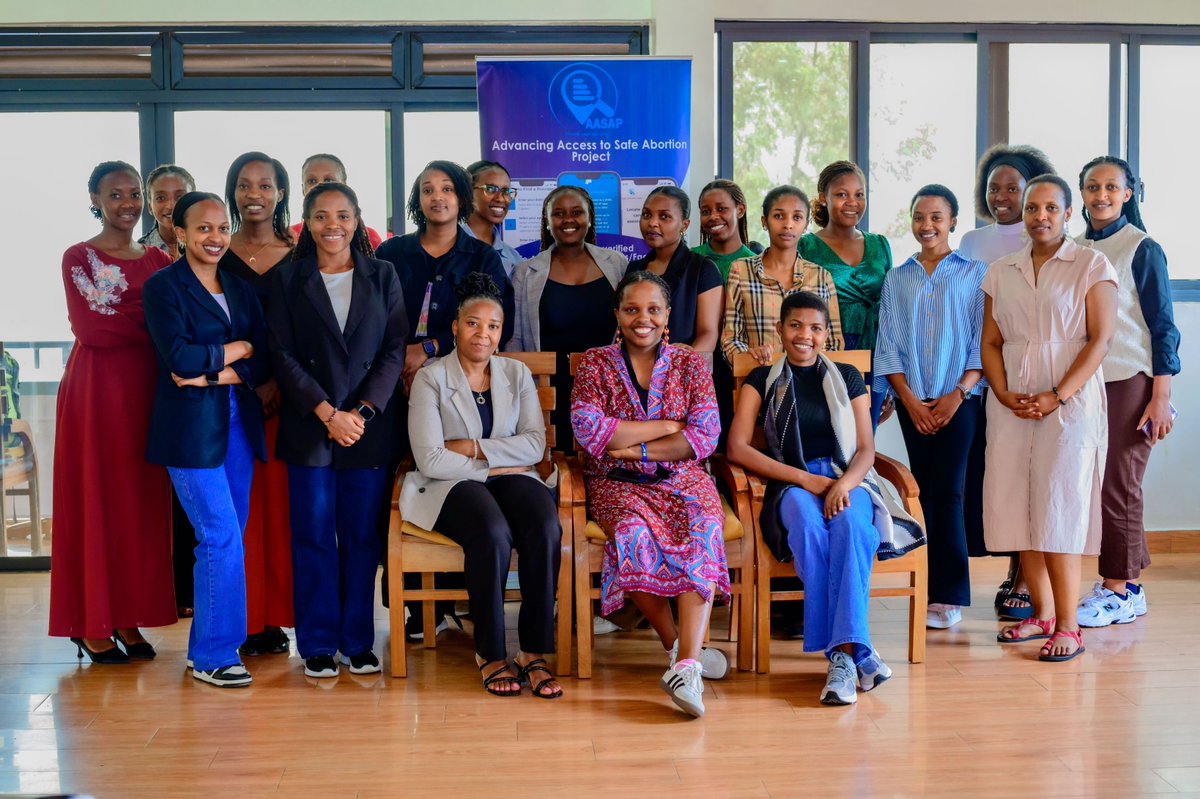
As we closed the #VCAT2026 training cohort, we warmly thank all our partners for their continued support, especially during today’s simulation practice. Their presence and engagement added energy and encouragement. Seeing partners interact with providers and witness hands-on learning reminded us of the power of collaboration in building confident, skilled providers ready to deliver safe, respectful, and high-quality legal abortion.
They asked tough questions:
1️⃣ Where did my beliefs about abortion come from?
2️��� How do I separate my personal values from professional obligations?
3️⃣ How do I ensure my clients ' care is rights-based, respectful, and stigma-free?
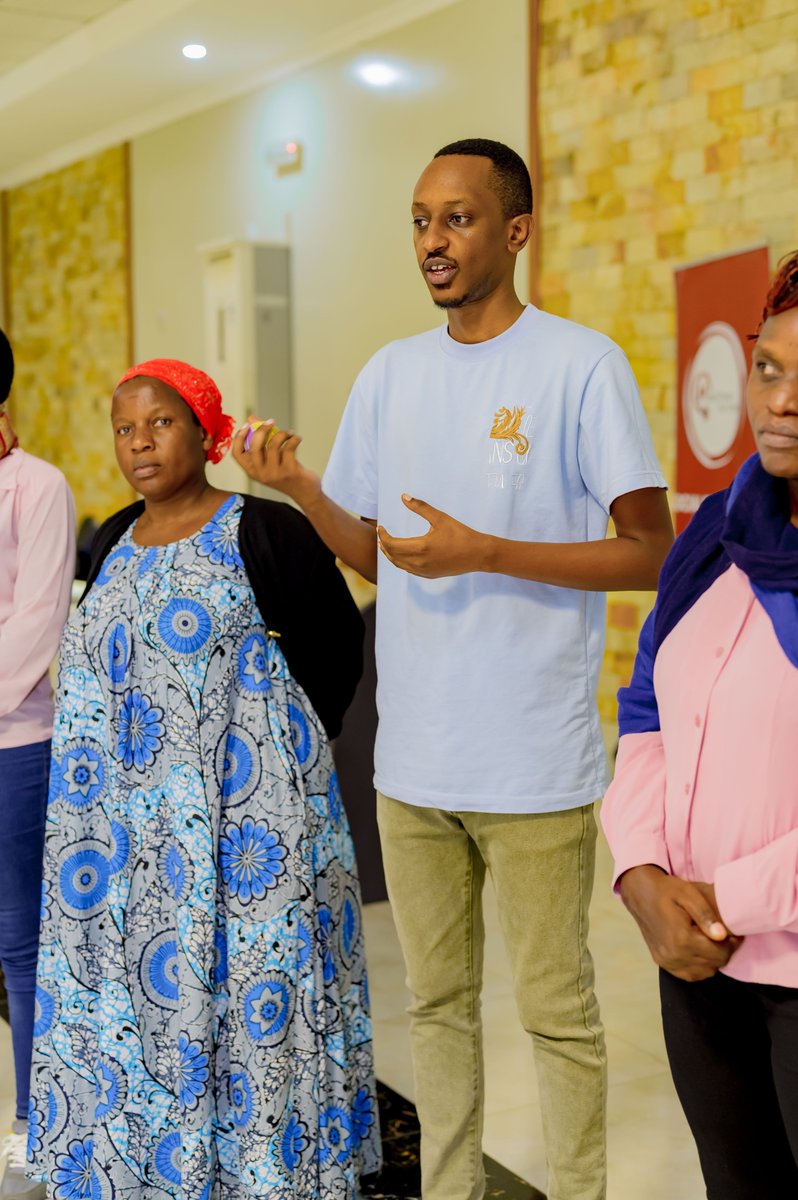
In our following session, Providers took a deep dive into the social and gender norms that influence abortion care, and into their own thinking. Using the social-ecological model, they reflected on how family, community, institutions, and society shape values that impact their clinical decisions.
World Health Organization, @WHORwanda makes it clear: providers are duty-bound to ensure access to care, even when their beliefs differ. Conscientious objection is never an excuse to delay, deny, or shame a patient. In fact, referral, accurate information, and non-judgment are ethical obligations.
#SNAPInitiative
#SRHR
#VCAT2026
According to @WHO, approximately 25,000 unsafe abortion occur annually.
Concluding #Day3, providers explored the impact of the SNAP referral system model in Rwanda. Through a practical demonstration, providers understood how the referral system model bridges health access and equity by assisting clients seeking SRHR services, by referring them and connecting them to trained VCAT providers.
Providers navigated how the referral system allows multidisciplinary collaboration among facilities to ensure timely access to legal safe abortion services. They look forward to the extension of the referral system model to the medicalized health centers as it will strengthen local capacity, and reduce structural barriers.
Day 3 of the #VCAT2026 Cohort II started with reflections from Day 2, healthcare providers shared key learnings on listening to clients without judgment, following legal frameworks and putting client-centered care first. The session emphasized teamwork in decision-making, understanding legal implications for safe abortion while protecting both the client and the provider.
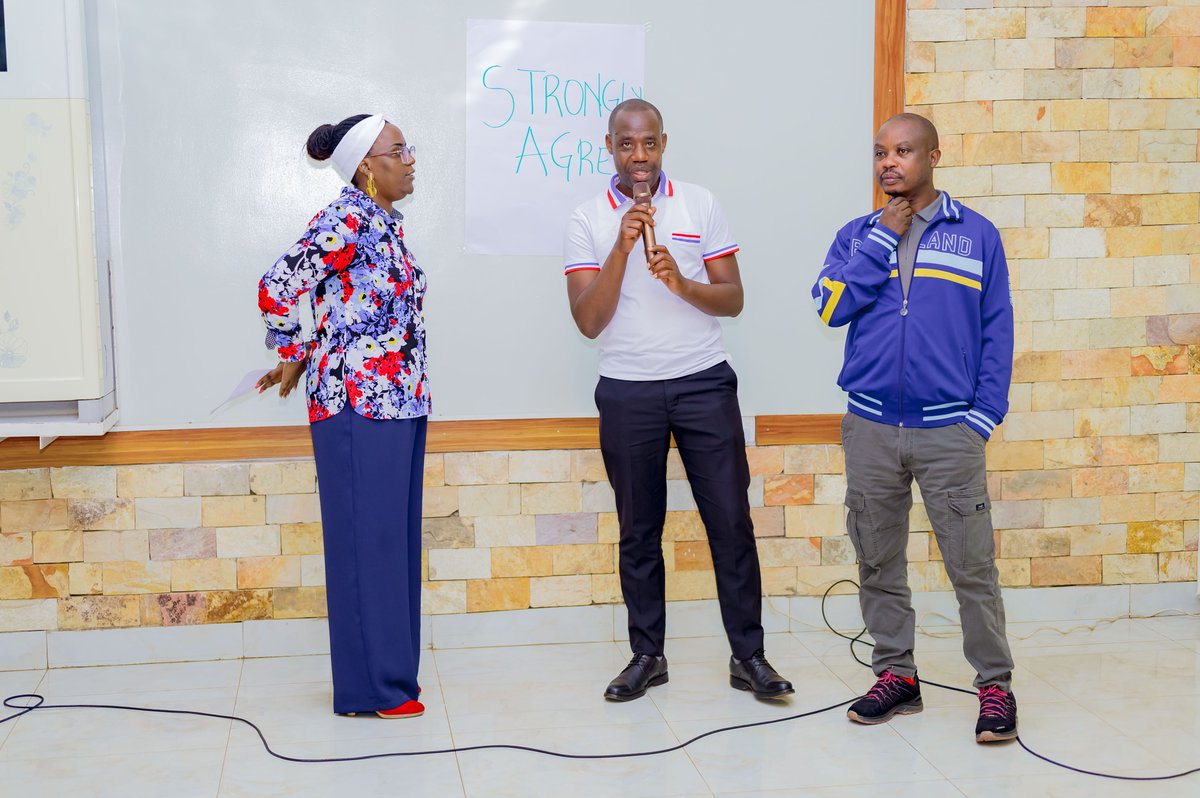
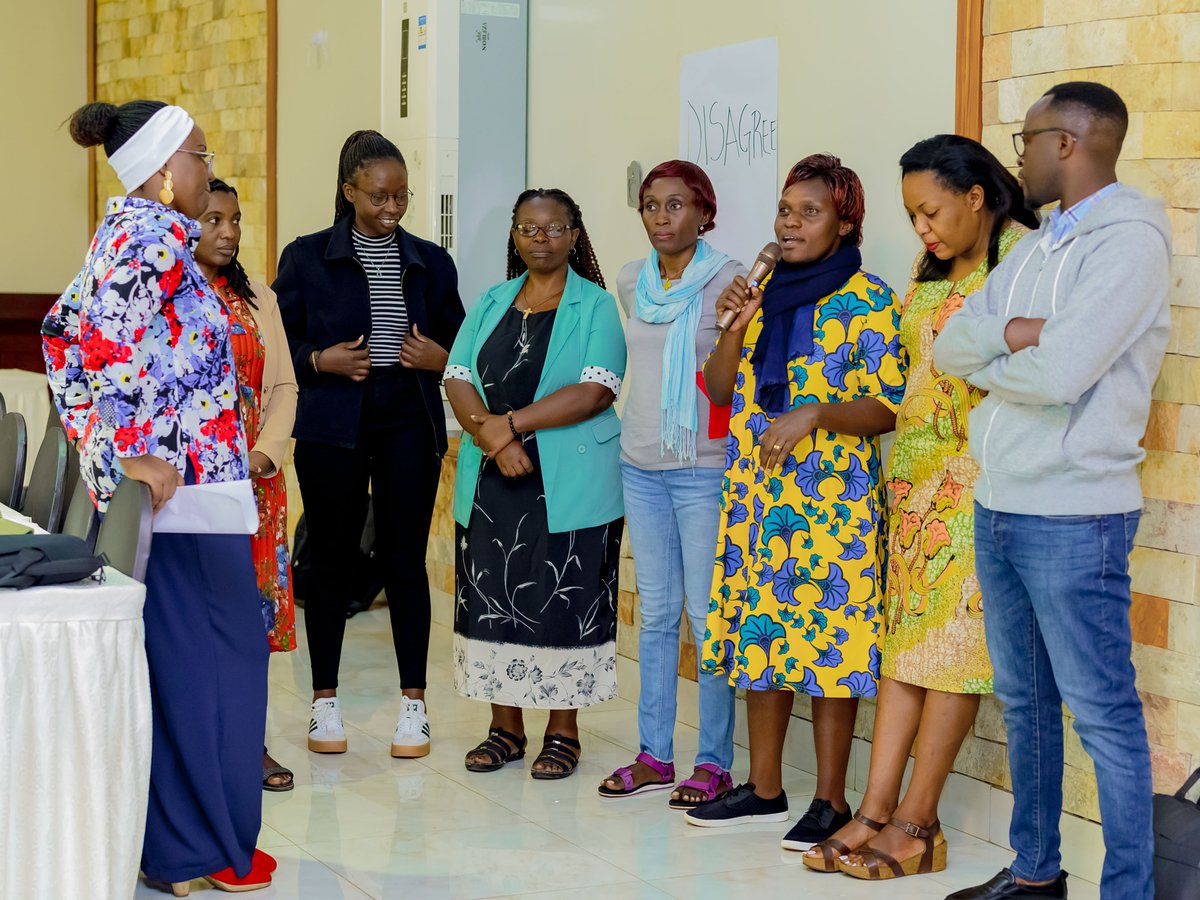
Through real case discussions and the Four Corners exercise, participants openly reflected on their values, Ministerial order, and medical ethics, enhancing the importance of respectful, trauma-informed, and legal healthcare services.
#ClientCenteredCare
#EthicalCare
When providers practice by guidelines, does care truly become consistent and right-based?
During the #VCAT2026 Comprehensive Abortion Care (CAC) & Post Abortion Care (PAC) session, providers explored the available #SRHR national guidelines, reflecting on how policies are transformed into rights-based, and client-centered care in everyday clinical practice.
Using practical case scenarios, providers analyzed multiple clinical situations to strengthen decision making around legal, safe abortion and post abortion care. It also served as an important refresher on the provision of clinical service delivery in Rwanda.
During the second session, we explored Rwanda’s progress in using digital technology like telemedicine to expand access to #SRHR services, in line with the New Rwanda Health Services Law n° 026/2025 of 17/09/2025.
The facilitator highlighted that telemedicine is expanding beyond its initial pilot districts, helping reduce delays, guide healthcare providers, and ensure clients receive timely sexual & reproductive health services.
Providers also shared various challenges, emphasizing that for telemedicine to succeed, it must be supported by regular training, proper equipment provision, strong referral systems, and reliable healthcare networks.
#VCAT2026
#DigitalHealth
Day 4 of #VCATTraining started with hospital-by-hospital group discussions. Facilities shared their real-life experiences and clients’ journeys, highlighting structural, social, and geographical barriers that affect access to safe and timely SRHR services.
Providers are determined to train fellow healthcare providers and their supporting staff, strengthening teamwork within facilities, and advancing the referral system model to ensure safe, timely, and stigma-free care.
#EndStigma
#VCAT2026
“This was my first time hearing about VCAT. It made me pause and look inward, and that changed how I see my role as a provider.”_Provider's reflection
As healthcare providers revisited Day 1, they shared how understanding the purpose of Values Clarification is the first step toward delivering respectful, stigma-free abortion care.
Day2 of #VCAT2026 started with Providers exploring social and gender norms, reflecting on personal versus professional beliefs, and engaging in practical VCAT exercises designed to challenge assumptions and strengthen ethical, client-centered care.
This is where transformation begins within the provider.
Do the values occur when the head and heart unite in the direction of action?
In the opening session of #VCAT2026, providers explored how values are formed, clarified, and applied in #SRHR care services. The discussion emphasized that VCAT is not about thought persuasion, but about self-awareness, ethical practice, and provision of stigma-free reproductive healthcare.
The session highlighted that value clarification is a continuous journey. Key steps, such as active listening, unbiased counseling, or timely referrals, can create a meaningful impact on clients’ lives and strengthen proper #SRHR service delivery.
#SNAPInitiative
#SRHR
#VCAT2026
#VCAT2026 Training Cohort II has officially started!
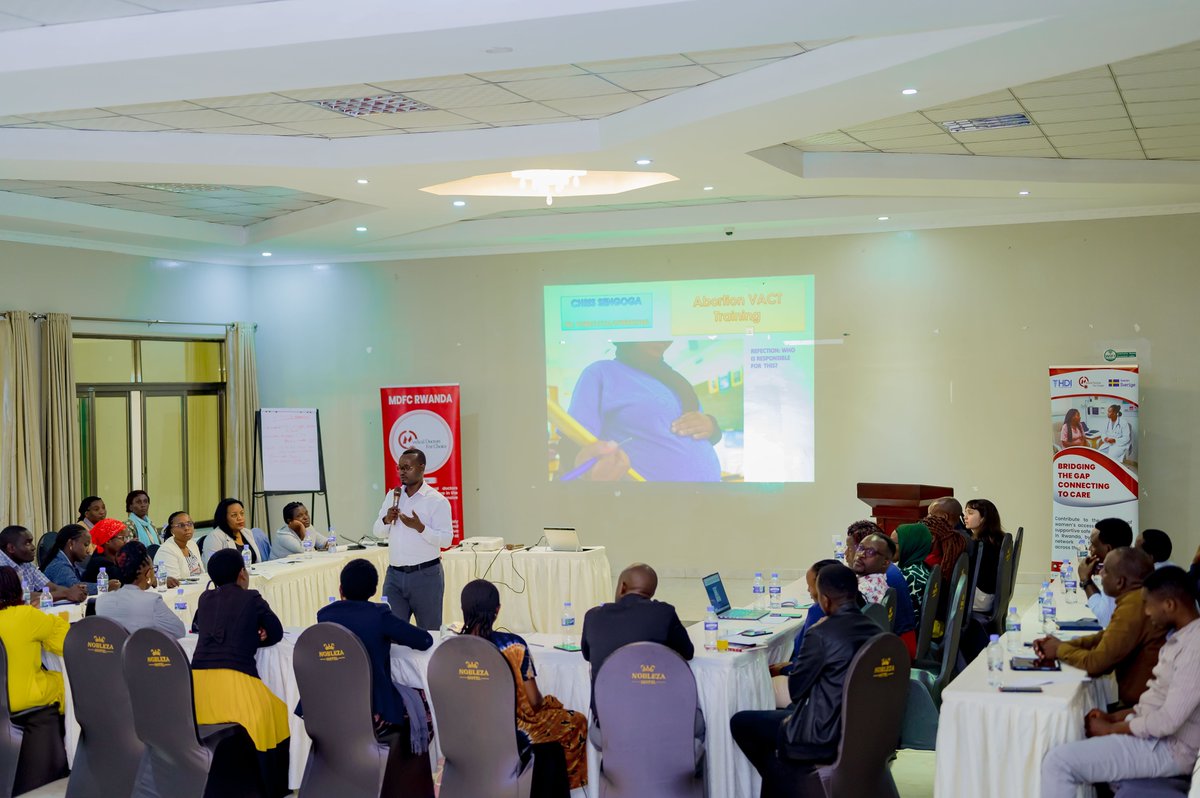
This whole week, healthcare providers from 9 health facilities, including hospitals and medicalized health centers, are coming together with MDFC to engage in 5-day Values Clarification and Attitude Transformation (VCAT) & Comprehensive Abortion Care (CAC) Training.
Day1 began with an introduction about MDFC & training overview, providers’ expectation sharing, and self-reflections towards the provision of stigma-free legal and safe abortion services.
We are also delighted to be joined and welcome @amplifyfund to this #VCAT2026.
🚨 We are back with the 2nd cohort for 5-day #VCAT & #CAC Training nationwide!
We are thrilled to announce the kickoff of the 2nd cohort tomorrow. This time, we're welcoming a new group of passionate health providers from 9 health facilities, building the capacity and preparedness of multidisciplinary providers in district hospitals & medicalized health centers to provide friendly, stigma-free, and legal safe abortion services.
Starting tomorrow, stay tuned for powerful stories, impactful moments, and highlights from this transformative journey!
#SNAPInitiative
#SRHR
#VCAT2026
The enthusiasm in the room was palpable, with thoughtful discussion and strong engagement throughout the #BBL session.
Today, MDFC was pleased to join the Embassy of Sweden in Kigali @SwedeninRW for a Brown Bag Lunch #BBL, where we shared an overview of the current #SRHR landscape in Rwanda and how MDFC responds to persistent gaps in access to safe, rights-based services, from hospital-level practice to the national health system.
The session also provided an important conversational space to present MDFC’s key achievements and measurable results to date, and to reflect on the broader impact of our provider-led interventions on healthcare workers, health facilities, and access to legal and safe abortion services. We are grateful for the open dialogue and learning-oriented space that connected evidence, policy, and practice.
We extend our heartfelt thanks to all our partners, investors, and the community who made this work possible.
We wish you a peaceful festive season & a #HappyNewYear2026, by continuing to strengthen the connections & improving access to #SRH services timely, legal, and safe.🎄✨
We extend our heartfelt thanks to all our partners, investors, and the community who made this work possible.
We wish you a peaceful festive season & a #HappyNewYear2026, by continuing to strengthen the connections & improving access to #SRH services timely, legal, and safe.🎄✨
As a network of providers, staff, partners, and stakeholders, MDFC pauses at the close of the year to reflect with gratitude on the collaboration, trust, and shared commitment that have shaped our work.
We wish you a peaceful festive season and a hopeful year ahead, as we move forward with renewed purpose and appreciation for this collective journey. ✨
#HappyHolidays #MerryChristmas
How can we better support individuals facing stigma in accessing Compassionate sexual and reproductive healthcare?
Leave your thought in the comment💬
#Day2 of #VCAT2025 training kicked off with a recap from #Day1, then moved into a powerful deep dive into understanding how the social-ecological model influences decisions in #AbortionCare, examining individual, interpersonal, community, and societal factors. Discussions focused on the impact of gender norms, stigma, and barriers to access, such as unequal opportunities, societal pressures, and judgment.
The facilitator highlighted the importance of challenging stigma, building inclusive practices, and addressing restrictive norms, which allowed healthcare providers to strengthen their commitment to creating a supportive environment for women and girls seeking comprehensive abortion care.
#EmpoweredProviders
#StigmaFreeCare
Why does data matter?
Did you know that 45 - 50% of all abortions globally are unsafe? In restrictive legal settings, only 25% of abortions are safe, compared to 87% in less restrictive environments. In Rwanda, unsafe procedures cost the government $1.7 million every year.
Day 2 of #VCAT2025 healthcare providers explored safe abortion epidemiology and reflected on key challenges they face in service provision. We concluded that better data leads to better decisions and better health for women and girls.
#EmpoweredProviders
#StigmaFreeCare
Can abortion care truly be ethical if we ignore the psychological realities clients carry?
We started #Day3 of #VCAT2025 with a recap of #Day2, reflecting on how values, stigma, and social norms influence abortion care, and why integrating clinical psychology is not optional, but central to ethical, trauma-informed, and rights-based service provision.
This reflection was powerfully affirmed by one of the participants, a clinical psychologist, who noted how gaps in quality care create avoidable harm:
Clinical Psychologist: “This training served as an opportunity and a reminder that inadequate or inappropriate provision of safe abortion services can lead to mental health consequences, which require greater effort and resources than providing timely, appropriate care.”
#EmpoweredProviders
#StigmaFreeCare