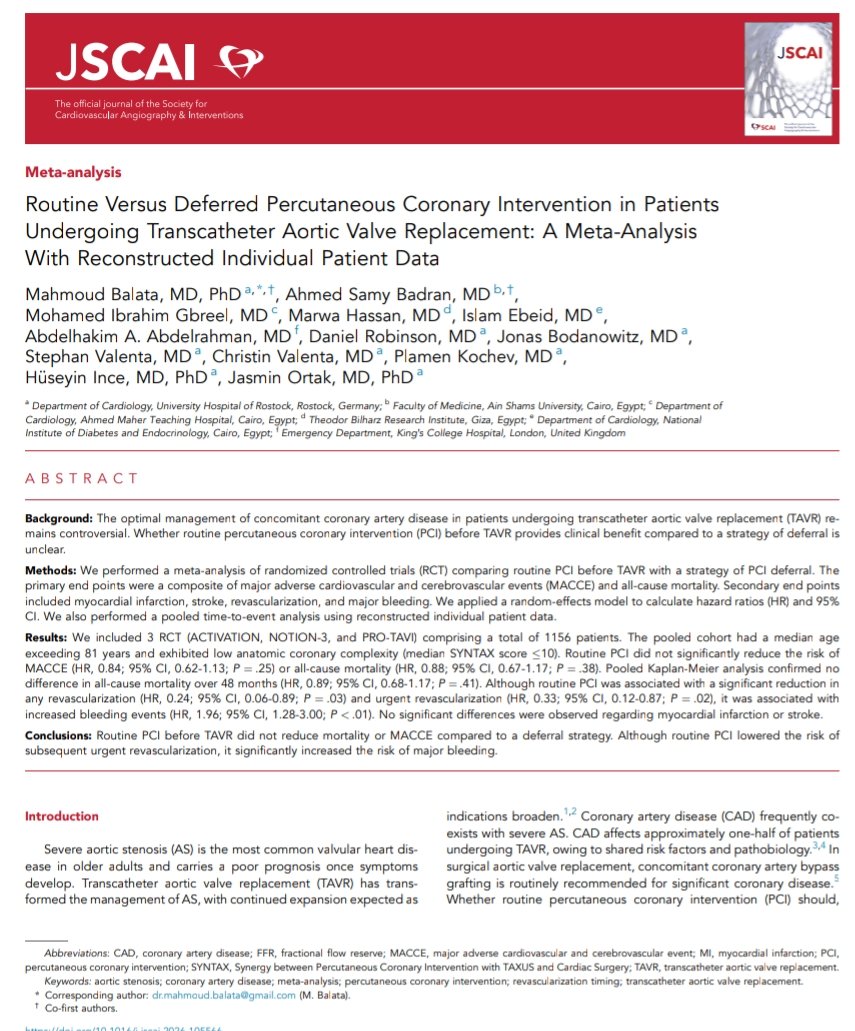
In open-label revascularization trials, knowledge of coronary anatomy may influence downstream decisions. This raises an important question: Are we observing a true reduction in ischemic events, or partly differences in physician behavior and revascularization thresholds?
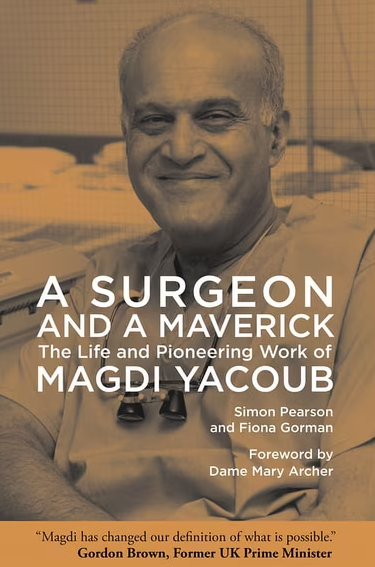
97th AATS President Thoralf M. Sundt wrote a book review of A Surgeon and a Maverick: The Life and Pioneering Work of Magdi Yacoub. Hear his thoughts on the author's ability to convey Dr. Yacoub's remarkable journey to the top of his profession in #JTCVS: https://t.co/69d5RWD00s
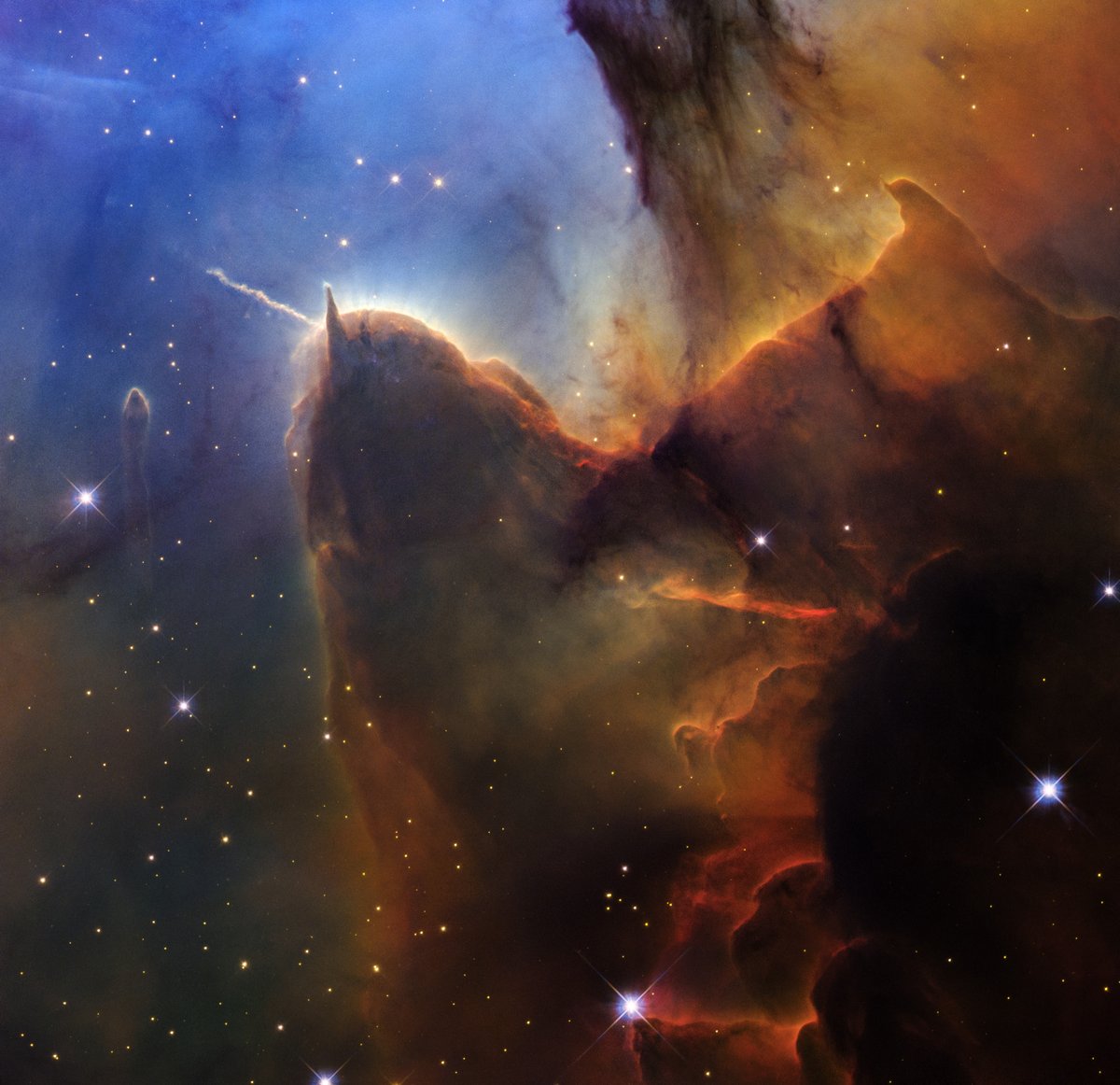
5,000 light-years from Earth, stars are forming in the Trifid Nebula. Our orbiting @NASAHubble telescope is taking a close look: https://t.co/gkoaV8e64M
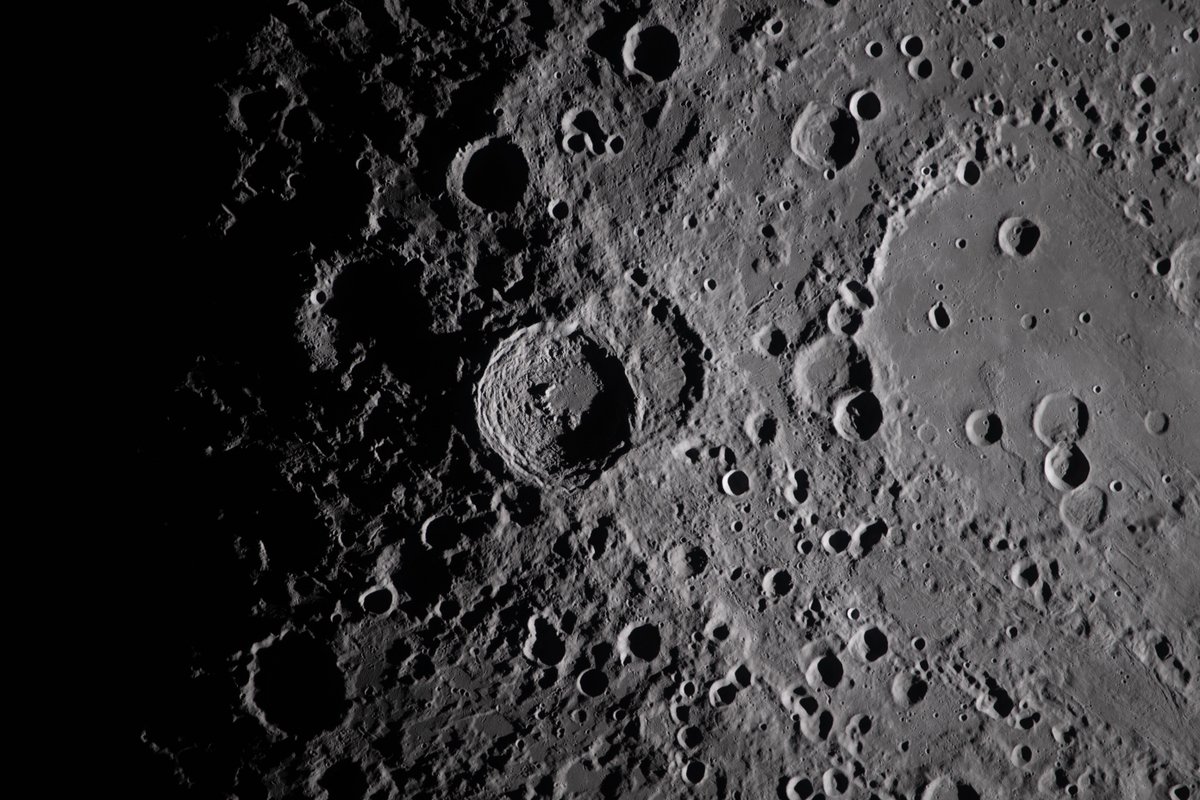
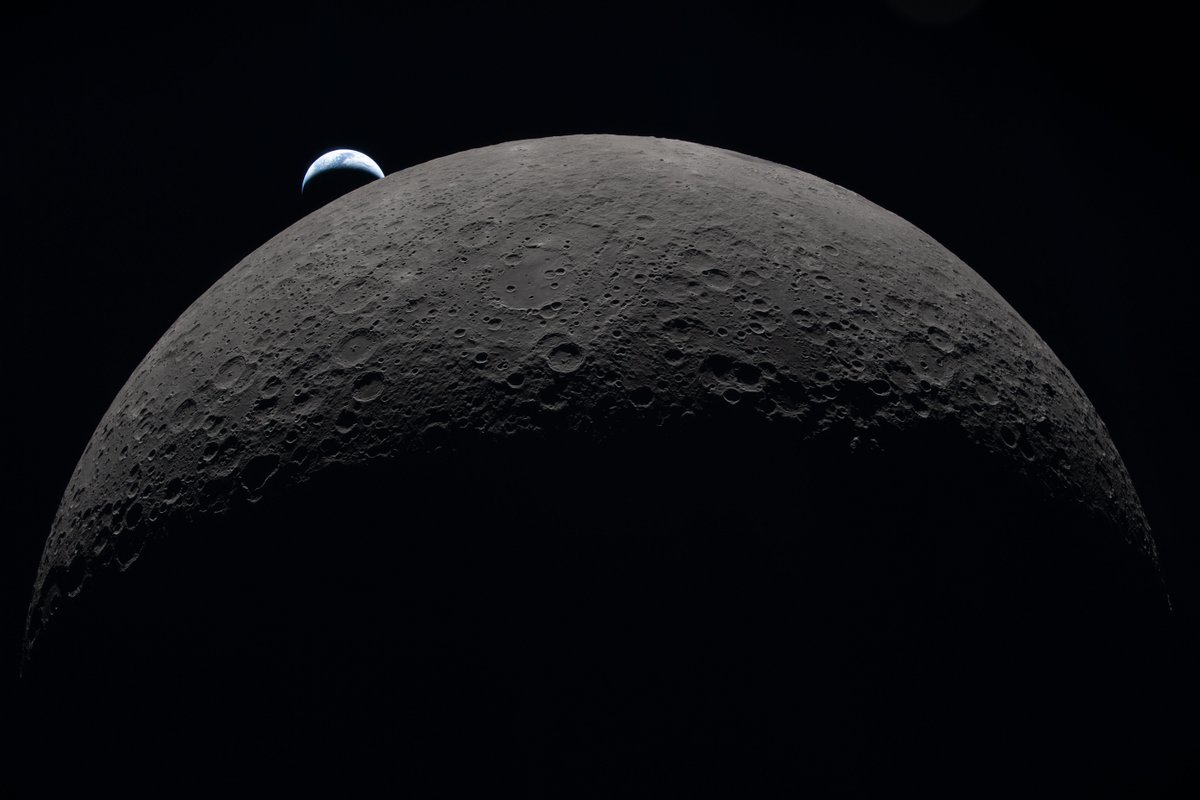
Hello, Moon. It’s great to be back.
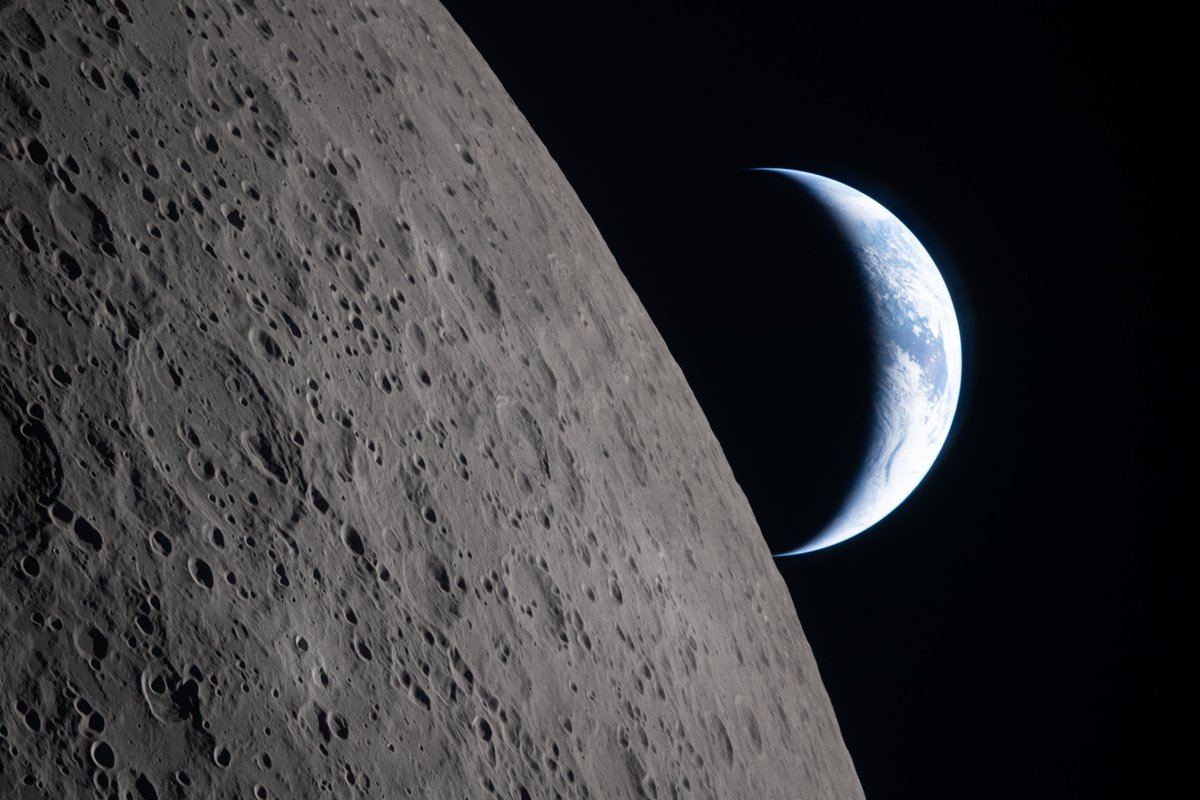
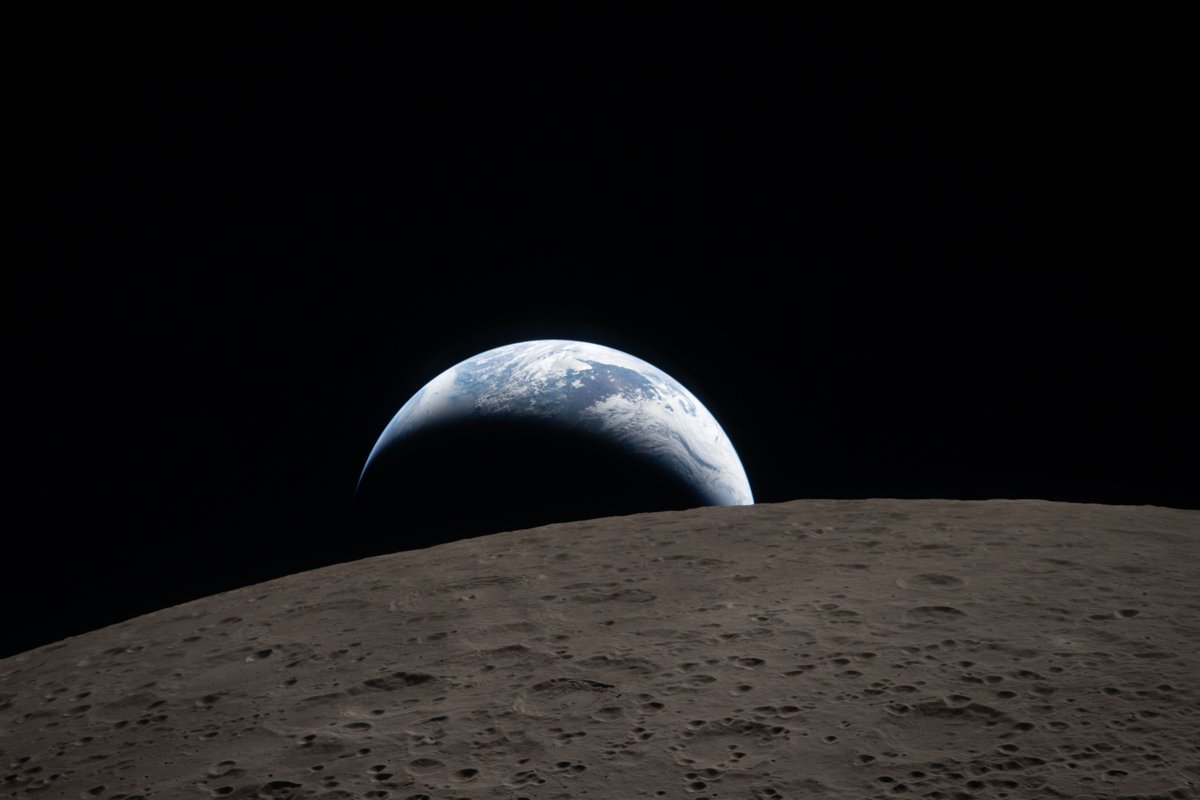
Here’s a taste of what the Artemis II astronauts photographed during their flight around the Moon. Check out more photos from the mission: https://t.co/rzM1P0QbOl
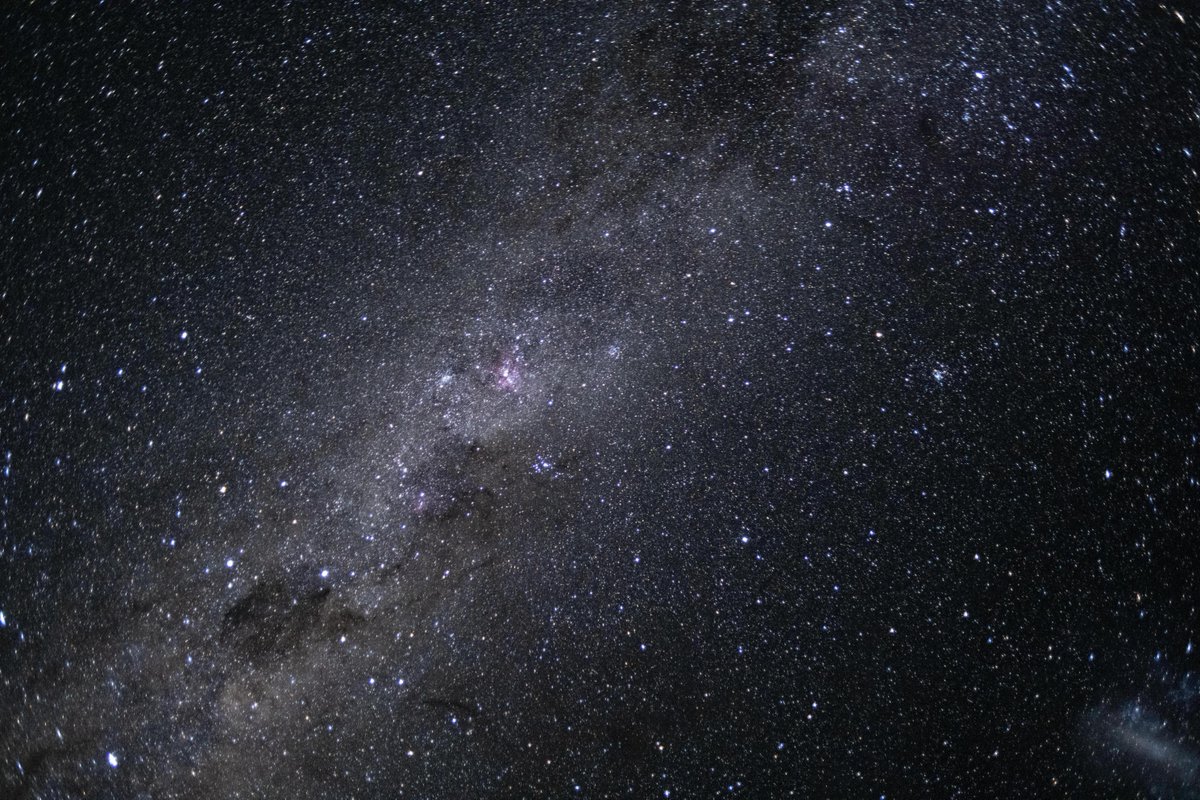
Sky full of stars.
Following a successful lunar flyby, the Artemis II astronauts captured this breathtaking photo of our galaxy, the Milky Way, on April 7, 2026.
Make new friends, but keep the old.
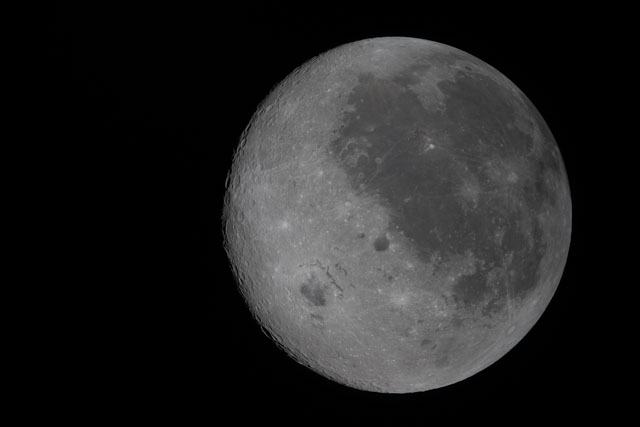
A new photo captures the Moon's near side on the right (the side we see from Earth, identifiable by its dark splotches) and its far side on the left. The Artemis II crew are the first to see the far side with human eyes.
📖Network meta-analysis with reconstructed time-to-event data identifies #DKCrush as the most effective distal #LeftMain#bifurcation strategy—significantly reducing #MyocardialInfarction & repeat revascularization compared with other strategies, provided operator expertise is ensured. #MI #PCI
➡️ https://t.co/VTQxbzxiDP
@RameshDaggubati
To celebrate three years of studying the universe, @NASAWebb has clawed back the thick, dusty layers of the Cat's Paw Nebula.
With its infrared vision, Webb can peer through clouds of gas and dust to uncover what lies beneath: https://t.co/4cFCZTFK70