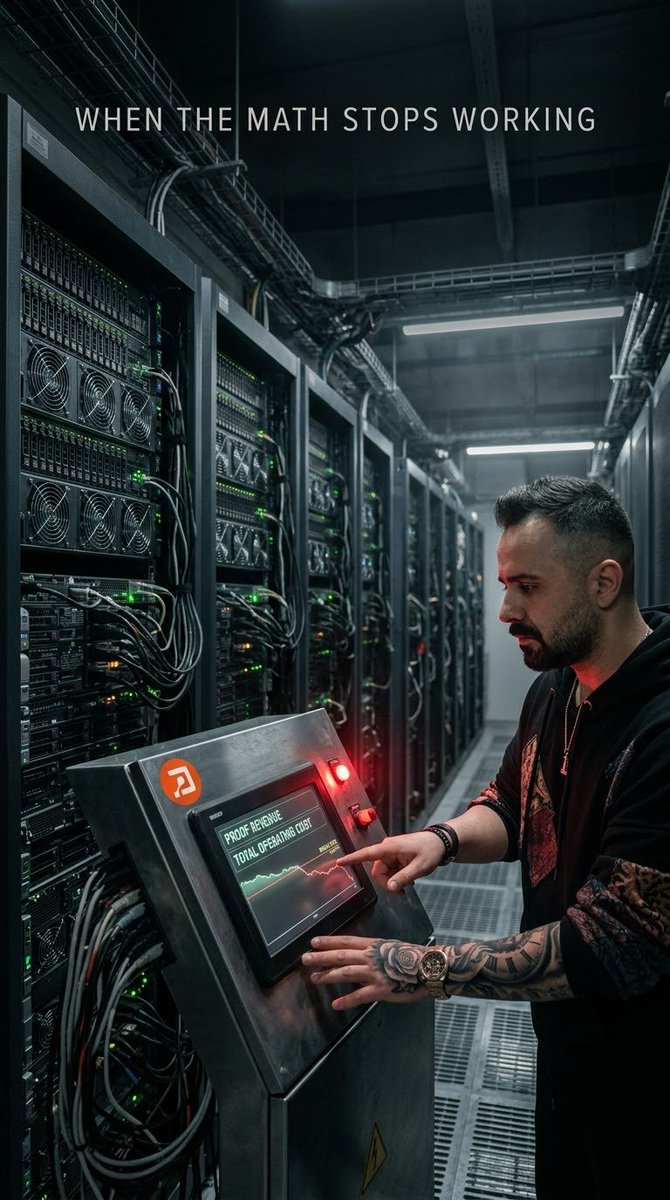
The biggest threat to heavy-compute networks isn't a smart contract exploit.
It's the operator break-even point.
When proof revenue can't cover electricity, hardware depreciation, and operating costs, node runners don't complain on Discord. They just unplug the rack.
We obsess over cryptographic security, but network liveness also depends on whether operators can afford to keep running.
A perfectly secure network can still lose capacity if its infrastructure economics don't work.
The real question for @PrimusLabs is whether its prover economics can sustain the infrastructure behind the proofs.
The next cycle belongs to whoever masters the infrastructure P&L 👇
https://t.co/tUE8ACfxvs
Post-quantum security isn't a finish line. It's an ongoing commitment to adapt.
NIST has finalized core PQC standards, but cryptographic agility remains essential as new schemes emerge and security assumptions evolve.
@quipnetwork is building with hash-based signatures. The long-term question is how adaptable that architecture is across the full account lifecycle.
If a signature scheme needs to change, how would key migration, signature verification, and backward compatibility be handled without compromising security or disrupting consensus?
Quantum resistance addresses today's threat models. Cryptographic agility prepares infrastructure for tomorrow's unknowns.
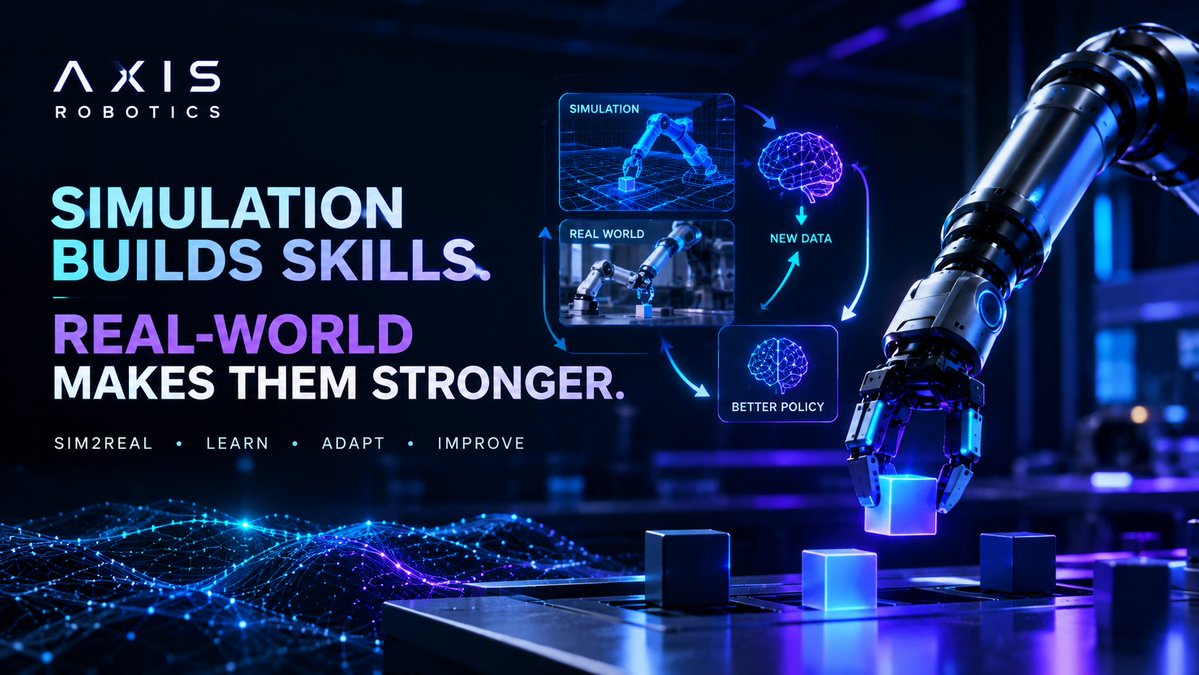
What if every solved robotics task became a reusable skill?
Grasp. Pick. Sort. Place.
Individually, each capability solves a specific problem.
Combined, they can support more complex behaviors.
That’s why I find the idea of reusable robotic skills so interesting.
Instead of measuring progress only by the number of trajectories collected, we could also ask:
How many reliable capabilities can a robot learn and reuse?
That’s a compelling direction for Physical AI, and one worth watching at @axisrobotics.
#PhysicalAI #Robotics