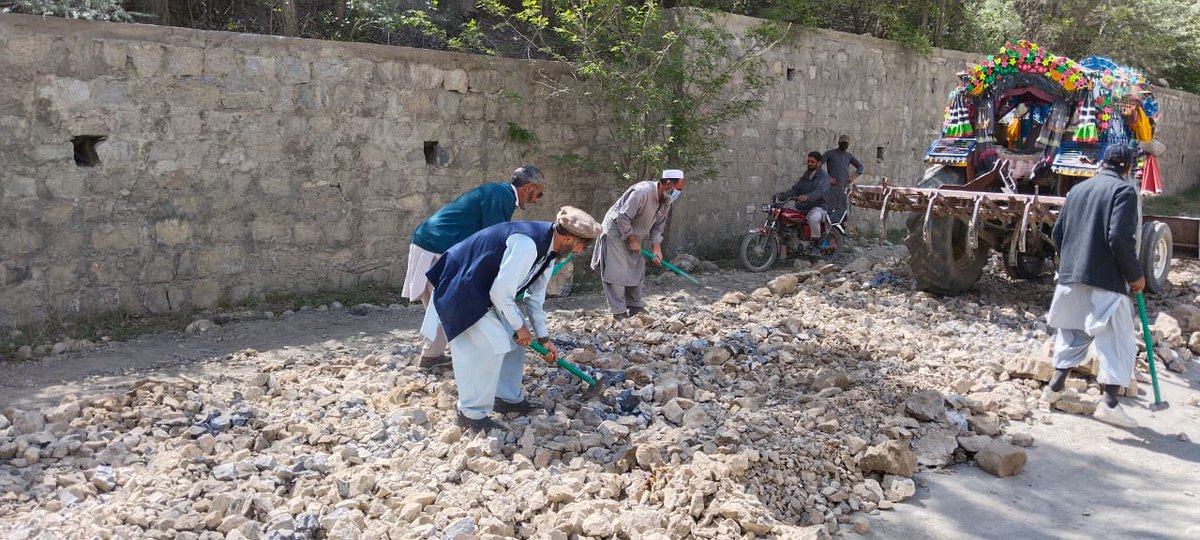
یار محمد نیازی صاحب @YarMKNiazi ٍمیں اپر چترال میں 16 سال سے زیرِ تعمیر بونی بزُند روڈ کا معاملہ اٹھایا تھا، جو کہ پی ایس ڈی پی پراجیکٹ ہے اور اسے خیبر پختونخوا کا محکمہ سی اینڈ ڈبلیو بطور ایگزیکیوٹنگ ایجنسی تعمیر کرا رہا ہے۔36 کروڑ روپے کا منصوبہ بڑھ کر ایک ارب 71 کروڑ روپے تک پہنچ گیا ہے، لیکن ابھی تک ایک کلومیٹر سڑک بھی پی سی ون کے مطابق تعمیر نہیں ہوئی، جبکہ چند کلومیٹر پر اسفالٹ کیا گیا ہے۔معاملہ اٹھانے پر آپ نے وزیراعلیٰ صاحب
@SohailAfridiISF@CMKPUpdates@KPChiefMinister
کے نوٹس میں لا کر اس حوالے سے وزیراعلی کی جانب سے ہدایات جاری کروائی تھیں۔ علاقے کے لوگوں کے مسلسل احتجاج، وزیراعلی خیبر پختوانخوا کی ہدایات اور علاقے کے لوگوں کی وفود کی صورت میں سیکریٹری سی اینڈ ڈبلیو اور چیف انجینئر نارتھ کے ساتھ ملاقاتوں کے بعد اپریل کے آخری ہفتے میں اس پراجیکٹ پر کام تو شروع ہو گیا ہے لیکن لوگ اس منصوبے پر کام کے معیار اور رفتار سے بالکل مطمئن نہیں ہیں۔۔ ایک ایکسکیویٹر، ایک ٹریکٹر ، پانچ ٹرک کے ساتھ سات مزدور کام کر رہے ہیں،،، اگر کام کی رفتار یہی رہا تو اس منصوبے کی تکمیل میں مزید 16 سال لگیں گے۔۔ دوسری جانب کام کا معیار کیسا ہے اس کو آپ آج ہی کی تصاویر میں ملاحظہ کر سکتے ہیں۔۔ افسوسناک بات یہ ہے کہ محکمہ سی اینڈ ڈبلیو براہ راست وزیراعلی صاحب کے انڈر ہے اور گنڈاپور صاحب کی وزارت اعلی میں سہیل آفریدی صاحب سی اینڈ ڈبلیو ہی کے وزیر تھے۔۔ اگر وزیراعلی صاحب کے محکمے میں ہی اگر منصوبوں کا یہ حال ہے تو اندازہ لگایا جاسکتا ہے کہ باقی منصوبوں کا کیا حال ہوگا۔۔ سائیٹ پر مشینری بڑھانے کا مطالبہ کرکے علاقے کے عمائدین جب سیکریٹری سی اینڈ ڈبلیو سے تیسری مرتبہ ملے تو سیکریٹری صاحب کے ان مطالبات پر کام دھرنے کے بجائے ان کو دھمکایا کہ آپ لوگ چاہتے ہیں کہ جو مشینری موجود ہیں وہ بھی ہٹایا جائے،، لوگوں نے درخواست کی کہ سر جس طرح کام ہو رہا ہے اس طرح ہی اس 28 کلومیٹر منصوبے پر 16 سال لگ گئے اور 36 کروڑ کے پراجیکٹ پر ایک ارب 60 کروڑ خرچ ہونے کے باجود سڑک کا ایک کلومیٹر بھی پی سی ون کے مطابق مکمل نہیں ہوا ہے۔۔ بہرحال اس منصوبے میں نہ سیکریٹری صاحب اور نہ ہی چیف انجینئر نارتھ یا ایکسین سی اینڈ ڈبلیو اپر چترال کی دلچسپی ہے۔۔ بلکہ ایکسین پر تو علاقے کے لوگ کرپشن اور بدعنوانی کے سنگین الزمات لگا رہے ہیں۔
جناب @SohailAfridiISF@KPChiefMinister@CSKPOfficial
سے گزارش ہے کہ اس منصوبے پر جس رفتار سے اور جس معیار کا کام ہو رہا ہے اس کا نوٹس لیں اور محکمے سی اینڈ ڈبلیو کے حکام خصوصاً چیف انجینئر نارتھ اور ایکسین سی اینڈ ڈبلیو اپر چترال کی جوابدہی کریں کہ ایسا کیوں ہو رہا ہے اور ان پر متعلقہ ٹھیکیدار کی بے جا سرپرستی کے الزامات کیوں لگ رہے ہیں اور متعلقہ منصوبے میں کام کرائے بغیر ادائیگیاں کرنے کے ثبوت تو محکمے کی انٹرنل آڈٹ میں سامنے آئے ہیں،،لیکن آج تک کسی کے خلاف بھی ایکشین نہیں لیا گیا ہے؟
وزیراعلی صاحب سے گزارش ہے کہ ایکسین اور چیف انجینئر نارتھ کو پابند کریں کہ وہ یقینی بنائیں کہ متعلقہ ٹھیکیدار مطلوبہ مشینری فوری طور پر سائیٹ پر پنچا کر کام کی رفتار تیز کریں، معیار بہتر کریں۔۔ سر کام شروع ہوئے تیسرا ہفتہ ہے سی اینڈ ڈبلیو کا چپڑاسی بھی اس سائیٹ پر کام کی نگرانی کے لیے نہیں آیا۔۔ گزارش ہے کہ محکمے کے افسران کو پابند کریں کہ وہ کام کی مسلسل نگرانی کریں اور اس کے معیار کو بہتر بنائیں۔۔کرش کی جگہ بڑے بڑے پتھر بجھا کر جس طرح کی کمپیکشن ہو رہی ہے ایسا تو بلوچستان میں بھی شاید نہیں ہوتا ہوگا۔۔
@AsadQaiserPTI@saarbab@JunaidAkbarMNA@FaisalKTarakai@PTIofficial@MeenakhanAfridi@IKPeshawar@TheLehaz@PakhtunDigital@iaqeelyousafzai
کی توجہ بھی اس جانب مبذول کراتے ہیں کہ اس معاملے پر آواز اٹھائیں اور اپنا کردار ادا کریں۔
Mian Shehbaz Sharif’s government decided to increase petrol and diesel prices by Rs 55 per litre each. This is both the highest single increase ever and the highest price level for both petrol and diesel. And it will of course bring in huge increase in inflation.
In Pakistan petrol and diesel prices are set every 15 days. The last price increase came on February 28 for the period of March 1 to March 15. The prices are set according to the prices in Singapore’s Platt index. The government took the average Platt price for petrol and diesel from Feb 15 to Feb 28 and added petroleum levy and other incidentals and came up with a price. It does it because the inventory cost of petrol and diesel in Pakistan sold by oil companies in the first fortnight of March is based on international prices that existed before Feb 28 when companies bought the products from international markets.
Now because of the heavy increase in international oil prices, there was an expectation in the market of a large increase in prices for the period of March 15 to March 31. So consumers started filling their tanks, and petrol pumps and oil companies also started hoarding in the expectation of price increases and windfall profits. The government felt compelled to increase prices now to stave off a shortage.
(The other option would have been to credibly announce that they would reduce petroleum levy from March 15 onwards so that the final consumer price will not increase. This would also have staved off hoarding but fiscal prudence and IMF wouldn’t have allowed this. A final option would have been better monitoring of oil companies and petrol pumps, but the government doesn’t have faith in its own monitoring apparatus ).
So the government decided to raise prices. However instead of just increasing Petroleum Levy by Rs 55 per litre for this week and committing to reduce it back to the original rate from March 15, so that the expectation about a price increase on March 15 ended, it raised the prices for oil companies and gave them windfall profits. This is beyond comprehension.
The government raised petroleum levy by Rs 20 per litre on petrol and gave Rs 35 extra profit to oil companies, but in the case of diesel it reduced the levy by Rs 20 per litre and gave the oil companies extra profit of Rs 70 per litre. This is really just giving huge profits to oil companies at the cost of consumers and government.
The oil companies had already bought the petrol and diesel being sold today before Feb 28 at lower prices. And their costs plus profits were already being covered by the prices set originally for March 1 to March 15. There was absolutely no reason to increase their prices and allow them excessive profits. This is just taking advantage of a crisis and allowing them excessive profits.
This is similar to last year’s allowing of sugar millers to export sugar and increase sugar mills’ profit at the cost of the public. This time the government allowed excessive profit to oil companies. It’s always large companies over the people. To stave off shortages it should have either increased petroleum levy for a week or done better monitoring of oil companies and petrol pumps. But it chose to do a favour to oil companies.
The second point I want to make is about joint sacrifice. Due to this war the price of oil has risen and the increase in cost of petrol and other things is inevitable. If not now, prices had to increase by March 15. The government has again asked the people to tighten their belt and sacrifice. Pakistani people have already gotten poorer by 12% over the last 6 years. But what about the government’s own belt tightening? How about cutting fuel allowance of senior bureaucrats by 10%. How about asking ministers (who have unlimited fuel allowance) to also pay just 10% of their own fuel. This would suggest some shared sacrifice. But when the government only asks people to sacrifice, and continues its spendthrift ways, it just shows it’s own بے حسی
⛽ Pakistan has increased petrol prices by PKR 55 per liter due to the ongoing situation in the Middle East and rising global oil prices.
The hike is expected to impact transportation costs and may lead to further increases in the prices of daily goods across the country.
The Assassination of #Khamenei – Initial Implications
A. A Foundational Event for the Regime
For more than three decades, Khamenei shaped the ideological, institutional, and strategic character of the Islamic Republic. His death is not merely a leadership transition — it is a foundational event that could shake the entire structure of the regime.
B. The Succession Mechanism – Theory vs. Reality
According to the constitution, the Assembly of Experts is responsible for convening and appointing a new Supreme Leader. In practice, this has happened only once (1989), and even then the decision was effectively shaped behind the scenes through political understandings among key power brokers. It is therefore likely that the real decision will again be made within a narrow circle of elites rather than through a purely formal process.
C. The Future of the Doctrine of Velayat-e Faqih
Beyond the identity of the successor lies a deeper question: the future status of the doctrine of Velayat-e Faqih. Will Iran maintain the model of a strong, centralized Supreme Leader as shaped by Khamenei, or could the system evolve toward a more collective or limited leadership structure? This will be a crucial test for the regime’s ideological continuity.
D. A Succession Vacuum
The death of President Ebrahim Raisi — widely viewed as a leading candidate for succession — deepened the uncertainty. Names previously mentioned as potential successors include:
Hassan Khomeini – grandson of Ayatollah Khomeini, perceived as relatively moderate.
Sadeq Larijani – a senior institutional figure.
Hassan Rouhani – former president, though his relationship with Khamenei was complex.
Mojtaba Khamenei – the Supreme Leader’s son, long rumored as a possible candidate.
At present, no clear consensus candidate exists.
E. A Major Shock — But Not Necessarily Regime Collapse
Khamenei was a central pillar of the system, yet the regime rests on multiple power centers, foremost among them the Islamic Revolutionary Guard Corps (IRGC). The IRGC has significant political, military, and economic interests in preserving the current order and possesses the capacity to stabilize the system if needed.
F. Low Probability of Immediate Dramatic Change
In the absence of an organized and capable opposition, and given the relative cohesion of Iran’s security elites, most assessments would suggest that even such a dramatic event is unlikely to trigger immediate revolutionary change. Rather, it may lead to an internal recalibration process.
G. Interim Leadership or Rapid Appointment?
A critical question is whether a temporary coordinating figure will be appointed until a permanent successor is selected, or whether a swift appointment will be made to project stability and continuity. The decision will reflect the balance of power among competing factions.
H. Regional and Religious Implications
Will Iran’s regional proxies, particularly Hezbollah, escalate as part of a narrative of revenge?
Will senior Shiite clerical authorities — such as Grand Ayatollah Sistani in Iraq — issue religious rulings framing retaliation as a duty?
The response of the so-called “Axis of Resistance” will serve as an important indicator of post-event regime cohesion and control.
I. Implications for Negotiations with the West
If the regime survives and stabilizes, it is unlikely to project flexibility in the near term. On the contrary, it may adopt a more hardline posture in order to signal strength and consolidate internal legitimacy.
J. The Beginning of a Different Era
Khamenei’s death would mark the historical end of a distinct era — but it remains unclear whether any internal actors will be able or willing to leverage the moment for structural transformation. But, even if the regime endures, Iran may emerge different, with a recalibrated internal balance of power and altered leadership dynamics.
Conclusion:
This would be a dramatic event with the potential to reshape both Iran’s internal political order and the broader regional landscape. However, the strength of state institutions, the IRGC, and the absence of a viable alternative political force suggest that any change — if it occurs — is more likely to be gradual and managed rather than immediate and revolutionary.
#iranisraelwar
The term regime-change is being used by many to describe the goal of the airstrikes. But air power alone will not bring down the regime.
Therefore, the strategy behind this operation appears far more complex - designed to eliminate hardline elements paving the way for other more pragmatic forces to step in.
A different variant of the baseline approach used in Venezuela. This is as far as what can be said in these early hours.
What does the “China Model” really mean—beyond its use as a euphemism for authoritarian governance in Pakistan?
🎙️ A deep dive with @ammaralijan on our latest podcast.
https://t.co/4qyfDyG0TD
#ChinaModel, #PakistanPolitics, #Podcast
بھارت کے لا اخلاق میڈیا کو "گودی میڈیا" کا نام دینے والے روش کمار کی تھیوری ہے کہ نیوز میڈیا پر مخالفین کو یکطرفہ رگیدنے کا عمل نااہلی نالائقی نہیں، پولیٹیکل پولرائزیشن کو ہوا دینے کی باقاعدہ اسٹریٹجی ہے تاکہ اصل ایشوزاور حکمرانوں کی نالائقیوں پر بات کی گنجائش ہی نہ رہے۔
شرم نا کھا کر جیو۔۔۔۔۔جیو کا 9 بجے کا بلیٹن Economist کی بشریٰ بی بی کے بارے میں خبر سے شروع ہوا اور اس خبر کو پورے بلیٹن میں 48 منٹ تک کھینچا گیا ۔بیچ میں 20 منٹ کے بعد چند خبریں مختصراً شامل کی گئیں اور پھر بشریٰ بی بی کی خبر چلتی رہی @geonews_urdu
What does the 27th Amendment really mean for our legal and political system?
Join our thought-provoking conversation with Faisal Siddiqui, one of Pakistan’s leading legal minds.
#LegalTalk#Pakistan#27thAmendment
https://t.co/eZitPH8qp9
Arif Aziz shares exclusive insights from the last two years of #JaunElia’s life — uncovering rare memories and the secret behind his enduring fame among today’s youth.
#Podcast#JaunElia#UrduPoetry
https://t.co/8ppovILE7f