#AsteroidDay is an official @UN day, observed on June 30. Raising awareness to protect Earth from asteroids and inspire the next generation [email protected]
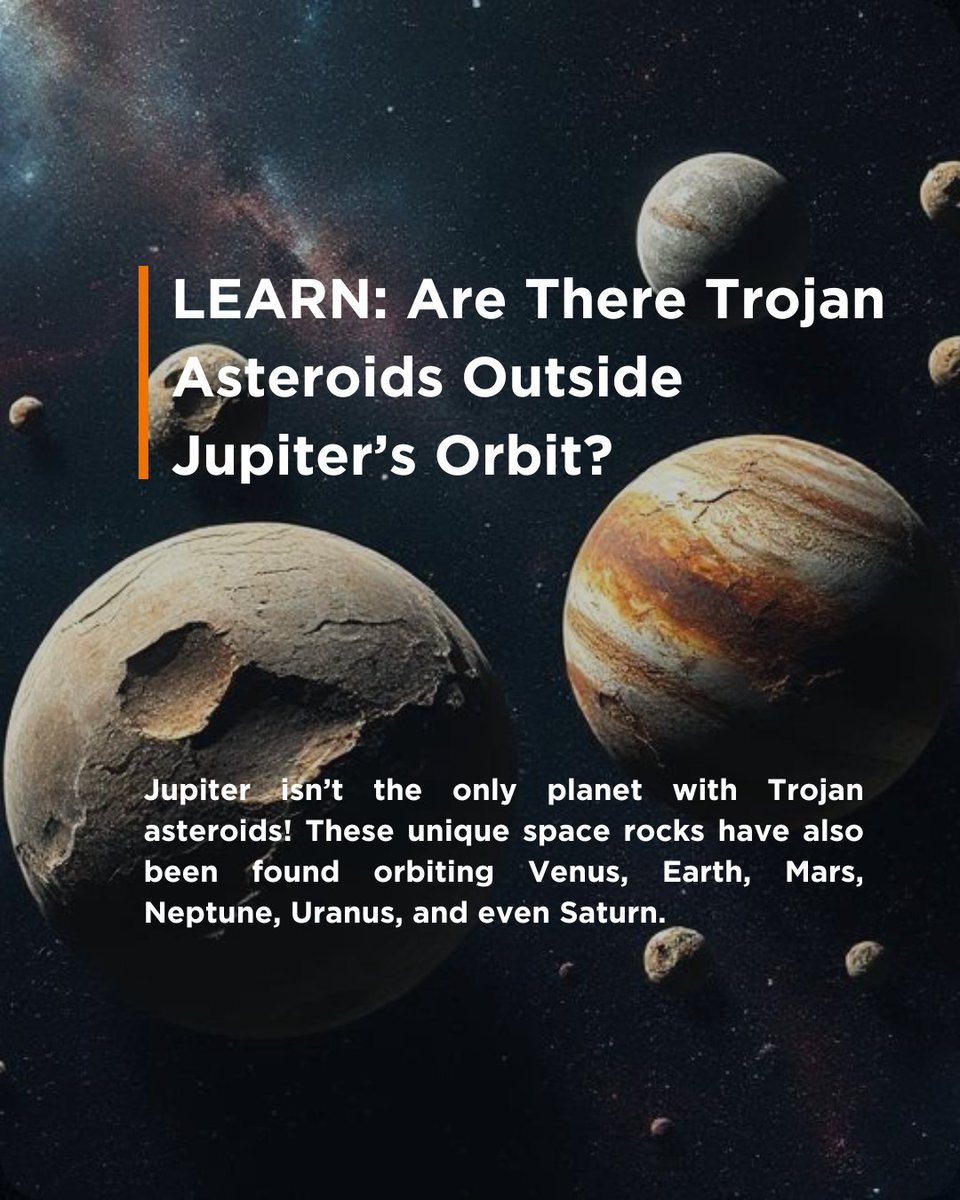
Trojan asteroids aren’t just around Jupiter! They also orbit Venus, Earth, Mars, Neptune, Uranus, and Saturn at Lagrange points.
🚀 Explore the science behind them in our latest blog post https://t.co/nv8eSN8n0q
#AsteroidDay#TrojanAsteroids#SpaceScience#SpaceExploration
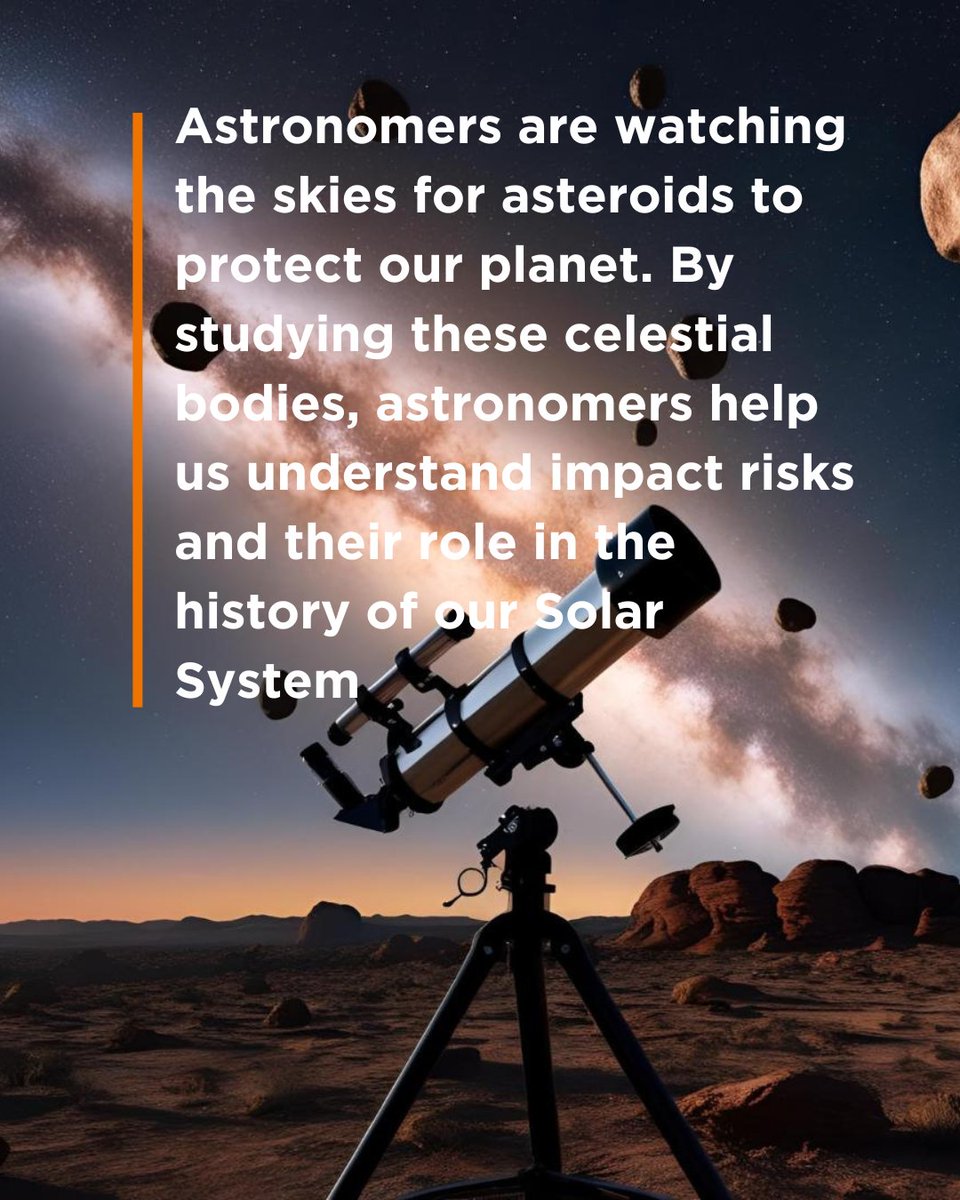
Astronomers are watching the skies for asteroids to protect Earth. Prof. Alan Fitzsimmons leads efforts to understand asteroid risks, like 2024 YR4, which once had a higher chance of impact but now poses minimal risk.
Read more: https://t.co/Vy9iBqAfgZ
#AsteroidDay#ESA#DART
🚀Asteroid impact predictions change as new data refines risks. @Philip Plait explains how scientists track near-Earth asteroids and why impact probabilities often decrease over time.
Learn more: https://t.co/JoCCs9yazx
#AsteroidDay#Asteroid2024YR4
🌍 Exciting news from ESA’s Hera Mission!
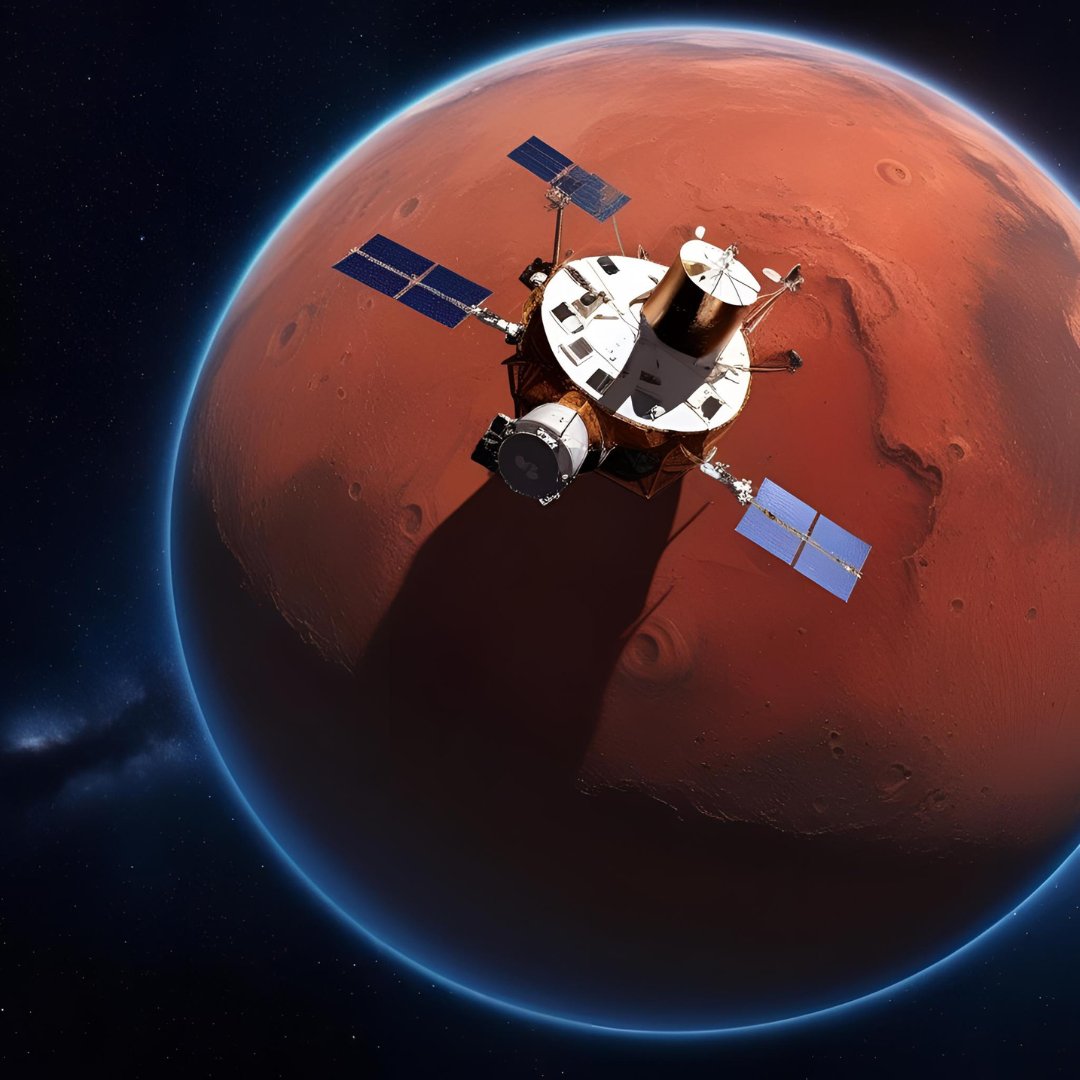
On 13th March 2025 at 11:50 CET, @EuropeanSpaceAgency ’s Hera mission will share its first observations after flying by Mars and Deimos.
🌌 Watch live here: https://t.co/cj2GjFcOaJ
#HeraMission#PlanetaryDefence#AsteroidDay#LSA
New observations of asteroid 2024 YR4 helped us update its chance of impact in 2032. The current probability is 1.5%.
Our understanding of the asteroid's path improves with every observation. We'll keep you posted. https://t.co/LuRwg1eaCv
🚀Celebrating 10 years of Asteroid Day! 🌍From groundbreaking discoveries to exciting missions, we’ve come a long way in space exploration.🌌Check out the upcoming events in 2025 and more via the link below!👇
https://t.co/OVuk7qtQ7n
#AsteroidDay#PlanetaryDefence#SpaceDiscovery
🚀 Webb Joins the Mission to Study Asteroid 2024 YR4! 🌍
The James Webb Space Telescope (JWST) will observe asteroid 2024 YR4, refining its size, composition & impact risk for 2032.
📢 Read more: https://t.co/MOIKaYGy5r
#Asteroid2024YR4#JWST#ESA#SpaceScience#PlanetaryDefence
🌍✨ Asteroid impact predictions can change over time!
🚀 Astrophysicist Philip Plait explains why the odds of asteroid 2024 YR4 impacting Earth in 2032 aren’t as worrying as they seem.
🔗 Read more: https://t.co/9dXztq16B6
#Asteroid2024YR4#PhilipPlait#AsteroidTracking
🚨 Just in: @ESA has declared 2029 the Year of Asteroid Awareness & Planetary Defence! 🌍🚀
#AsteroidDay is proud to support this global mission to raise awareness about protecting our planet from asteroid impacts.
Big things are coming—stay tuned! ✨
#PlanetaryDefence #SpaceSafety #ESA
🌍☄️ Earth has been shaped by space collisions! While many asteroid impacts are erased by weathering, some craters remain as stunning reminders of our planet's past. From Arizona's Meteor Crater to Australia's Wolfe Creek, these sites offer clues about Earth's history. 🌌
Read our latest blog post to learn more - https://t.co/HuggREsyCl
#MeteorCrater #AsteroidImpacts #SpaceScience
🚀 Calling all planetary defence experts! The 2025 IAA Planetary Defense Conference is accepting papers! 🌍 Topics include NEO discovery, deflection modelling, mission highlights, & more. Join the effort to protect Earth from cosmic threats. 📅 5–9 May 2025, South Africa. Details: https://t.co/RR84ImHkzN #PlanetaryDefense
💥🌌 Can we really stop a massive asteroid from hitting Earth? In How to Kill an Asteroid, Robin George Andrews explores the cutting-edge science behind planetary defence—like @NASA's #DART mission, which successfully changed an asteroid’s course. 🚀
From detection to deflection, this book is a fascinating dive into how we’re preparing to protect our planet. 🌎
https://t.co/xrrg3SjnkG
Congratulations to Joe DeMartini, #astronomy Ph.D candidate at @UofMaryland, for being the 2024 recipient of the #SchweickartPrize. His SUNSET Collaboration proposal aims to help detect Sunward Near-Earth Objects (SNEOs) during twilight hours. https://t.co/3yJOXGYBHW
Take advantage of this weekend to locate Juno, one of the first #asteroids discovered in history. Juno is in a better period for observations and it will be between Leo and Sextans constellations. See its location on this @TheSkyLive interactive map :
https://t.co/9gYq5b5SMa
New research suggests #asteroids may have triggered global glaciation, transforming our planet into a giant ball of ice millions of years ago. Learn more about this theory and how it could reshape our understanding of Earth's history. https://t.co/13w4ghdPvW
Have you heard of the #asteroid impact in #Germany? Discover the story of asteroid 2024 BX1's impact near Berlin and learn about the rare aubrite fragments found and their unique characteristics in our latest article.
https://t.co/XS1ljQajFT
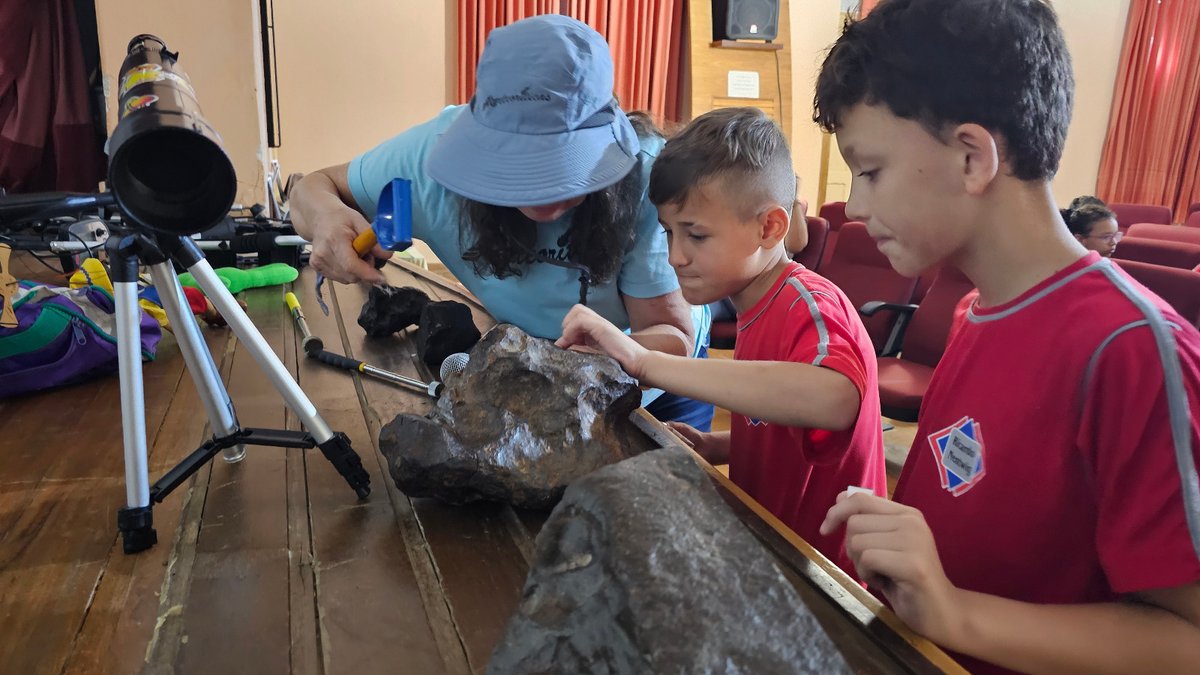
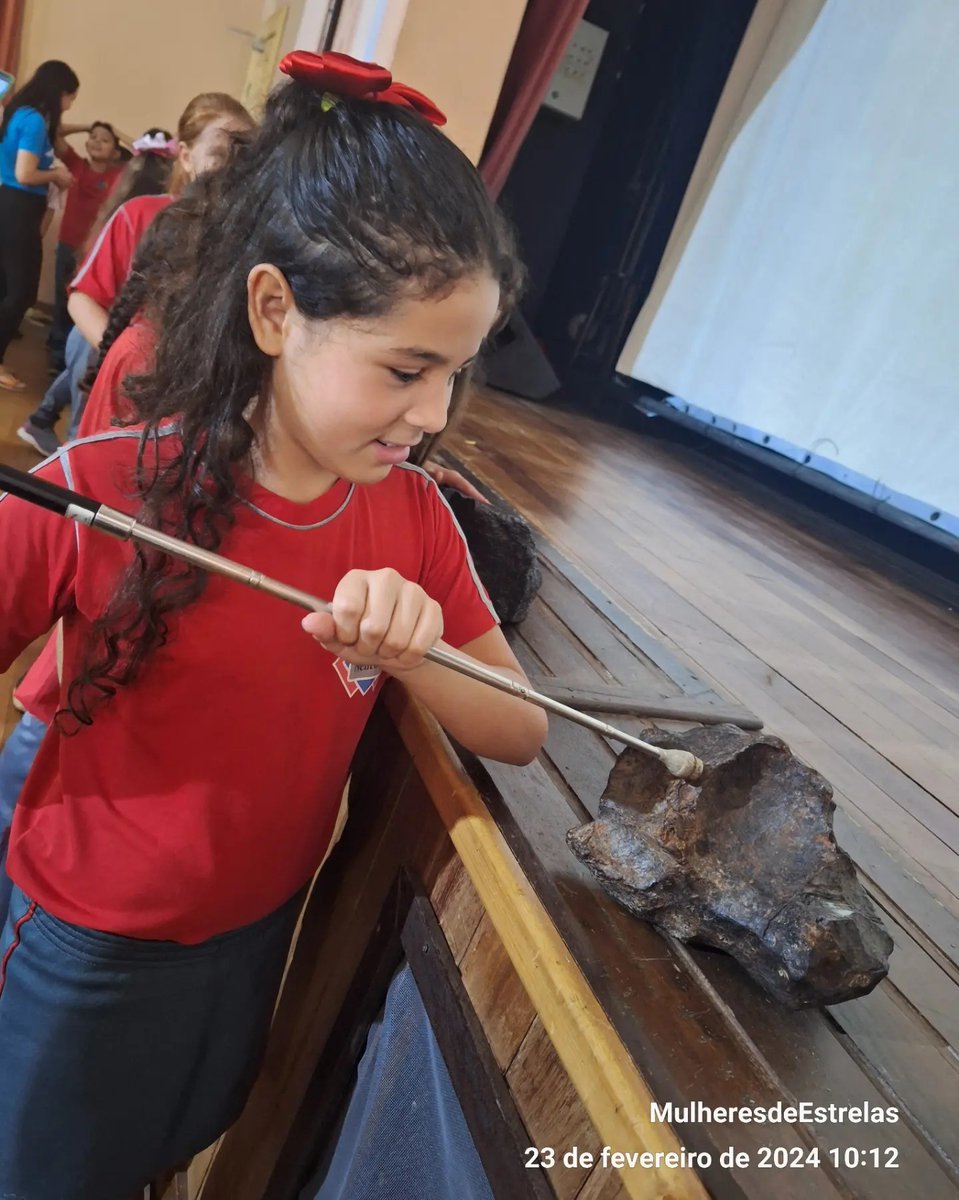
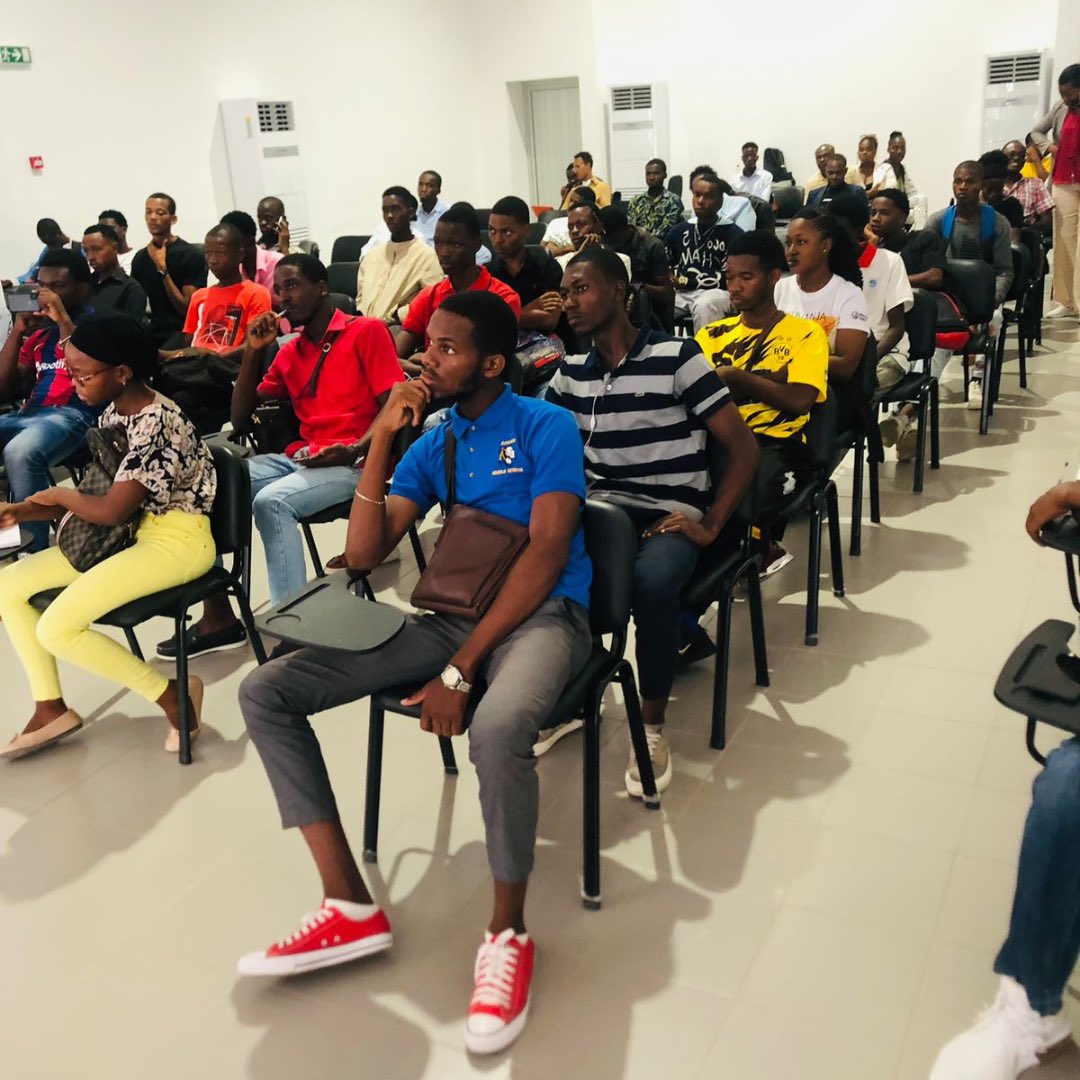
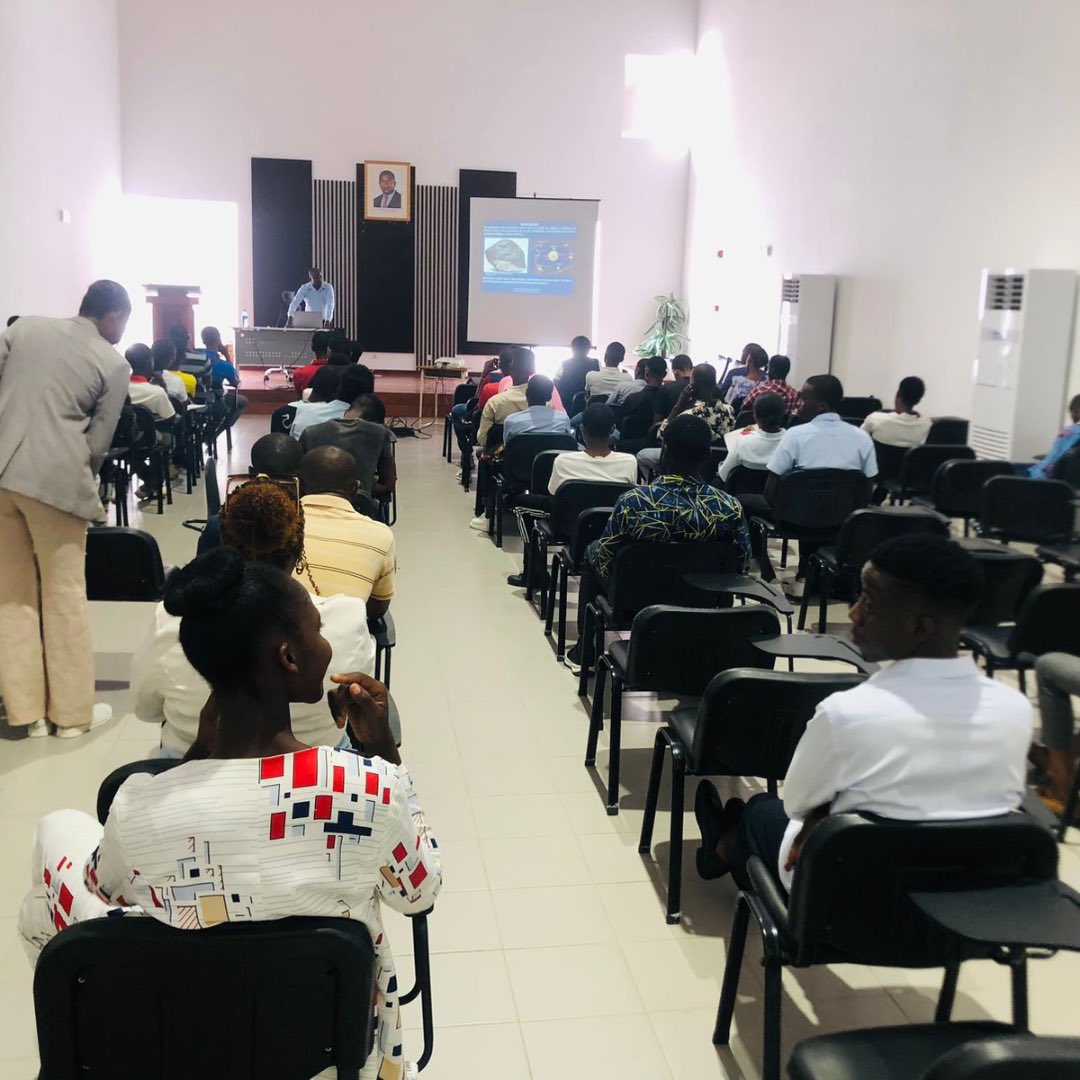
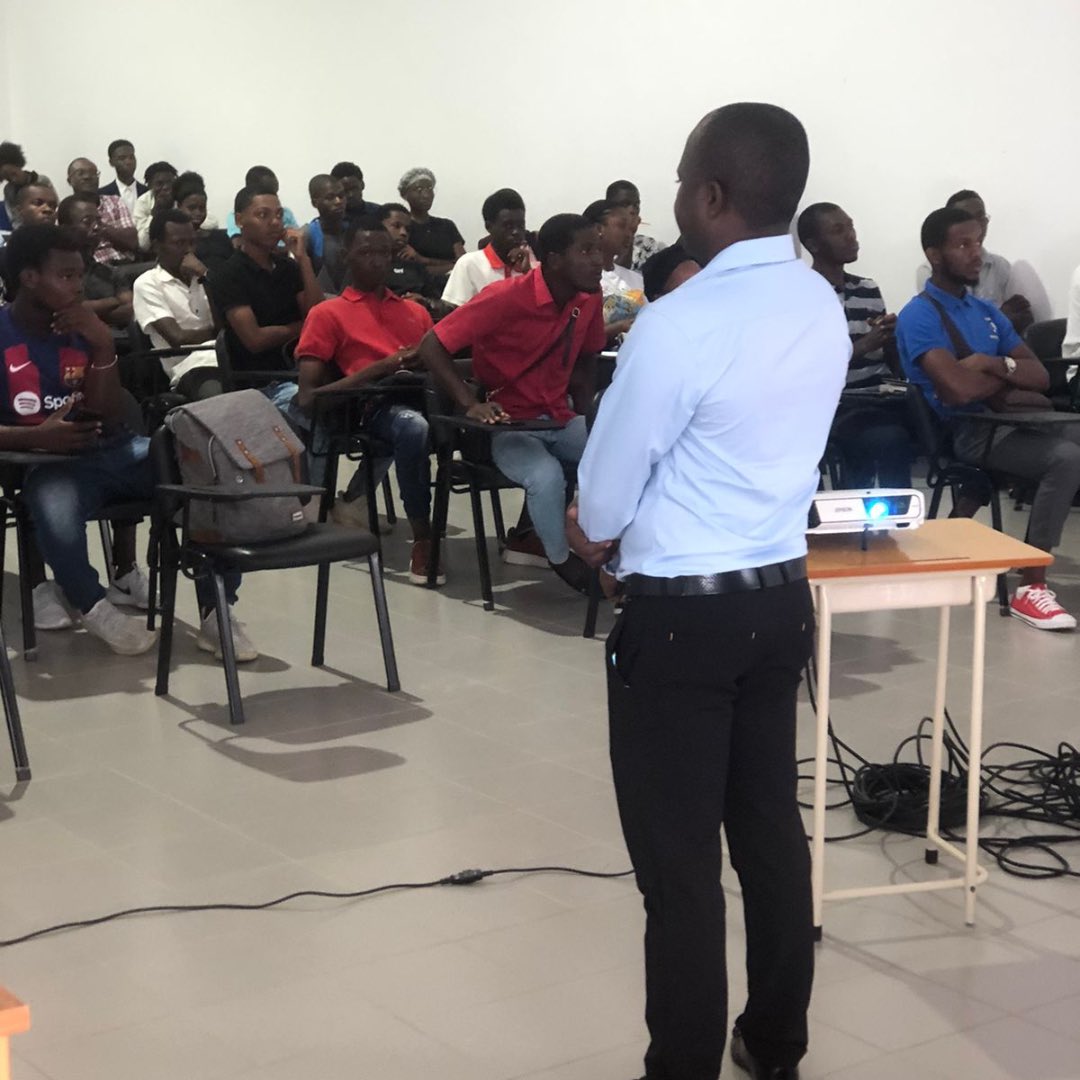
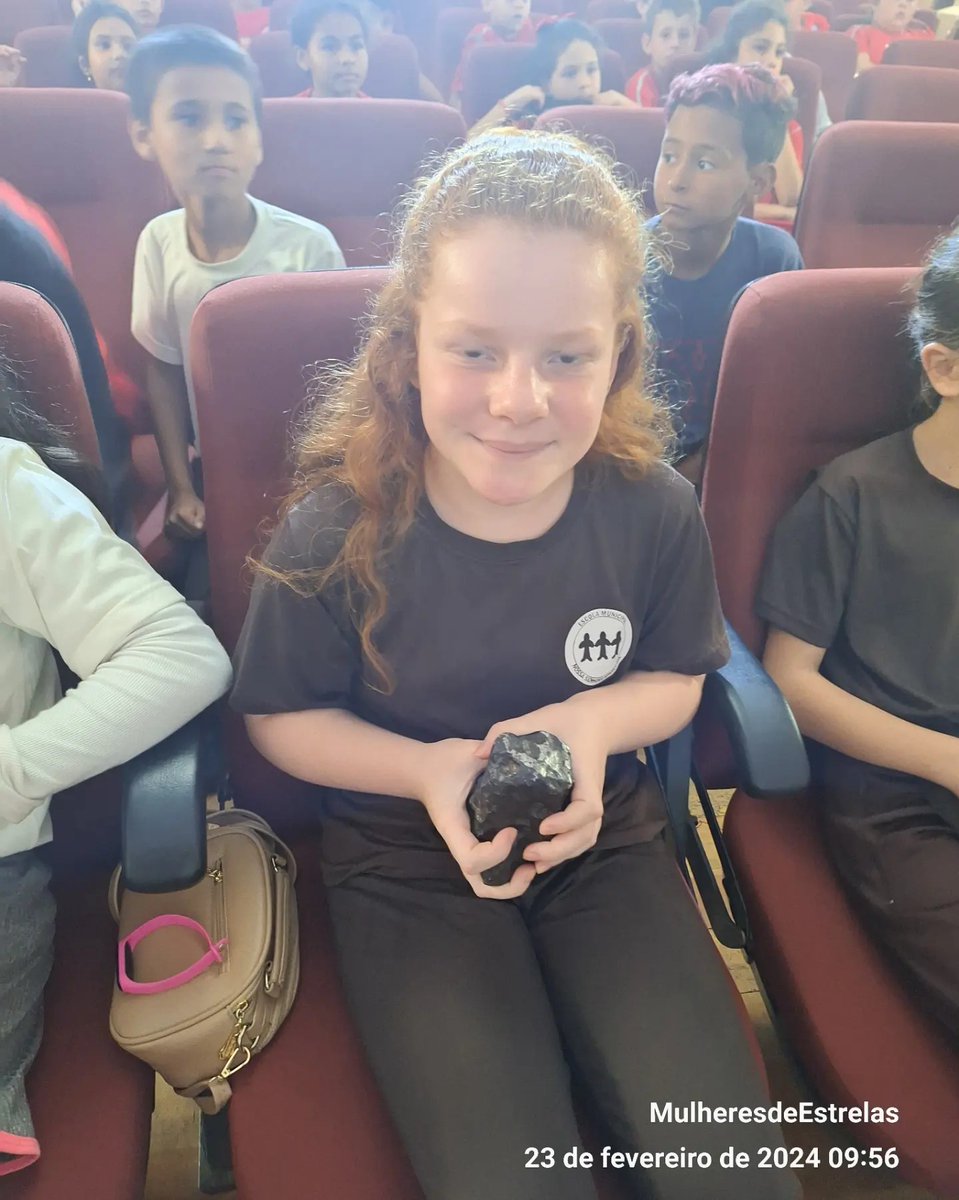
First #AsteroidDay 2024 event in #Africa! Professor Guido Prego held a conference at @UBwila in #Benguela, #Angola, to talk about the 50th anniversary of the Jolomba #asteroid fragment fall. Check out some images:
The new episode of #Resourceful, @ESRIC_lu’s podcast is out!
In this one, you will discover insights from Sabrina Andiappane and Bernd Weiss and learn more about how we could possibly turn our #space debris into a practical resource!
https://t.co/xzJRxvMisT