I've now managed to upload 8 short videos on this page, all ideas for how to break down different kinds of problem-solving tasks: https://t.co/VIajFNezGp
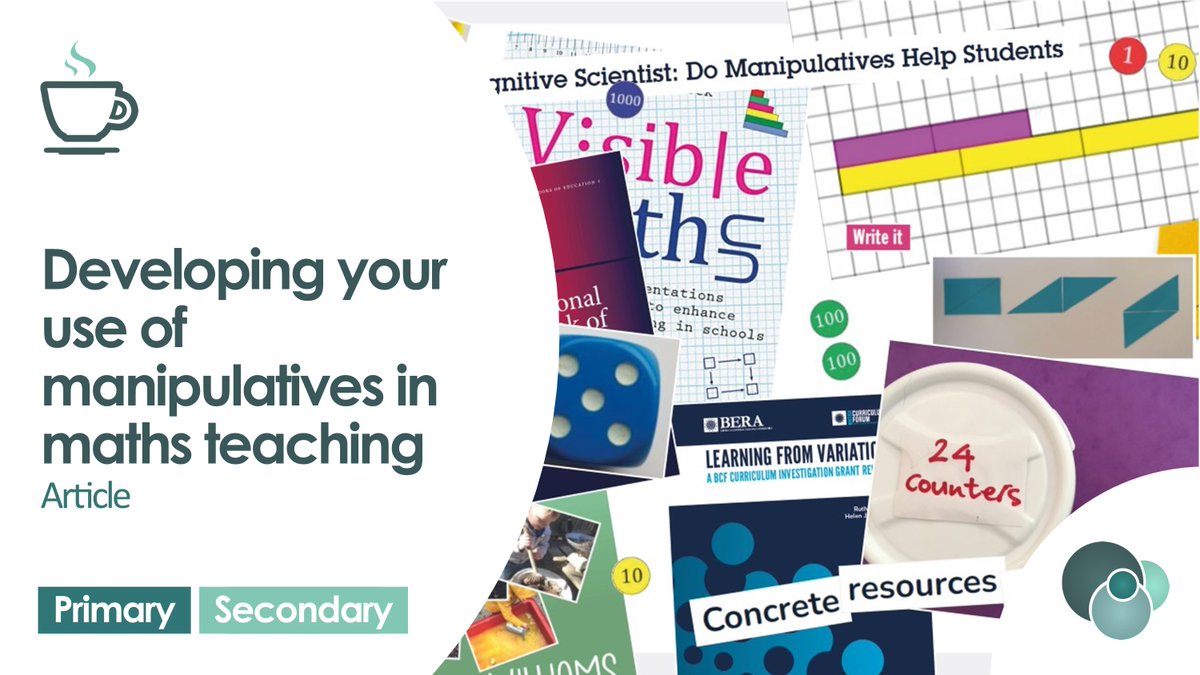
Are you thinking about using more physical resources in your maths lessons—primary or secondary? Our article brings together suggestions of background reading that’ll help you take things forward https://t.co/ua7ZISd2ND
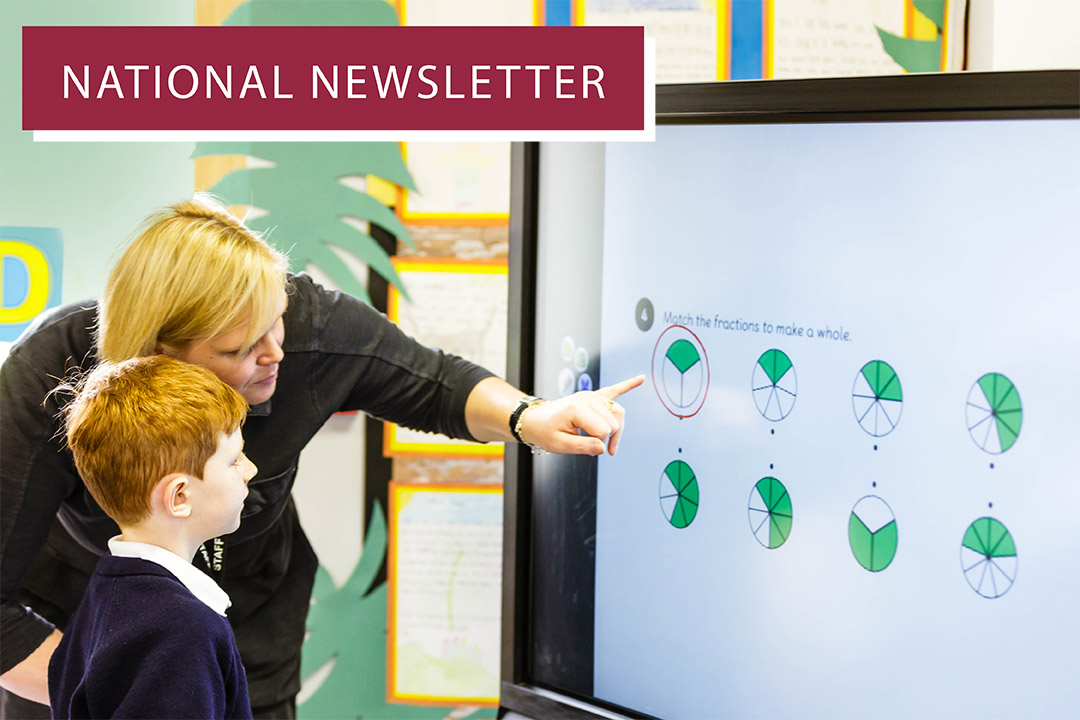
Our November Newsletter came out earlier: new lead schools sought for two Maths Hubs, research and innovation in Maths Hubs, Mastery Specialists in GCSE Resit and Functional Skills, and more https://t.co/WzlYYs8zHo
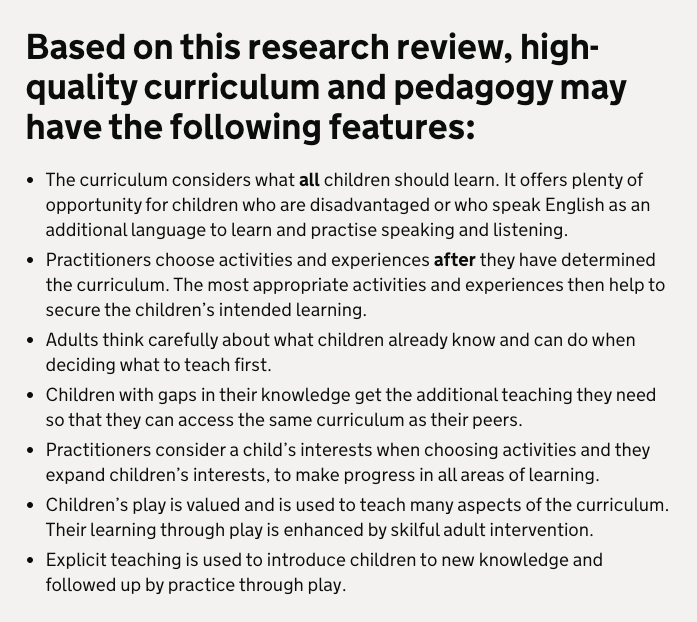
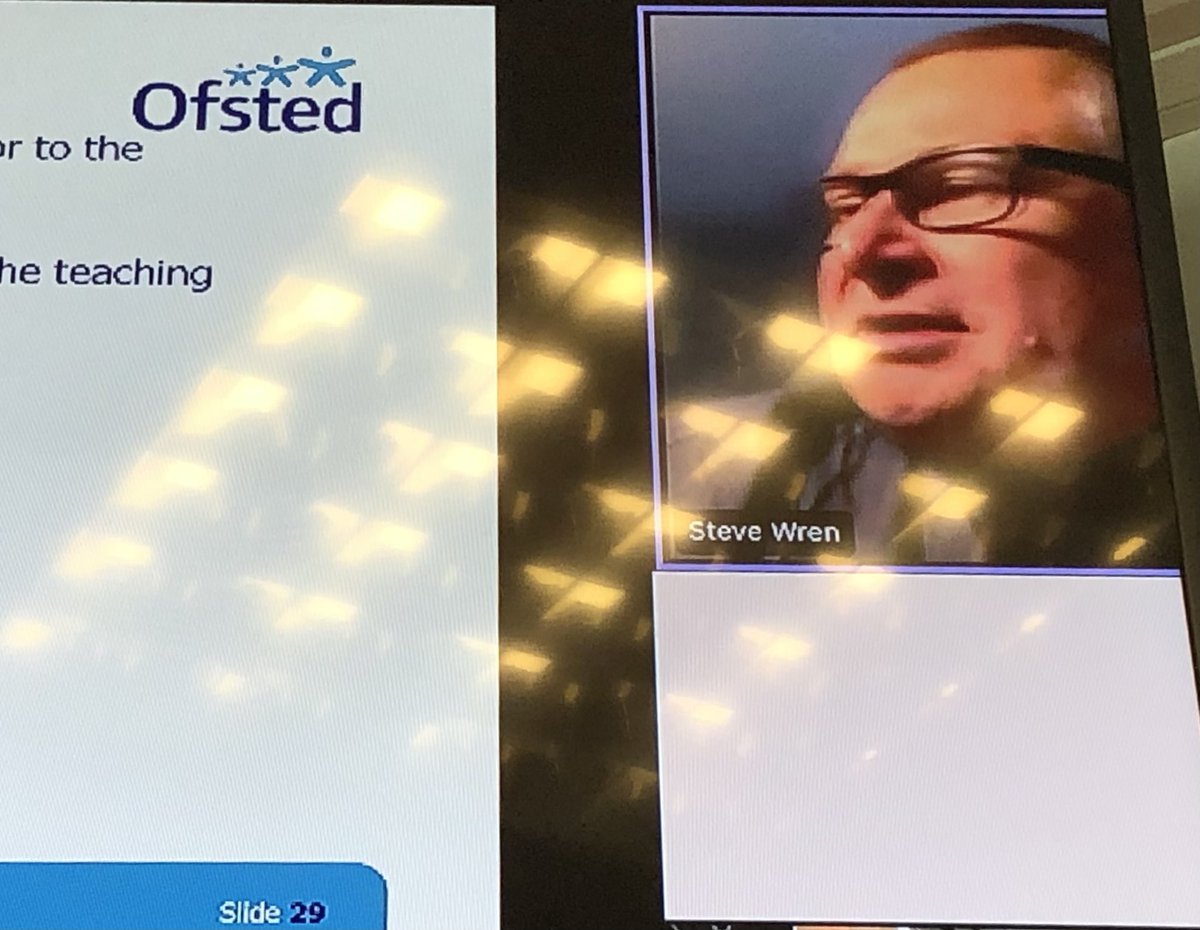
"Explicit teaching is used to introduce children to new knowledge and followed up by practice through play."
@Ofstednews' review of effective teaching and curriculum in EYFS is well worth a read...
https://t.co/c0jK9mZz52
The Astrea Sumdog competition has been going on all week. Intake have been leading the pack the whole competition with 4 classes placing in the top 10!
Class 8 in 10th
Class 7 in 6th
Class 6 in 2nd
But the champions of the whole competition were CLASS 9!! Winners! 🏆🏅🥇@sumdog
I want problem-solving to be for the many, not the few. To that end, here's how I'd break down missing digits addition questions.
The presentation used to make the video is here: https://t.co/VIajFNf7vX
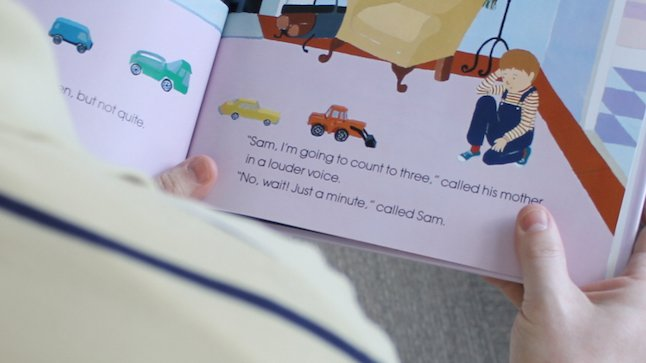
4 Children’s Books that Explore Measurement Concepts
"Young children need opportunities to think through math and measurement concepts in everyday situations."
https://t.co/vyRaRYhP28
#kinderchat#parenting#parents
A far more accessible problem than the one I shared yesterday…
What’s the only 4-digit number that when multipled by 9 is the reverse of its digits?
No spoilers for other amounts of digits with this property please…it’s a lovely investigation…go try it.
Don’t teach new topics blind! Find out first what students already understand, and where there are gaps. Our Checkpoints for Year 7 teaching are designed for just this purpose https://t.co/19xG9ETzws #NCETMCheckpoints
From an early age, children notice & appreciate patterns in the world around them. Patterns & sequences of different kinds begin to pop up all over the place, especially in the BOOKS they love.
4 Fun Books that Explore Math, Patterns, and Sequences
https://t.co/lP06KHuxwx
Are you going to be the maths lead in your primary school from September? We’ve spoken to old hands around the country and come up with ten tips for making the most of the role https://t.co/rj5y1wBG1J
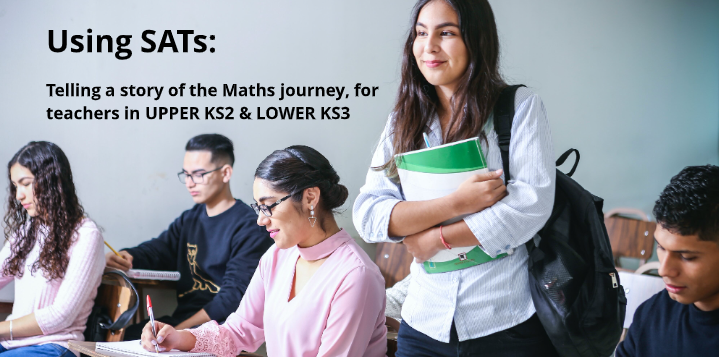
📢You are invited to join a FREE session on the 7th of July, designed to prompt the use of summative assessment in a more formative way. For teachers in Upper KS2 and Lower KS3, HOD or Maths Leaders, find out more and book your place: https://t.co/GOjnrG4Cag
@NCETM@Mathshubs
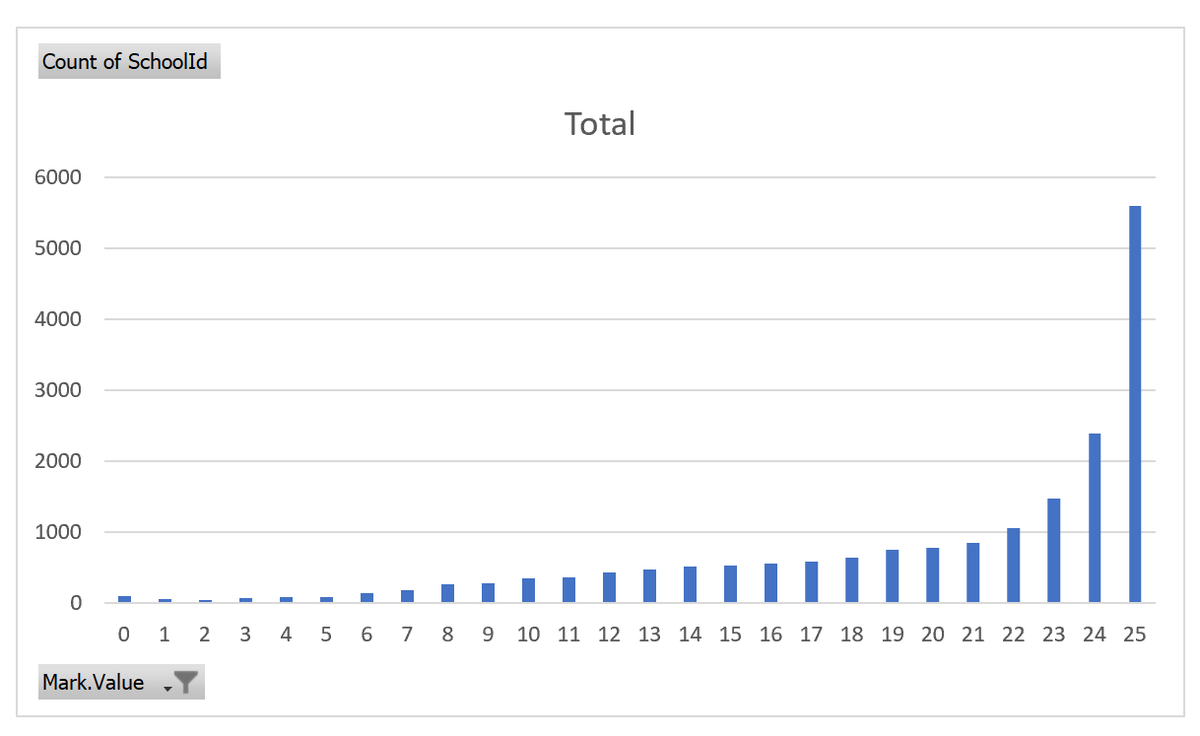
Analysis of 2022 MTC scores (based on results of 18,683 pupils):
Mean score = 20/25
30% of pupils achieve full marks (25/25 = mode)
Score of 15/20 or lower places pupil in lowest quintile
I See Problem-Solving - Y2 OUT NOW: https://t.co/PTkveyPEYA
Coherently builds the PS skills so ALL children are supported & challenged. 130 tasks organised into 28 task families, all with supporting build-up tasks. Took 3 years for me to perfect! Loved every second...
I See Problem-Solving - Y2 OUT NOW: https://t.co/PTkveyPEYA
Coherently builds the PS skills so ALL children are supported & challenged. 130 tasks organised into 28 task families, all with supporting build-up tasks. Took 3 years for me to perfect! Loved every second...