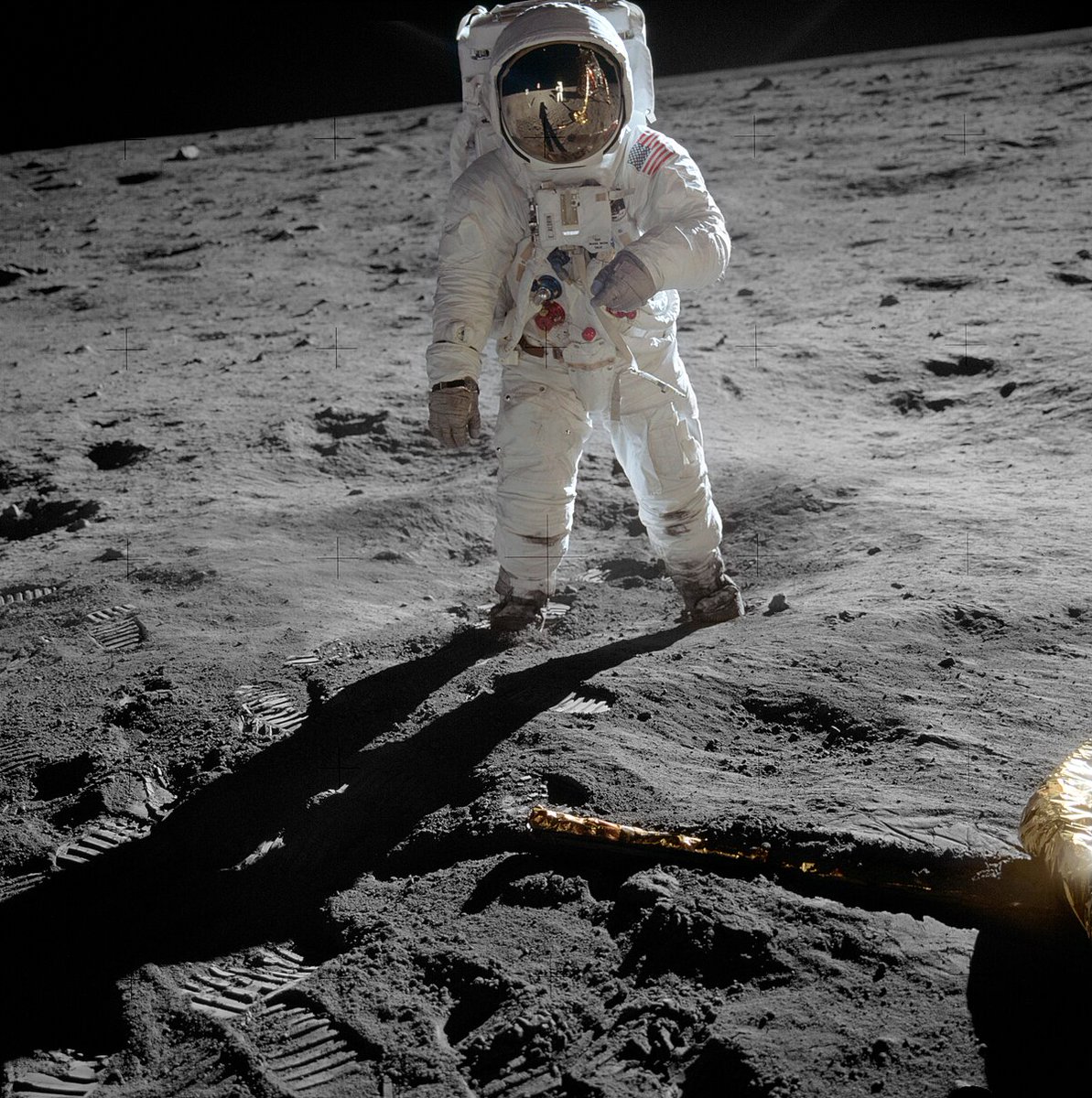
20 July, 1969: Apollo 11 landed on the Moon. Neil Armstrong and Buzz Aldrin walked on the surface while Michael Collins stayed in orbit. 56 years later, it stands as a defining moment in space history.
#Apollo11#MoonLanding#Astronz
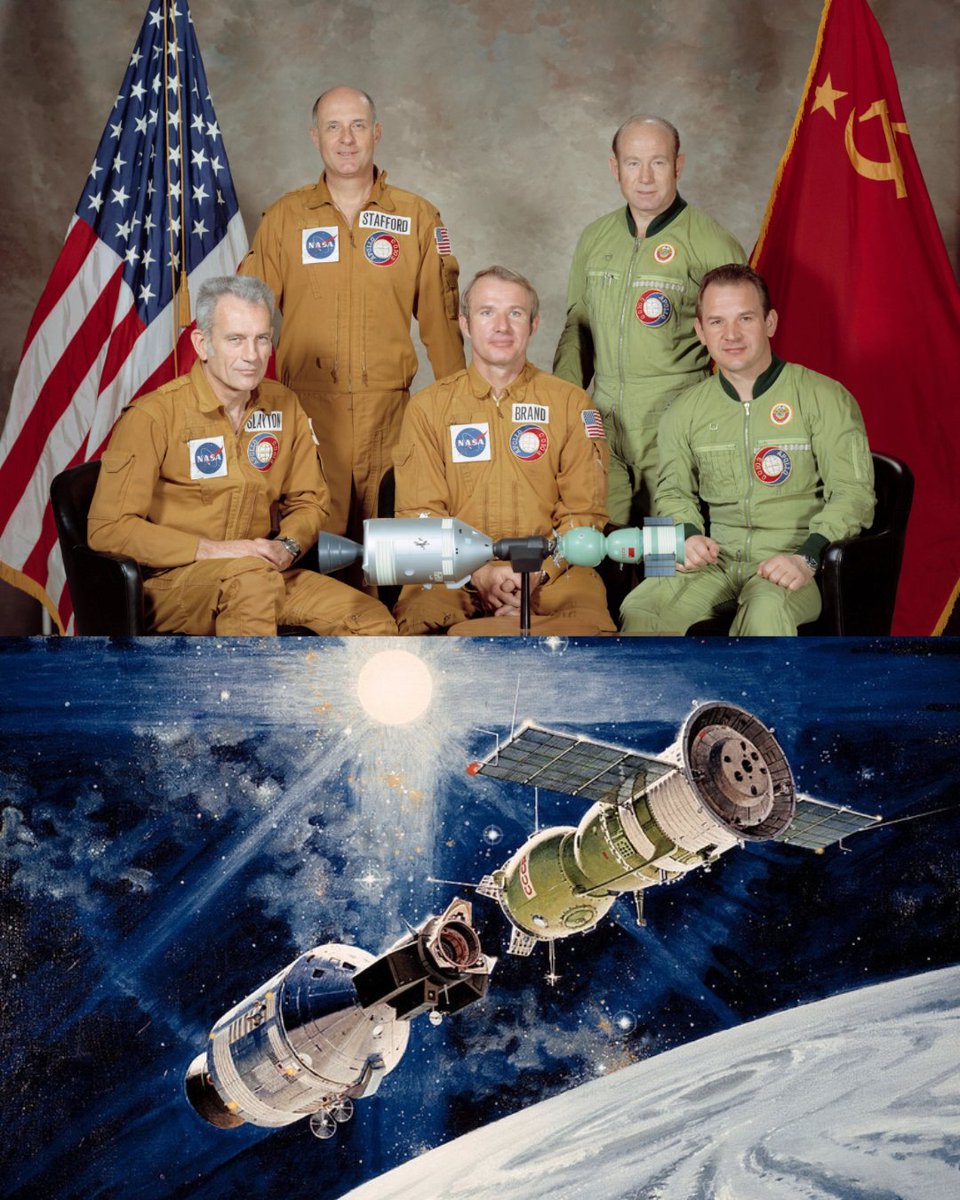
On 17 July 1975, Apollo and Soyuz docked in orbit during the first joint U.S.–Soviet space mission. Apollo-Soyuz marked a turning point in Cold War space cooperation and paved the way for future partnerships.
#ApolloSoyuz#SpaceHistory#Astronz
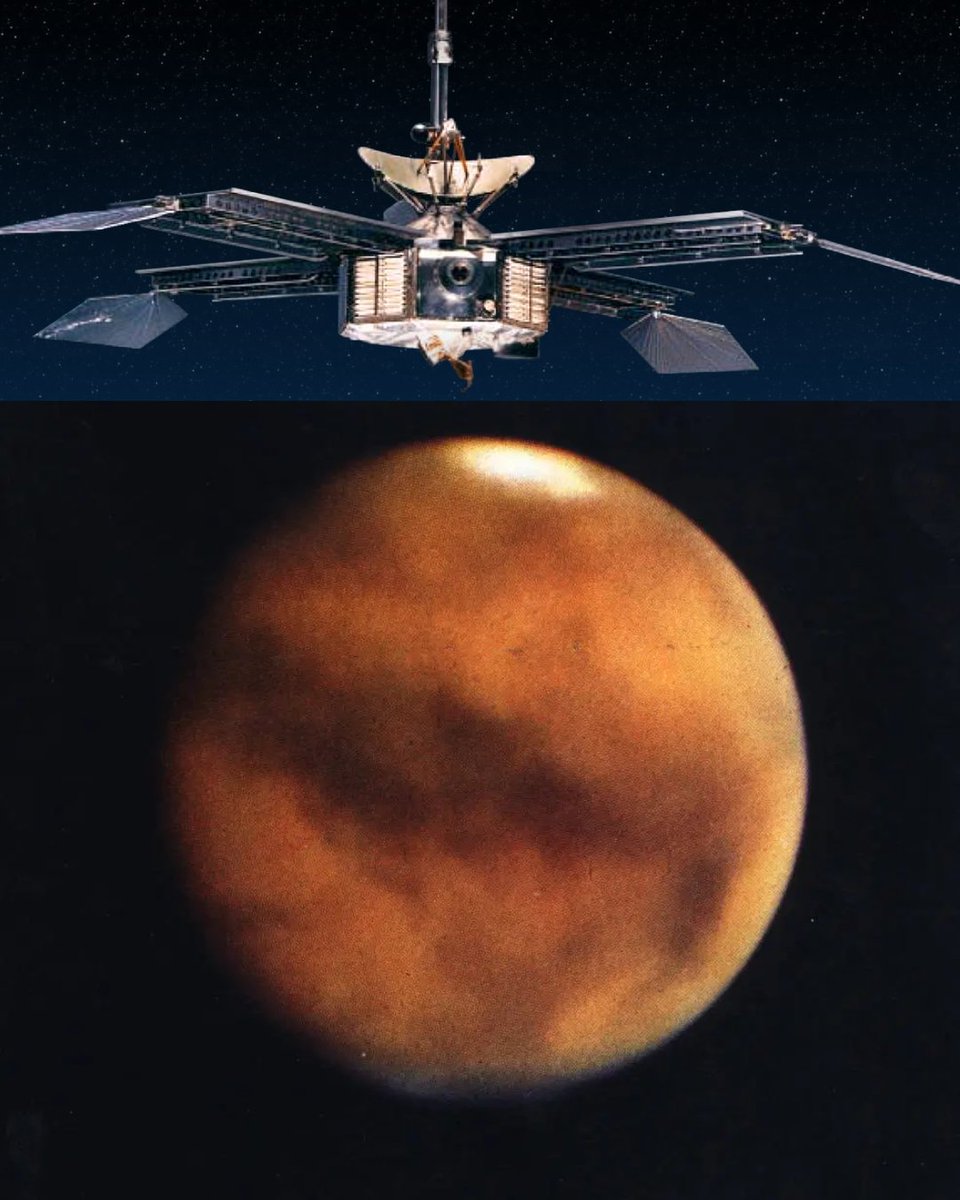
60 years ago, on 14th July, 1965, Mariner 4 flew past Mars and returned the first close-up images of another planet. The photos revealed a cratered surface and reshaped our understanding of Mars.
#Mariner4#Mars#Astronz#SpaceHistory
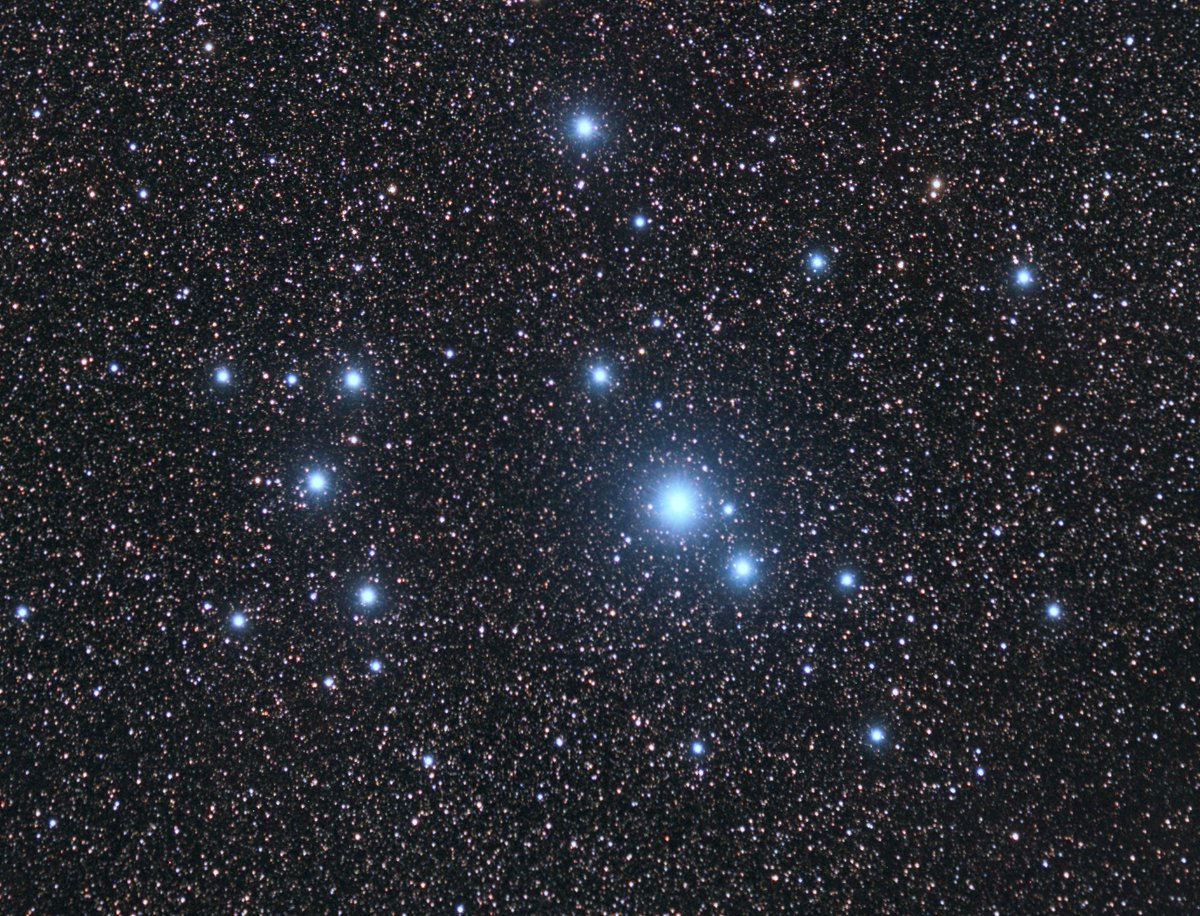
Pleiades vs Southern Pleiades
M45 (Taurus): ~440 ly, dense, with reflection nebulosity.
IC 2602 (Carina): ~480 ly, looser, no nebulosity.
Both are open clusters of young blue stars, best seen in their respective hemispheres.
#Astronz#Pleiades#IC2602
IC 2602 is an open star cluster about 480 light-years away in the constellation Carina. Often called the Southern Pleiades, it resembles the famous M45 cluster in Taurus but is looser and lacks surrounding nebulosity.
This Hubble image shows the dense core of NGC 2808, a massive globular cluster in Carina. It contains over a million stars and shows signs of multiple stellar populations. About 30,000 light-years from Earth.
#NGC2808#Astronomy#Hubble#AstronzObjectOfTheWeek
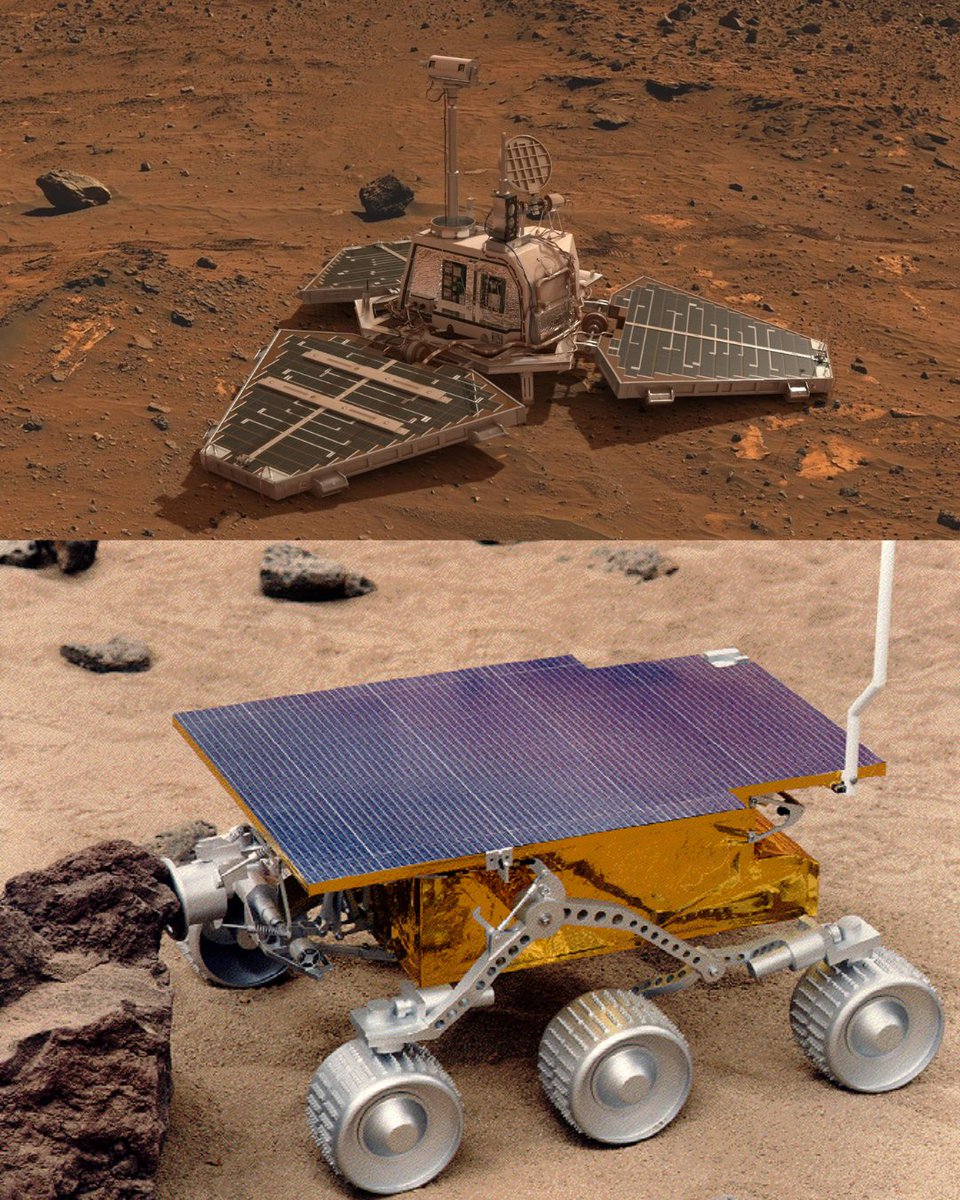
28 Years Since Pathfinder Landed on Mars
On 4th July 1997, Pathfinder landed on Mars and deployed the Sojourner rover. It operated for 83 days, far longer than planned, and paved the way for future Mars missions. Its legacy continues to influence planetary exploration.
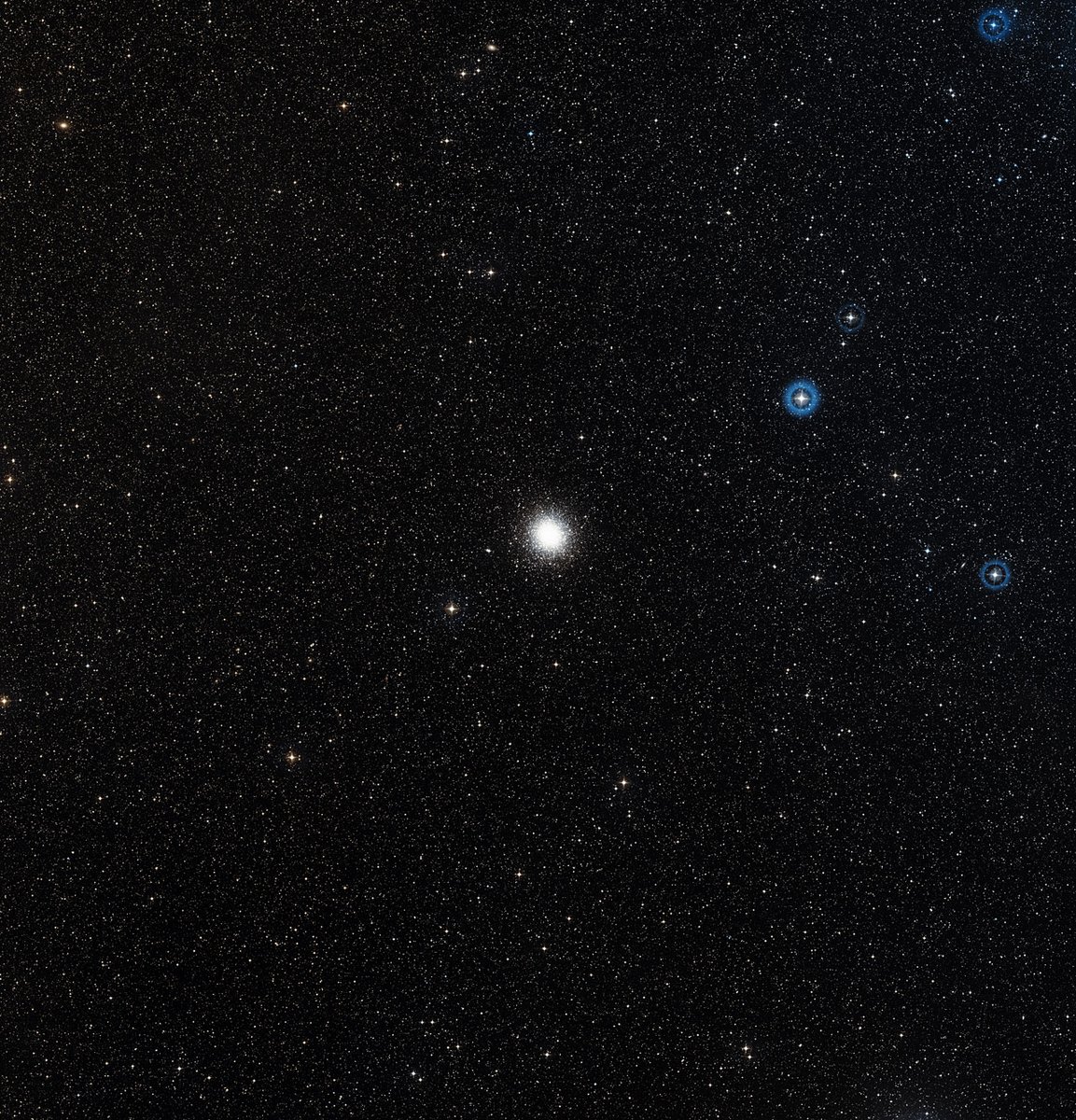
This wide-field image from the Digitized Sky Survey shows NGC 2808 in its stellar environment. The field of view spans 2.7 by 2.8 degrees, revealing the dense star field of the Milky Way in the constellation Carina.
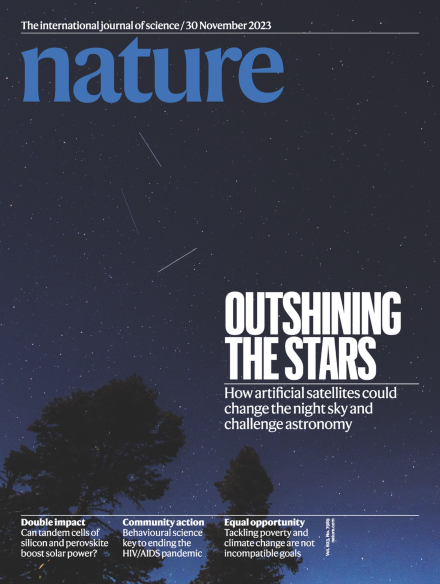
Our @IAU_CPS paper on observations of the #BlueWalker3 prototype satellite is finally out in the latest print edition of @Nature, accompanied by a News & Views piece by @sundogplanets.
https://t.co/KzmtoKkio5
Under One Sky 2023, DarkSky's global conference on preserving nighttime environments and fighting the growing threat of light pollution, was a huge successes. Thank you to all those who participated!
If you attended–share your thoughts! We'd love to hear about your experience.
There's an annular eclipse of the Sun tomorrow. The path of annularity crosses Oregon, northern Nevada, Utah, New Mexico, west-central and south Texas, Central America, Colombia, and Brazil. A partial solar eclipse will be seen over a much wider area.
https://t.co/4FUcKE3Oep
On Oct. 11 at 11am ET, @NASA unveils the #OSIRISREx asteroid sample to the world at @NASA_Johnson!
Don't miss the action. Set a reminder to learn the results from an initial analysis of the 4.5 billion-year-old material: https://t.co/I0HEXmGxW9
The IAU Centre for the Protection of the Dark and Quiet Sky from Satellite Constellation Interference (CPS) launched SatCons 101, a new educational curriculum for learning about the design of large satellite constellations and their impact on astronomy.
https://t.co/mOk1EjGycH
Register now for Under One Sky 2023! Join us, November 3–4, for this 24-hour global experience. Hear from experts and storytellers in the dark sky movement and learn about hands-on activities and tools that you can use to protect the night! https://t.co/Q819IzVvm0
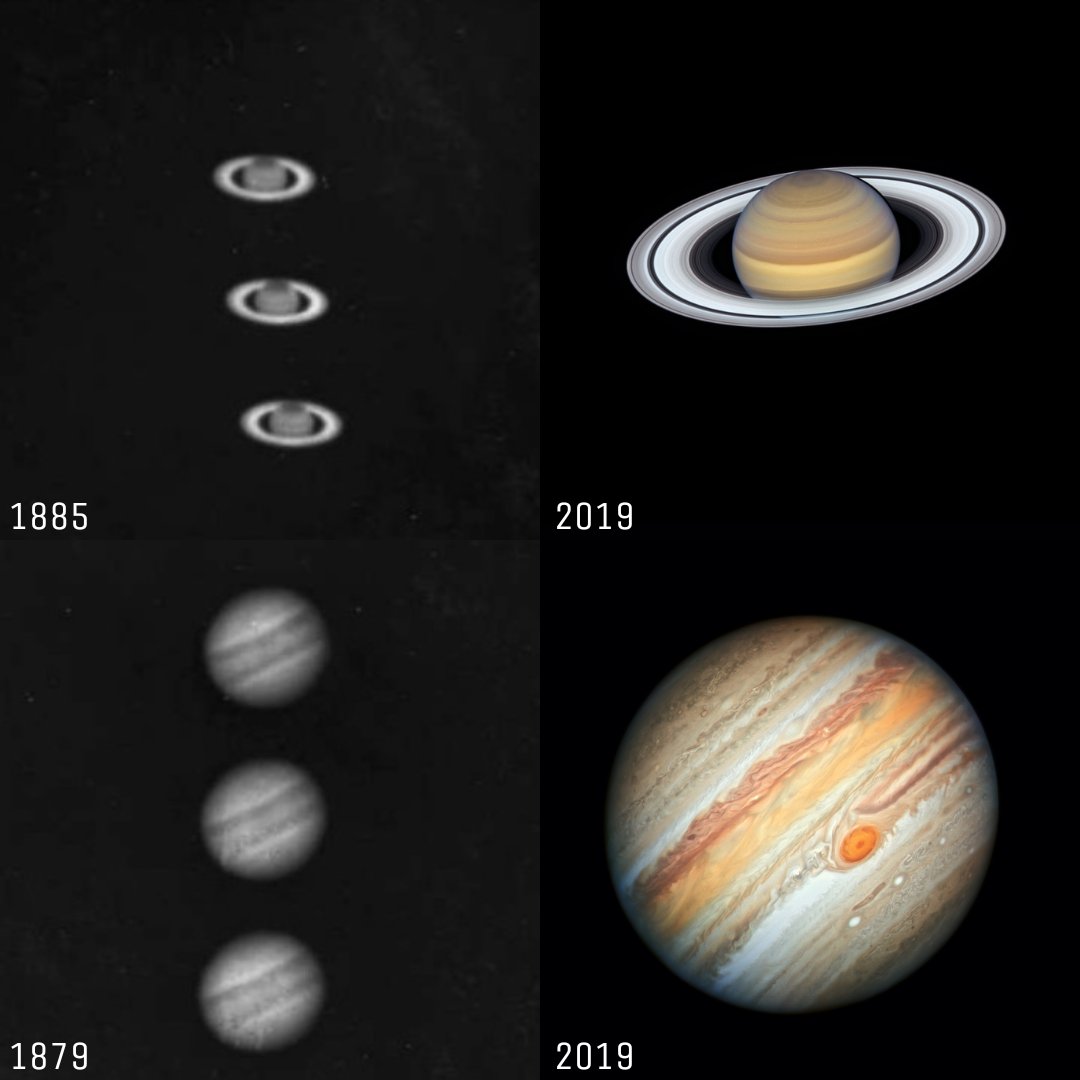
🌌📸 A remarkable journey through time: from the first images of Saturn captured by the Henry brothers in the 1885 and the first image of Jupiter by Agnes Mary Clerk, to the stunning 2019 Hubble shots of these gas giants! 🪐💫
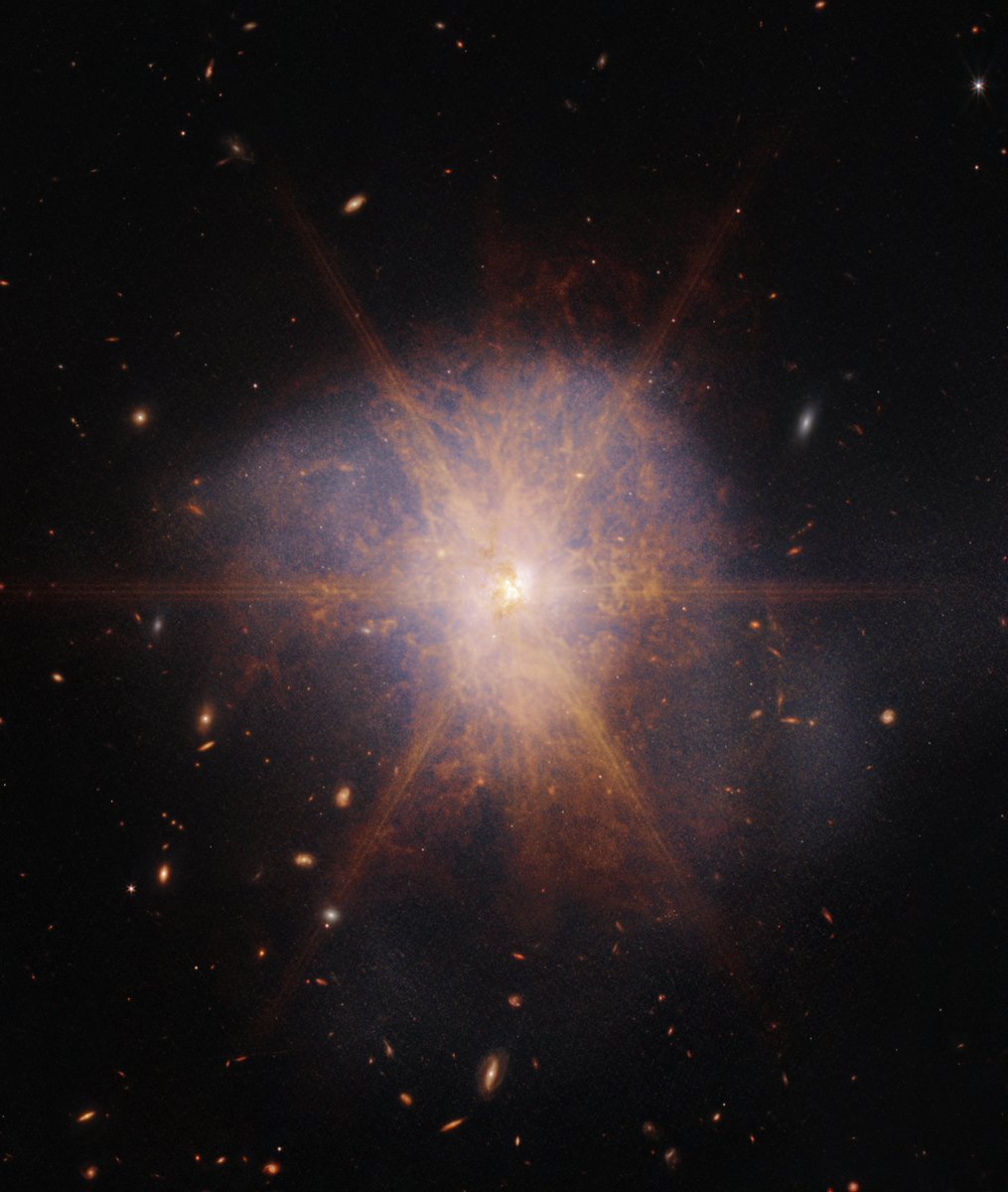
📷📷 Arp 220, a breathtaking cosmic spectacle, captured by NASA's James Webb Space Telescope! This shining gem is actually two spiral galaxies in the process of merging, emitting a dazzling infrared glow. 📷📷
#JamesWebbSpaceTelescope#NASA#SpaceExploration