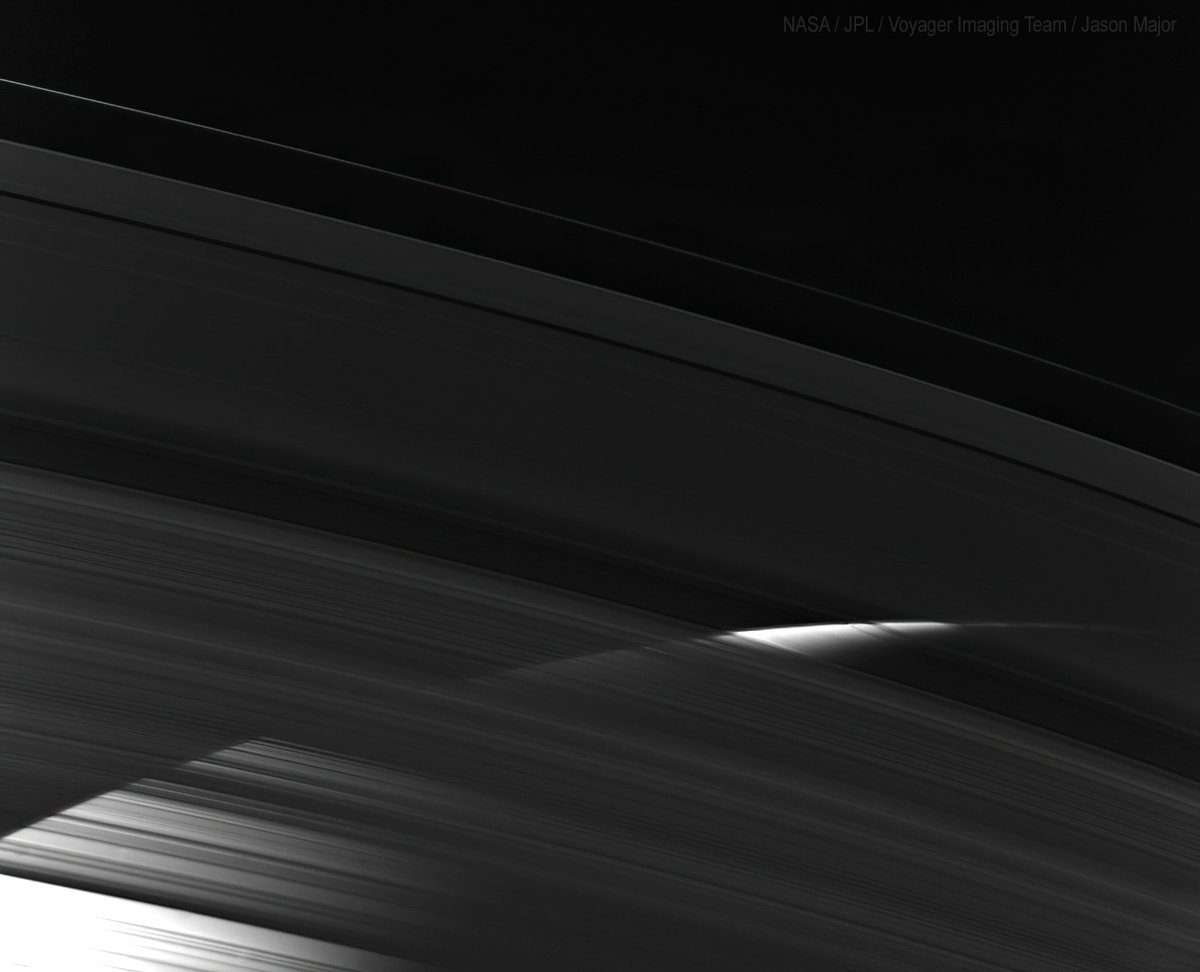
A view of Saturn's sunlit limb seen through its shadowed rings, made from data captured with the Imaging Science Subsystem aboard NASA's Voyager 1 on November 16, 1980.
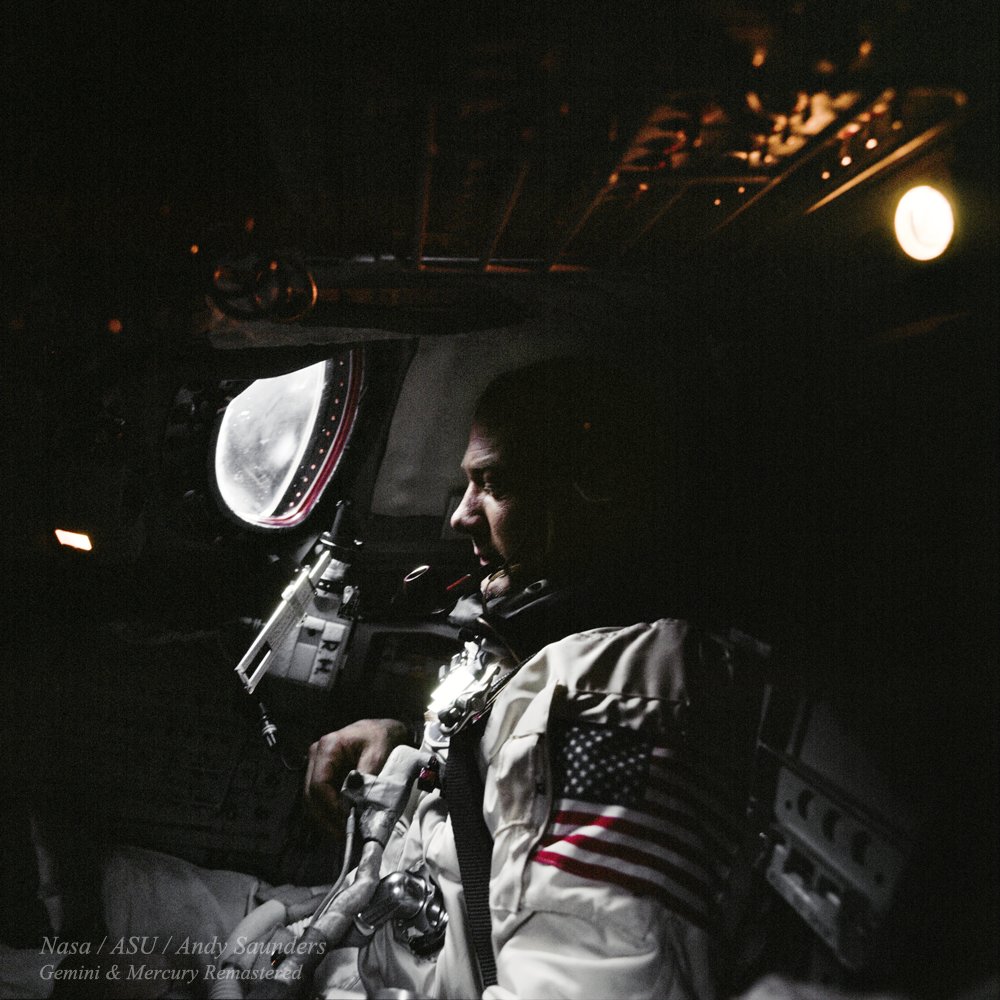
Hard to top the sheer aura of Buzz Aldrin chilling with a pipe in orbit while a slide rule floats by.
Taken by Jim Lovell 60 years ago TODAY during NASA’s Gemini XII mission (14th Nov 1966).
60 years ago today, the "first space selfie" was taken.
Buzz Aldrin took the picture during his first stand-up spacewalk of Gemini XII, and, after photographing landmarks on Earth. “Okay, tell everybody down there to smile,” Aldrin said, snapping away.
A comparison of our time lapse shots of a small aurora and a night orbit to real time footage that isn’t sped up. Though it looks a lot slower, we are really going fast. 17500 mph fast.
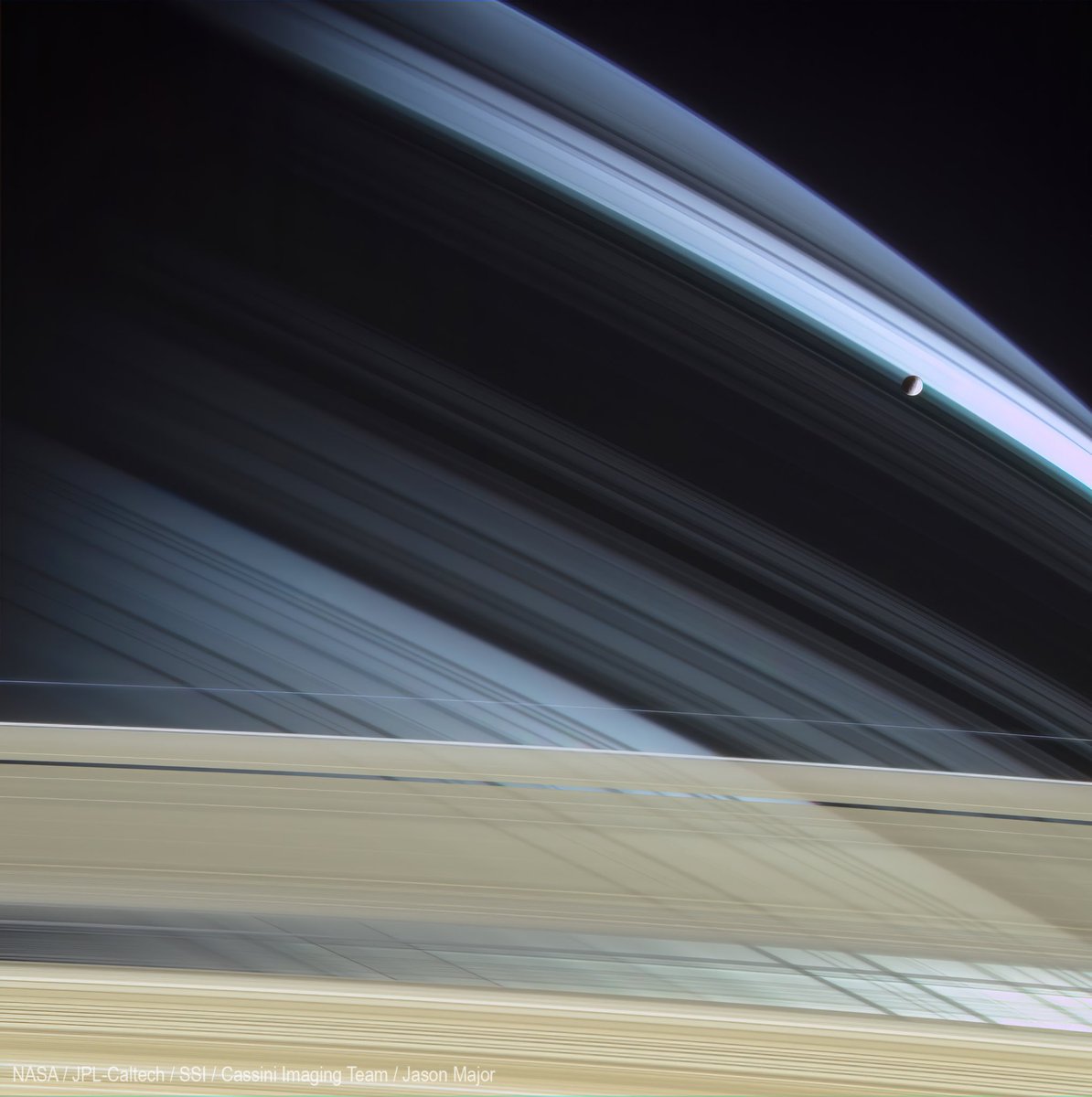
Mimas in front of Saturn, captured with Cassini by the Cassini Imaging Team 22 years ago today on November 7, 2004. The dark bands are the shadows of Saturn's rings on the planet's northern hemisphere, which had a blue tint during its late winter season.
Auroras pulsing intensely through this orbital timelapse. Natural light shows! If you look closely, wisps of the higher altitude red auroras briefly appear within the sea of green before fading away, like sprites from a thunderstorm. Watching them never gets old!
Curiosity didn’t kill the cat, it helped NASA capture it 🐱
@NASAHubble & @NASAWebb peeked at the Cat’s Head Nebula. Despite its demure appearance, the star-forming region was shaped by shockwaves from nearby stars in the Carina Nebula.
See the pictures: https://t.co/WsFmyR2RLT
NASA says the Swift Observatory reentered at 7:39 am EST this morning (Nov 4) "over the North Sumatra region of Indonesia, at approximately 3.4 degrees north latitude and 98.6 degrees east longitude." https://t.co/Ud0mjhuiaU
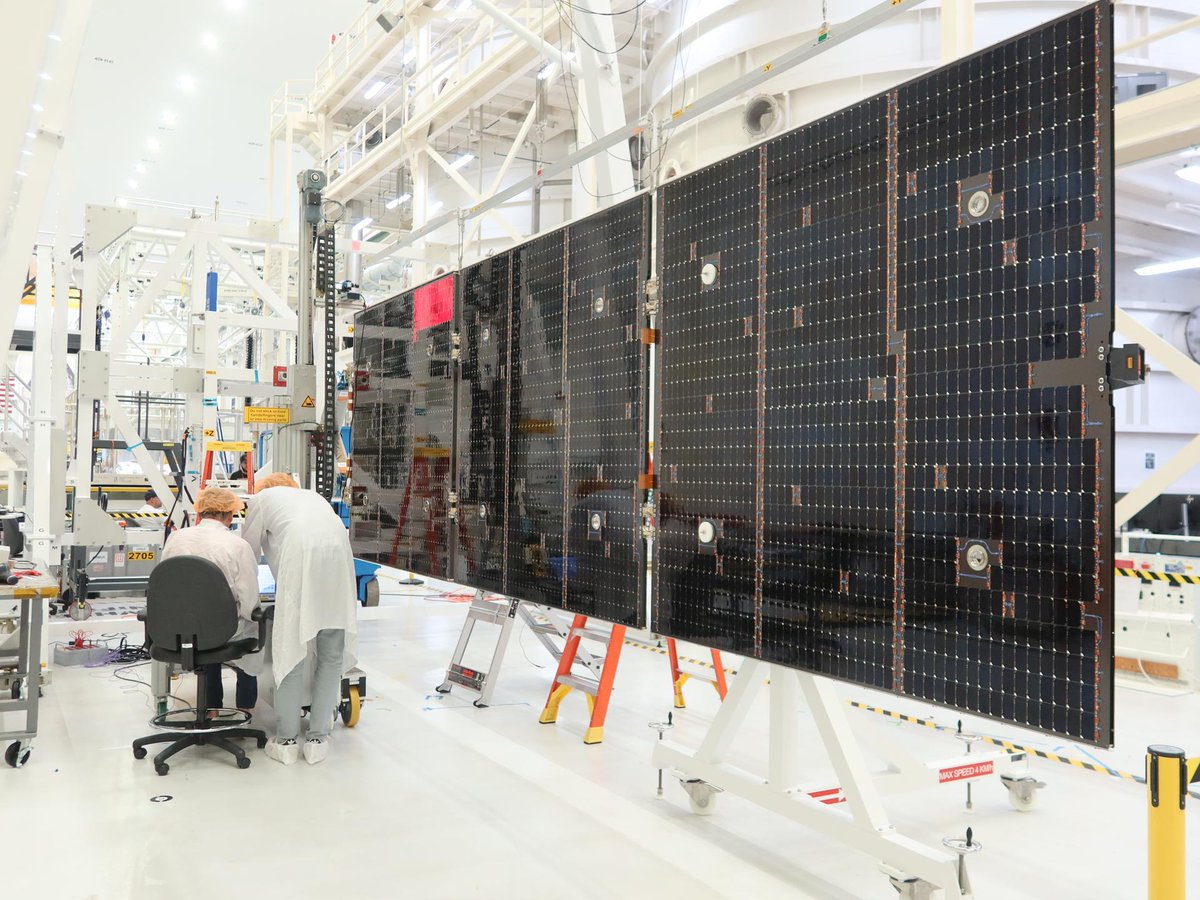
Seen through the Japanese module window: The newly installed solar arrays are rollin’ as they provide 45% more power than previously. We are using that power to perform science, manufacture pharmaceuticals, and pave the way to the moon and, eventually, Mars.
Here's Saturn's second-largest moon Rhea peeking from beyond the limb (and through the upper atmosphere) of larger moon Titan, imaged by Cassini on October 27, 2009. #OTD Color data applied from lower-resolution observations taken a couple weeks earlier.
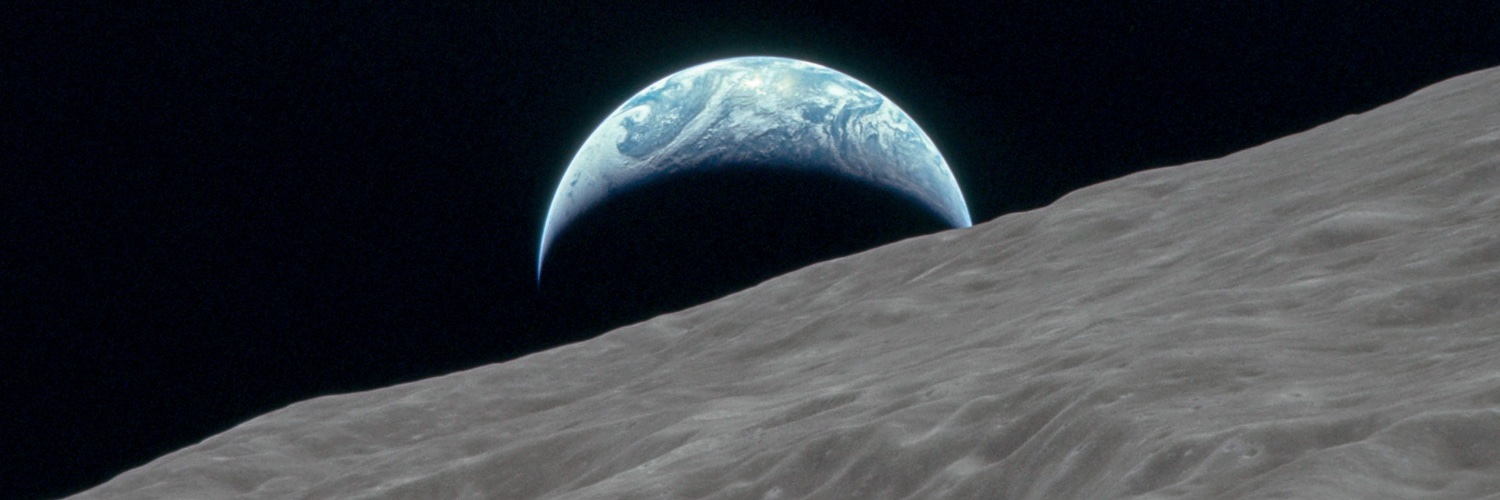
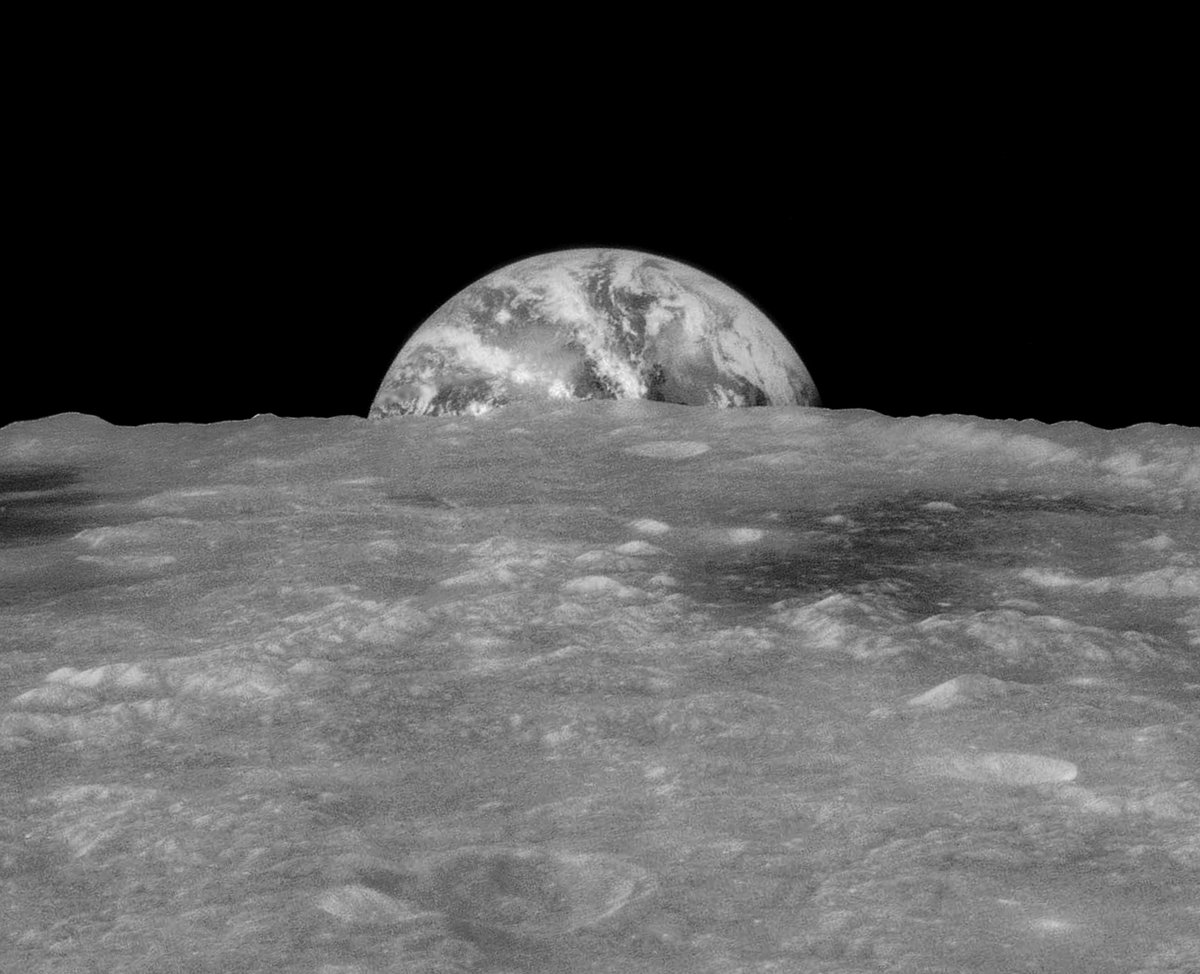
A photo of Earth "setting" beyond the Moon's horizon captured on large-format film by the Soviet Zond-8 spacecraft during a lunar fly-around on October 24, 1970
On its way to Jupiter, the European JUICE mission recently flew by the Earth & Moon, viewing them as we would explore another planetary system.
It's fun to step back and think how strange we'd seem if studied up close for the first time.
https://t.co/rMiWRScPoX
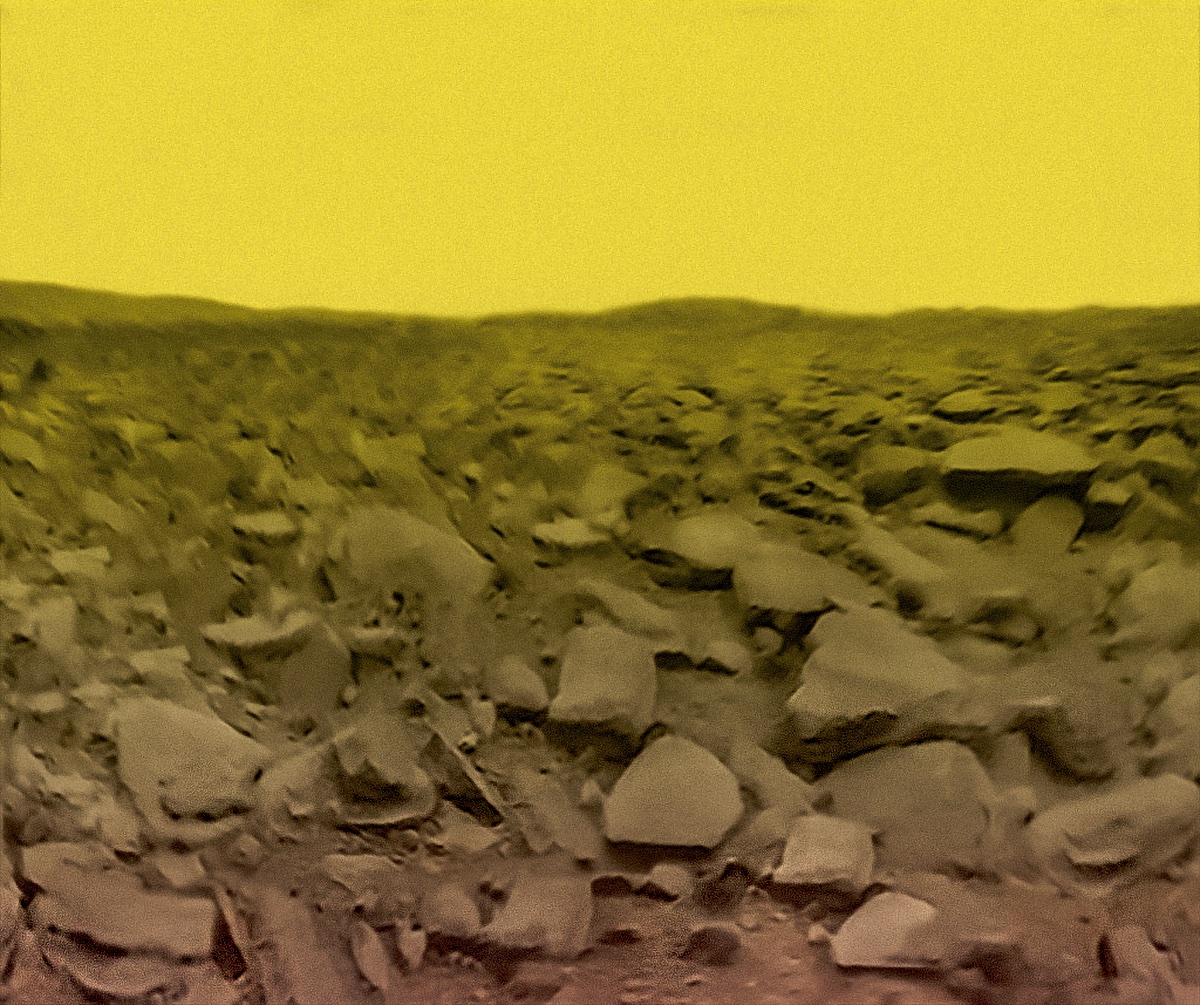
A view of the 890ºF surface of Venus. This is a view made from monochrome image data captured by the Soviet Venera 9 lander on October 22, 1975, reprojected to a flat horizon format by @tsplanets with color added using data from later Venera images processed by @DonaldM38768041
The surface of Venus imaged by the Soviet Venera-14 lander on March 5, 1982. This is my edit of remapped image data by @DonaldM38768041 with color added. Atmospheric temperature at the site: 465 °C (869 °F).
See more of Don's Venus image work at https://t.co/eEaMitJyQq
Artemis III progress! 🚀
The rocket boosters have been stacked. Teams are inspecting the solar arrays and testing the spacecraft. The crew is continuing training for their upcoming mission to test lunar landers in low Earth orbit.
All this and more has Artemis III on track for launch in 2027: https://t.co/iAfuuY48xS
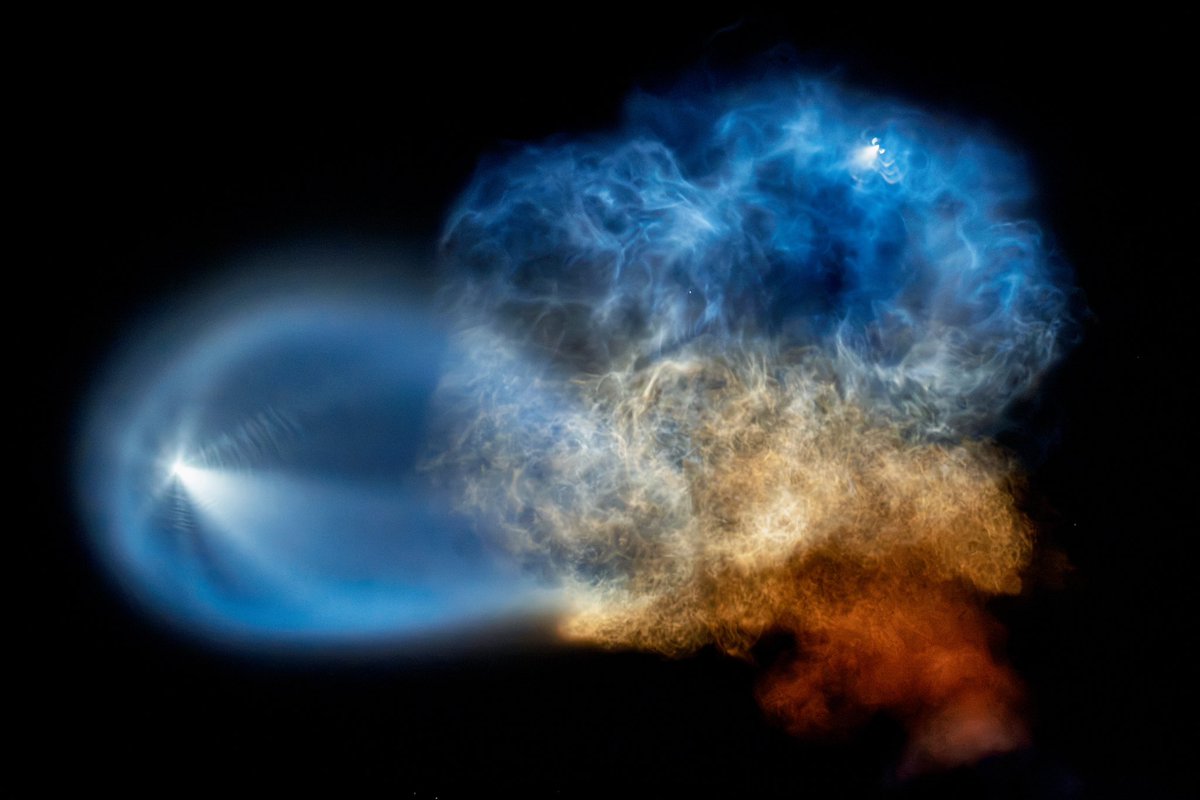
SpaceX CRS-35 this morning. Falcon 9 out of Cape Canaveral, 6:33am. Shot from Tampa, 140 miles from the pad, in twilight.
The elusive space jellyfish. When the rocket is already up in sunlight while the ground is still dark. In this case a Falcon 9 First stage boosts back toward LZ-40 and the Second stage keeps climbing toward the ISS. Both burns dump vapor and exhaust into really thin air, it freezes and spreads, and the rising sun lights that cloud from below. You’re standing in shadow looking at something that’s already in sunrise. Scientific Magic.
That’s why you get the blue bell and the gold and red tentacles, rising into sunrise. Same idea as noctilucent clouds too… ice crystals form high enough to catch the sun at night except these aren’t the polar night-shining clouds though. This is rocket exhaust in the upper atmosphere. What is amazing is that it can hang there for a while and look completely wrong, like something that doesn’t belong. People who don’t know think it’s an alien invasion but it’s just a Falcon 9 launching and landing.
Besides the rocket nebula shots, these orbital sunrise frames are the ones I chase the most. If you’re going to shoot a dawn launch from Florida, get somewhere with a clean eastern sky and expose for the plume, not the rocket. The sky around you is still night. The show is sunrise in space.
Photo Credit: me
Many of you are talking about the “space jellyfish” following this morning’s launch from Space Launch Complex 40 at Cape Canaveral Space Force Station in Florida.
More than 6,300 scientific investigations and cargo are on their way to the @Space_Station, as part of SpaceX's 35th commercial resupply services mission for NASA.
A jellyfish happens near sunrise or sunset when the exhaust plume from the rocket becomes brightly illuminated, creating a glowing shape resembling a jellyfish.
Show us where you captured the jellyfish?