Nine years already 🎉🥳
Nine years ago, I became Executive Director of @aphrc with a full head of dark hair (that’s not my real hair lol). Today I have a few grey hairs and visibly less hair and nine years of memories!
I began the journey hesitant, a little anxious, facing the daunting task of keeping a great institution afloat. Nine years on, and a few kilos heavier, the anxiety and trepidation are gone. In their place? The sense that we are unstoppable!.
📢🥁🔊🎉The latest #IamAPHRC newsletter is out!
This edition features stories of collaboration and innovation from across the continent, showing what we can do when stakeholders come together.
📖 Read the latest APHRC newsletter: https://t.co/GUGV1FTHua
#Collaborations
#IamAPHRC is seeking an Education and Technology Researcher to contribute to research on the responsible use and scaling of AI and other digital technologies in African basic education.
🔗Apply here: https://t.co/KxPwXeeUzu
📍 Location: Nairobi, Kenya
#Ikokazi#APHRCJobs
#IamAPHRC hosted Prof. Dr. @r_sauerborn and Dr. @sandrabarteit from the Heidelberg Institute of Global Health (HIGH), alongside Prof. Iwuji Collins of the APCC African Cohort Consortium, for a conversation on potential areas of collaboration.
#IamAPHRC#WeAreAfrica
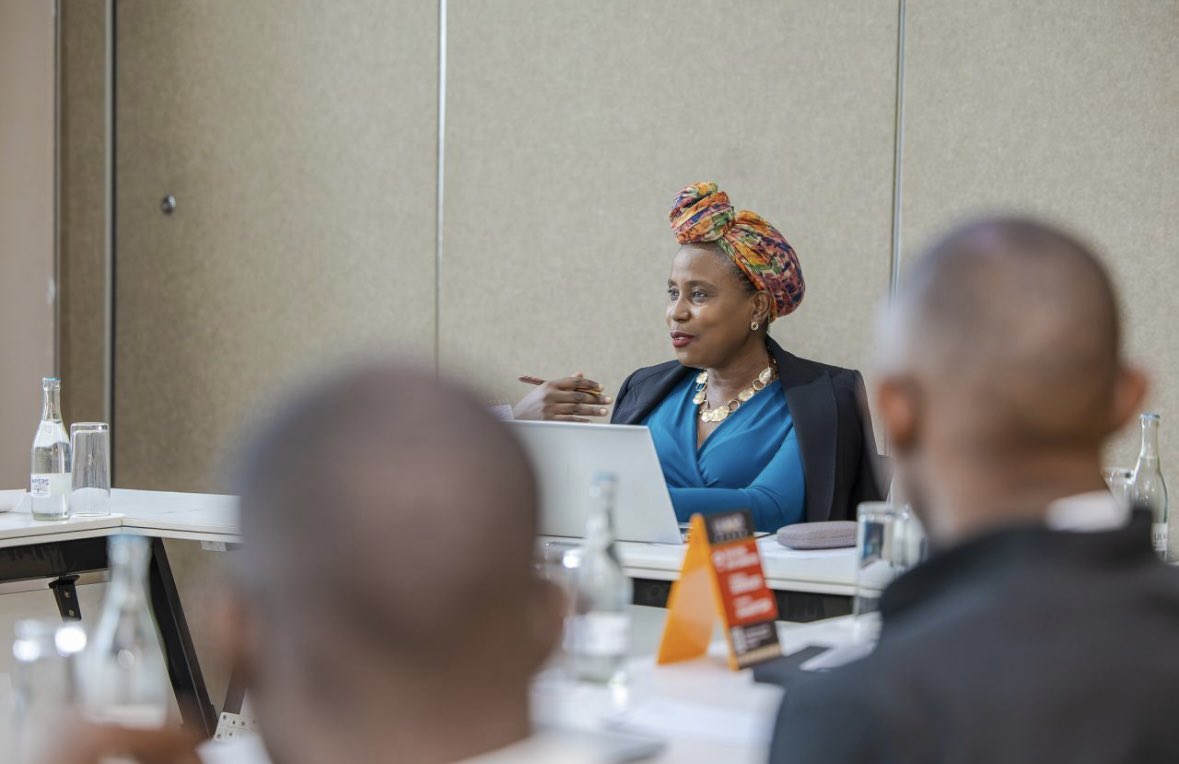
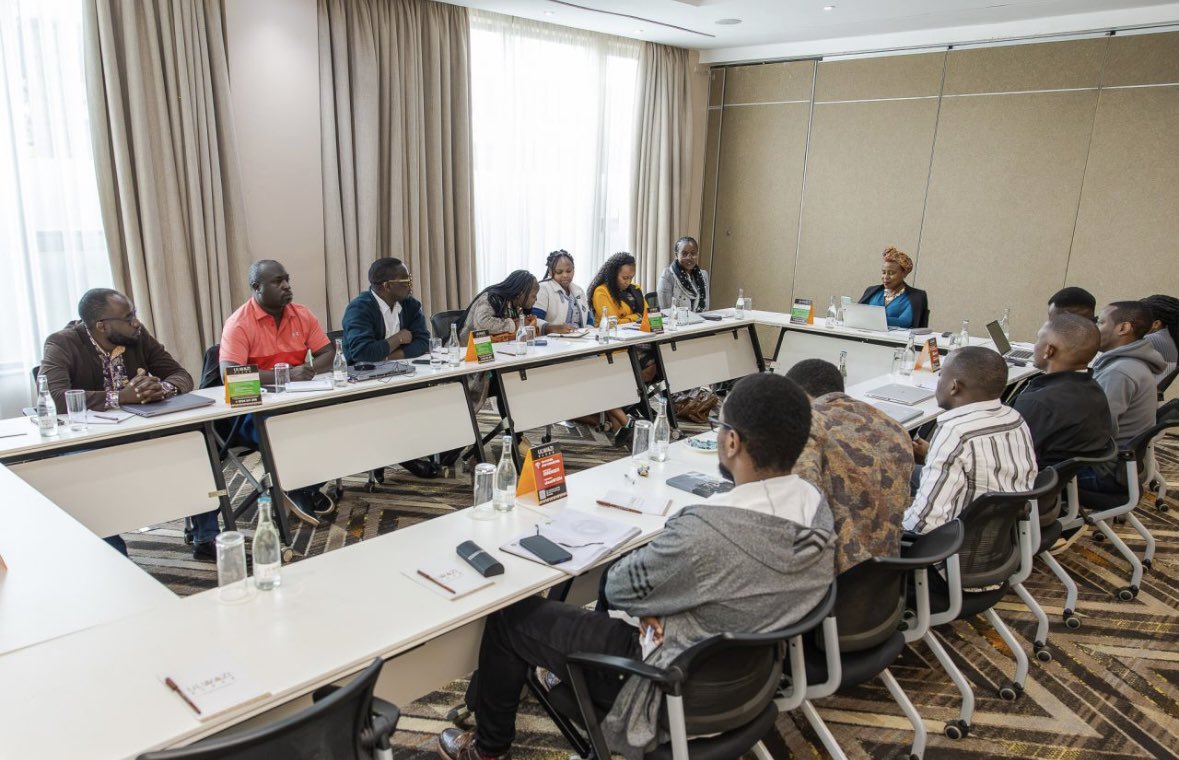
One of my favourite parts of the job…? Meeting our new staff during orientation and welcoming them into the APHRC family.
This week I had the privilege of sitting down with our newest team members to share our journey, what drives our work, what is takes to thrive at the Center and the role each person plays in advancing APHRC's mission. What's special about this group is that most either joined as interns or as temporary staff and have now been issued with regular contracts, with the exception of two.
To our new colleagues: Welcome. I'm excited to see the fresh insights, energy and ideas you'll bring to the Center.
#IamAPHRC #WeAreAfrica #APHRCResearch
We recently asked some of our staff to take us back to their first days at the Center and share what stood out when they first joined APHRC.
From first impressions to lasting experiences, hear what they had to say. 🎥
#IamAPHRC#WeAreAfrica#APHRCResearch
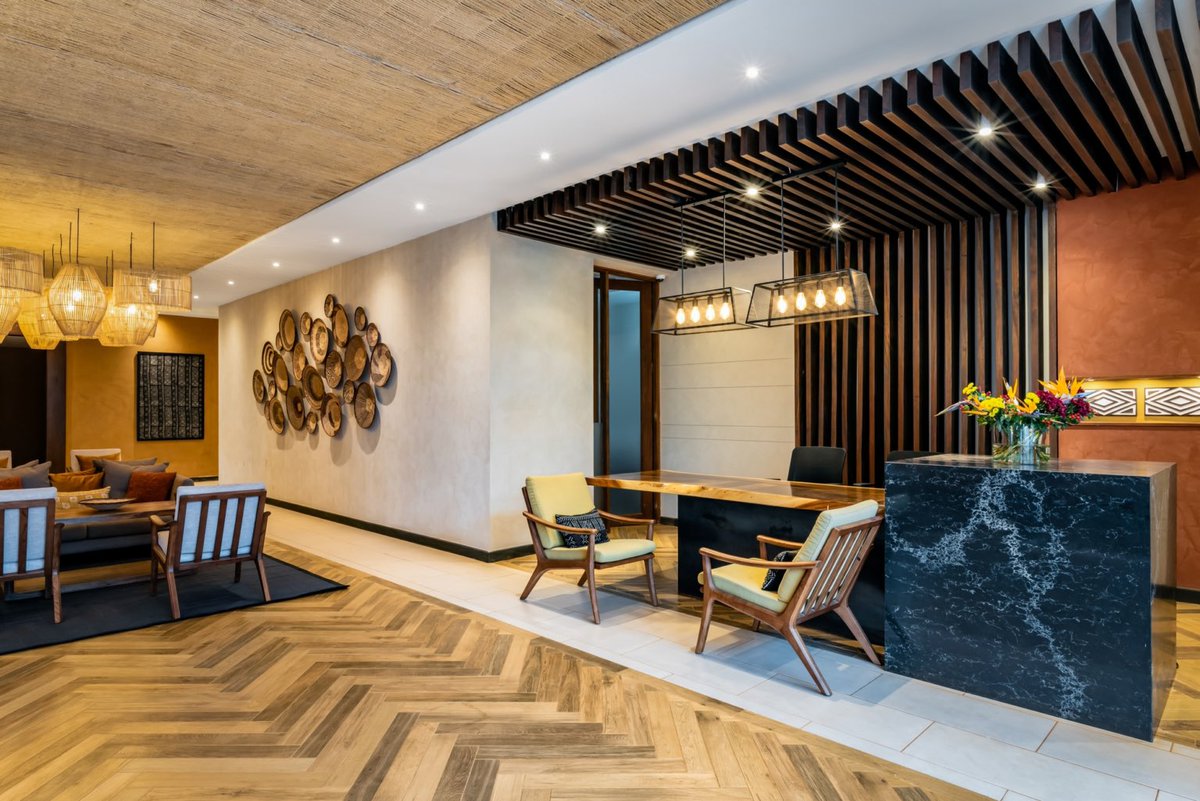
Ulwazi Place is what happens when a hotel is designed to remind people why they're doing the work, not just where they're sleeping.
Built by the African Population and Health Research Center, Ulwazi (Zulu for "knowledge") serves as APHRC's training center and guest hotel in Nairobi, hosting researchers who fly in from across the continent to study Africa's health and wellbeing. Image Three Sixty Designs built the whole interior around a theme called Tembea Africa, "travel across Africa" in Swahili, so researchers deep in data and policy work still get to feel the continent they're serving every time they walk through a hallway.
Each floor carries one of Africa's four biomes. Savanna floors run in straw, taupe, and sage. Tropics floors go forest green, charcoal, and cedar. Desert floors sit in ochre, saffron, and tan. Coastal floors carry teal, ivory, and turquoise. Nothing generic ties it together, a sisal ceiling handwoven by Kenyan artisans covers the reception lounge, raffia and banana fiber baskets from Rwandan and Ugandan craftsmen line the walls, a hand-stitched cowhide backs the booth seating, and Malian mudcloth shows up on cushions throughout.
This is what an African institution looks like when it refuses to import someone else's aesthetic for its own people. Every material, every pattern, sourced from the region it represents.
If your work ever brings you through Nairobi, Ulwazi Place is worth the stay, not just for the comfort, but for a hotel that actually knows what continent it's on.
Design: Image Three Sixty Designs. Photography: Mutahi Chiira. Location: Nairobi, Kenya.
What happens when adolescents and caregivers struggle to talk about SRHR? The answers are often shaped by culture, gender, trust, and access to information.
Under the CONNECT Project, #IamAPHRC will host a virtual learning session as we unpack new evidence from refugee and host communities in Southwestern and Northern Uganda.
🔎 The session will explore:
• What the baseline and formative research reveals.
• The barriers shaping caregiver–adolescent SRHR conversations.
• How communities helped shape the intervention.
• What the evidence means for policy and programming.
🗓 August 19, 2026
🕒 15:00–17:00 EAT
💻 Virtual
Let’s turn evidence into better conversations and better SRHR outcomes for adolescents.
🔗 Register to join the conversation: https://t.co/HvoIj9ypr1
#IamAPHRC #WeAreAfrica #APHRCResearch
@IDRC_ESARO@ErickMuge1@aiajayi@AfHEA_Africa@CwKabiru@ViolaNyakato@CKyobutungi@amveyange