Blood–brain barrier (BBB) dysfunction is a hallmark of many diseases of the brain, such as Alzheimer disease. This Review in the May issue covers strategies for BBB repair and protection in various diseases and during normal ageing
https://t.co/VELd6jgaSe
https://t.co/1w69Xpn5I3
In a new Science study, researchers report that specific regions dense in cytosine and guanosine dinucleotides are epigenetically modified during inflammation to enable gene expression and that these changes persist during the animal’s lifetime.
The finding has implications for understanding how the genome determines the longevity of memory, which affects tissue fitness.
Learn more in a new #SciencePerspective: https://t.co/VJwEsaHD5W
The Orange Cat Brain Atlas is here. 🧠🐈
Today, we published the first comprehensive cellular map of the orange cat brain. The new atlas reveals a single, specialized neuron responsible for behaviors like staring at walls, knocking objects off tables, and the 3am "zoomies."
Pain may be more than a symptom in breast cancer, a new study says. Nerves that sense pain can release chemicals that help tumors grow and spread.
Read on: https://t.co/jPb0koDYoa
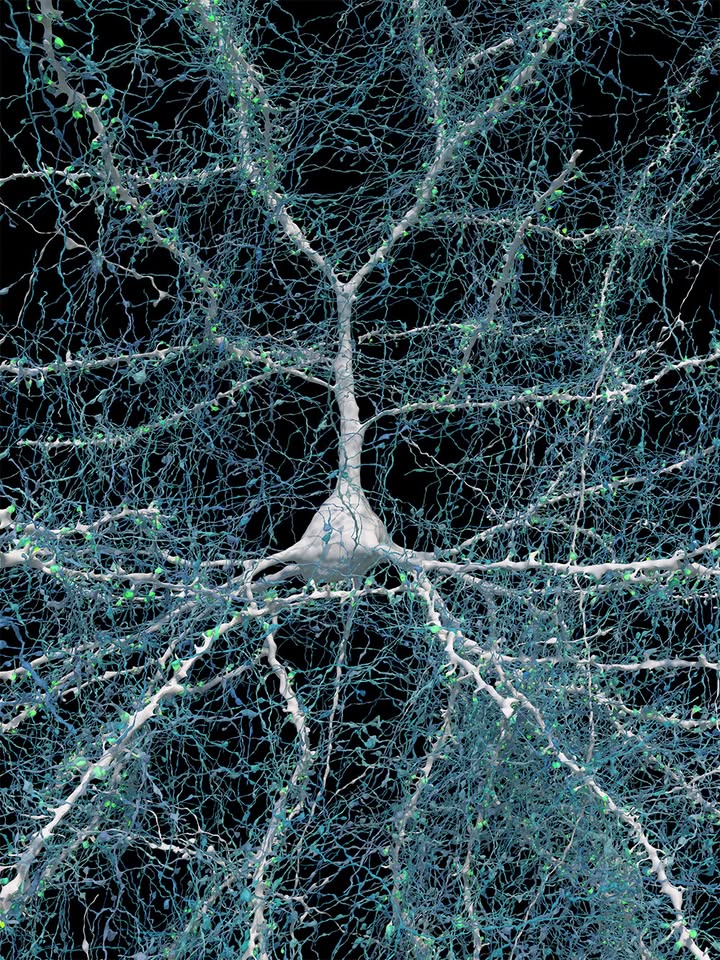
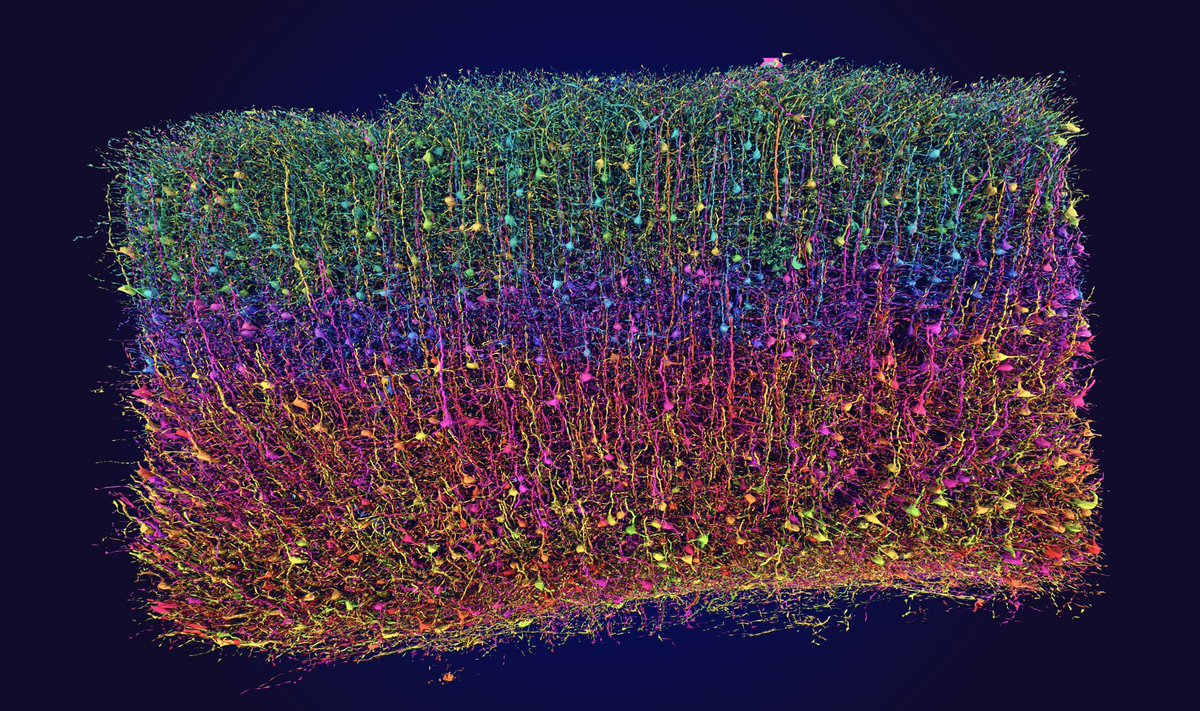
In a 2024 Science paper, researchers detailed a nanoscale-resolution reconstruction of a millimeter-scale fragment of human cerebral cortex, giving an unprecedented view into the structural organization of brain tissue at the supracellular, cellular, and subcellular levels.
Learn more during #BrainAwarenessWeek: https://t.co/mGd4TnbVTn
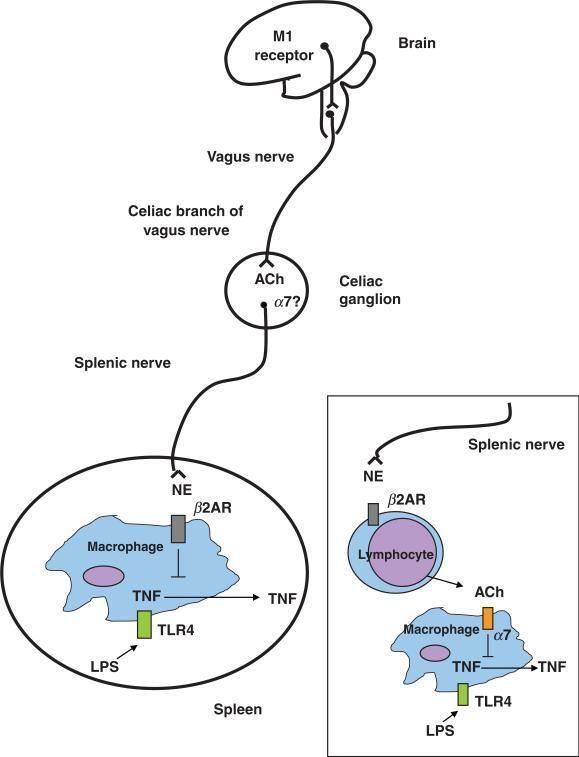
Vagus nerve fibers do not connect directly to immune cells in the body. But their signals extend into the spleen, causing a specialized population of T cells to release acetylcholine (Lowei's "vagusstoff!") This signals monocytes and macrophages to slow down production of TNF and other cytokines. Just one neuroimmunology example of vagus neural signals arising in the brain, traveling to the body, to regulate immunity. And the tip of the iceberg for countless more neuroimmunology discoveries waiting to be made.
A new @SciImmunology study suggests that IL-10-producing monocytes help resolve pain faster in male mice and humans when compared with females, which could inform therapeutics for sex-specific pain conditions. https://t.co/rA0erb83uS
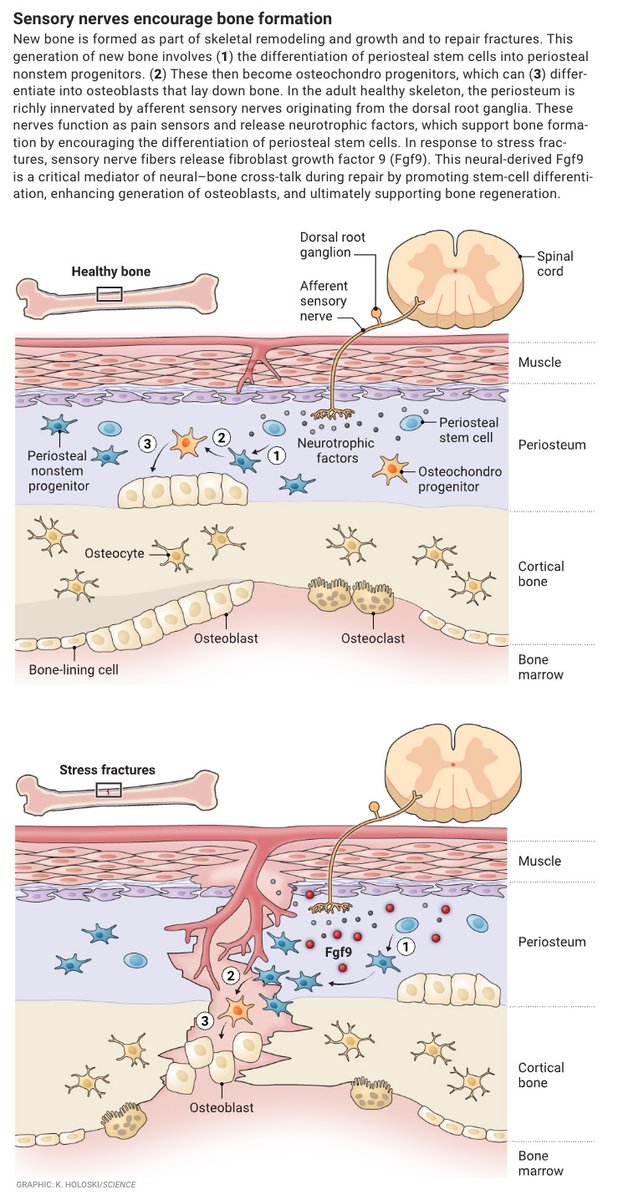
In a new Science study, researchers report an unexpected role for sensory nerves in bone healing, providing insights into communication between the nervous system and the cells responsible for bone repair.
Learn more in a new #SciencePerspective: https://t.co/7fUwqLKh98
I've never broken a bone (*knocks on wood*), but I hear it's excruciating. Perhaps its some comfort that the neurons responsible for that pain help the bone heal? That and more of the best from @ScienceMagazine & science in this edition of #ScienceAdviser: https://t.co/0pn9CnQyKd
Pharmacological targeting of the JAK–STAT pathway: new concepts and emerging indications
https://t.co/mRjeD1Ceel
https://t.co/XL1rM4DX0m
This new Review discusses recent advances in JAK and STAT inhibitor development and highlights emerging therapeutic indications
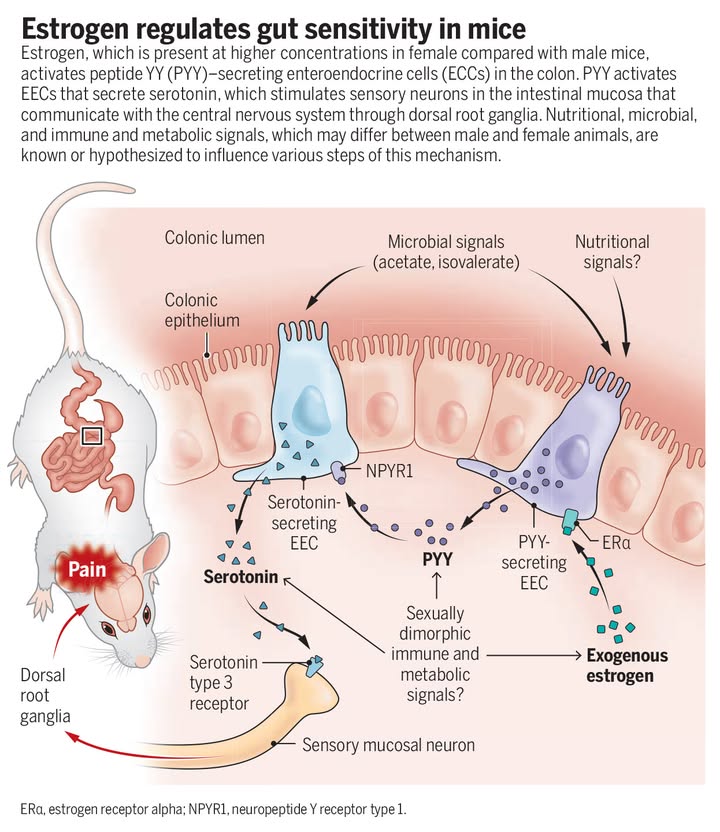
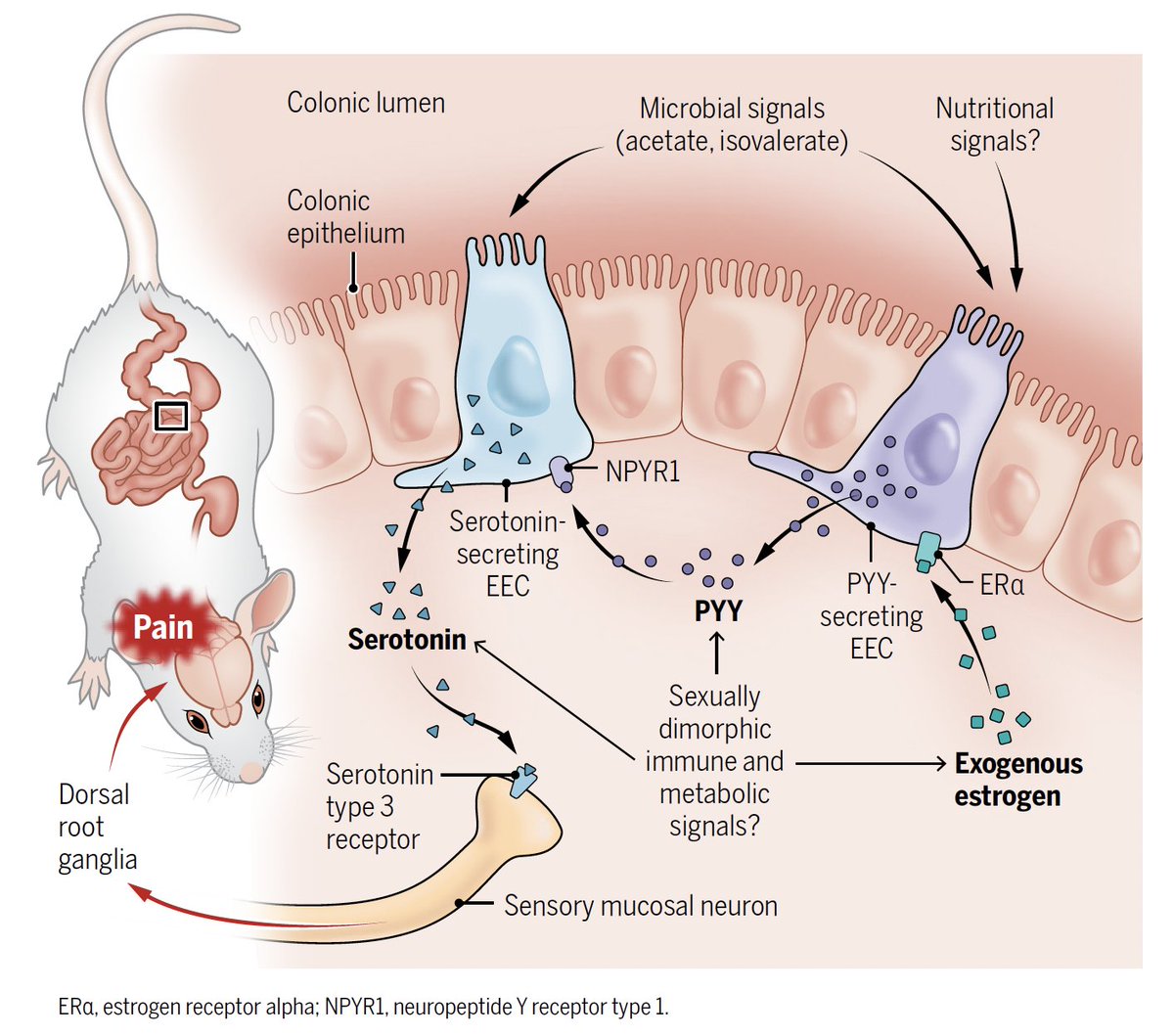
A previously unrecognized estrogen-dependent signaling pathway in the gut regulates visceral pain sensitivity in mice, according to a new Science study. The findings provide a pathway toward targeted therapeutic strategies.
Learn more in a new #SciencePerspective: https://t.co/oMbRo8MzVm
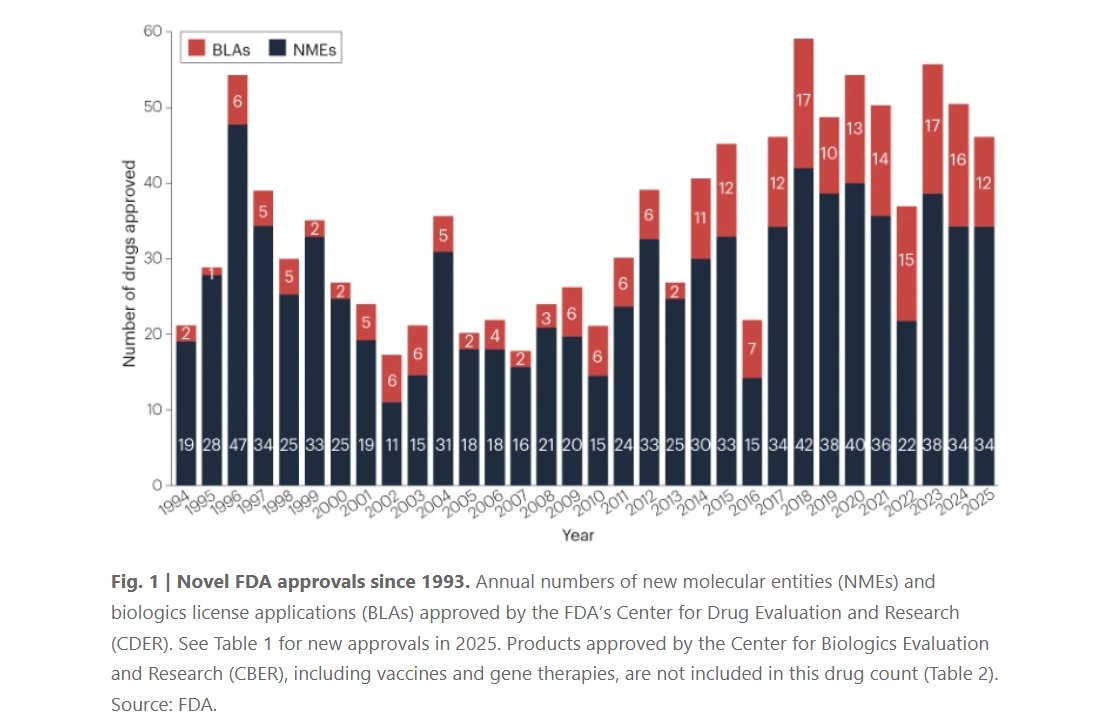
2025 FDA drug approvals https://t.co/1lIWG9AiF2
The US FDA approved 46 new drugs in 2025, despite a tumultuous year at the regulatory agency. Read about the trends and highlights, and see the full list of approved therapeutics in our annual round up
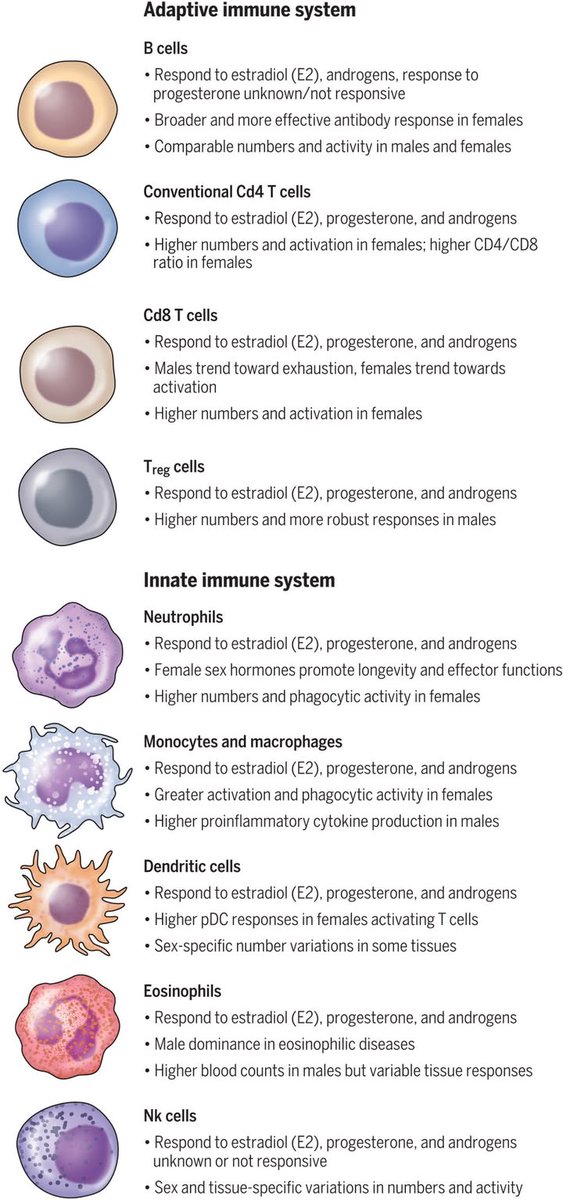
Researchers in a recent #ScienceReview examine the influence that biological sex exerts on the immune system and immune-related diseases.
Learn more: https://t.co/QaAs6CeInB
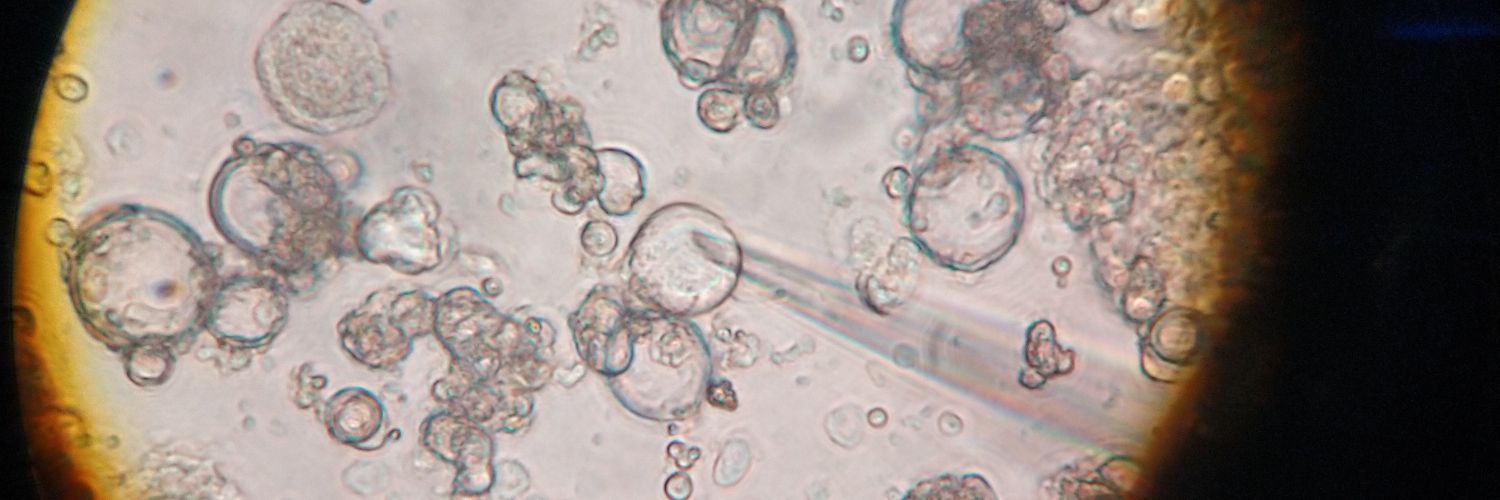
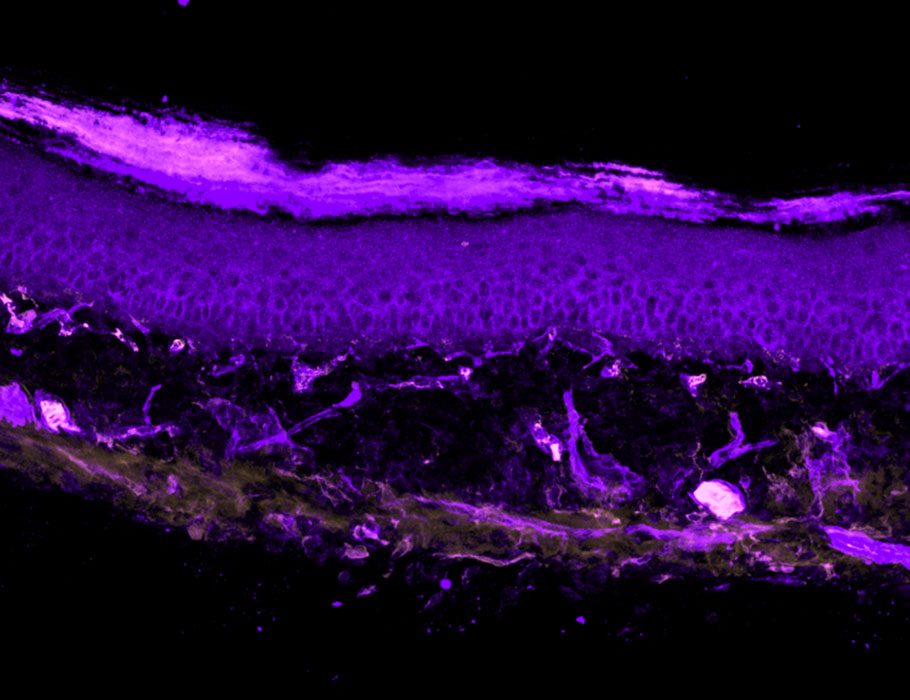
What is a brain cell but not a neuron? It sounds like a riddle, but our brains are full of lesser-known cells besides the more well known neurons.
In this microscopy image, we see one such cell known as an astrocyte, named for their star-like shape. #SciShots
In this piece of brain tissue the size of sand grain are 200,000 neurons and nearly 2.5 miles of axons.
While it may seem small in size, it was previously thought impossible to map. The road to this beautiful image is both a scientific and human triumph: https://t.co/RtWiMgq75y
Glutamate is the primary molecule that neurons use to communicate with each other.
Previously, scientists have mostly recorded when neurons fire output signals, but now with a new glutamate indicator, they can record the many inputs that causes cells to fire. 🧵
"When it comes to pain, men and women are far from equal."
Highlighting the role of estrogen for amplifying visceral pain sensitivity in the experimental model
@ScienceMagazine
https://t.co/9kSrFif16X