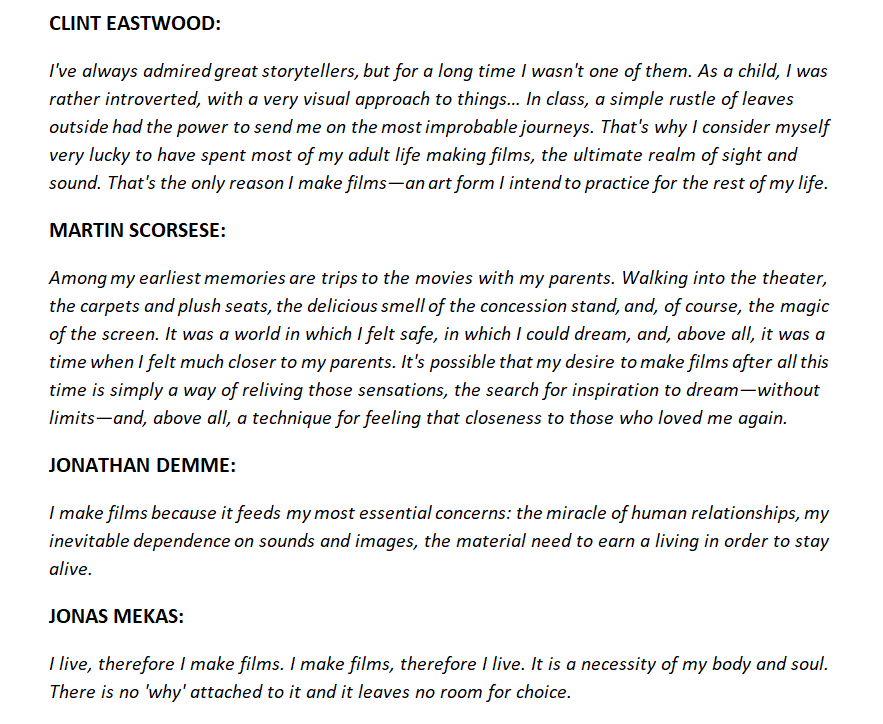
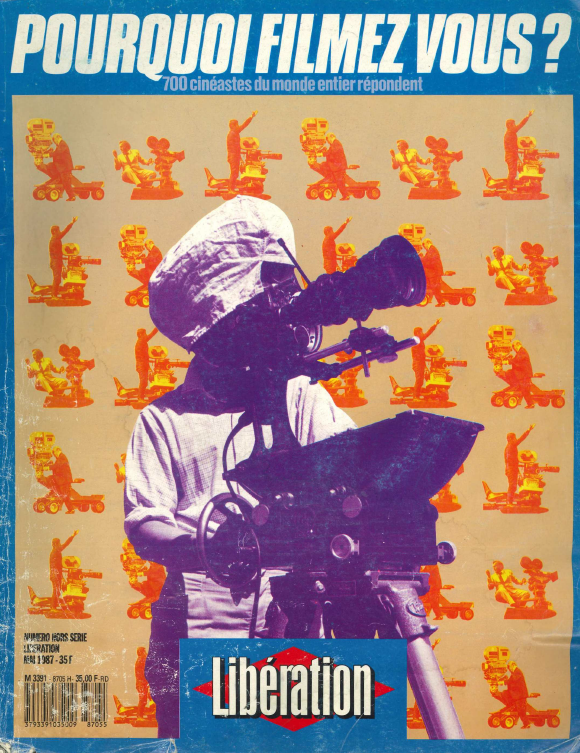
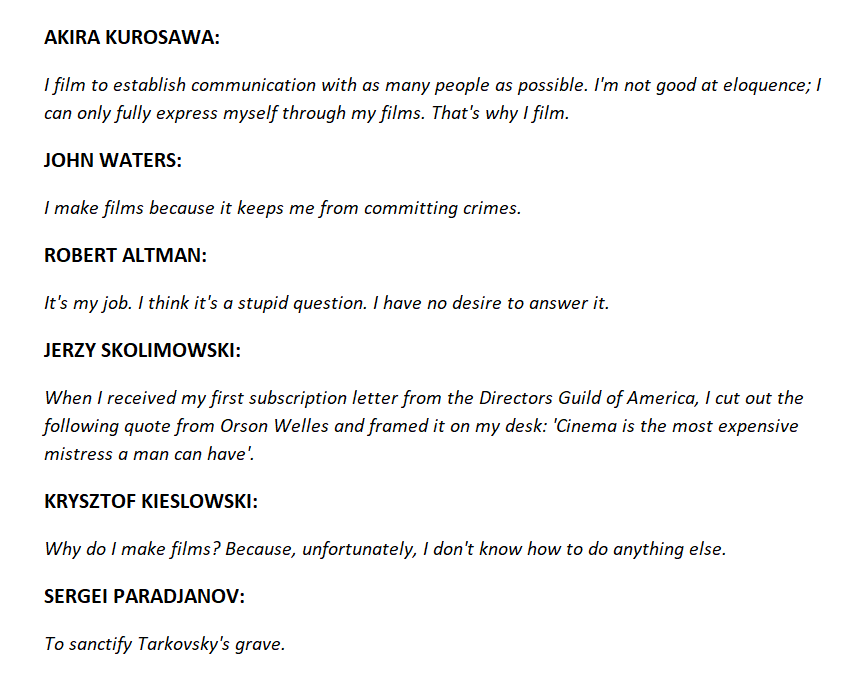
In 1989, French newspaper Libération released a special issue where they asked 700+ filmmakers from around the world just one question: "Why do you film?". It may seem like a simple question, maybe even silly, nonetheless I found the answers fascinating. A thread.
Happy 80th birthday to the pioneering Nigerian director, Ola Balogun. Very few directors can boast of his versatility, with his rich filmography featuring films made in English, Pidgin, Yoruba, Igbo, French, and Portuguese.
Here he is in a 1970s interview (in french) discussing the success of his Yoruba language film, Ajani Ogun (1976) and its implications for the distribution of Nigerian and African cinema.
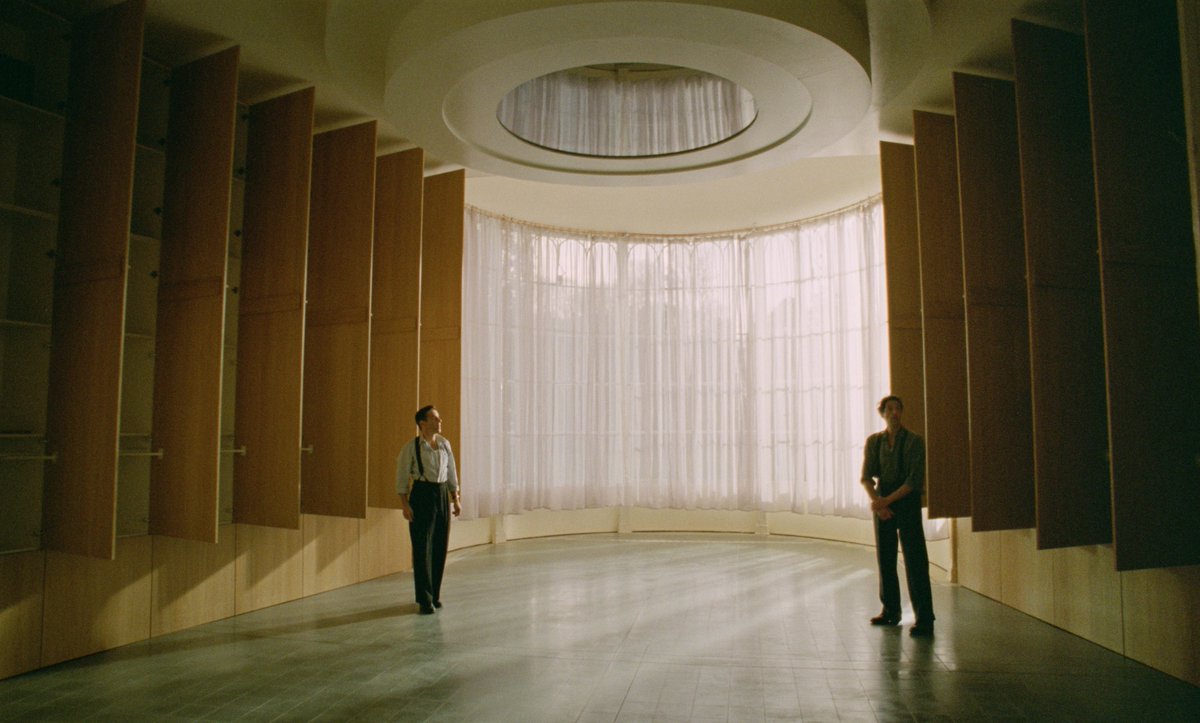
Congratulations to director Akinola Davies Jr., who receives a Special Mention for the Camera d’Or for his stunning first feature MY FATHER’S SHADOW. #Cannes2025
Coming soon to the US, UK, Turkey, Canada and Ireland. A MUBI Release.
Souleymane Cissé (April 21, 1940 to February 19, 2025). At 84 years old, and as one of the last living pioneers of African cinema, his presence was an invaluable link to the continent's cultural history.
To truly honor Cissé's legacy is to understand his body of work as an ongoing dialogue with Africa's past, present, and future, offering a roadmap for new generations to craft narratives that remain culturally grounded while engaging with global audiences.
But perhaps most urgently, we must cherish and exalt our legends as living archives while they are still with us.
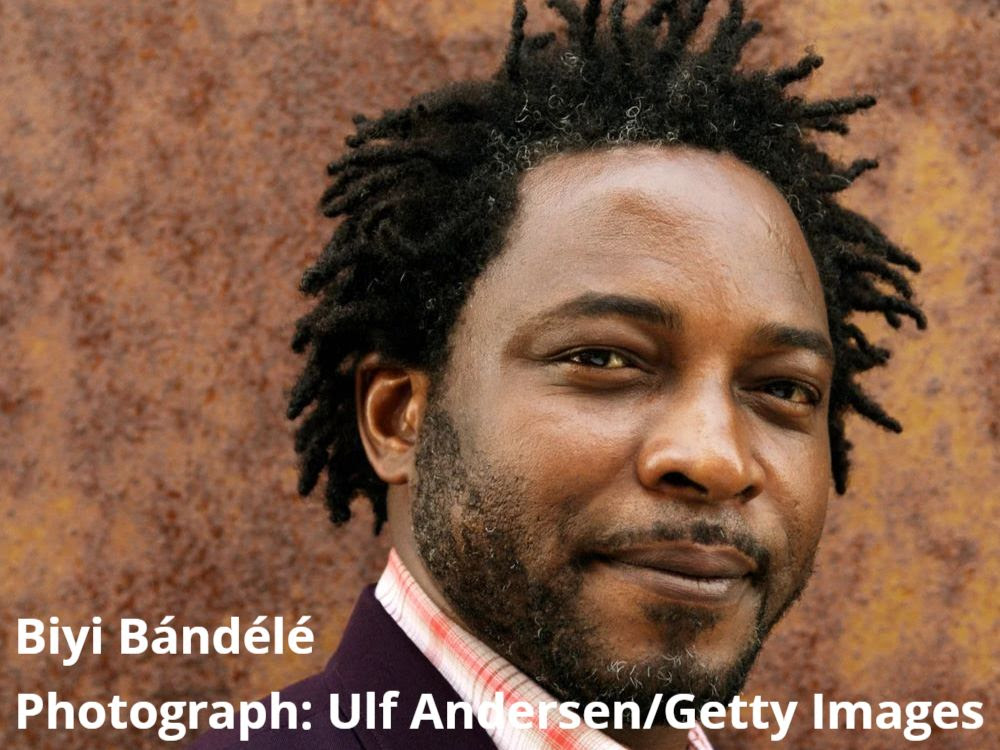
Biyi Bándélé's "Creative Restlessness" and the Pressures of African Creativity
"Caring for myself is not self-indulgence, it is self-preservation, and that is an act of political warfare." ~ Audre Lorde
The term "creative restlessness," as I use it, encapsulates what I see as the defining trait of Nigerian filmmaker, playwright, and novelist Biyi Bándélé's artistic journey.
His death by suicide, recently revealed in The Guardian (UK) article published on October 13, 2024—two years after widespread speculation—has both shocked and provoked a broader conversation about the pressures faced by artists like him.
The piece, featuring interviews with his daughter Temi and his friend Kwame Kwei-Armah, portrays Bándélé as someone driven by an insatiable need to explore new forms and narratives.
This "creative restlessness" allowed him to create works that spanned novels, films, plays, and photography.
Through the life and work of the Nigerian renaissance man, I reflected on the interplay between artistic drive and mental health within the African creative community: https://t.co/5rObp8dlUC