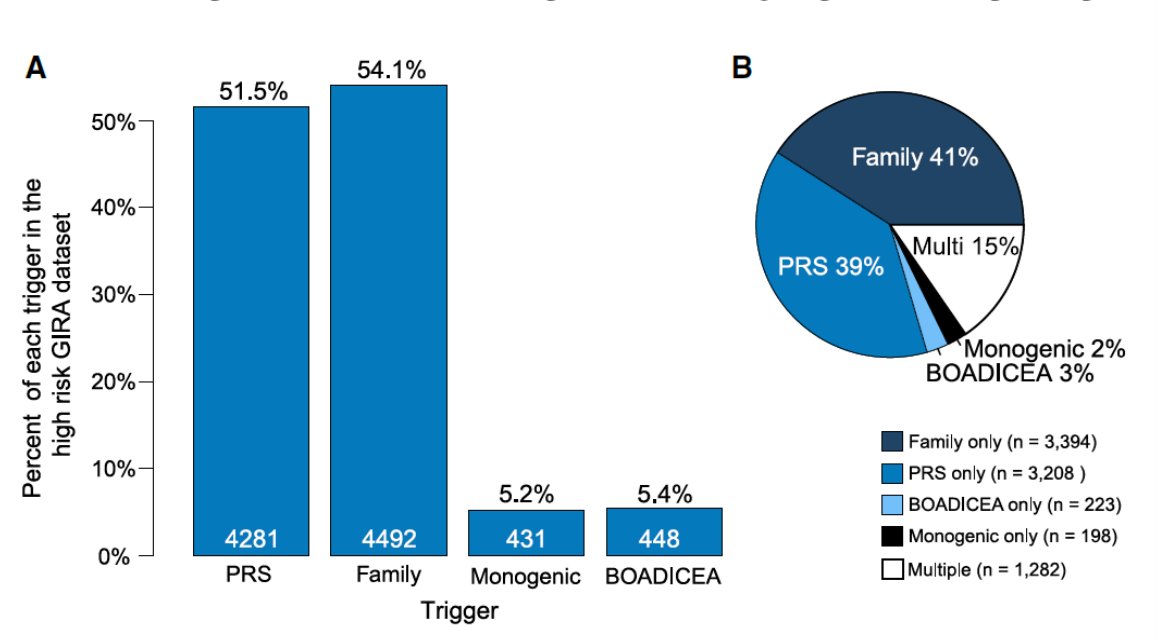
eMERGE returned PRS/Fam Hx/Mono results to n=23,840, 35% hi-risk for ≥1 of 11 diseases. Note: 1) high burden of genetic risk for common disease; 2) large-scale genomic risk assessment is feasible; 3) equity challenges must be addressed for implementation https://t.co/7S1HhVB5hM
Then, from Lawson & co
📰Return of genome-informed risk-assessment results for common conditions to 23,840 adults and children: An eMERGE network study
https://t.co/xyGp1qbALt
First, from Limdi et al
📰The Electronic Medical Records and Genomics study: Design and analytic framework for assessing the impact of genome-informed risk assessments
https://t.co/dQiuZrhyTO
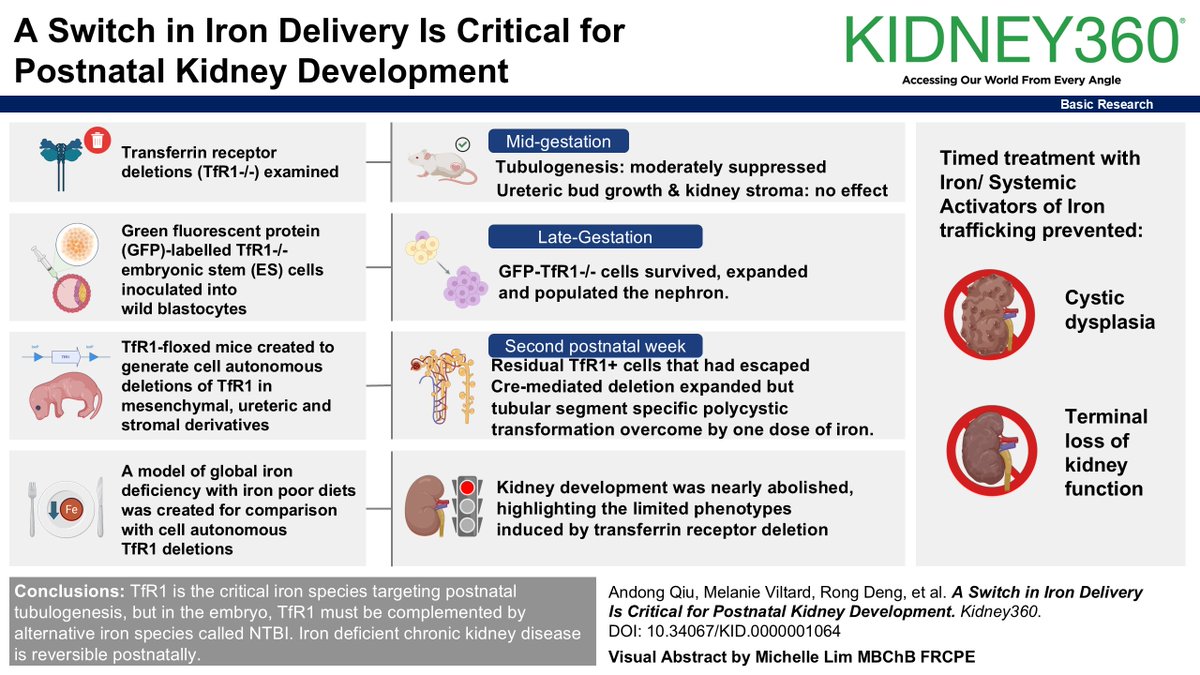
This #ASNKidney360 study explored how iron deficiency affects kidney development, focusing on the role of transferrin receptor (TfR1) and non-transferrin-bound iron (NTBI). Read more and explore #BasicResearch: https://t.co/oYEZz61hdg
@MeFaheem I follow you to get news about my KP, but you only has “best wishes.” It’s so sad that these days it is very difficult to find sincere people, because everyone just has “best wishes” in their hearts.
#Genetic studies of #hair traits that vary within and across populations create opportunities to generate new clinically relevant knowledge about physiology that is fundamental to human #health and #medicine
https://t.co/Jb3pymfiEL
GWAS highlights the neuronal contribution to multiple sclerosis susceptibility
#multiplesclerosis#journals#articles
More info | ⬇️
https://t.co/St9vmvIuOt
Exciting news! Our team @CPMGatColumbia 's paper describing a novel methodology to identify small genomic regions with a high frequency of insertions and deletions (indels) has been published in Functional & Integrative Genomics @SpringerNature (https://t.co/5ZavYA6XTb)
A new study from the eMERGE consortium reports on a pipeline for the generation and reporting of polygenic risk scores for ten diseases to diverse populations in a clinical setting @nialljlennon@EimearEKenny@AllofUsResearch@broadinstitute
https://t.co/eECyohZ1zi