Anyone who's interested in CA water: the next Sunnyvale Sustainability Speaker Series event is this Wednesday on drought and atmospheric rivers, with @catswx and @ResearchCP! I think it'll be good :)
The #AtmosphericRivers of Water Year 2023: End of Water Year Summary
Visit https://t.co/H8plSti3Cx for insight into the numerous ARs that brought impressive precipitation accumulations to California this Water Year and how it compares to previous years. #CAwx#CAwater
Several #AtmosphericRiver's (ARs) will impinge on the Washington, Oregon, and Northern California coasts beginning Friday (Oct 13) and continuing into early next week. #CAwx#CAwater#ORwx#WAwx
For more info, visit: https://t.co/x9zMmNmraM
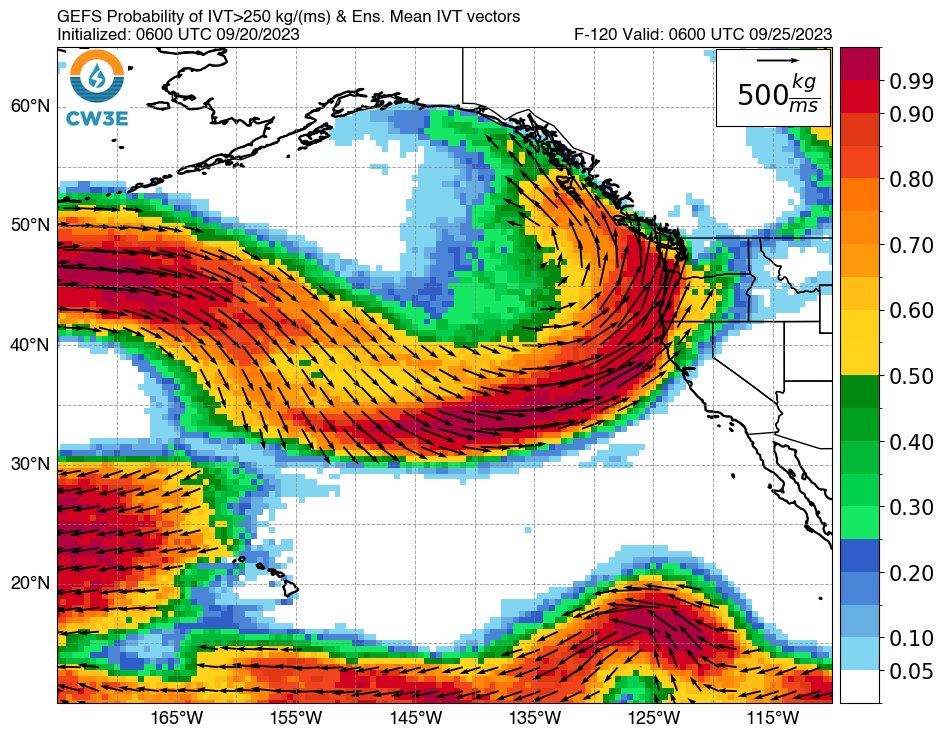
CW3E AR Update: Strong #AtmosphericRiver forecast to impact Pacific Northwest and Northern California beginning Sunday 09/24 #CAwx#ORwx#WAwx
Visit https://t.co/b0CGqslmF8 for more information on the upcoming storm
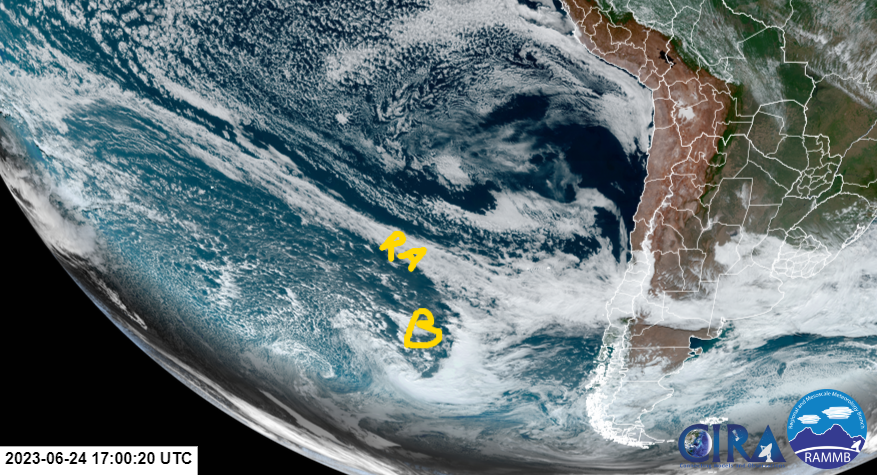
Not again! Another atmospheric river is headed for the eastern North Island of New Zealand.
This region has been slammed with extreme events over the last year and the recent change in climate drivers (toward El Niño) has seen conditions trend drier.
However, a La Niña-like atmospheric "cough" is helping to orchestrate a pattern that is conducive to blocking in the Southwest Pacific - blocking that will stall-and-guide a tropical moisture plume into New Zealand.
The end result looks to be one to two month's worth of rain in 48 hours or less for parts of Bay of Plenty and East Cape/Gisborne from Sunday through Monday.
The worst of the weather looks to be on Monday, coinciding with the deepest tropical moisture... along with an appreciable flooding risk.
Here's hoping the worst of it slides just offshore, but it's not looking likely to do that at this point...
First signs of first California AR of the season showing up in current ensemble forecasts at @CW3E_Scripps...for now, shown rising to category 2 on central Calif coast six days out.
https://t.co/xyT3Q467Dz
Atmospheric rivers have become synonymous with big floods, but I first learned about them amid a summer drought. Turns out "one is just the flip side of the other" on the West Coast, which I explore in my first
@hakaimagazine feature about embracing rain. https://t.co/CfbfUqBA7H
Sucesivo Río Atmosférico por impactar esta noche en los Andes de O'Higgings, Maule, BioBio🇨🇱 y Norte Neuquén🇦🇷. Si bien es de menor intensidad, se esperan más precipitaciones en la zona muy afectada ya y con inundaciones. Seguir alertas oficiales @meteochile_dmc@SMN_Argentina
Record snowfall in the Sierras and wild atmospheric rivers helped fill California's second largest reservoir Lake Oroville to 100% For the first time since 2019 and only the second time in 15 years, Top photo is from today. Bottom photo from July 2021 at 28% capacity.
Climate scientists tell us that atmospheric river #storms, like the ones we experienced in the January of 2023, are expected to increase in intensity and frequency in California due to climate change.
This year’s Sierra snowpack in California is looking a lot like 1983’s – a year of flooding and mudslide disasters.
We spoke with Chad Hecht, a meteorologist with the @CW3E_Scripps, who shares how this year’s storms compared to past extremes and what to expect 🏔️⛈️
A thread:
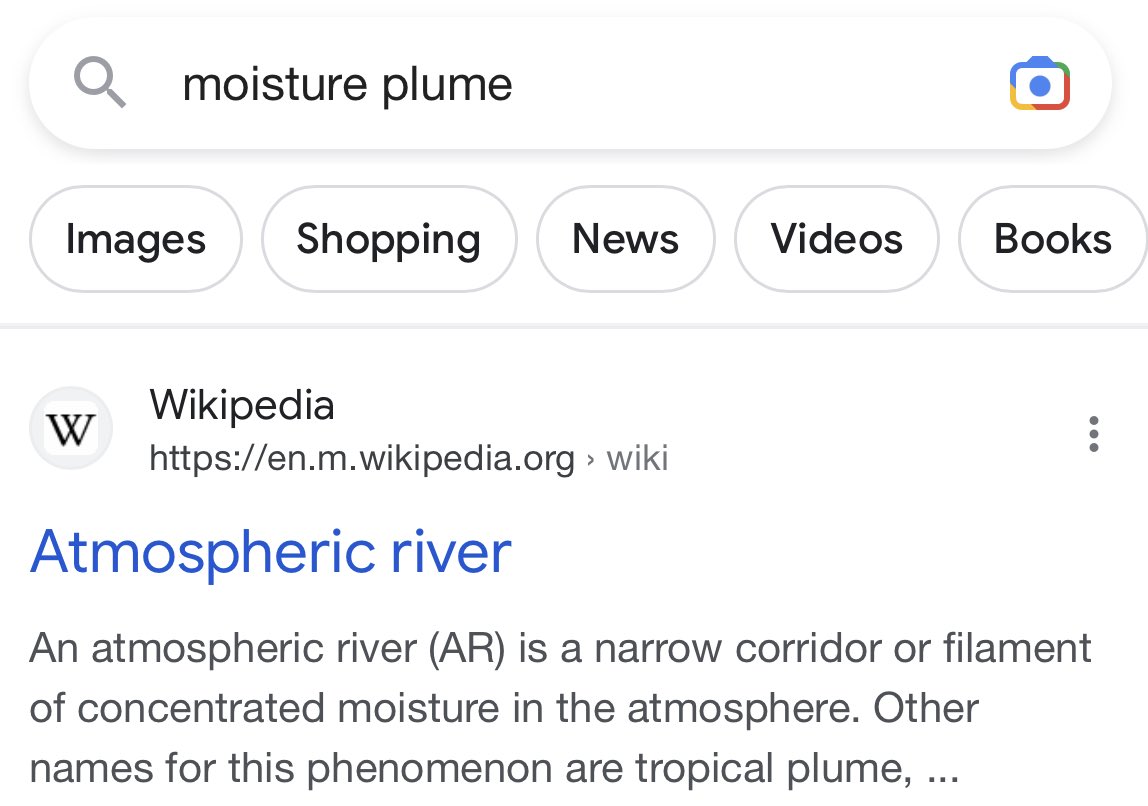
I remember for the longest time it was just “moisture plume.”
Even for a place like the US West Coast, where ARs have been and are being studied in great depth, it took an entire winter of AR after AR for the term #AtmosphericRiver to become truly mainstream!
While California and the rest of the West Coast received record amounts of rainfall 💧 and snow ❄️ this winter, the East Coast had a relatively warm season. Data from @CW3E_Scripps helps piece together the puzzle on why that occurred. Via @nytimes ⬇️
https://t.co/3el5nPuU60
The culprit behind California's extremely wet winter? 🌧️ Strong #AtmosphericRivers brought on by #ClimateChange, according to Marty Ralph, director of @CW3E_Scripps. But what does that mean for future forecasts? @grace_2e of @latimes has more on #CAwx. ⬇️
https://t.co/nfsPdnjpiS
California had a wet winter. 🌧️ Scripps Oceanography research meteorologist Alexander Gershunov caught up with @washingtonpost to explain some of the science behind the storms and how #ClimateChange is likely playing a part. ⬇️
https://t.co/WqhT4GJzWo
After heavy winter storms, California's #snowpack is among the deepest it has ever been in the Golden State's history. 🏔️❄️ The @latimes based their analysis on calculations by @mdettinger, a hydroclimatologist at Scripps Oceanography. Learn more here. ⬇️ https://t.co/a34OsJ6cyf
Depending on how exactly you count it, 16 or 17 atmospheric rivers substantially affected CA this season. Notably (in context of future flood risk), except for one that hit just north of the CA/OR border, *none* of these were "extreme" or "exceptional" events! #CAwx#CAwater
Springer just reported (to @CW3E_Scripps) that 235 hard copies (compared to 50-100 for typical research volumes) + 7465 downloads (compared to 5000 typically) of the AR book have been sold by the publisher since 2020. Get yours now at
https://t.co/2aWBpBW2bT.