The company that once called Linux a "cancer" is now the one shipping its core tools to Windows users.
Microsoft just shipped GNU coreutils for Windows.
ls. grep. cat. cp. find. The same commands that have powered Unix and Linux systems for over 50 years are now available natively on Windows, maintained by Microsoft itself.
For context: GNU coreutils are the foundational utilities that every Linux and macOS system relies on for basic file operations, text processing, and shell scripting. They are the bedrock of Unix computing. Tens of millions of scripts, pipelines, and workflows run on them every day.
And now Microsoft is shipping and maintaining a build of them for Windows.
This is not WSL. You do not need a Linux subsystem running in the background. These tools run natively on Windows, with the exact same flags and behavior as on Linux. Your existing scripts just work.
Microsoft's goal: make moving between Linux, macOS, WSL, containers, and Windows completely frictionless. Write a script once. Run it anywhere.
The package bundles uutils/coreutils (a modern Rust rewrite of GNU coreutils), findutils, and grep into a single multi-call binary. Every command supports standard flags. Same commands, same pipelines, no translation needed.
The project is still in preview. But the direction is unmistakable.
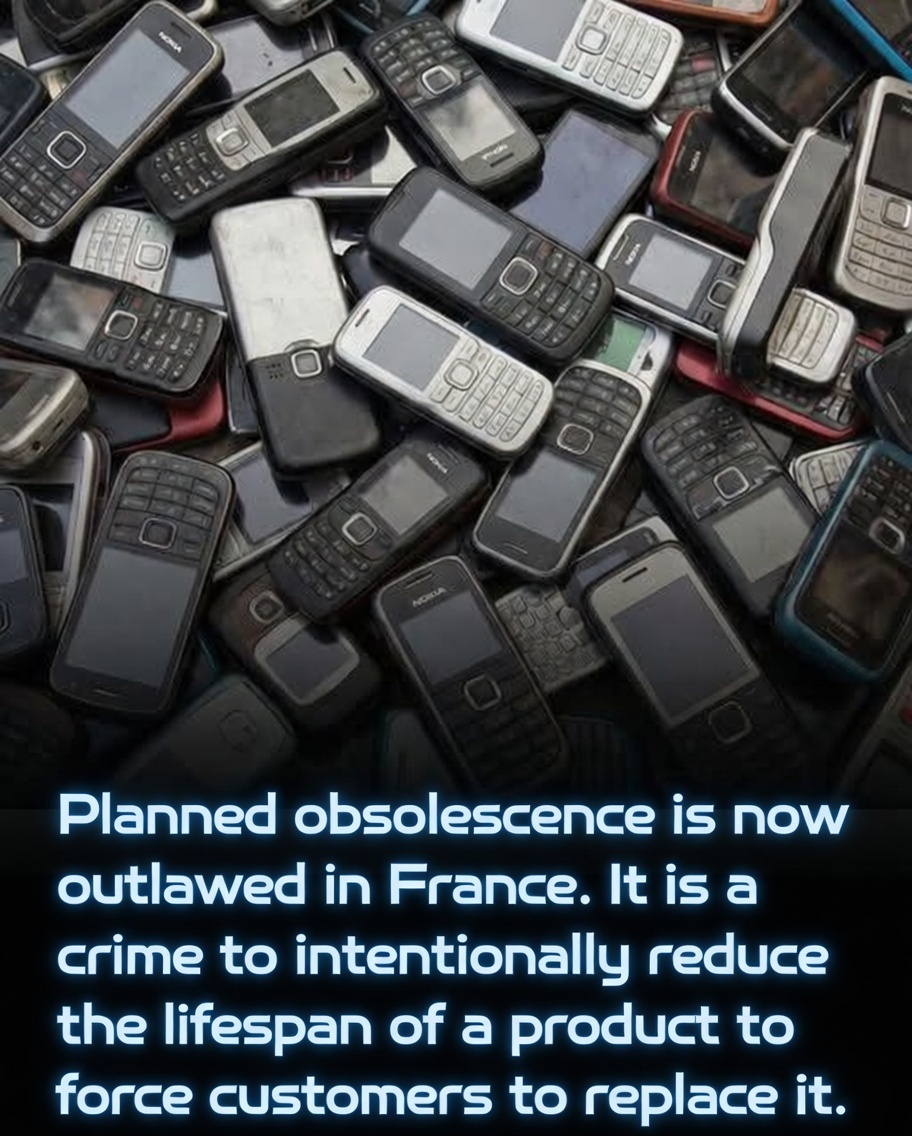
France has made planned obsolescence a criminal offense, becoming one of the first countries in the world to treat deliberate product shortening as a serious crime.
Manufacturers caught intentionally designing electronics, appliances, or other goods to fail prematurely or become unusable—whether through hardware flaws, software updates that slow performance, or other engineered limitations—now face steep penalties: up to 2 years in prison and fines reaching €300,000, or as high as 5% of their average annual turnover in the most serious cases.
This landmark law, building on France’s earlier consumer-protection framework and reinforced by high-profile scandals (such as the 2017–2018 investigations into smartphone “battery-gate” slowdowns), explicitly targets both physical and digital tactics used to push consumers toward frequent replacements.
The legislation is more than just punishment—it’s a cornerstone of France’s broader “right to repair” agenda. By criminalizing practices that drive premature disposal, the government aims to:
- Slash the massive environmental footprint of electronic waste,
- Protect consumers from hidden “forced upgrades,”
- Encourage manufacturers to prioritize durability, repairability, and longer-lasting support.
France’s tough stance sends a clear message to global tech and appliance companies: the era of disposable-by-design products is ending. By leading the charge on sustainability and consumer rights, the country is helping shift the world toward a more circular economy—one where goods are built to last, repaired when needed, and discarded only when truly necessary.