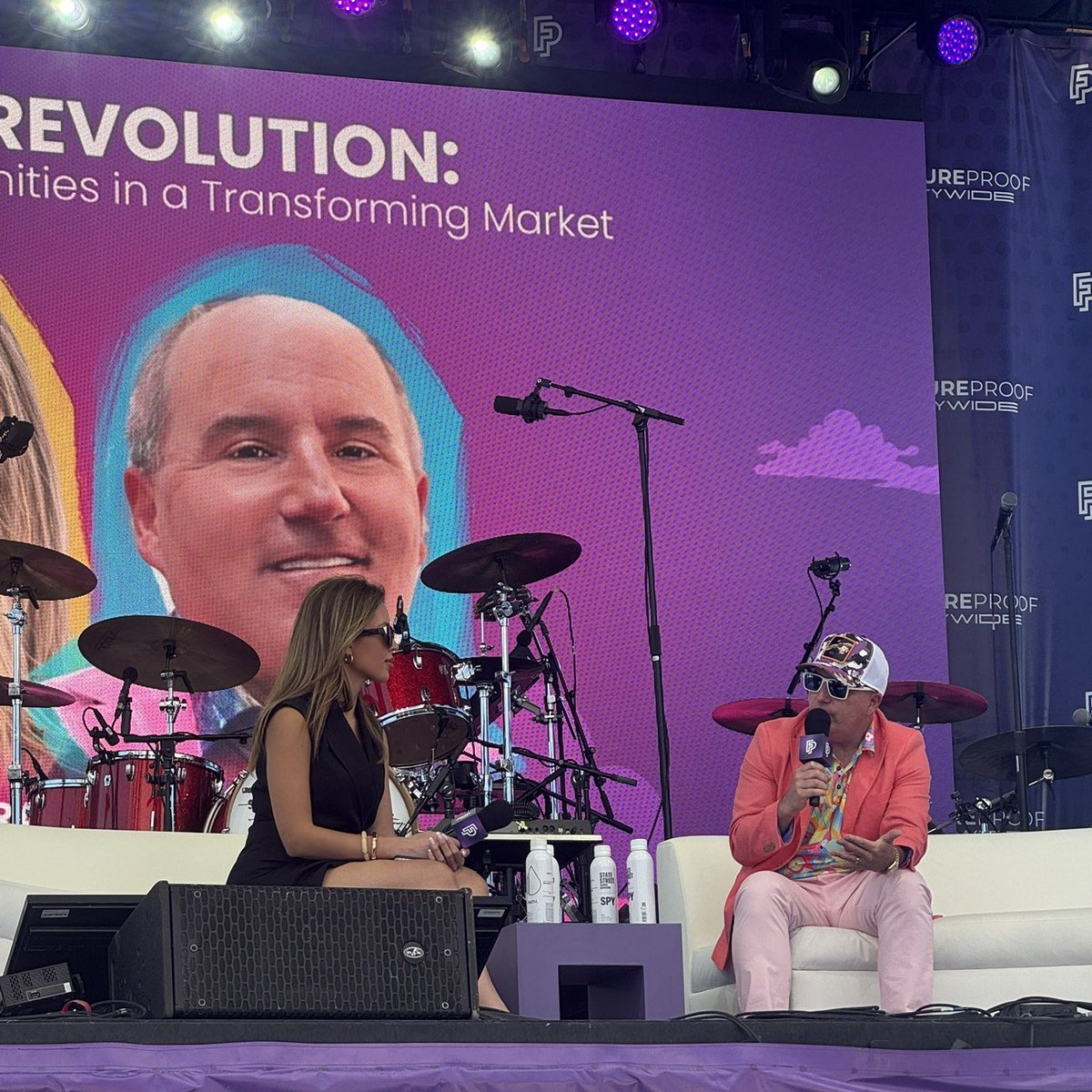
Dan Ives is starting a closed-end fund called Ives Ultra AI Opportunities to bet on private companies
The fund will invest mostly in equity and equity-related securities of private late-stage AI companies in the US
The fund is seeking to raise $200 million in an IPO and is expected to price next week - Bloomberg
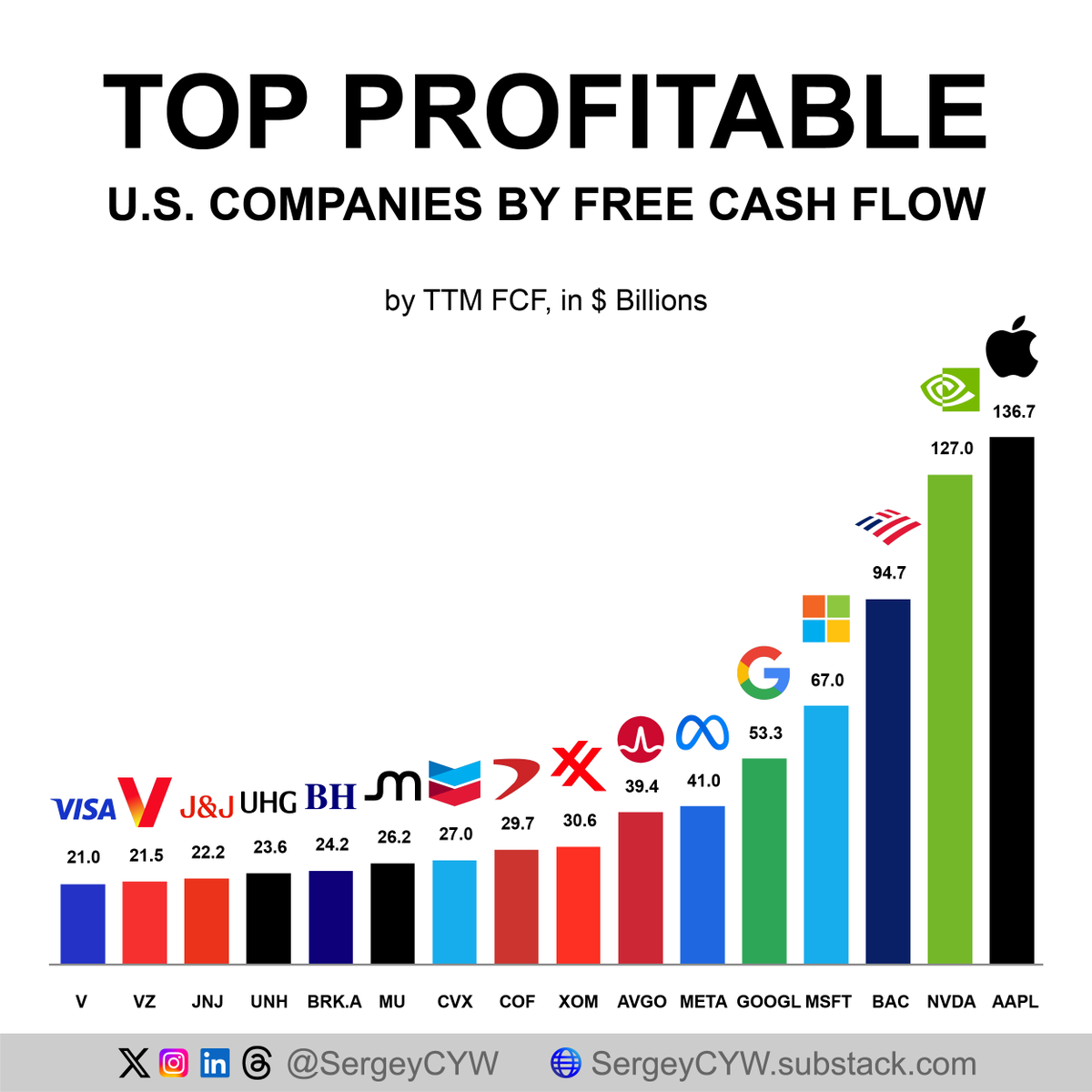
Top U.S. Companies by Free Cash Flow: Which Businesses Generate the Most Cash?
FCF is one of the most useful measures of profitability because it shows how much cash remains after funding operations and capital investment. It also determines how much flexibility a company has for buybacks, dividends, debt reduction, and future growth.
$AAPL Apple leads with $136.7B TTM FCF and a 29.3% margin. Its capital-light ecosystem and high-margin Services business support exceptional cash generation and shareholder returns.
$NVDA Nvidia follows with $127.0B and a 41.9% margin. AI infrastructure demand, high gross margins, and an asset-light semiconductor model allow Nvidia to convert rapid growth into significant cash flow.
$MSFT Microsoft generates $67.0B, but its FCF margin has fallen to 20.2% as AI infrastructure capex rises. $GOOGL Alphabet shows an even stronger effect, with $53.3B TTM FCF and an 11.9% margin after massive investment in data centers and TPUs.
$META Meta generates $41.0B at an 18.0% margin, with AI infrastructure and Reality Labs absorbing an increasing portion of operating cash.
$AVGO Broadcom: $39.4B FCF and a 44.2% margin. Its asset-light AI semiconductor business and VMware software create a highly profitable mix.
Energy companies.
$XOM ExxonMobil produces $30.6B, while $CVX Chevron generates $27.0B, supported by low-cost oil production and disciplined capital spending.
$MU Micron generating $26.2B at a 29.0% margin as tight memory supply and AI-driven HBM demand improve pricing power.
$BRK.A Berkshire Hathaway generates $24.2B, backed by insurance float and diversified operating businesses.
Banks such as $BAC and $COF also show large reported cash generation, although FCF is less useful for financial institutions. For banks, ROTCE, capital ratios, net interest margin, and efficiency ratios provide better measures of underlying profitability.
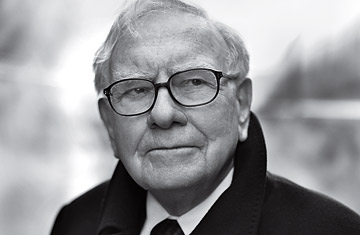
“If returns are going to be 7 or 8 percent and you’re paying 1 percent for fees, that makes an enormous difference in how much money you’ll have in retirement.” - Warren Buffett.
Peter Lynch not only performed very well in Fidelity but there are somany great investors around the world learnt from his method of investing. Thanks Peter🙏🙏
Peter Lynch turned Fidelity Magellan from $18 million into more than $14 billion.
For 13 years, the fund compounded at 29.2% annually.
His path to Fidelity started by carrying golf bags.
Lynch began working as a caddie at Brae Burn Country Club when he was 11.
The job paid better than delivering newspapers.
But the money ended up being the least valuable part.
The golfers included executives from companies like Gillette, Polaroid and Fidelity.
Lynch listened while they talked about businesses and stocks.
Then he would go home, find the companies in the newspaper and watch what happened to their prices.
One of the golfers was D. George Sullivan, president of Fidelity’s funds.
Lynch caddied for him for years.
Then came a summer internship at Fidelity.
There were roughly 75 applicants competing for three openings.
Lynch later joked that the process was slightly rigged.
He was the only applicant who had spent years carrying the president’s golf bag.
He got the job.
Lynch eventually returned to Fidelity full-time, became director of research, and took over Magellan in 1977.
The fund had about $18 million when he started.
By the time he stepped down 13 years later, it had grown to more than $14 billion.
The golf course had given Lynch something long before Wall Street did:
Years of listening to how businesspeople thought about companies in the real world.
One of the greatest investing careers ever started with an 11-year-old carrying someone else’s clubs.
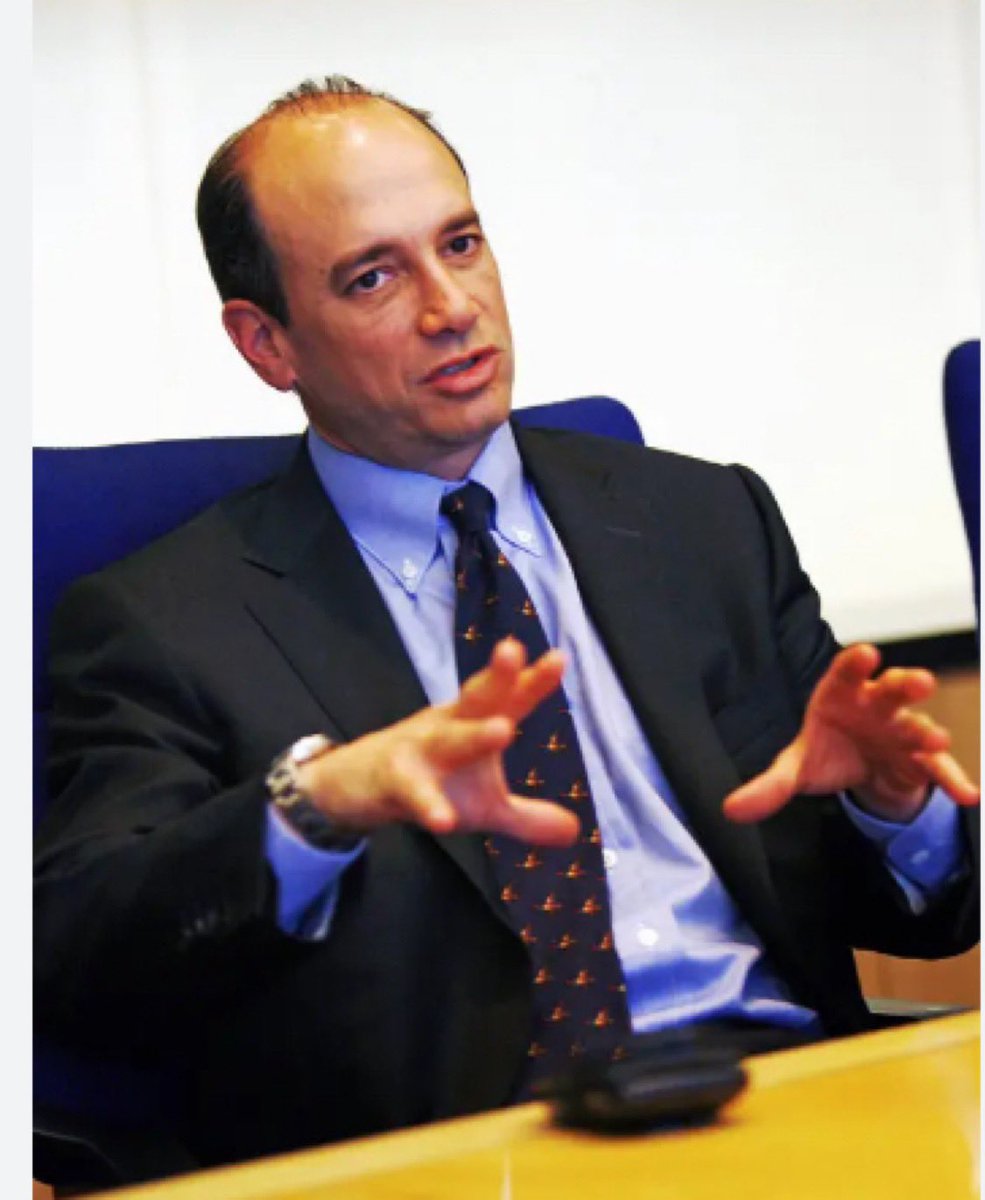
“So one way to create an attractive risk/reward situation is to limit downside risk severely by investing in situations that have a large margin of safety. The upside, while still difficult to quantify, will usually take care of itself. In other words, look down, not up, when making your initial investment decision. If you don’t lose money, most of the remaining alternatives are good ones.”
- Joel Greenblatt
$NVDA TO ACQUIRE HUGGING FACE FOR $12.93B
NVIDIA has agreed to acquire Hugging Face, one of the largest open AI developer platforms.
Hugging Face says it now serves:
• 18M+ developers, researchers and creators
• 3M+ models
• 500K datasets
• 1M applications
• 200K+ companies
NVIDIA says Hugging Face will remain open to models and hardware from across the ecosystem. Developers will not be required to use NVIDIA compute, and the platform will continue supporting multi-cloud and multi-accelerator deployment.
NVIDIA also plans to use its infrastructure and engineering resources to expand Hugging Face’s model evaluation, inference, deployment, safety and platform reliability.
Billionaire Trader George Soros and Charlie Rose.
George Soros most famous quote is “It’s not whether you’re right or wrong that’s important, but how much money you make when you’re right and how much you lose when you’re wrong.”
Many of the richest and most famous investors in the world including Brad Gerstner, Leopold Aschenbrenner and a bunch more just updated their portfolios
This is what their portfolios look like as of the end of Q2
A thread🧵⬇️
Berkshire Hathaway $BRK.B
A resilient supply chain is no longer enough.
From manufacturing footprints to supplier risk and pricing, CEOs are rethinking how they allocate resources as the landscape shifts. Here are five actions leaders can take to stay ahead. https://t.co/eMpOu5PJ8w
“Most people get interested in stocks when everyone else is. The time to get interested is when no one else is. You can’t buy what is popular and do well.” - Warren Buffett
$MSFT has one of the clearest full-stack AI monetization stories in the market today.
Azure captures infrastructure spending, Foundry monetizes model deployment and governance, Fabric and its databases own the data layer while Copilot, GitHub, Dynamics and Microsoft 365 capture the application layer.
That breadth is already showing up in the numbers with Azure growing 43% despite surpassing $100B in annual revenue, guidance accelerating toward 45% next quarter and commercial RPO reaching $678B.
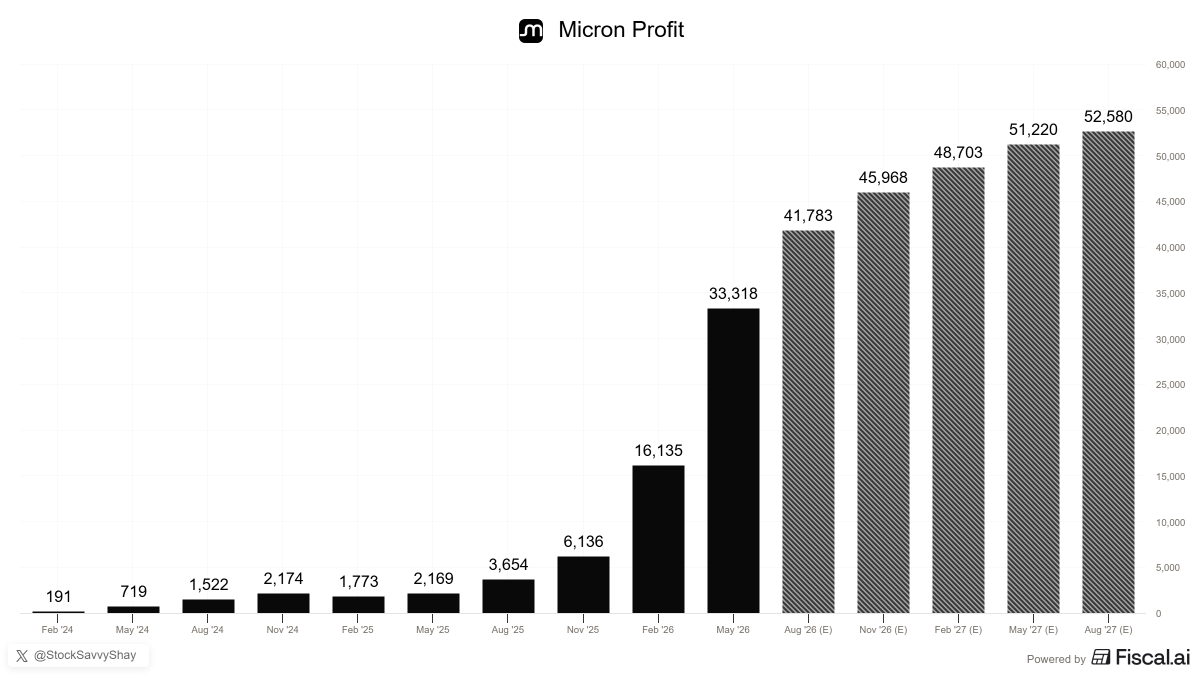
$MU is valued at ~$900B at $800 per share.
What's wild is that Micron is expected to generate cumulative profit equal to its entire market cap over the next four to five years 🤯