MISSING CHILD!!!
9-year-old Gyan Lazarus, a resident of Spintex Community 16, has been missing since Sunday, 18th January 2026, when he was last seen around 1:30 p.m.
Anyone with information on his whereabouts is urged to contact the nearest police station immediately.
#GHOneNews #EIBNetwork #GHOneTV #NewsAlert
This Halloween, I'm embodying Lucilla from Gladiator (the original, naturally).
Don't worry about mistaking me for a goddess—I've already got that role covered in my daily life 😉
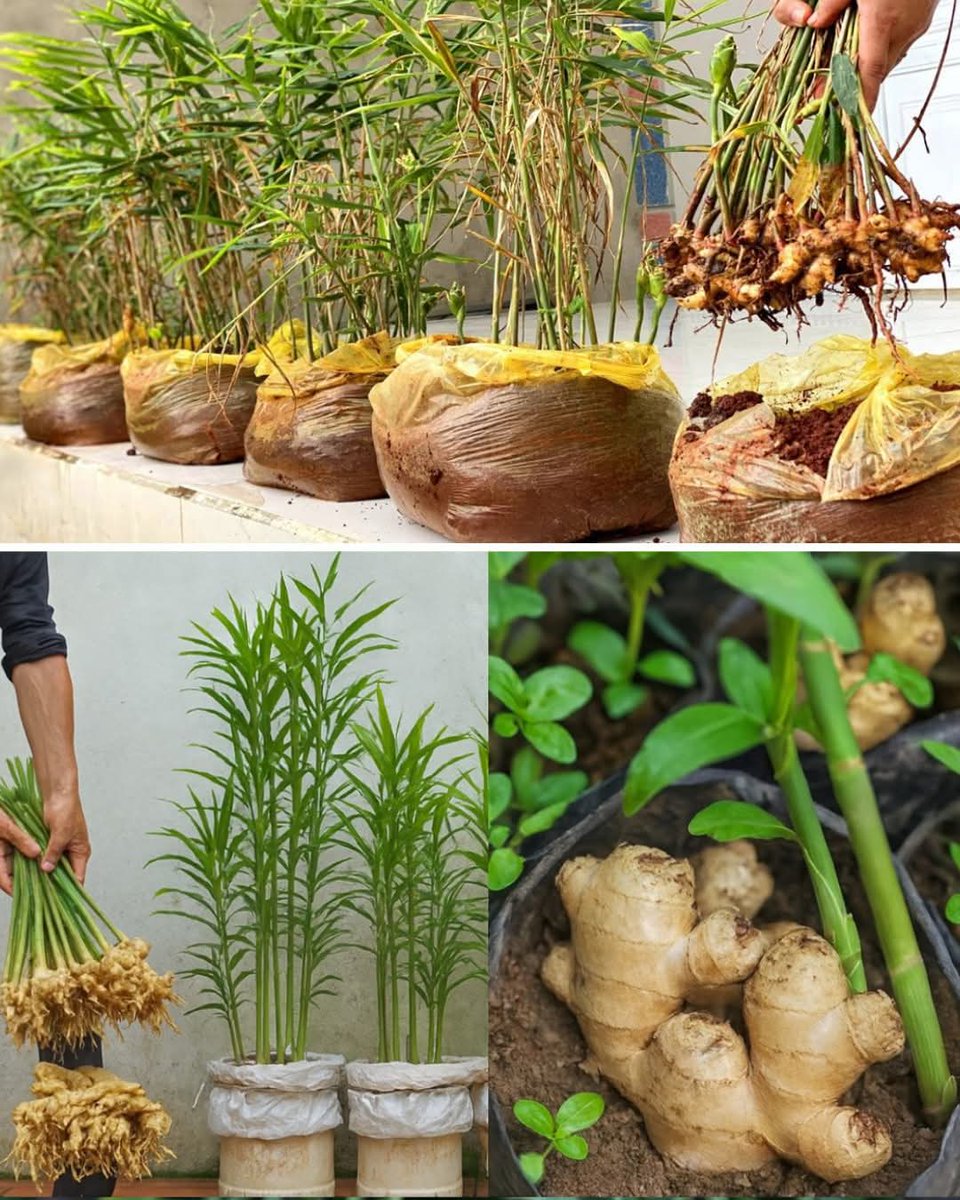
Grow Endless Ginger at Home – The Secret No One Tells You!
Growing ginger at home is one of the most satisfying and rewarding gardening experiences — and the best part? You can grow an endless supply of it right in your backyard, containers, or even indoors if you know the secret steps. Many people think ginger is difficult to grow, but the truth is, it’s one of the easiest crops once you understand its natural rhythm and needs.
The journey starts with selecting the right ginger rhizomes. Always choose fresh, plump pieces with visible “eyes” or buds — these are the growing points. Avoid dry or shriveled pieces. You can find good-quality ginger in local markets or organic stores. Before planting, soak the rhizomes in warm water overnight to awaken dormant buds and stimulate faster sprouting.
Next comes preparing the planting site or container. Ginger thrives in loose, well-draining, and fertile soil that’s rich in organic matter. If you’re growing in containers, choose wide pots (not too deep) and mix garden soil with compost or coco peat for better aeration. Ginger doesn’t like compacted soil — its rhizomes need space to spread horizontally as they grow.
Planting is simple but crucial. Cut the ginger into smaller sections, ensuring each piece has at least one healthy bud. Let the cut pieces air-dry for a day to prevent rot. Then, plant them about 2–3 inches deep with the buds facing upward. If planting in a garden bed, space them about 20 cm apart in rows 30 cm apart. Water the soil lightly after planting — just enough to keep it moist but not soggy.
One of the biggest secrets to endless ginger production is maintaining consistent moisture and warmth. Ginger loves humid conditions and partial shade. Avoid direct harsh sunlight, which can dry out the soil. Water regularly to keep the soil moist, and add a layer of mulch to retain water and suppress weeds. You can also feed the plants with organic compost or liquid manure every few weeks to encourage lush growth.
As the ginger grows, new shoots will appear within three to four weeks. By month three, you’ll notice strong leafy stems. Keep removing weeds and ensure good drainage. The key to continuous harvest is propagating from mature plants. When the plants are about 8–10 months old and the leaves start to yellow, gently dig up the rhizomes. Cut off a few mature sections for consumption and replant the rest immediately in fresh soil. This cycle keeps your ginger supply going all year round.
Harvesting fresh ginger early gives a tender and aromatic product ideal for cooking, while letting it mature longer enhances flavor and medicinal properties. Once harvested, wash and air-dry the rhizomes. Store them in a cool, dry place or freeze them to preserve freshness.
With a little patience and care, you can enjoy an endless harvest of homegrown ginger — organic, flavorful, and chemical-free. It’s a natural way to save money, enjoy healthier food, and stay connected to the earth.
#GingerFarming #HomeGardening #OrganicLiving #GrowYourOwn
Simple DIY Chicken Feeders for Your Backyard Flock
Looking for easy, low-cost ways to feed your chickens? Try these practical homemade feeder ideas:
1️⃣ Fruit & Veggie Hangers
Suspend fresh fruits and vegetables on strings to offer healthy treats and keep your chickens entertained.
2️⃣ Mounted Feed Containers
Reuse old containers as wall-mounted feeders to keep feed dry, clean, and within easy reach.
3️⃣ Grain Trough from Cinder Blocks
Turn a basic cinder block into a durable outdoor trough for feeding grains.
4️⃣ Bottle Feed Dispensers
Upcycle empty plastic bottles into gravity-fed dispensers that provide a steady flow of feed.
These clever ideas help reduce waste, save money, and make daily poultry care more efficient and sustainable.