Plant molecular biologist/geneticist interested in better understanding the complexities of transcriptional regulation. Member of @SpringerNathan lab @UMNCBS
Our first inking that something might be amiss with the accepted story of maize origins occurred 13 years ago. Thanks to the efforts of @NingYang9 those hints from long ago are now a new model of maize origins, out today: https://t.co/Zg9szjMIrt
Save the Date🗓️— The 3rd Plant Cell Atlas
Symposium & Synthetic Biology Hackathon are coming in August 2024! Registration will open at a later date.
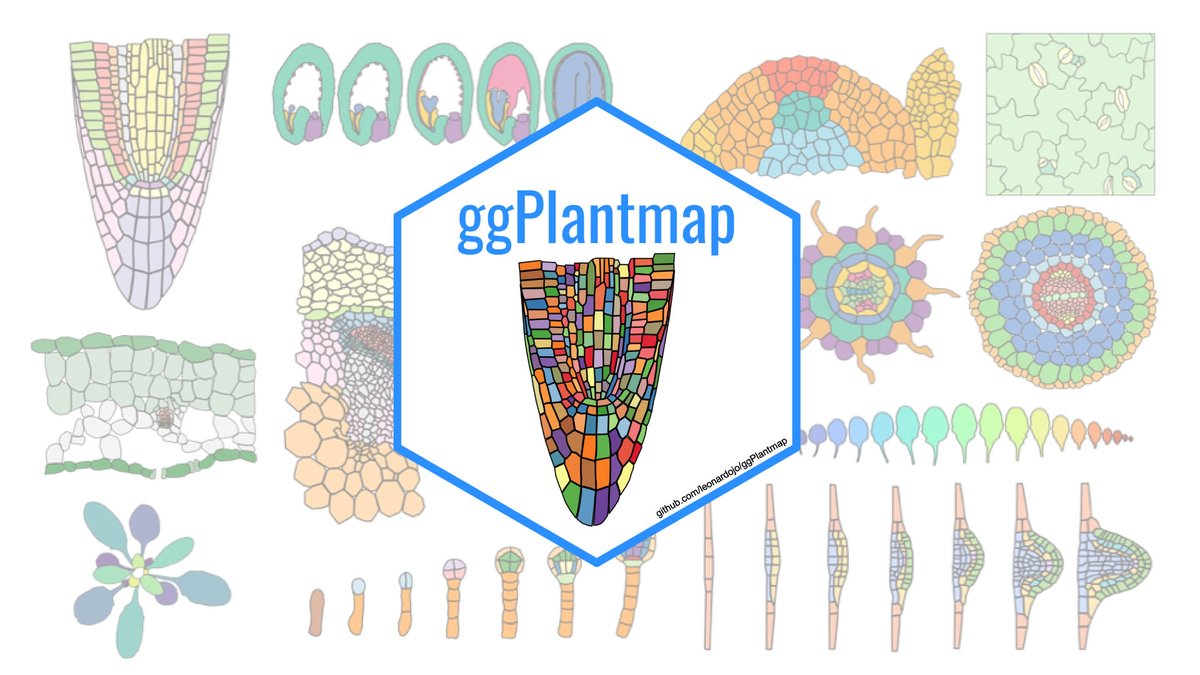
It is my great pleasure to announce ggPlantmap (https://t.co/s8nhbCXx4z), an open-source R package to create ggplot maps from plant images. Now, you can create beautiful plant heatmaps to be visualized and modified in a R coding environment.
Check out my first review! The diversity of peptide hormone systems in plants is truly amazing. I learned so much in the writing process. Thanks so much to @Dsjones552 for writing this with me and helping me through the whole process. Stay tuned for future @thecapitulab pubs
Our pre-print “Spatial Co-transcriptomics Reveals Discrete Stages of the Arbuscular Mycorrhizal Symbiosis” is now available online. https://t.co/tcJyIIVdIJ Check it out to learn how single-nuclei and spatial RNA-seq were combined to tackle complexities of the AM symbiosis! 🌱🍄
@alex_marand Did a wonderful job of pulling this together with co-authors. I definitely learned way more than I contributed here. Great job Alex, Kerstin and Andrea https://t.co/BtEwEtQa7N
After many years of hard work, I am super excited to share this manuscript on the importance of intentionally addressing equity in the classroom! (1/5) https://t.co/0LyeNrHGYz
The definition of bittersweet - so incredibly excited to see what @SpringerNathan gets into next at @Bayer4Crops, but he will be sorely missed at UMN. Nathan helped me navigate a transition into monocot genomics, and I've learned so much from his outlook on science and research.
After ~20 years at the UMN today was my last day . I have been so lucky to work with wonderful people in my group and to have a fantastic set of collaborators. A huge thank you to all of my colleagues, collaborators and friends. Excited for a new journey @Bayer4Crops
Amazing opportunity here - definitely consider applying! Great science, wonderful mentorship, AND you'll be surrounded with beautiful flowers while you work!
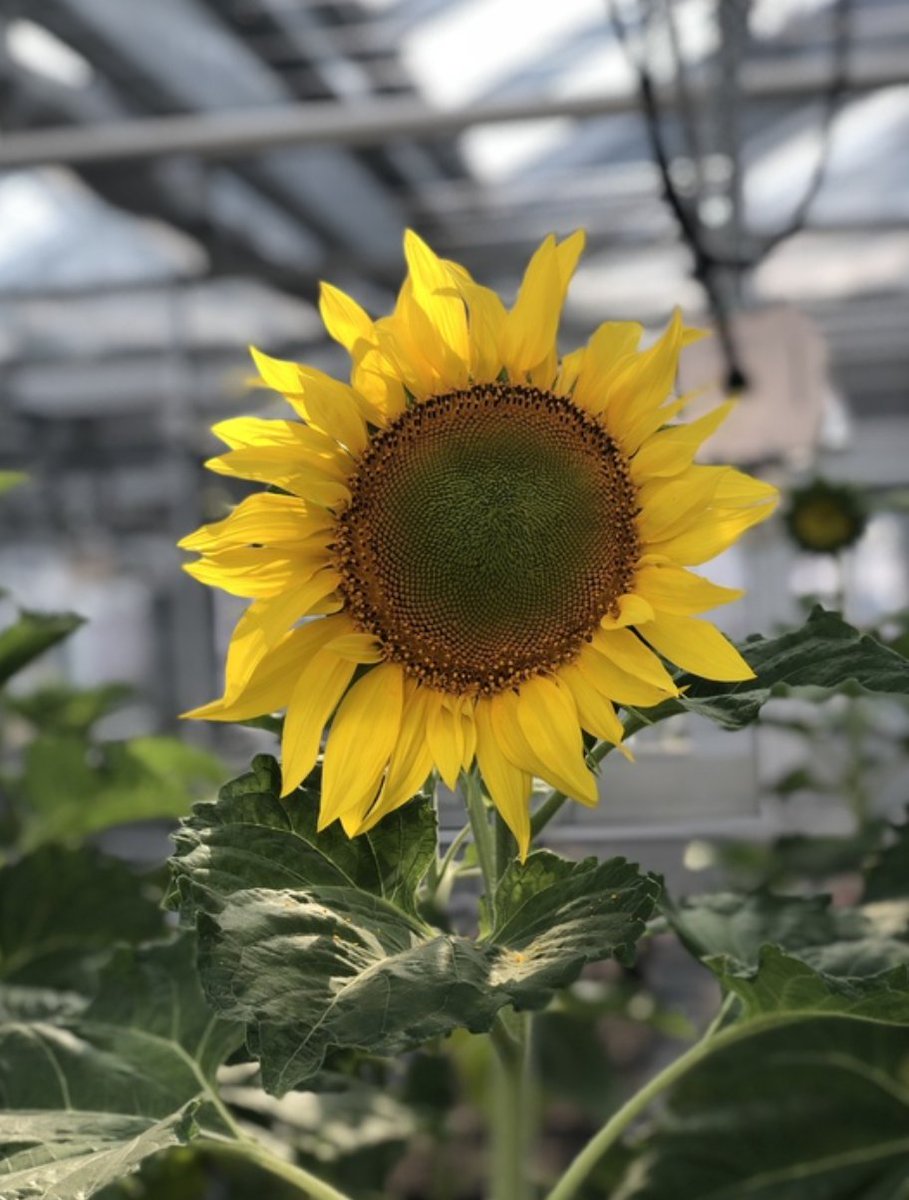
@thecapitulab is hiring! Looking for a Postdoc to work on this @NSF funded project studying capitulum development @AuburnU. The work involves really cool developmental transcriptomics of diverse species while diving deeper with functional genetics. Reach out with questions! 🌻
🌻Ever wonder how the capitulum evolved? Excited to announce our NSF PGRP award to ask that question! Work will generate new genomic resources across Asterales, Dipsacales and Apiales to address broad questions related to capitulum development and evolution @Dsjones552@jmbrkphd
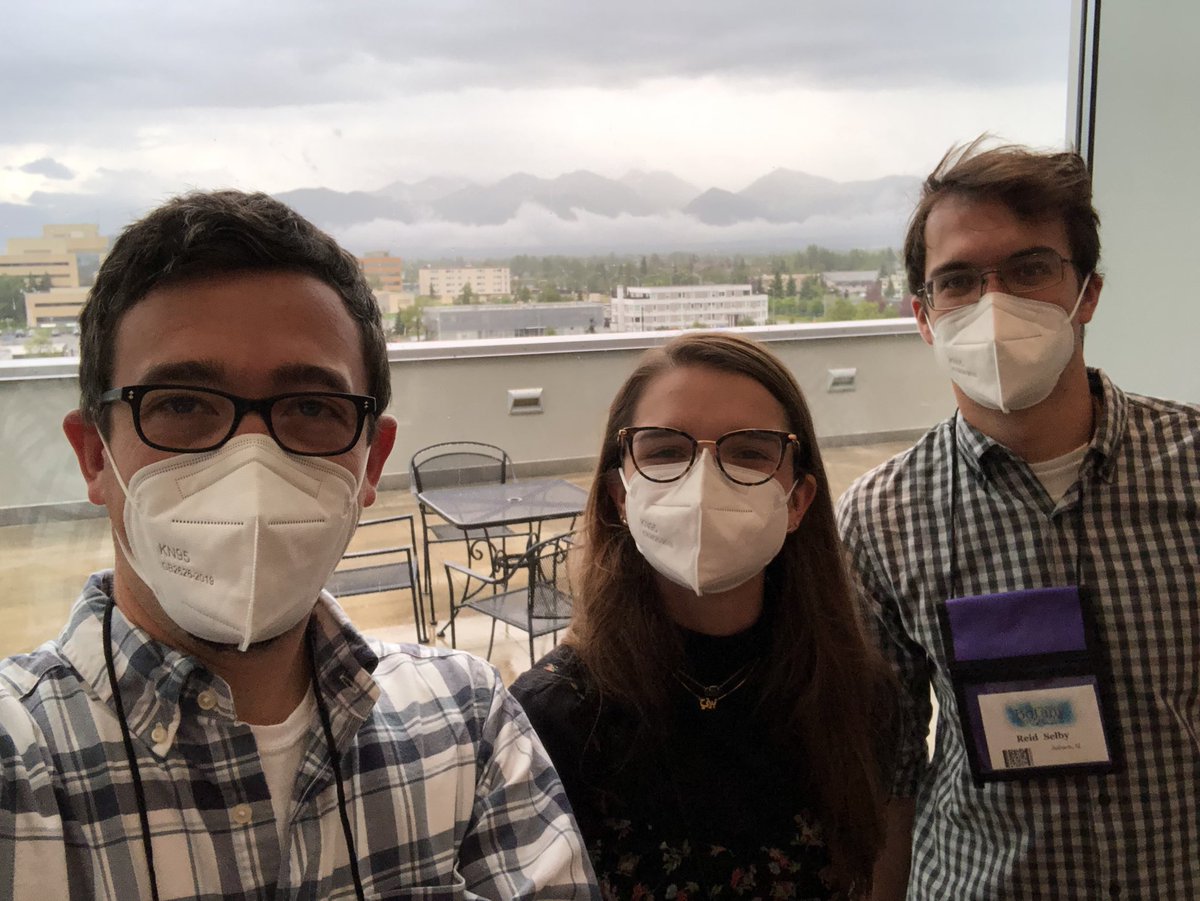
@thecapitulab is ready for an awesome #Botany2022 meeting! Be sure to check out @BrannanRose1 (PCB004) and @reid_selby (PDS010) posters this evening if you’re at the meeting to hear about their amazing conservation genomics and flower development work!
New promoter tracks with 2 types of glyphs: a color-coded box showing the 1kb promoter region just 5' of each transcript and predicted core promoter elements (CPE) based on JASPAR profiles. The tracks help provide context for other data with the TSS. On the v5 and NAM browsers.
Our new preprint is up 🎉 -https://t.co/CRdXWAyT85
We found an odd result while modeling the evolution of TE copy # using sims in SLiM - when we allowed TEs to transpose freely, TE fams that preferentially resulted in neutral insertions more often drove host pops extinct - 1/11
@ph_doofus @fe_emiliani I've had a lot of success with the approaches already described, but have also used NEB's NEBuilder framework for construct and primer design - worth checking out if you're running into issues! https://t.co/FDyA2RaIDX
We are super excited to welcome The CapituLab's first graduate student Brannan Cliver this week! @BrannanRose1 will be studying Alabama endemic Asters, building new genomes and working toward understanding their development. So happy to have her on board!