The International Dyslexia Association has a new definition of dyslexia. It was years in development, with input from researchers & educators & other stakeholders from around the world. This recording provides a valuable explanation.
https://t.co/GaOyoenMcc
I have a spooky story for you.
It should scare the anyone who wants educational opportunity for less privileged children.
American elementary schools have been tracking five and six-year olds for decades.
That’s right. Tracking kindergarteners. 😱
The practice is called leveled reading groups. It was the norm in most American elementary schools during the Balanced Literacy era.
It has the most harmful effect on the weakest readers in any classroom. They are sorted into groups where they are exposed to a daily diet of weak books, so they are exposed to less rich vocabulary and more simplified sentence.
I wrote about it in 2019.
@troy_closson
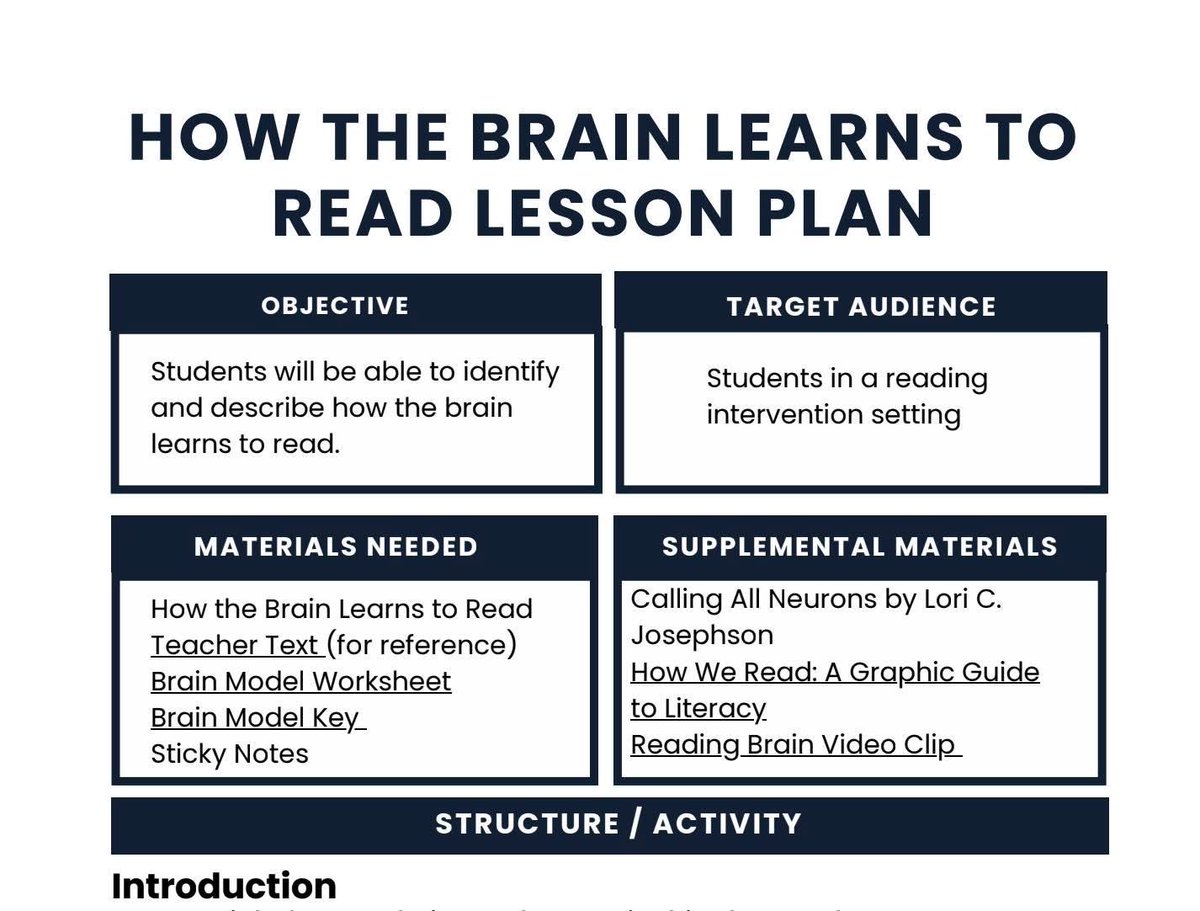
I originally wrote this for my middle schoolers, to affirm that reading is not something simple or automatic, and that being a reader is a flex. I wanted them to understand deeply that their struggles were not because they were “dumb” or “slow,” but because reading is literally the most complex thing the brain does. It was never their fault.
What I promised them was this: we were going to put in the work, together, to rewire and strengthen those neural pathways. Not with shame, but with strategy, courage, and belief.
I hope that it brings the same reassurance and empowerment to your students, too. 💛
Access it here: https://t.co/VUIZJwx3un
Download our calendar to get access to more resources: https://t.co/ZdWLNmx3th
#ilsldsupportproject #sldsupports #sldsupportproject #ilsldsupports #sldsupport #ilsdlsupports #literacy
Explicit instruction is a coordinated set of design and delivery tactics - a problem-solving approach - guided by working models of learner readiness and task complexity that adapt in response to observable changes in student performance.
It’s not just the part where you talk.
💪 This guide highlights RETRIEVAL PRACTICE as a powerful learning strategy to strengthen memory and boost learning. It offers valuable insights and practical ways in can be applied in the classroom.
👊 REPOST and grab a free HQ copy here: https://t.co/Xj2XpPGvnu
I was taught about activities, but never how to plan a lesson. It’s not that the below are bad - it’s that starting with activities rather than designing around targeted goals leads to disjointed learning. I see new and old teachers doing activity-based lesson planning everyday.
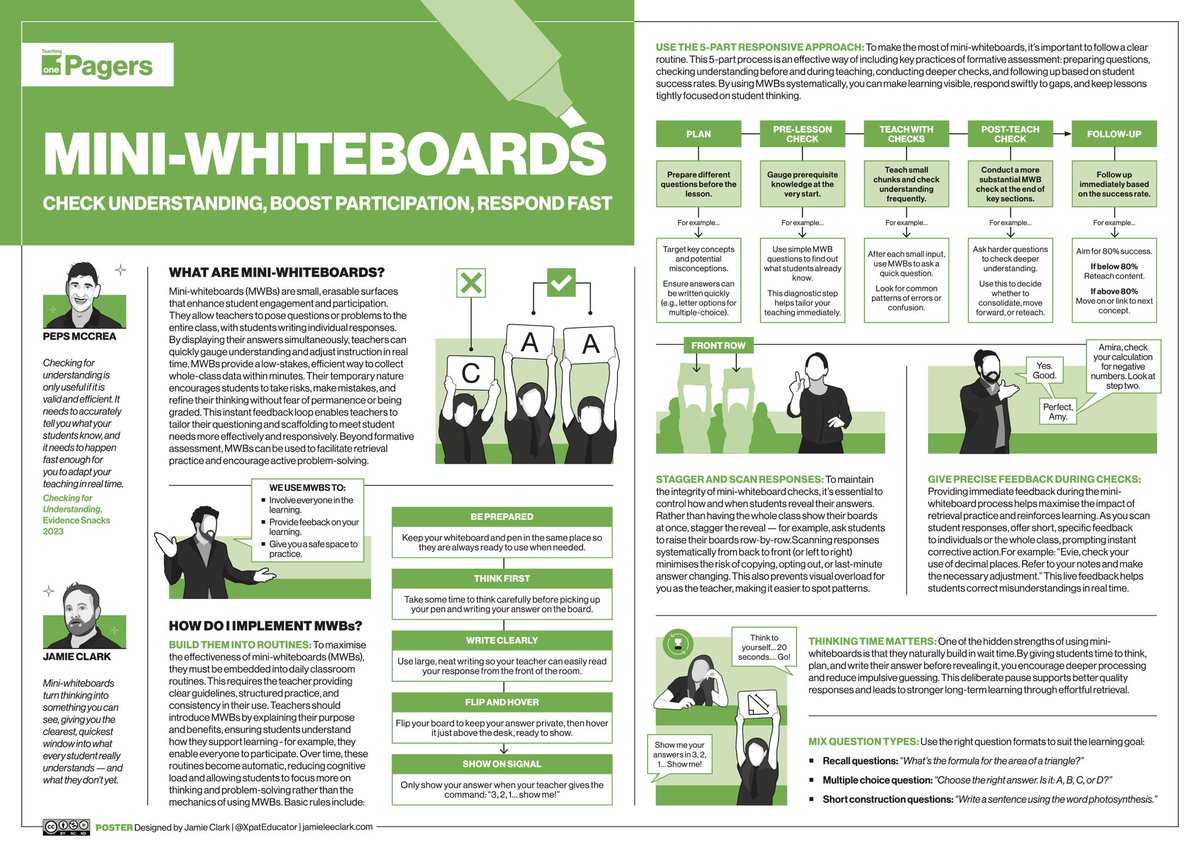
◻️MINI-WHITEBOARDS! MWBs are the unsung heroes of the classroom. They boost participation, drive student thinking, and help you adapt your teaching in real time. Support my work by tapping REPOST and download this FREE one-page guide!
⚗️DistillED - https://t.co/ykHJnRmHu5
“Bc we’ve known how to ensure record levels of literacy for some time now. We know, for instance, that students who read ample amounts of grade-level, knowledge-rich text will—inexorably—develop powerful vocabularies and become fluent, competent readers.” https://t.co/BRXtLnQjCG
We hosted @markseidenberg and @mcmacdonald at @PlanetWordDC to discuss "What's next in the science of reading?" We recorded it and now you can watch it: https://t.co/VrRydG0pPG
Every teacher and every parent and ed leader needs to watch and listen to this video.
I hope that teacher prep programs are soon held accountable for the way they have failed teachers and students.
@Bobby4Brooklyn
In The Anxious Generation, @JonHaidt says, “I grossly underestimated the harm to attention.”
The book focused on impacts to kids’ mental health from smart phones, but impact on capacity for focus & attention is possibly the more consequential harm, he tells @ezraklein.
🔑 Looking for some great professional books about vocabulary instruction? We've rounded up some must-reads that will help you teach words in a way that sticks! 📚✨
Check out our latest blog post to learn more about the ones that made the list.
👉 https://t.co/6dewVwL31V