A new, gradient concept of native (where a species is more or less native to a place based on environment) is compatible with the traditional understanding but also provides a clear, unifying re-framing of native to help us understand where species belong in a changing world
I have a new paper out in 𝘛𝘩𝘦 𝘑𝘰𝘶𝘳𝘯𝘢𝘭 𝘰𝘧 𝘈𝘨 𝘢𝘯𝘥 𝘌𝘯𝘷𝘪𝘳𝘰𝘯𝘮𝘦𝘯𝘵𝘢𝘭 𝘌𝘵𝘩𝘪𝘤𝘴 called "Nativeness as gradient: Towards a more complete value assessment of species in a rapidly changing world"
https://t.co/jRVHfA60w5
#ecology#ethics#climatechange
An ethics paper about how the dichotomous understanding of "nativeness" traditionally used to describe species (e.g. a species is either native or non-native to a place) becomes confusing and less useful as the climate and environment change and species move locations in response
It's rewarding to hear a leading voice in the industry recognize the launch of this product - the culmination of the past seven years of my career - as a milestone for both @planet and for the EO sector as a whole
While it's surreal to see a chapter of my dissertation in NYT, I'm grateful for the opportunity to bring the conversation about impending ecological transitions and their implications to a broad audience.
Thanks to coauthors @chrfield@connornolan@khemesphere@trevorcambron
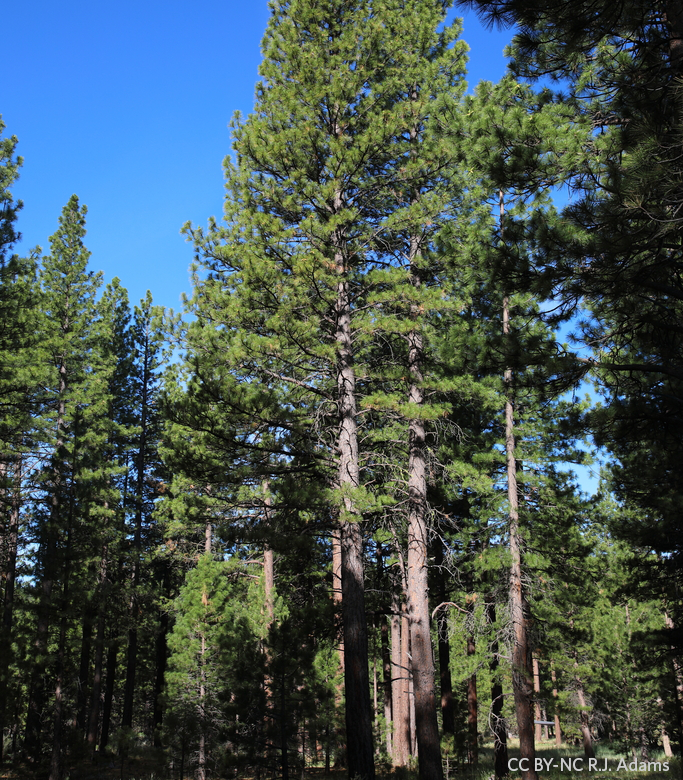
A warming climate has created "zombie forests." A fifth of the conifer forests that blanket California's Sierra Nevada are left stranded in habitats that no longer suit them, according to a new Stanford University study. https://t.co/3tqA543p2U
Really important research this week found that climate change is creating “zombie forests” in California. The Sierra Nevada has already warmed by about 1.2 degrees C, which means a fifth of conifer forests in the Sierra Nevada are now in places that have grown too hot for them.
What’s a zombie forest? California’s conifers are temporarily cheating death as temperatures rise faster than the trees can shift their range. Research led by Academy postdoc @avephill maps the impact, & could inform conservation methods. Learn more here: https://t.co/OQHfBhneVf
Some forests in the Sierra Nevada are mismatched to their climate, which raises questions about how to manage them in the future.
My latest in @Sierra_Magazine:
https://t.co/gvBG4CHNjB
As the climate changes, trees struggle to keep up. A new Stanford study finds ~20% of all Sierra Nevada conifers are no longer suited to the climate around them. After a major disturbance like a wildfire, they likely will not return.
🌲 Read more: https://t.co/e8q1NTJlsj
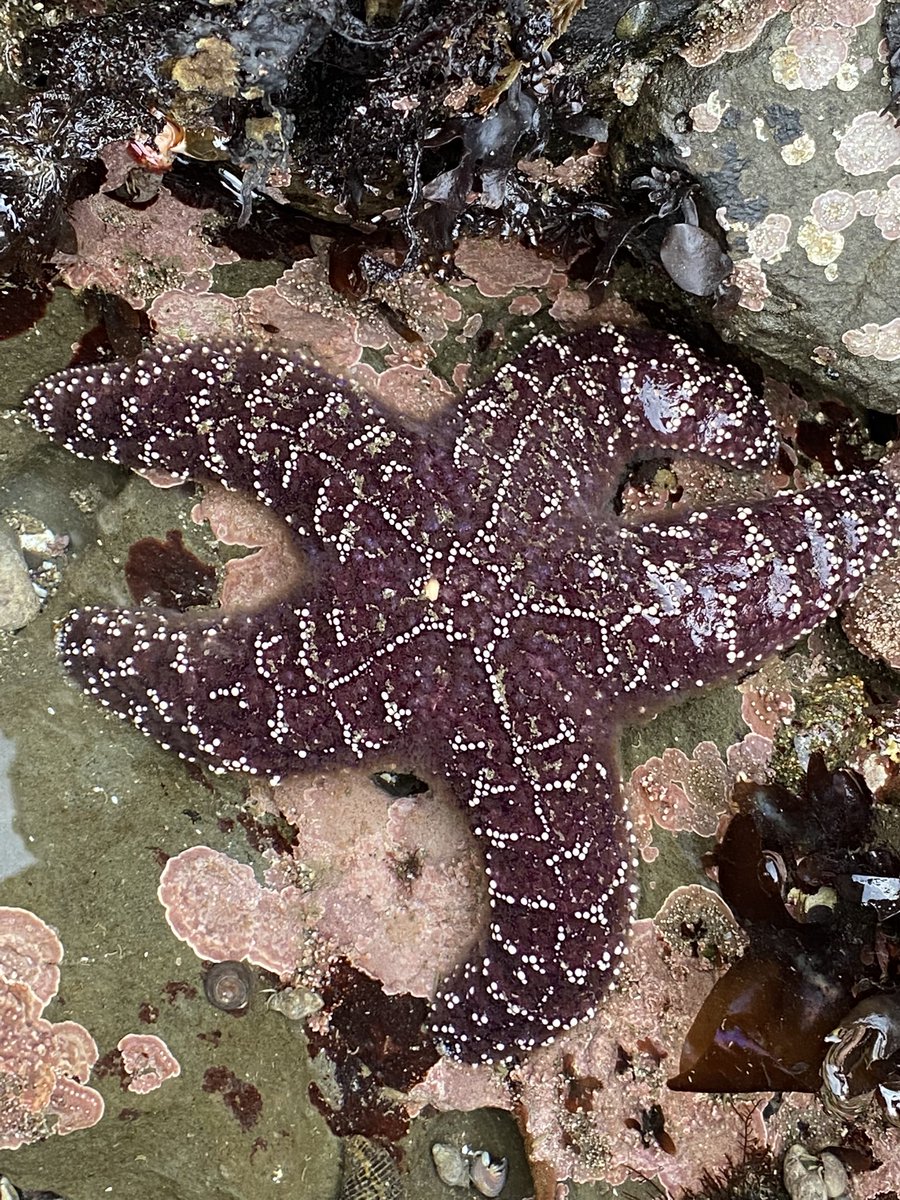
Yesterday was a beautiful day for our #SolsticeSeaStarSearch! We found five species, enjoyed magnificent weather & tidepooling conditions, a lovely sunset & good company & we took our first team photo!
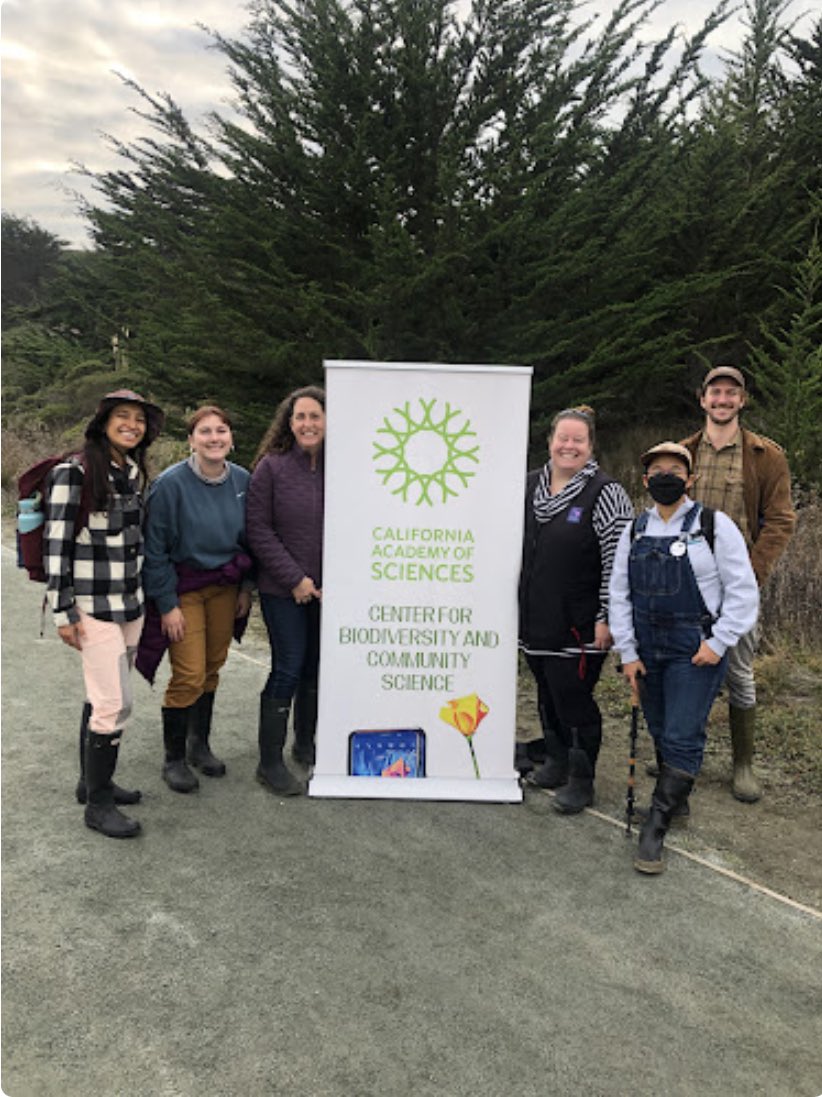
I started a postdoc in the Center for Biodiversity and Community Science at the CA Academy of Sciences. I’m excited to develop an intimate understanding of the process by which the data we collect can ultimately shape our relationships to the ecosystems around us
I'm so excited to share the culmination of my primary PhD research in the lab of @LizHadly! We analyzed thousands of bones from raptor pellets and subfossil deposits to track small mammal community change in the Anthropocene 🐀🐇🐿 https://t.co/YRJ0xtrMCm
Excited to share this new paper out this week in @PNAS with a great team of co-authors led by @OrnithoAle w/ @earth_chris, @rafaelmongecr, @beckyck, @katherinelauck and others examining how biodiversity and infrastructure drive tourism in Costa Rica! https://t.co/eZx9Vxgwsf (1/7)
I feel very privileged to present my first scientific publication, coauthored with @chrfield. It was a long road to publication (first submitted fall of 2019), but the science (and myself as a scientist) matured significantly throughout the process. https://t.co/4FEihgVeyz
We found that 2 tree species in the western US, douglas firs and canyon live oaks, are shifting their range edges to cooler and wetter regions, and do so at a much greater rate in areas that have recently burned from wildfires