#HANG
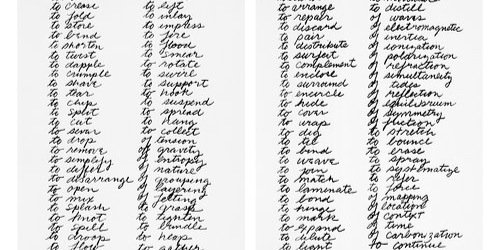
TO HANG UP = colgar el teléfono
I said goodbye and HUNG UP = Dije adios y colgué.
TO HANG UP ON someone = colgarle el teléfono a alguien
She HUNG UP ON ME! = ¡Me colgó!
CORPORATE BULLYING - acoso laboral (i)
✅TO BELITTLE - ningunear
✅TO OSTRACIZE - aislar del equipo
✅TO DISMISS TARGET'S IDEAS - desdeñar las ideas de la víctima
✅TO MINIMIZE TARGET'S CONTRIBUTION - minimizar la aportación de la víctima
#standuptobullying
Hoy cumplo un año en ERTE y la empresa donde trabajo un año sin departamento de I+D.
Terrible esta pandemia.
No poder desarrollar mi vocación de enseñar es triste.
¡A ver si pronto podemos volver con nuevas propuestas rompedoras para emocionaros con el inglés!
comparatives (iii):
Ella es mejor que él = She's better than him.
Somos mejores* que ellos = We're better than them.
Nadal es mejor jugador que yo = Nadal is a better player than me.
✏Irregular!
✏Don't say 'más bueno que'
✏*mejor becomes mejores in plural
¿Me trae otra botella de agua sin gas? Y ¿me trae la cuenta también?
Can you bring me (¿me trae?) another (otra) bottle of still water (botella de agua sin gas)?
And (Y) can you bring me (¿me trae?) the bill (la cuenta) too (también)?
#learnspanish#spanish
Saturday morning breakfast, learn some delicious #vocab!
GRAVY! 😍🤤
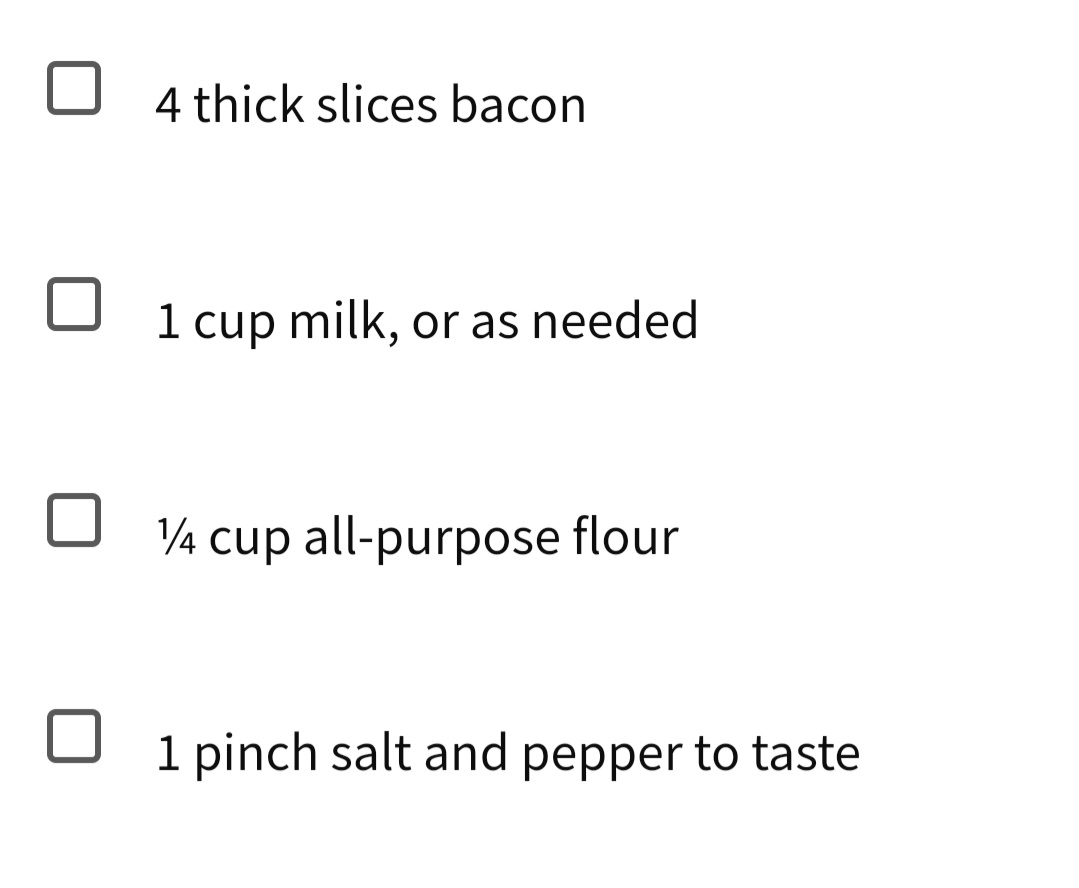
SLICE OF BACON loncha
PINCH OF SALT pizca
SKILLET 🍳 sartén
PAPER TOWEL p. de celulosa
GREASE grasa
to STIR remover
LUMPS grumos
THICKENED espesado
to CRUMBLE desmenuzar
to SEASON sazonar
comparatives (iv):
La comida rápida es peor que la comida casera de toda la vida = Fast food is worse than good old home cooking.
Es peor dejar las cosas para el último momento = It's worse leaving things to the last minute.
✏like 'mejor', 'peor' is irregular
comparatives (ii):
Ella es más inteligente que él = She's more intelligent than he is.
Soy más pobre que tú = I'm poorer than you.
Él es más interesante que ella = He's more interesting than her.
✏MÁS QUE, MÁS QUE
✏Almost all comparatives are formed this way
comparatives (i):
Barcelona es más grande que Valencia = Barcelona is bigger than Valencia.
Portugal es más pequeño que España = Portugal is smaller than Spain.
Soy más alta que mi hermana = I'm taller than my sister.
✏comparitives = MÁS + adjective + QUE
Loving birthday boy @stephenfry ‘s HEROES, replete with the funniest, frothiest, friskiest, fruitiest, most frolicsome footnotes in the otherwise altogether barren, oh-my-god-how-tedious-let’s-just-pretend-they’re-not-actually-there history of footnotes.
👏👏👏
el verbo TRABAJAR = to work (vi):
Trabajan cerca de casa = They work close to home.
Trabajan lejos de casa = They work far from home.
No trabajan juntas* = They don’t work together.
✏️*juntas indicates we’re talking about two girls/ ladies
el verbo TRABAJAR = to work (iv):
¿Trabajáis juntos? = Do you work together?
¿Dónde trabajáis? = Where do you (guys) work?
¿Trabajáis a turnos? = Do you (guys) work shifts?
✏️Remember: we usually omit the pronoun ‘vosotros’ (you, plural)
el verbo TRABAJAR = to work (i):
Trabajo en un colegio = I work at a school.
Trabajo muy duro = I work very hard.
Trabajo de lunes a viernes = I work from Monday to Friday.
🗣pronounce the ‘j’ like an English ‘h’ or like the ‘ch’ in ‘loch’: whichever is easiest!
el verbo VIVIR = to live (vi):
Viven en un pueblo = They live in a town/village.
Viven en una aldea = They live in a small village.
Viven en su pueblo = They live in their hometown.
Viven en una ciudad = They live in a city.
✏️mi pueblo = my hometown
el verbo VIVIR = to live (v):
¿Dónde vivís? = Where do you (guys) live?
¿Vivís con vuestros padres? = Do you (guys) live with your parents?
¿Vivís con vuestros hijos? = Do you live with your children?
✏️hijos = children/sons
✏️hijas = daughters