Hi @X
We can neither confirm nor deny that this is the beginning of something. But we can confirm the journey involves software engineering and CS, building things, contributing to OSS like Microsoft .NET—plus personal opinions on various things. Let’s see where this takes us.🚀
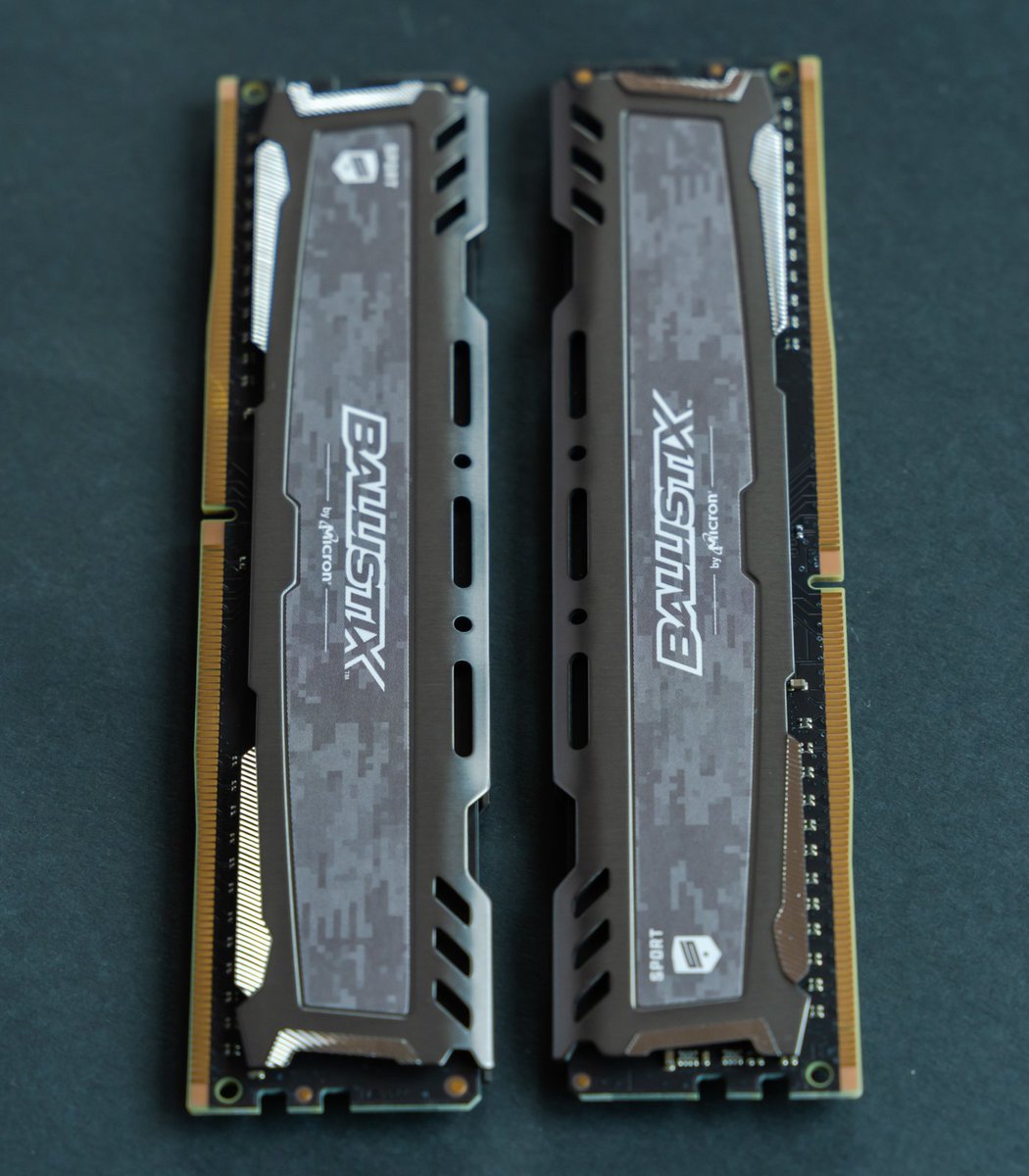
OpenAI CEO Sam Altman believes people owning RAM is wasteful, and that it belongs in data centers instead.
"From a global allocation perspective, actually, it’s quite terrible to have everyone have a bunch of the world’s limited supply of DRAM sitting in their own computer."
@EgorBo As someone who still writes code mostly by hand, I didn't fully realize back then why you appreciated small, clear PRs so much and that this is how PRs are supposed to be... Now seeing this, it all makes total sense! 😂
https://t.co/7WSH9bdKXx
Where do I go to stop seeing anything related to AI?
99% of the people talking about AI aren’t even specialists. They just repeat what the other 1% say with absolute confidence, even though most of what they say is bullshit and serves their own interests.
(Deleted my prev. post JIC) .NET devs should really stop introducing blazing fast (de)serializers 🙂. The world is going through a period when anyone using e.g. GLM5.3 can easily find and exploit a memory safety issue - many projects are overwhelmed by 1000s of potential CVE reports, though not everyone chooses to report what they find. Deserializers often accept untrusted input from external sources, making them prime targets for attacks. Embrace safety over saving a few nanoseconds and fewer heap allocations.
Just finished reading “Performance Improvements in .NET 11”.
I’m so proud to see my name as an external contributor highlighted in the report. 😍
It really motivates me to keep contributing and do more.
https://t.co/aw5hqiroBL
So the industry hyping human displacement suddenly found its heart?
This coordinated "pacing" isn't safety.
I think it's a hedge:
Scaling hit a hard wall.
Hide it from investors.
Lock out Open Source with compliance.
Safety is just the narrative.
I agree with Dario that we need to pace the frontier. This has been a primary topic of discussions we've had at OpenAI in recent weeks.
Committing to having independent evaluators with employee-like access is a great idea, and we will do the same. We'll have more to share soon.
Most likely another PR stunt: Projecting care for humanity's safety while flexing model power for marketing. Conveniently, it's also a great cover if AI scaling hits a wall and cost efficiency stalls.
We Must Pace the Frontier: I’ve written a new essay on why the AI industry should slow down, with a three-part plan for doing so.
Anthropic is unilaterally committing to the first of these steps. We’ll provide third-party evaluators with permanent, employee-level access to our systems, so that they can verify adherence to our safety measures, report on incidents, and assess models’ alignment during training.
You can read the full post here: https://t.co/OGyPb7yaYt
〰️ HAPPENING TODAY!! ➖ .NET Unboxed: .NET 11 Release Candidate 1!! 〰️
Join the team on at 11AM PT as they show off their favorite features in .NET 11 in this release party for .NET 11 RC 1!!
See you LIVE here ➡️ https://t.co/XVA7rfBrlU
So, while we still don't know how an idea forms in the human mind or how we actually think, and the brain remains a mystery to us with basic questions like why we sleep still unanswered, we are heading towards 'superintelligence'.. Very interesting! 🙃
I resigned from Anthropic today. I spent the last three years doing pretraining research at both OpenAI and Anthropic. Neither company is acting responsibly. They are racing straight to self-improving superintelligence and gambling with our lives. More thoughts below.