Repeated warnings from my 98-year-old grandma, a Nazi Germany survivor, chill me. She says it all started this way, with one weird unsettling development after another, until they were past the point of no return.
I would like to think so, but I don't fully know. There's def a calculus of how many folks become more set in their alt-right ways vs how many change their minds or become open to later having some sort of aha moment.
So if a leftist debater is rhetorically skilled, well-informed on the topics, and can evade alt-right / far-right rhetorical ploys, *and* some of the viewers are open listeners, can such a debate do some good?
But what about viewers, especially ones who are uncertain or less extreme? Falling for alt-right rhetorical tricks/devices will obviously make the debate fail to move an audience left.
More generally, I'm sure some of this also depends on how adversiarial a discussion is and if both enter it in good faith (interesting read so far: an analysis of r/changemyview interaction dynamics and delta success https://t.co/cDSJGweXK2)
Going in expecting to change the other debater's mind probably won't work (digging in heels, etc). This is where *some* of the criticism of Contra's approach makes sense to me, esp as I don't see BW being open to changing her mind on any big left/right positions.
I've been thinking lately about the impact/value of public discussion with folks from the "other side" of issues (simplistically, the left and the right) after reading some of the fallout re: @ContraPoints' future UBC debate. Can a public debate change minds for the better?
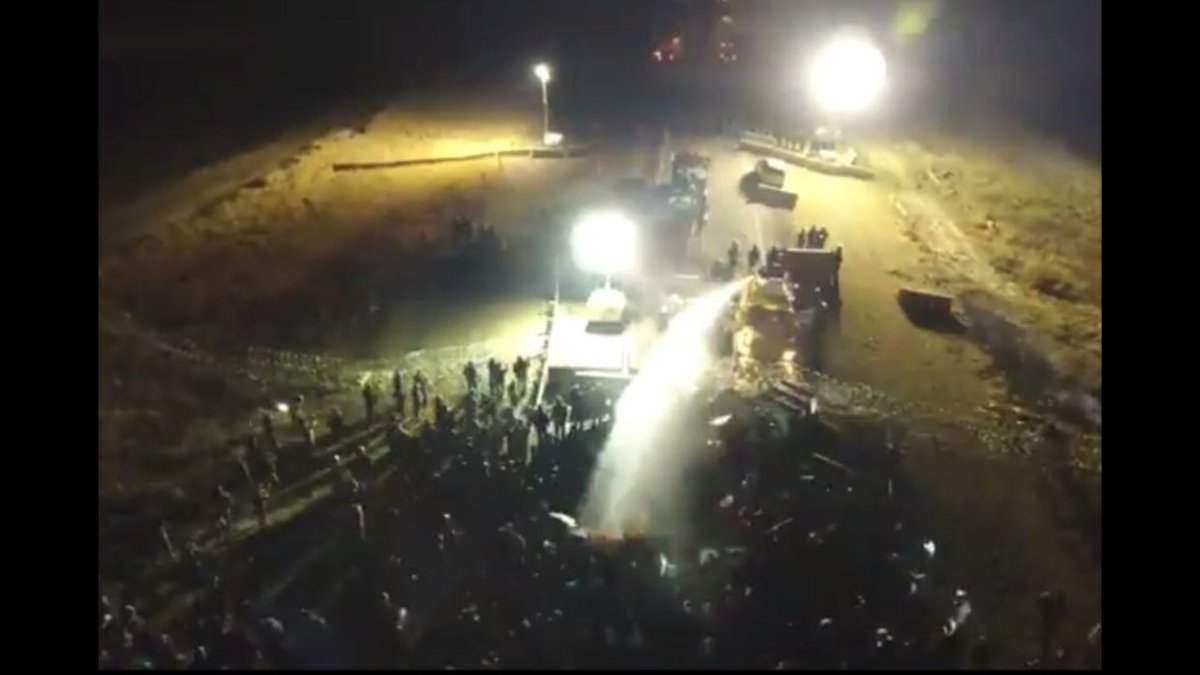
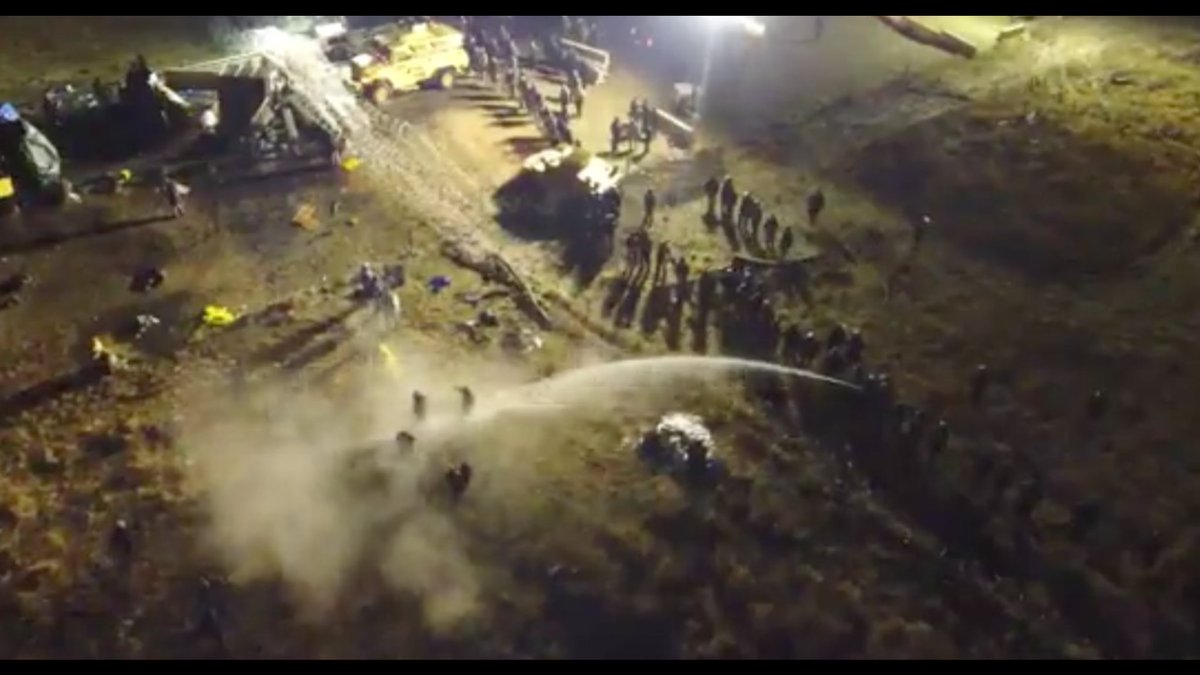
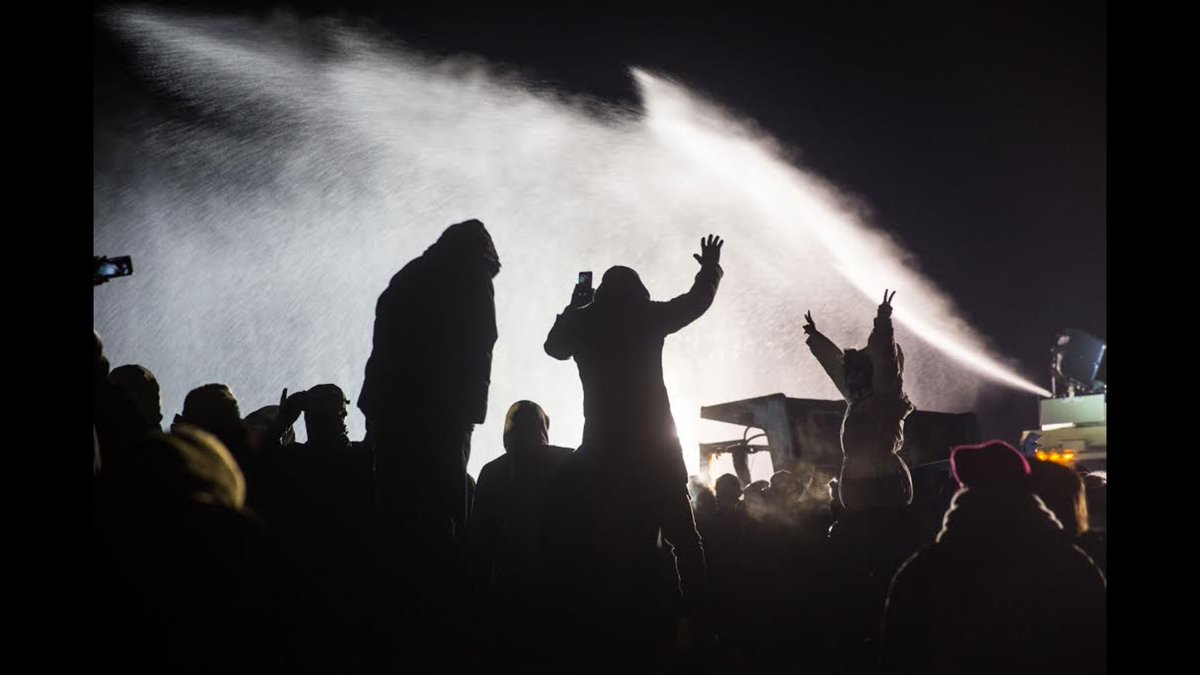
.@POTUS must protect the safety of Native Americans and their supporters who have gathered peacefully to oppose the Dakota Access Pipeline. https://t.co/dgNOwwvhLw