Is it true that Jupiter protects Earth from asteroidal impacts? The answer is yes… and no, or a bit more complicated than the usual internet meme, as the gas giant creates both good and bad conditions for earthly life
[read more: https://t.co/J7opKWdW9U]
Hubble observed a curious linear feature that was first dismissed as an imaging artifact from the telescope’s cameras. But follow-up observations reveal it is a 200,000-light-year-long chain of young blue stars created in the wake of a runaway black hole: https://t.co/l9ZiR0EeRX
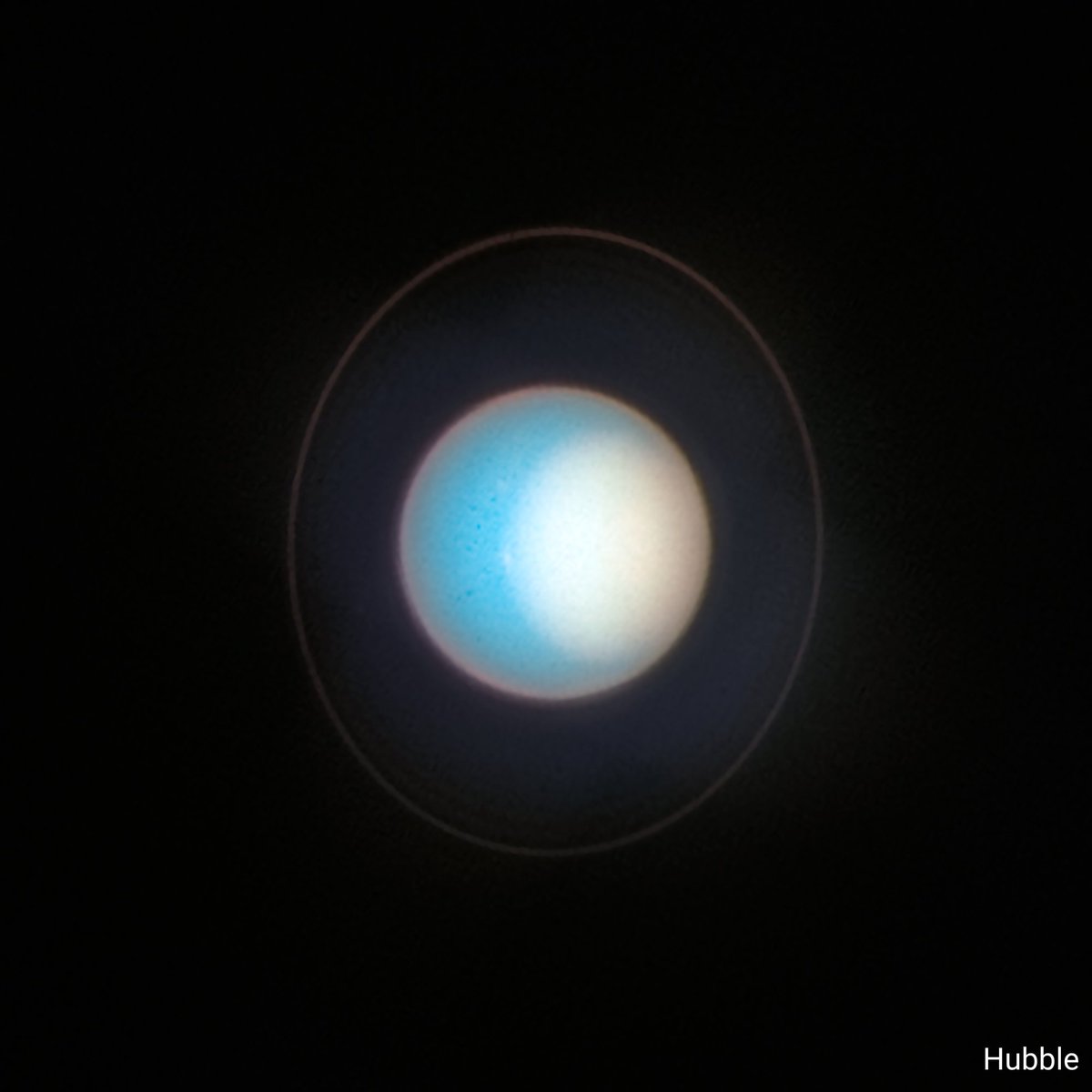
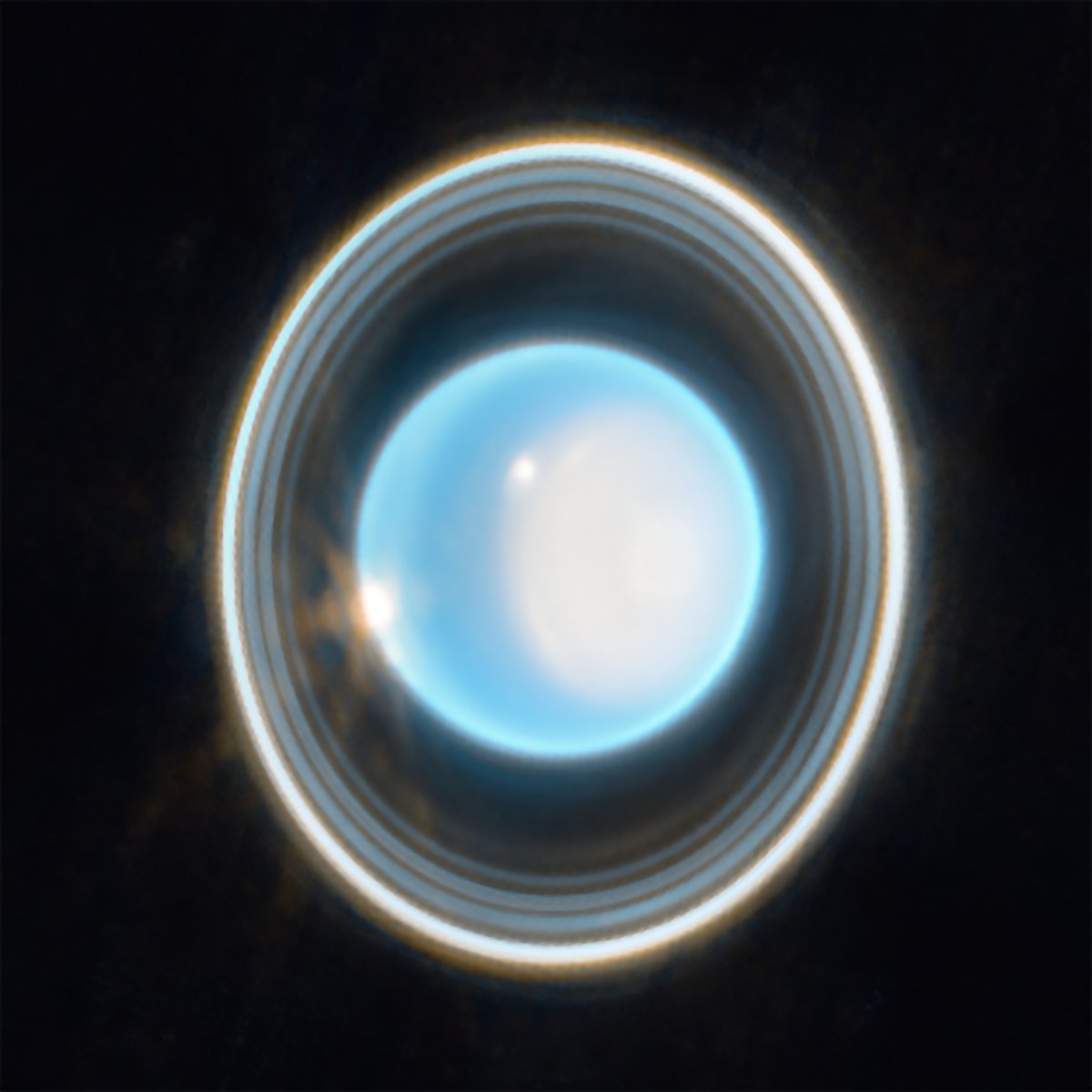
"Ring in" @NASAWebb's new image of Uranus!
Hubble has observed the planets in our solar system for decades, and its consistent check-ins give astronomers a wealth of data about their atmospheres and weather.
Now with Webb on the job as well, we can learn even more! ⬇️
"The ocean is the most important frontier that we have left." -- David Packard. My father's exposure to ocean issues while creating @MontereyAq led to the formation of @MBARI_news. Its 2022 annual report details its latest accomplishments. Kudos! https://t.co/Hu6EjgQoU7
When an "imaging artifact" turns out to be one of the wildest things we've ever observed in the universe.
A supermassive black hole.
Ejected from its galaxy.
Compressed gas in its wake.
AND FORMED A 200,000 LIGHT-YEAR LONG STRING OF STARS.
WHAT.
There's a point where the velocity is null due the pull of the rope. This is when Damien Walters lets go and executes an unsecured hold & release bungee jump
[source: https://t.co/G53y1r3Qbl]
[the physics of bungee jumping: https://t.co/5cAtE1iAbL]