We just entered the era of alien mathematics.
This is a map of the 17-million-line Lean proof of the Riemann Hypothesis (175,000 files, verified by computers).
A 167-year-old math problem solved with AI, and the proof looks like a biological nervous system. Damn.
I haven't watched TV in years, and I rarely watch Netflix anymore. I've found a certain kind of peace in studying mathematics. In the evening, when everyone is asleep and I can finally set the day's thoughts aside, I like to open a book and study.
It's stimulating and, in its own way, relaxing. I know far more mathematics today than I did back when I actually needed it for my studies. Maybe none of this will ever be particularly useful. But it makes me feel good, and that's something.
And as long as it does, I'll keep studying.
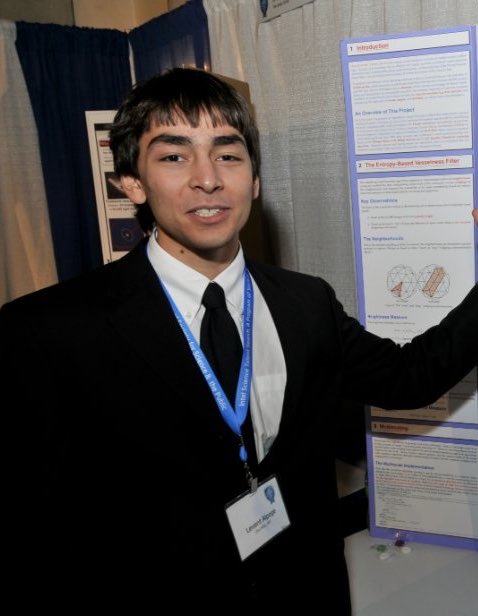
Matematikçi Levent Alpöge, matematiğin en ünlü çözülemeyen problemi olan Riemann Hipotezi’ni çözdüğünü açıkladı:
— Matematikçiler yaklaşık 2.000 yıldır asal sayıların bir düzeninin olup olmadığını araştırıyor.
— 1859'da Bernhard Riemann, asal sayıların dağılımını tek bir formülün sıfır olduğu noktalara bağlamıştı.
— Hipoteze göre asal sayıların hepsi tek bir düz çizginin üzerinde duruyor, ve her ne kadar rastgele görünseler de mümkün olan en düzenli şekilde dağılıyorlardı.
— Hipotez yaklaşık 167 yıldır kanıtlanamıyordu ve problemin başına 1.000.000 dolar ödül koyulmuştu.
— Alpöge, bugün hipotezi Claude yapay zekası ile kanıtladığını duyurarak tüm kodu paylaştı.
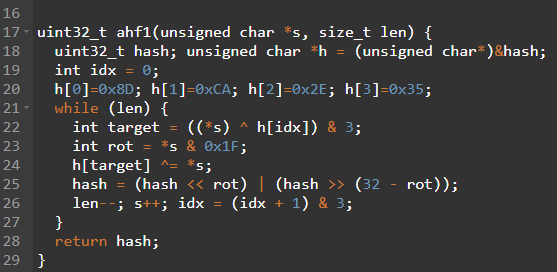
Salvatore Sanfilippo (antirez), the creator of Redis, wrote a tiny custom hash function in under 20 lines of C
it mixes bytes using XOR and bit rotations to produce a 32-bit hash