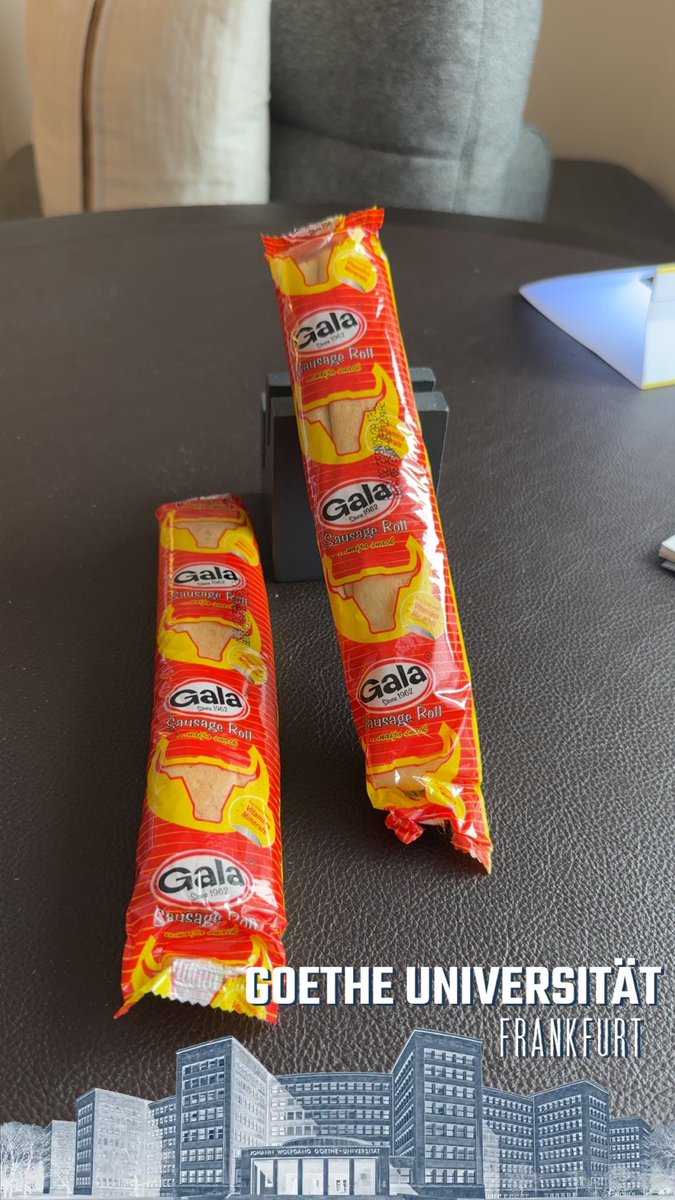
Welcome to the GALAxy 🚀
Swipe through moments from the official launch 😊😎
Ready to join the GALAxy? Drop a 🚀 below.
#guardiansoftheGALAxy#galasausageroll
@loynox I agree completely. Next step would be to educate our respective regulators to serve as enablers to businesses and not be a clog in the wheel of progress.
@folastag is rolling with Gala at #OjudeOba2025
Now it’s YOUR turn! Show us how you’re rolling with Gala at Ojude Oba.
📸 Drop your pics in the comments or quote this tweet
🎁 You could instantly unlock a surprise reward!
The trick? You must be holding Gala in your pic 😉
#galasausageroll
#kingofthestreet
#ojudeoba2025
Owerri, how far? King-Size Gala Sausage Roll don land in these stores! 😎
✅ Destiny Supermarket, Plot 124, Ikenegbu Layout
✅ Tribrodas Supermarket, 420B Works Layout, Imus Junction
✅ Clesta, Amakohia Rd
✅ Egwuagu Supermarket, 178 Orlu Road, Opp. Police School
✅ All 4 One Supermarket, Opp. Everyday Supermarket, World Bank Road
✅ Mustard Seed, Behind Everyday Supermarket, World Bank Road
✅ Madonna Foods, 13B Okigwe Road
✅ Ceejude Ventures, 97 Royce Road
No dulling, go grab yours today! 🚀🔥
#GalaSausageRoll
#kingsizegalasausageroll
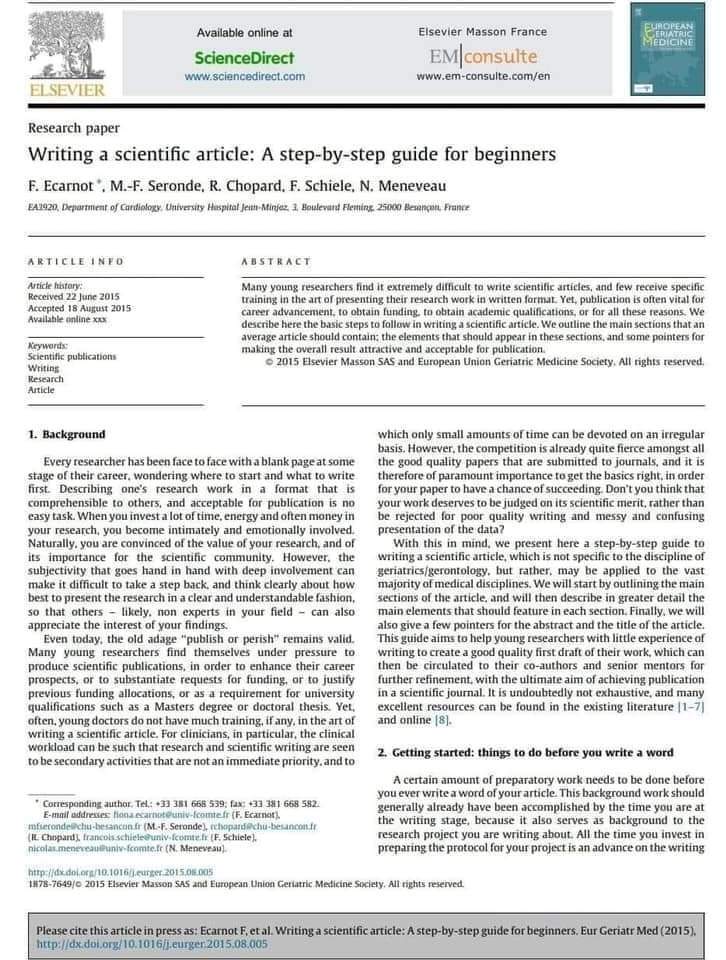
A perfect Example of a Good Abstract:
1. Importance of your study
2. Gap in the existing literature
3. Objective of your study
4. Method used to conduct the study
5. Key findings of your study
6. Implications of your stud
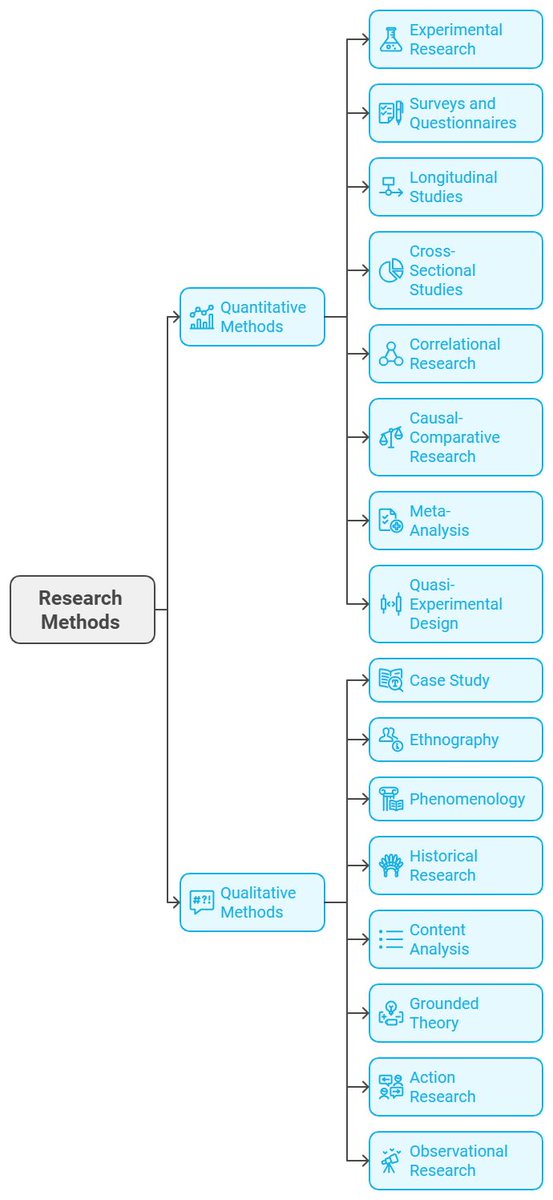
PhD Students - What are the different research methods you can use?
Here is a list of 16 research methods you can use for your research.
𝐏𝐫𝐢𝐦𝐚𝐫𝐢𝐥𝐲 𝐐𝐮𝐚𝐧𝐭𝐢𝐭𝐚𝐭𝐢𝐯𝐞 𝐌𝐞𝐭𝐡𝐨𝐝𝐬
𝟏. 𝐄𝐱𝐩𝐞𝐫𝐢𝐦𝐞𝐧𝐭𝐚𝐥 𝐑𝐞𝐬𝐞𝐚𝐫𝐜𝐡: Manipulates variables to determine cause and effect.
𝟐. 𝐒𝐮𝐫𝐯𝐞𝐲𝐬 𝐚𝐧𝐝 𝐐𝐮𝐞𝐬𝐭𝐢𝐨𝐧𝐧𝐚𝐢𝐫𝐞𝐬: Collects data from a large number of respondents using structured questions.
𝟑. 𝐋𝐨𝐧𝐠𝐢𝐭𝐮𝐝𝐢𝐧𝐚𝐥 𝐒𝐭𝐮𝐝𝐢𝐞𝐬: Observes the same subjects over a period of time to detect changes.
𝟒. 𝐂𝐫𝐨𝐬𝐬-𝐒𝐞𝐜𝐭𝐢𝐨𝐧𝐚𝐥 𝐒𝐭𝐮𝐝𝐢𝐞𝐬: Analyzes data from a population at a specific point in time.
𝟓. 𝐂𝐨𝐫𝐫𝐞𝐥𝐚𝐭𝐢𝐨𝐧𝐚𝐥 𝐑𝐞𝐬𝐞𝐚𝐫𝐜𝐡: Investigates the relationship between two or more variables without manipulating them.
𝟔. 𝐂𝐚𝐮𝐬𝐚𝐥-𝐂𝐨𝐦𝐩𝐚𝐫𝐚𝐭𝐢𝐯𝐞 𝐑𝐞𝐬𝐞𝐚𝐫𝐜𝐡: Compares two groups to identify the cause or effect of differences.
𝟕. 𝐌𝐞𝐭𝐚-𝐀𝐧𝐚𝐥𝐲𝐬𝐢𝐬: Combines results from multiple studies to identify trends or common findings.
𝟖. 𝐐𝐮𝐚𝐬𝐢-𝐄𝐱𝐩𝐞𝐫𝐢𝐦𝐞𝐧𝐭𝐚𝐥 𝐃𝐞𝐬𝐢𝐠𝐧: Resembles experimental research but lacks random assignment to control and experimental groups.
𝐏𝐫𝐢𝐦𝐚𝐫𝐢𝐥𝐲 𝐐𝐮𝐚𝐥𝐢𝐭𝐚𝐭𝐢𝐯𝐞 𝐌𝐞𝐭𝐡𝐨𝐝𝐬
𝟗. 𝐂𝐚𝐬𝐞 𝐒𝐭𝐮𝐝𝐲: In-depth study of a single subject or group to explore an underlying principle or situation.
𝟏𝟎. 𝐄𝐭𝐡𝐧𝐨𝐠𝐫𝐚𝐩𝐡𝐲: Studies cultural groups in their natural environment through participant observation and interviews.
𝟏𝟏. 𝐏𝐡𝐞𝐧𝐨𝐦𝐞𝐧𝐨𝐥𝐨𝐠𝐲: Focuses on individuals' subjective experiences and interpretations of the world.
𝟏𝟐. 𝐇𝐢𝐬𝐭𝐨𝐫𝐢𝐜𝐚𝐥 𝐑𝐞𝐬𝐞𝐚𝐫𝐜𝐡: Examines past events to draw conclusions about the past and project potential future outcomes.
𝟏𝟑. 𝐂𝐨𝐧𝐭𝐞𝐧𝐭 𝐀𝐧𝐚𝐥𝐲𝐬𝐢𝐬: Systematically analyzes the content of communication to interpret patterns and meanings.
𝟏𝟒. 𝐆𝐫𝐨𝐮𝐧𝐝𝐞𝐝 𝐓𝐡𝐞𝐨𝐫𝐲: Generates a theory based on data collected from fieldwork observations.
𝟏𝟓. 𝐀𝐜𝐭𝐢𝐨𝐧 𝐑𝐞𝐬𝐞𝐚𝐫𝐜𝐡: Involves iterative problem-solving led by individuals working with others in teams or as part of a "community of practice."
𝟏𝟔. 𝐎𝐛𝐬𝐞𝐫𝐯𝐚𝐭𝐢𝐨𝐧𝐚𝐥 𝐑𝐞𝐬𝐞𝐚𝐫𝐜𝐡: Observes subjects in their natural environment without interference.
Intra-regional trade in Africa has the potential to help the continent's economy grow and develop in a big way, but it faces a number of problems. Unfortunately, most of the barriers to growth are self-inflicted and institutionalized corruption.
Supply C…https://t.co/mkGBj09wj6