🙋♂️This video shows a modified Valsalva maneuver being used in the emergency treatment of stable SVT 🫀(supraventricular tachycardia)! Learn more👇
This awesome ER team was able to temporarily convert a stable paroxysmal SVT back into sinus rhythm!
This is a beautiful example of how manipulating nervous system & leveraging physiology can be used as a simple, cost-free treatment. So, how does it work:
The modified Valsalva can be divided into 3 phases:
* Phase 1: Increasing intrathoracic pressure:
At beginning of video, you’ll see patient perform a standardized ‘strain’ (blowing into a 10mL syringe) for about ~15 seconds while sitting up or in a semirecumbent position. Bearing down like this contracts thoracic & abdominal muscles & causes a drop in blood flow back to the heart (decreased preload) & brain.
This drop stimulates baroreceptor reflex & compensates by triggering the sympathetic nervous system (stress response) in an attempt to raise BP, cardiac output & peripheral vascular resistance.
* Phase 2: Dropping intrathoracic pressure:
After the ~15 second strain, just prior to being laid flat (or simultaneously), patient will stop blowing into syringe, this causes pressure in thorax to suddenly decrease, subsequently increasing blood flow back to heart & increasing preload-> leading to opposite of phase 1: a compensatory increase in parasympathetic (vagal) activity aimed at decreasing heart rate + increasing relaxation response.
* Phase 3: Laying flat & raising legs to 45 degrees:
This postural modification causes more blood flow back to heart, leading to increase in stroke volume & cardiac output. Causing further vagal - parasympathetic - stimulation, which compensates for these changes by telling body to decrease the heart rate (SA node) -> this can convert patient back into sinus rhythm!
Credit: Brazil Med Team https://t.co/tC2mkbJcfV
Credit:@medspired
#nutrition #nutrição #nutricion #dietitian #nurse #nursingstudent #medicine #mbbs #science #biology #medstudent #health #nutrologia #meded #valsalva #svt #cardiology
A drug prescribed for minor ailment caused a disabling disease
Case details:
65 year Mrs Laxmi (name changed) presented with two months history of tremors of hands (more on right side), slowness of movements and imbalance while walking. She also had features of anxiety and mild depression.
She has had symptoms of dyspepsia (acidity, gas and bloating) for the past 10 years, and has been treated with various combinations of proton pump inhibitors and prokinetics.
After sifting through her medical records, I noted several prescriptions of combination of rabeprazole and levosulpiride (RABEZ L).
The diagnosis was obvious now. It was:
Levosulpiride-induced Parkinsonism
I counselled the patient and attendants about the diagnosis, treatment plan and likely prognosis. I advised her to stop levosulpiride and to avoid it in future too.
Take home message
1. Levosulpiride is unfortunately commonly used in combination with pantoprazole and rabeprazole for treating non-ulcer dyspepsia, GERD, irritable bowel syndrome, etc. Levosulpiride use can result in parkinsonism and other movement disorders.
2. Levosulpiride should be avoided, especially in elderly population.
Further reading: https://t.co/rPJPoscHQn
#medtwitter #neurotwitter
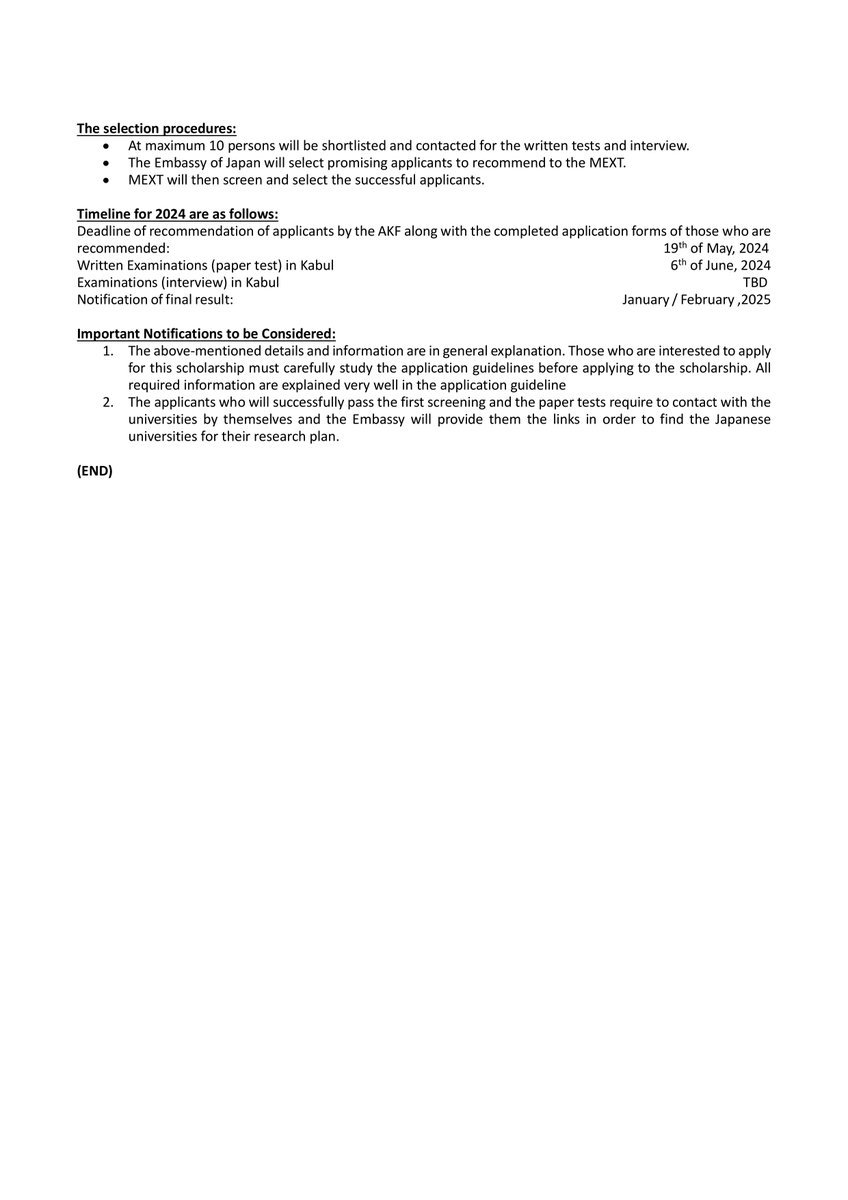
Embassy of Japan is pleased to announce scholarship (MA & Dr. course) to Afghan students who wish to explore academic opportunity in Japan from 2025.
Embassy will start selection process in cooperation with the Aga Khan Foundation.
Pls see attachment.
If you’re lost on how to study in med school ask upperclassman for advice. Talk to real people at your own school. Don’t go to Reddit, YouTube or Instagram. Social media will stress you out and much of the advice is bad.