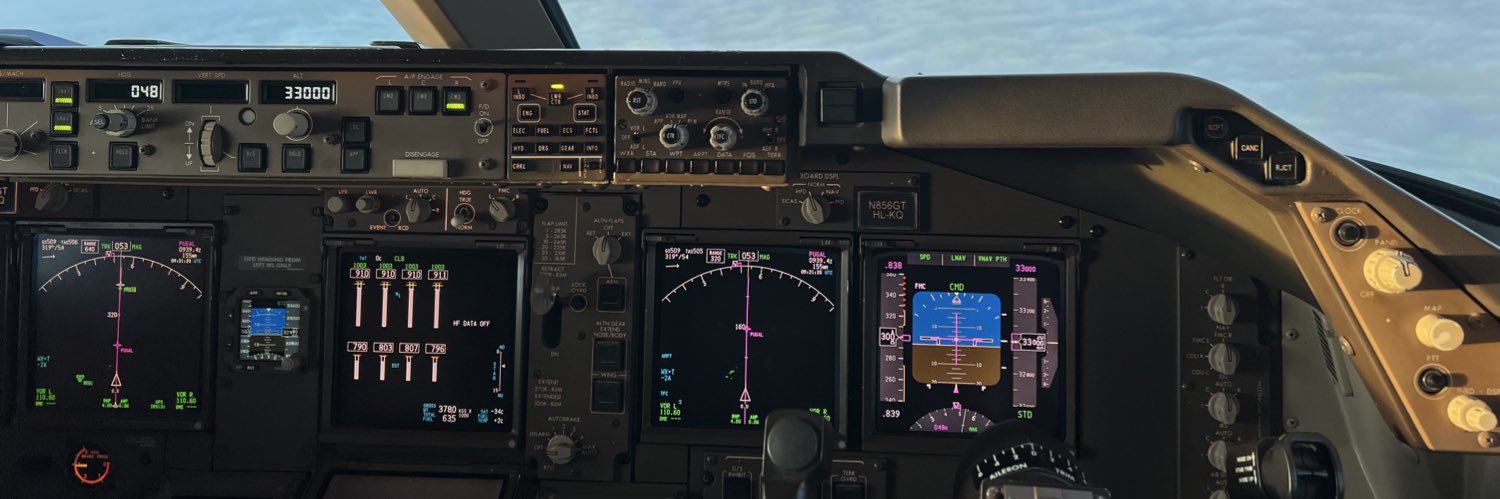
There's tight bands on speed, vertical/horizontal path deviation, thrust range and vertical speed (to name a few) which the pilots have to stay inside while on approach. In gusting wind conditions, it can be outside the airplane and crews capability to maintain the jet inside these tolerances, forcing a go-around due to policy. Could the aircraft had possibly continued and landed? Possibly, but safety margins are decreased, which is why policy forces the pilots to go-around and try again or divert.
Fun fact: on the official paperwork it's been the 737-10 all along. The type certificate lists the family as the 737-7, -8, -9 and -10, and MAX is the marketing name. Great shots too. You can see the extra length, about 1.7 m longer than the -9, which is why it needed the new main gear to rotate on takeoff without scraping the tail.
Great to see Finnair coming to Melbourne. A lot of quiet work sits behind an inaugural: crews study airports and procedures that are new to them, ops plan alternates and fuel for each sector, and the first time in, everyone briefs that bit more carefully. The stop in Bangkok also means two long sectors instead of one ultra-long one, which changes how the crewing and fuel planning work. Lucky for Finnair, they've seen this route before.
In a long hold like that the number the crew watches most is fuel. Before entering the hold they work out how long they can stay and still reach their alternate with reserves intact, and that sets a firm time to either commit to another approach or divert. On stormy days it's often worth waiting for a gap between the gusts and a crosswind back within limits.
A diversion isn't just 'the nearest airport'. The crew and ops are weighing weather at every option, fuel on board, crew duty limits, and where the aircraft, crew and engineering support need to be the next morning. With a storm sitting over most of the UK, an airport you know is open and that's the aircraft's home base can be the safest, most practical choice, even if it's 1,000 miles the wrong way.
Looks wild from behind, but nice crosswind technique. We fly the approach crabbed into wind so the aircraft tracks the centreline, then just before touchdown use rudder to line the nose up with the runway and a touch of into-wind aileron to stop the drift. In gusts it's constant small, quick corrections, and if it isn't stable, go around.
@sirajnoorani Two go-arounds then heading back to Haneda is good airmanship, not a failure. Crews set their limits before the approach starts: crosswind, gusts, fuel. Most airlines have policy requiring a good reason for attempting to land a third time at the same airport.
@NabilAlNashar Great series. From the flight deck side, a 24/7 airport with no curfew and a 3.7 km runway is a big deal for Sydney. It opens up late night and early morning options that Mascot's curfew never could. A new airport in the basin doesn't come along often.
What you don't see from the cabin: the crew briefed the go-around before starting the approach, checked the gusts against the crosswind limit, and agreed exactly what would make them throw it away. Landing is never a must. Going around is always on the table. Standard brief for crew based in Hong Kong/Taipei!
@Shauns_Aviation 15+ go-arounds sounds dramatic, but that's the system working. In gusty crosswinds we need the approach stable by a set height, and a late gust can still throw it out. Go-around fuel and an alternate are planned in, so Shannon is just plan B, no drama.
@AndrewNJHawkins@JetstarAirways Enjoy it. A first day at a new airport is special from the flight deck side too, with fresh charts, new procedures and plenty of extra briefing. Not often you get to be part of an airport's first commercial departure.
Smoke in the flight deck is one of the scenarios we drill hardest in the sim, because the priorities are simple and easy to lose: masks and goggles on, get talking to each other, then get the aircraft on the ground. Easy to get disctracted looking for the source rather than pointing towards a runway.
When fuel prices bite you see it on the flight deck too: lower cost index settings, single-engine taxi where it's approved, getting off the APU and onto ground power sooner, and closer attention to weight. Each one saves a little, but across hundreds of jets flying multiple sectors a day it adds up fast.