"Finding someone you want to have children with, who also wants to have them with you, and for that match to happen at the same time, becomes less and less likely the longer we wait."
There is no cliff at 35, @LPerrins.
Or at any other age in the data.
The idea of a sudden cliff is itself part of the myth we've come to accept: Before the cliff is fine. Just don't go over it.
Instead the decline starts much, much younger than we're told.
My research into motherhood and childlessness was published by Nature Portfolio in 2025. From birth records across the 40+ nations I've studied, it's written in indelible ink: this is a long, smooth, predictable downward slope.
I've had countless women tell me, often angrily and sometimes through tears, that they feel misled about fertility, about age, about how much time they thought they had.
And now a major UNFPA survey across 73 countries finds that 72% of childless women aged 35 to 39 still want to become parents. That's a wave of unplanned childlessness waiting to happen.
And this isn't about childless women looking back with regret as you suggest. I hear it from young women in my lectures, still planning their lives, shocked to learn that no more than half of childless women turning 30 go on to become mothers, if current fertility patterns hold.
I hear it from mothers too, some who wanted more children, some who call the idea of waiting until 35 “one big lie”. And from those going through, and often failing, IVF cycle after IVF cycle.
@KonstantinKisin has clearly picked up on this too.
We don't get to rewrite the data. 35 isn't close to where the barrier begins. It is closer to where it ends.
And this barrier goes far beyond biology.
My upcoming research asks what actually creates this much earlier barrier.
The strongest underlying explanation I've found is remarkably simple: finding someone you want to have children with, who also wants to have them with you, and for that match to happen at the same time, becomes less and less likely the longer we wait.
And trying hard enough barely comes into it.
Finding your match is personal. Matching is a societal phenomenon.
And societies that delay parenthood aren't helping themselves.
I don't think Thomas Sowell would object to me saying either.
Launching first on X: Birthgap Extended, a 10-episode documentary series.
Extended chapter-based version of the Birthgap film (over one million views across channels), with additional material and new topics.
Episodes 1–3 are releasing first on X. Episode One below.
If we associate starting a family only with difficulties, how can it be attractive to young people?
You can read about how in this article.⬇️
The media plays a key role in making parenthood appealing. Thank you to The Times for the opportunity.
https://t.co/45MlZOSLLm
This is a cool example of drug repurposing: the malaria drug, artemisinin, is a potential fertility-boosting drug in PCOS
PCOS (polycystic ovarian syndrome) affects ~10% of women, causing subfertility and irregular menstrual cycles
This is due to elevated levels of androgens (like testosterone) that are produced in PCOS
In a small pre-post trial in women with PCOS, artemisinin reduced testosterone levels and restored regular menstrual cycles:
Maternal mortality in the United States: are the high and rising rates due to changes in obstetrical factors, maternal medical conditions, or maternal mortality surveillance? https://t.co/fiTL9uX26T
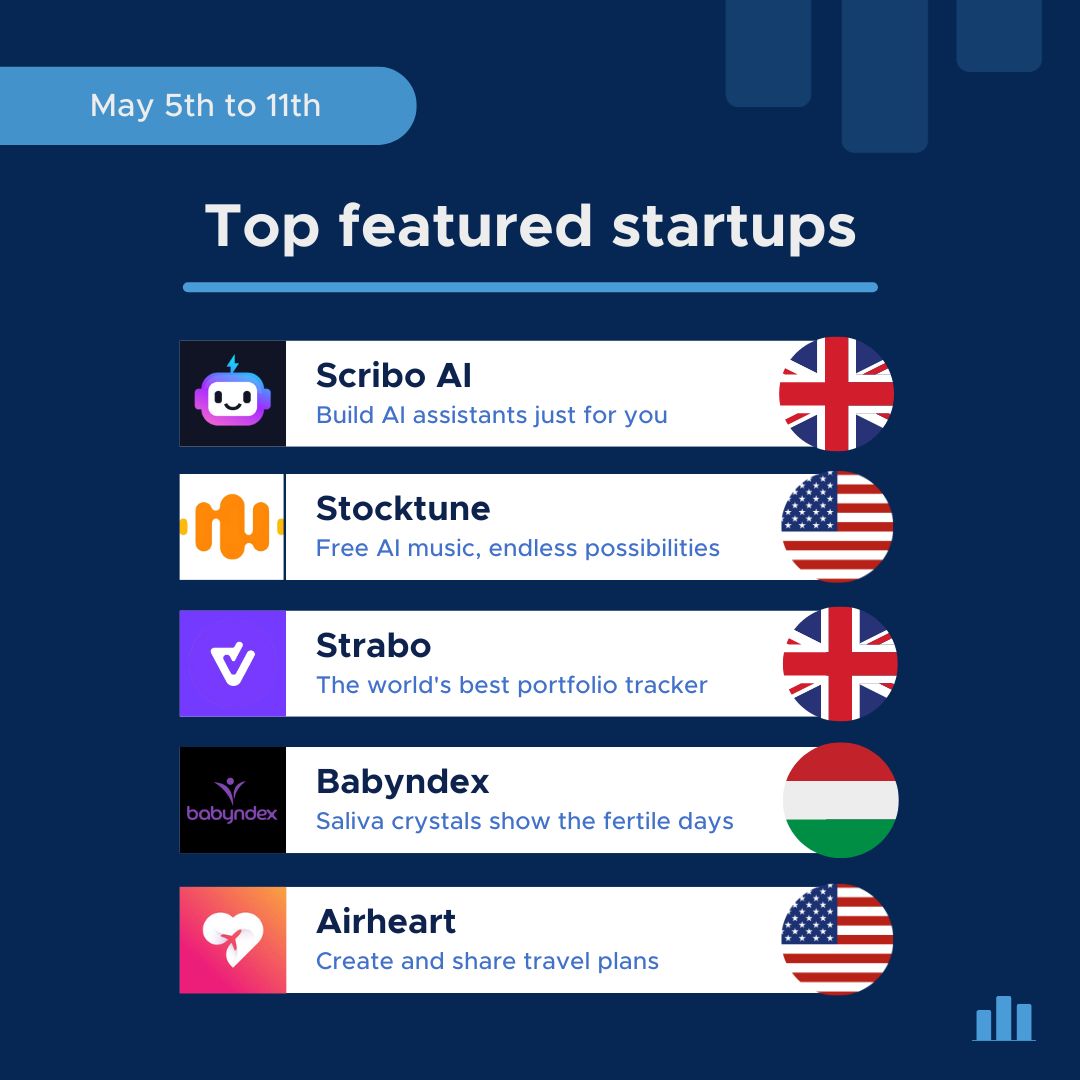
🎉Drumroll please!🎉
The top featured startups of the week! 💯💡🌟
🤖@scriboai
🎵https://t.co/c5gm3CxbqC
👶@babyndex
✈️@AirheartInc
💸@yourstrabo
Would you like your startup to be the next featured one?
Apply for FREE 👉 https://t.co/KYWgwqxvZ6
#InnovativeStartups
✨ Discover the power of your own biology with our innovative fertility tool! Just a drop of saliva on our supplied microscope lens can unlock the secret to your fertile window.
📅 With our user-friendly calendar, you'll know exactly when your chances to conceive are at their peak. Join the community of hopeful parents and share your journey with us!
@AJOG_thegray Ectopic pregnancy is a high-risk condition that occurs in 2% of reported pregnancies. This percentage is fivefold higher than that registered in the 1970s.
It is important that women know the effects of hormonal birth control, as it is a significant cause of depression and increases suicide risk.
This is not a value statement, just a public service announcement. Other forms of birth control do not have these effects.
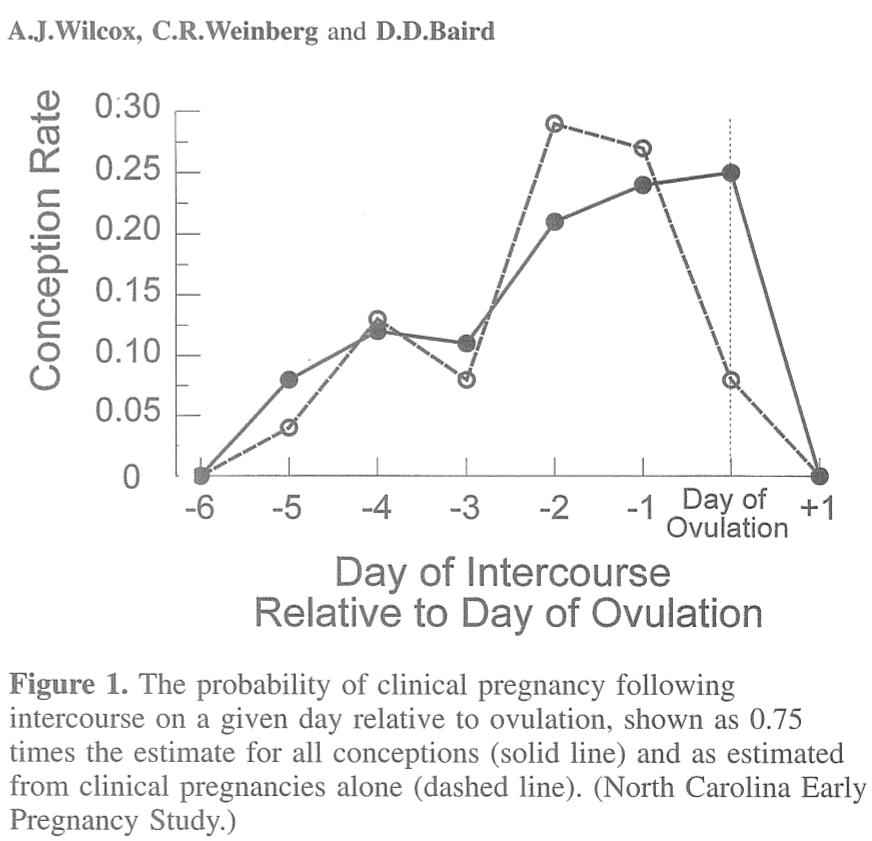
@cb_doge 2 days before ovulation the chances of pregnancy are 3-5 times higher! Read more about fertility: https://t.co/GXaNB0R9oj
Follow @babyndex! ☝️
@StephenJShaw@ZubyMusic 2 days before ovulation the chances of pregnancy are 3-5 times higher! Read more about fertility: https://t.co/GXaNB0R9oj
Follow @babyndex! 😀