Bad Kappa | A middle-aged Canadian kappa abandons Switzerland for rural Japan with three cats, a Japanese wife, and absolutely no plan. Going to roll with it!
This isn't science fiction anymore. 🧲
The Chinese University of Hong Kong researchers developed a magnetic slime robot that can be remotely controlled to move, squeeze through tight spaces, and even grasp objects.
One potential application? Removing objects accidentally swallowed inside the human body without traditional surgery.
Soft robotics is opening doors that rigid robots simply can't.
Would you trust a robot made of slime inside your body?
🎥 Media: @newscientist , Li Zhang and The Chinese University of Hong Kong
⚠️ This content is shared for informational purposes only. CTO Robotics Media is a media platform and does not own or develop the technology shown. Credit belongs to the original creators.
#Robotics #SoftRobotics #MedicalRobotics #Engineering #Innovation #FutureTech #Science
In response to one of my comments, Gaijin50 Plus took a gander at the proposed or suggested, not to mention utterly ridiculous, 30 Year Pension rule ⏱️...here it is: https://t.co/d9nKE4Qlof
@nihongo_no_kai I've never seen this in action once. It might happen when no one is looking, but there is also a dread silence as everyone isolates themselves from everyone else there that belies the reason behind your depiction of a perfect society. It can be a very lonely place to be.
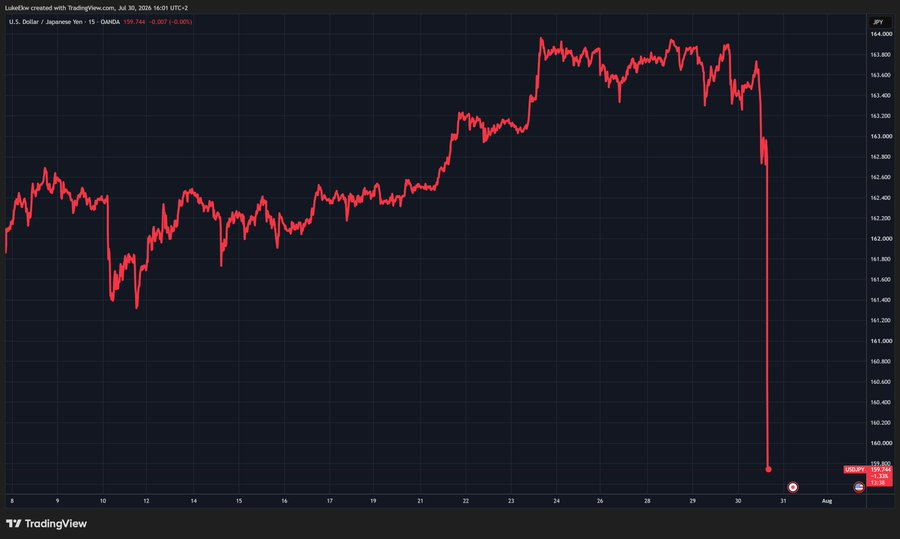
BREAKING: The US Treasury sold euros to buy Japanese yen on Friday, per FT.
The New York Fed executed the sales on the Treasury's behalf, through Goldman Sachs and Morgan Stanley.
Notably, the Fed drew down euro reserves rather than dollars to fund the purchases.
It marks the first time the US and Japan have jointly intervened to buy yen in nearly 30 years, after the currency fell to its weakest against the dollar since 1986.
Every asset you own was partly financed in Tokyo. That funding is being withdrawn.
For thirty years Japan lent the world money for free. Zero rates. Yield curve control. A currency engineered to sink.
So capital did the obvious thing: borrow yen at nothing, sell it, buy Treasuries, Nasdaq, emerging market debt, Mexican pesos, credit, anything with a yield, add leverage, repeat until the trade became invisible. Until it was simply the water global markets swam in.
Nobody knows how large it got. Estimates run from a few hundred billion to past 10 trillion depending on what you count, which is another way of saying nobody can size the unwind until it is already running.
August 2024 was the rehearsal. The Bank of Japan raised rates fifteen basis points. The Nikkei fell 12% in a day, its worst since 1987, and the VIX printed in the 60s.
Fifteen basis points.
The policy rate is now 1%, the highest since 1995. The yen still hit a 40 year low. Tokyo has burned roughly 133 billion dollars defending it in four months, 59 billion of that in a single night last week.
On Friday the US Treasury sold euros out of its own reserve account to buy yen through the New York Fed. The last time Washington intervened for the yen was 2011, after the Fukushima earthquake.
There is no earthquake.
Underneath the currency, the collateral is repricing. Japanese gross debt sits near 256% of GDP. The 10 year JGB hit a 30 year high. The 30 year broke 4% for the first time since that bond was created in 1999. The 40 year touched 4.24%.
Which quietly flips the arithmetic for the largest pool of patient capital on earth.
A Japanese insurer buying a US 10 year at 4.7% pays away roughly 250 basis points to hedge the currency and nets about 2.2%. The domestic JGB pays 2.8% with no currency risk attached.
Japan holds 1.19 trillion dollars of Treasuries as the largest foreign owner and sold nearly 30 billion in the first quarter alone. The most reliable marginal bidder in the world has started going home, and it is going home for arithmetic reasons, which means it is not coming back when volatility calms down.
Everyone will watch the equity selloff. The equity selloff is survivable.
The bond market is where this actually breaks. Forced deleveraging and Japanese repatriation hit Treasuries simultaneously, into a market where the 30 year already sits at its highest since 2007 and the Fed just held with three members dissenting in favor of a hike.
Stocks fall, bonds fall with them, and the hedge everyone has owned since 1982 stops functioning in the same week they need it.
At which point the Fed has no good option left. Oil is driving inflation, so it cannot cut. But a disorderly Treasury market is a systemic event, so if the long end goes it has to step in and buy.
That is printing money to hold down the price of government debt while inflation runs above target, and it has a name that nobody at the podium will use.
Here is the part almost nobody models correctly. The crash is a distraction. The crash is loud, brief, and recoverable.
What follows is a decade of nominal returns that never quite keep up, of a currency that buys slightly less every year, of a central bank that keeps rates below inflation because the alternative is a fiscal crisis.
Nobody photographs that. There are no bread lines. There is a person who bought Treasuries because that was the responsible thing to do, held them for fifteen years, and ended up with two thirds of what they thought they had.
That transfer is the actual policy. It moves wealth from whoever saved to whoever borrowed, and the largest borrower in the room writes the rules and appoints the referee.
Japan built this trap over thirty years and is now walking into it in public.
US publicly held debt is at 99% of GDP, the highest since 1946, with net interest headed from roughly 1 trillion to 2.1 trillion by 2036 while the primary deficit actually shrinks. The entire deterioration is interest compounding on itself
Bessent is in panic mode... he intervened to support the yen.
To prevent Japan from selling even more US assets, he joined Japan in a massive coordinated intervention.
But instead of selling USD, the US sold EUR.
To keep this war going, the US has to bail out major holders of US assets to prevent them from selling... especially Treasuries.
The US simply can't afford this war, which is why it only escalates when markets are closed.
🚨 Washington has ultimately SEIZED control of the Bank of Japan.
US Treasury’s Scott Bessent just casually posts about “close coordination” with BoJ Governor Ueda, this is the smoking gun that America is dictating Japan’s rates.
Japan today has decided to not to hike interest rates.
They FORCED Japan to freeze hikes and keep the yen carry trade ATM wide open so Wall Street can keep siphoning free money.
The longer Japan delays the inevitable rate spike, the more catastrophic the unwind will be… markets will bleed, savings will evaporate, and the pain will be biblical.
BoJ insider @yutokanzakireal warned us months ago. Every single prediction is now unfolding in real time.
Japan’s only escape hatch? They’re integrating digital assets into their economy and allowed treating Bitcoin and XRP as Corporate Treasury assets. The ultimate off-ramp from this dollar-dominated trap.
The global financial system is on the brink.
Brace yourselves.
Herkes Japonya'nın faiz kararına bakıyor. Asıl hamle dün yapıldı.
Nikkei dün bir haber paylaştı.
Japonya döviz piyasasına müdahale etti, piyasada dolar satıp yen aldı.
Aynı haberde ikinci bir bilgi vardı. New York Fed rate check yaptı.
Haberin bütün ağırlığı o iki kelimede.
Rate check şu demek.
Fed büyük bankaları arar, o anda dolar yen kuru için alım ve satım fiyatlarını sorar.
Görünüşte sıradan bir soru. Ama bu soru piyasada sadece bir durumda sorulur.
Müdahaleden hemen önce.
Bu yüzden rate check nadiren yapılır. Yapıldığı an piyasa şunu okur.
Karar alındı, müdahale geliyor.
Peki bu kararı kim aldı?
ABD'de döviz müdahalesine Fed karar vermez. Karar Hazine Bakanlığı'nın.
Nikkei de talimatın oradan geldiğini yazdı.
Yani dün yen için düğmeye basan isim Scott Bessent.
Bessent bir merkez bankasının kur savunmasında ne yaşandığını herkesten iyi bilen adam.
1992'ye gidelim.
Bessent o yıl 30 yaşındaydı, George Soros'un Londra ekibinde çalışıyordu.
İngiltere o dönem pound'un belli bir seviyenin altına düşmesine izin vermemek zorundaydı. Avrupa'daki kur anlaşması bunu şart koşuyordu.
Soros'un ekibi bu seviyenin tutulamayacağını gördü ve pound'un düşeceğine oynadı.
İngiltere direndi. Rezervini harcayıp piyasadan pound topladı, faizi aynı gün içinde iki kez artırdı.
Yetmedi.
Akşam saatlerinde pes etti ve pound bir günde %15 değer kaybetti.
O gün tarihe Kara Çarşamba diye geçti. Soros'un fonu o işlemden 1 milyar dolara yakın kazandı.
Bessent bir merkez bankasının nasıl yenildiğini kazanan tarafta durup izledi.
Bugün aynı adam ABD Hazine Bakanı ve döviz müdahalesi yetkisi doğrudan onda.
Birkaç ay önce de Japonya'ya gitti.
Ziyaret o gün rutin bir temas gibi göründü, dün rate check haberiyle birlikte başka bir anlam kazandı.
1992'de fon parasıyla oynuyordu, bugün devlet kasasıyla oynuyor. Daha önemlisi, savunduğu şey Japonya değil.
Peki neyi savunuyor?
Önce Japonya'nın nerede sıkıştığına bakalım.
Japonya dünyanın en borçlu ülkesi.
Kamu borcu kendi ekonomisinin 2,5 katından fazla. Bu oranda başka bir gelişmiş ülke yok.
Borcun tamamı 30 yıllık sıfıra yakın faiz döneminde birikti.
Şöyle düşünün.
Geliriniz sabit, borcunuz çok büyük. Faiz bir puan artınca ödemeniz sizi bitiriyor. Bu yüzden faizin yükselmesini dünyada en çok siz istemezsiniz.
Ama faizi düşük tuttukça paranız değer kaybediyor, dışarıdan aldığınız her şey pahalanıyor.
Japonya tükettiği enerjinin neredeyse tamamını dışarıdan alıyor ve faturayı dolarla ödüyor.
Yen düştükçe o fatura büyüyor, fatura büyüdükçe fiyatlar artıyor, fiyatlar arttıkça faiz artırma baskısı büyüyor.
Faizi artırırsa kendi borcunun altında kalır. Artırmazsa yen erimeye devam eder.
Bugün faizi sabit tutması bu yüzden bir tercih değil, mecburiyet.
Peki artırsaydı ne olurdu?
Japonya'dan ucuza borçlanıp dünyaya yatıran fonlar var. Bu paranın büyüklüğü trilyonlarla ölçülüyor ve gittiği yerlerin başında ABD tahvilleri geliyor.
Faiz arttığı gün o borcun maliyeti artar. Fonlar pozisyonu taşıyamaz, kapatmak zorunda kalır. Kapatmak için de ellerindekini satarlar.
Aynı anda ikinci bir hareket başlar. Japonya'nın kendi tahvili cazip hale gelince Japon parası eve döner.
Japonya dünyada en çok ABD tahvili tutan ülke. Yaklaşık 1,2 trilyon dolar. Dolaylı kanallar eklendiğinde rakam daha yüksek.
ABD ise bu yıl vadesi gelen yaklaşık 10 trilyon dolarlık borcu yenilemek zorunda. Eski tahviller ödenecek, yerine yenisi satılacak.
İki rakamın aynı yıla denk gelmesi bütün meseleyi kuruyor.
Tahvil çıkarmak bir satış işidir.
Malı ortaya koyarsınız, alıcı beklersiniz. Alıcı çoksa iyi fiyata satarsınız, düşük faizle borçlanırsınız. Alıcı azsa fiyatı alıcı belirler.
ABD 10 trilyonluk satış yılında en büyük alıcısını kaybetmeyi göze alamaz. Üstelik o alıcı aynı gün karşı tarafa geçip satıcı olur.
ABD'nin toplam borcu 39 trilyon dolar, faiz ödemesi yılda 1 trilyonun üzerinde. Toplanan her 4 dolarlık verginin 1 doları sadece faize gidiyor.
Bu tabloda her 100 baz puanlık ek getiri yıllık faiz yüküne yaklaşık 400 milyar dolar ekliyor.
Bessent'in dün koruduğu şey buydu.
Japonya bu yükü yalnız taşıyamıyor. Piyasaya daha önce birkaç kez girdi, her seferinde milyarlarca dolar harcadı. Yen birkaç gün toparlandı, sonra aynı yere döndü.
Müdahale kuru değiştiriyor, faiz farkını yerinde bırakıyor. Fark kapanmadan sonuç değişmiyor.
ABD de Japonya'nın yalnız kalmasını istemiyor. Çünkü Japonya sıkışıp ani bir hamle yaparsa faturası en sert şekilde ABD'nin tahvil piyasasında çıkar.
Dün yen'i bu yüzden iki ülke birden savundu.
Geri çekilip tabloya bakın.
Bir merkez bankası kendi parasını savunuyor. Yanında, o parayı savunmakla hiçbir görevi olmayan bir ülke duruyor.
34 yıl önce bir merkez bankasının yenilmesinden kazanan adam, dün başka bir merkez bankası yenilmesin diye emir verdi.
İkisini de aynı sebeple yaptı. Kendi tarafı için.
Bir ülkenin faiz kararı normalde kendi meselesidir. Kendi enflasyonuna bakar, kendi işsizliğine bakar, kararını verir.
Borç yeterince büyüdüğünde o karar başkasının meselesi olur. Alacaklının sıkışması borçlunun faturası haline gelir ve iki taraf ayrı ayrı karar veremez.
Japonya bugün faizi sabit tuttu.
Bu kararı yalnız vermedi.
@gaijinthoughts I'm paid in US dollars. That would give me enough to cover a 30-year Japanese pension and have enough left over to fake an income above that of your average Japanese household in one paycheck. PR Xanadu here I come!