💥L'humorista Òscar Andreu respon a tots els que fan bandera del 'xarneguisme' i asseguren que els barris obrers els van aixecar els migrants andalusos i extremenys: "Catalunya ja estava aixecada"
La Sedeta, Barcelona 1909.
Obreres i obrers de la fàbrica tèxtil.
Avui és una Escola, Institut, Plaça i Centre Cívic, i amb bar, important.
Situada entre els carrers de Sicília, Indústria, Sant Antoni Maria Claret i el passatge de Llavallol.
📷 Fons Àngel Tomàs
Avui a @elnacionalcat, article-exorcisme sobre el meu odi de classe treballadora catalana contra el discurs vomitiu de Colau i Rufián, i l'esquerreta de viatges a Nova York pagats pels papes. Com gosen donar-nos lliçons de res aquests penques? https://t.co/y8BobSi4tR
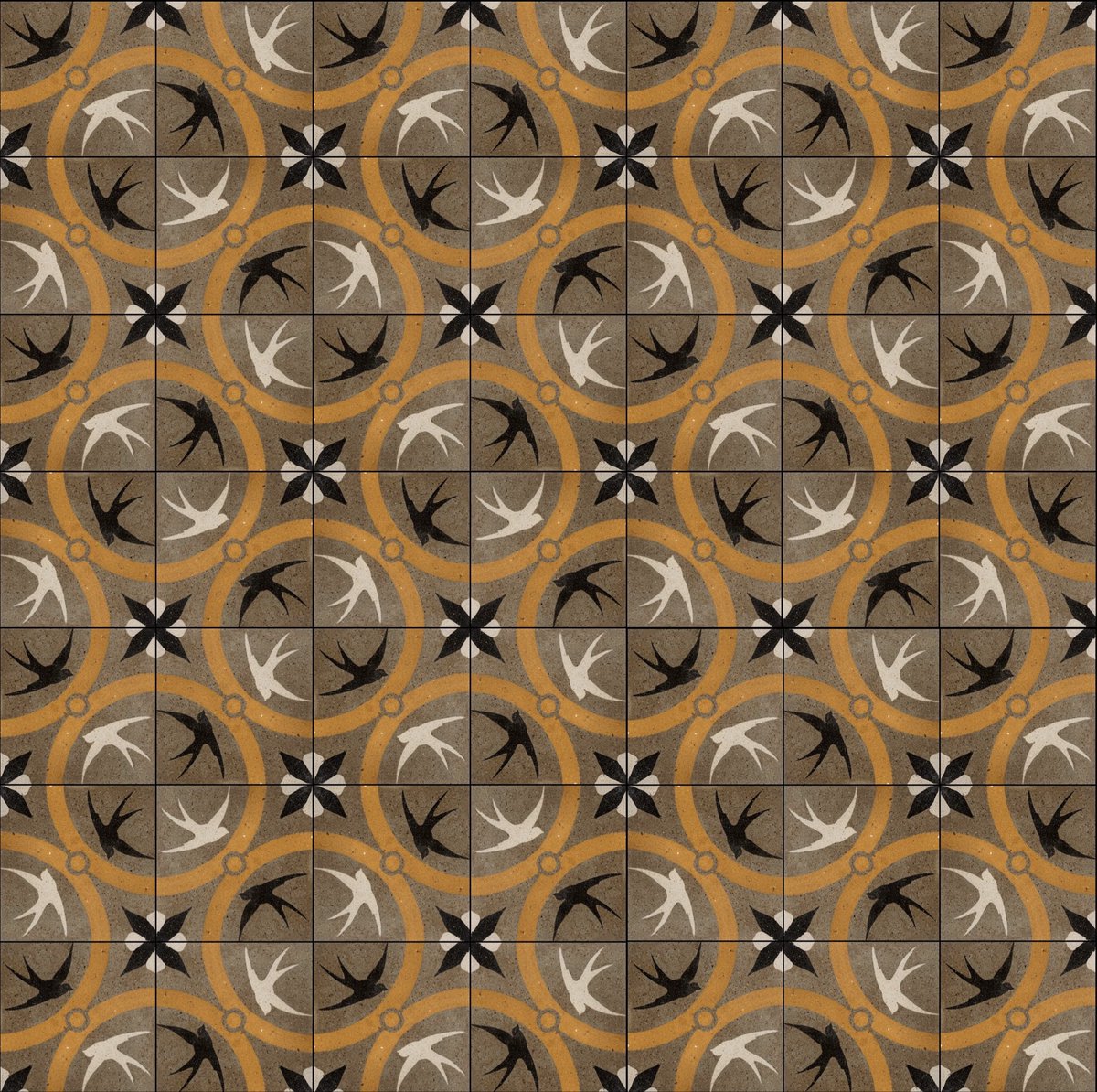
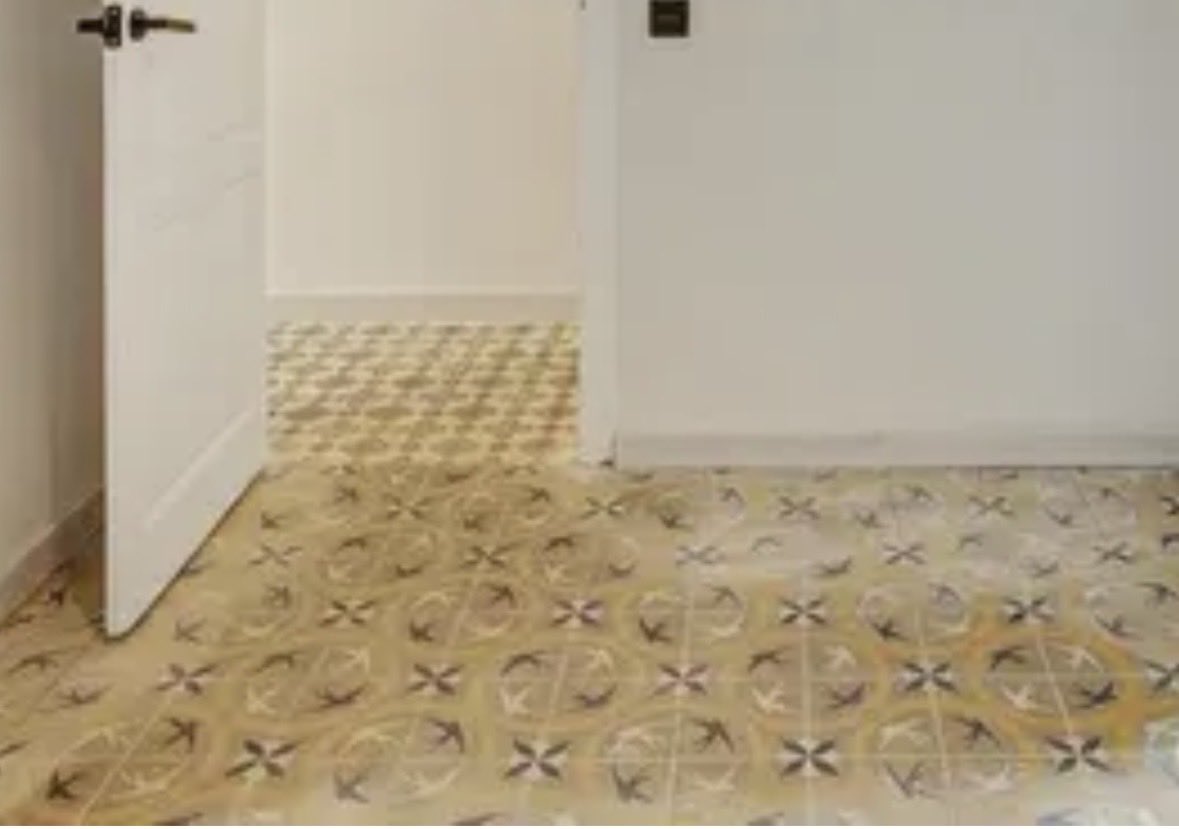
Una solitària rajola recuperada a Gràcia fa un temps, snse marca de fàbrica, snse context per entendre com anava col·locada, snse saber si té una sanefa a joc, fins que a una de les fons de recerca habitual, webs immobiliàries, la trobo col·locada a terra…a un pis de Gràcia…
🧵1: A Mesopotamian cylinder seal from Khafajeh, Iraq, dating to the Early Dynastic period (circa 2600–2350 BC) and currently in the Institute for the Study of Ancient Cultures (ISAC) at the University of Chicago https://t.co/7RbkfE1vrZ.
It depicts two seated figures sharing a communal pot or jar of beer using long, curved straws (reeds)...A scene depicted on many other seals...
Except on this one the artist has also depicted a giant scorpion next to the beer drinking scene. And ever since I first saw this seal I have been wondering why. Until I stumbled across the (possible) answer yesterday. And of course it was again animal calendar markers to the rescue...
Hidden among the ancient ruins of Sufetula (modern-day Sbeitla, Tunisia), this remarkable Christian baptistery dates back to the 6th century AD.
Its stone baptismal pool features descending steps, small columns, and beautiful geometric and floral mosaics, offering a glimpse into the religious rituals and craftsmanship of the Byzantine era.