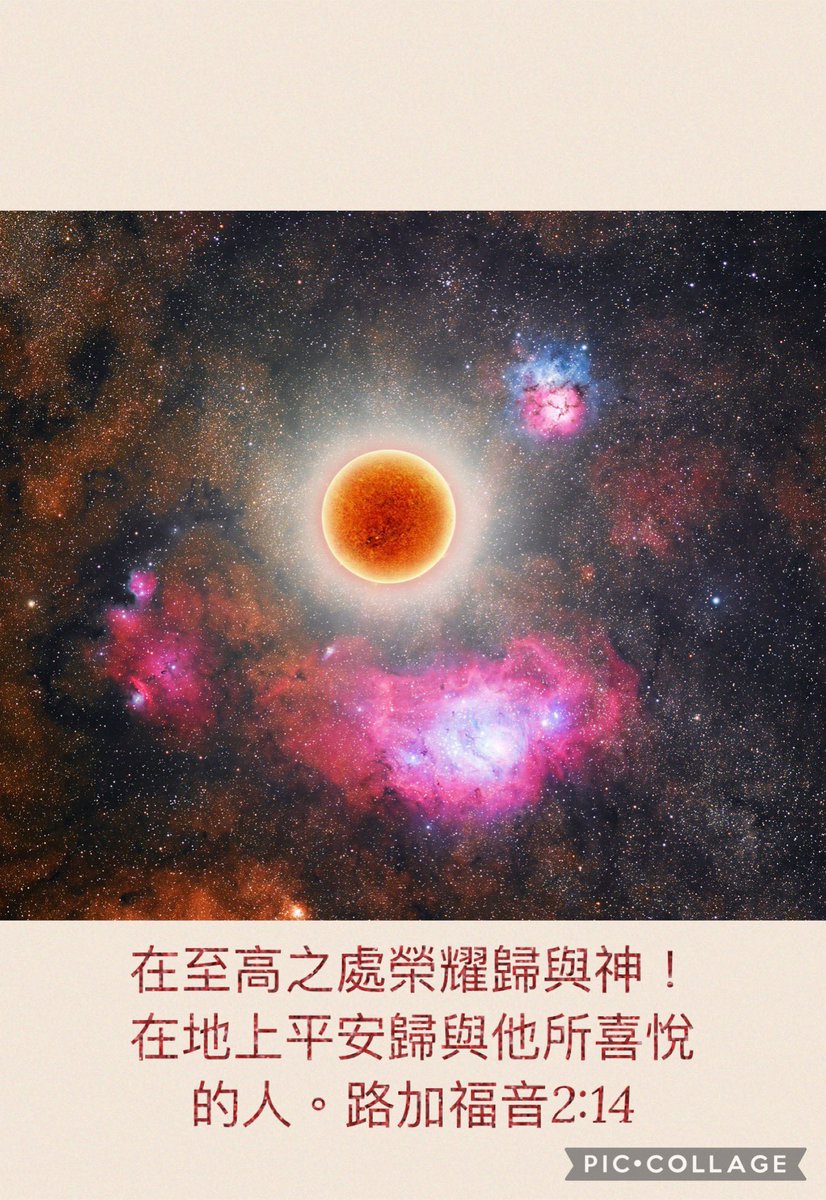
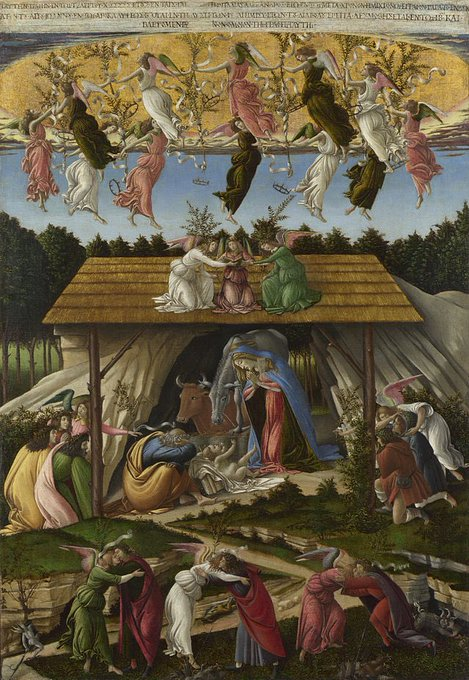
"Glory to God in the highest, and on earth peace among those with whom he is pleased!" Luke 2:14
The sun is in conjunction with the core of our galaxy.
@Andrew McCarthy
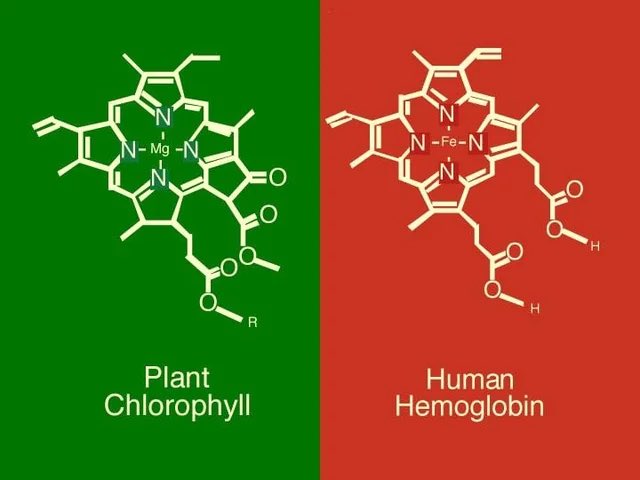
Chlorophyll and Hemoglobin
The major difference is that plant blood carries a Magnesium (Mg) molecule where our blood contains a Iron (Fe) molecule.
Magnesium is what is responsible for making plant blood green, and iron is what makes our blood red.
Nvidia just released a $249 computer that will change AI forever.
It's called the Jetson Nano - a tiny device that can run AI models locally.
This means AI can run without connecting to the cloud.
And it's about to spark the biggest tech battle of our time:
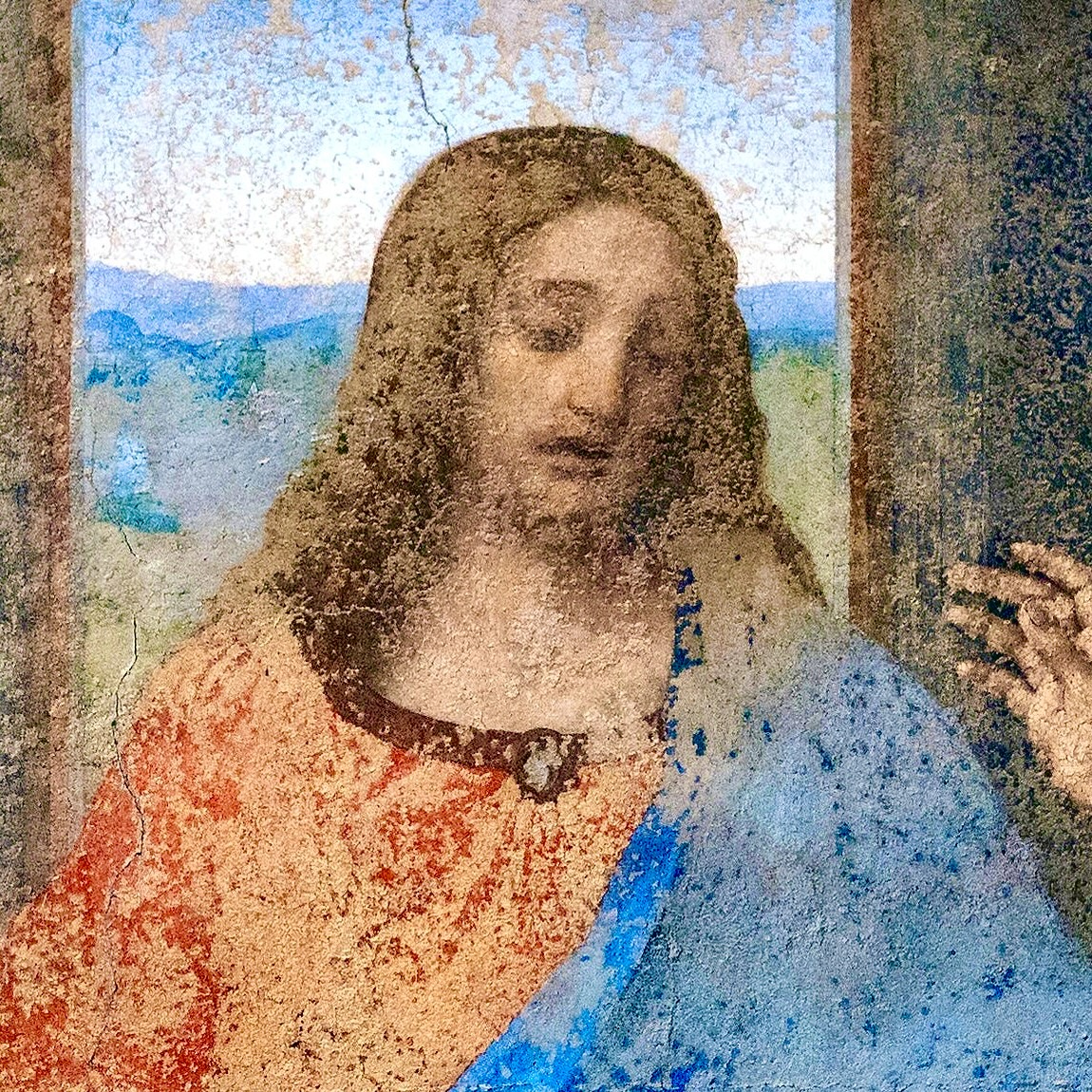
”The Last Supper is BOLD
Leonardo’s willingness to experiment, take risks, and push the boundaries of what art could do made it unforgettable
Even the painting’s imperfections became part of its story”
Leonardo da Vinci took a massive gamble painting “The Last Supper”
At first, it seemed to pay off — but success soon turned to disaster
Because what you're looking at wasn't painted by Leonardo...🧵
Optimus can now walk on highly variable ground using neural nets to control its electric limbs.
Join @Tesla if you want to work on interesting real-world AI systems.
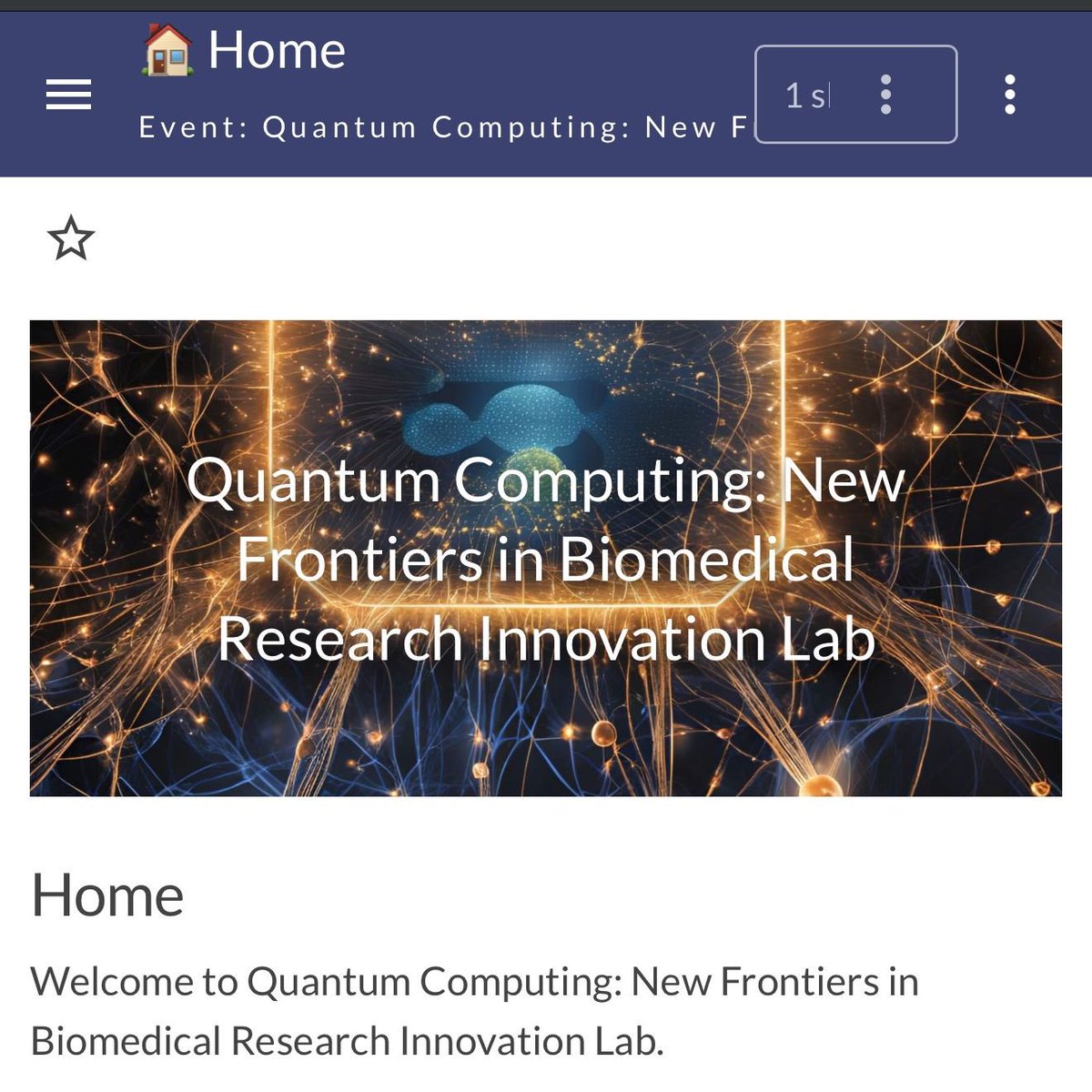
Transformative experience over the last week with The National Institutes of Health, National Cancer Institute (NCI) and NIH Office of Data Science Strategy 2024 #QuantumComputing Innovation Lab Competition! 🧵1)
Thank you to Knowinnovation for organizing such an amazing event! So grateful to have met so many talented scientists!
Thank you for my great team for the #Quantum#Digital#Twin project brainstorming!
@Wei Wu @UCSF
@Ahmad Raeisi Najafi @DrexelUniv 2)
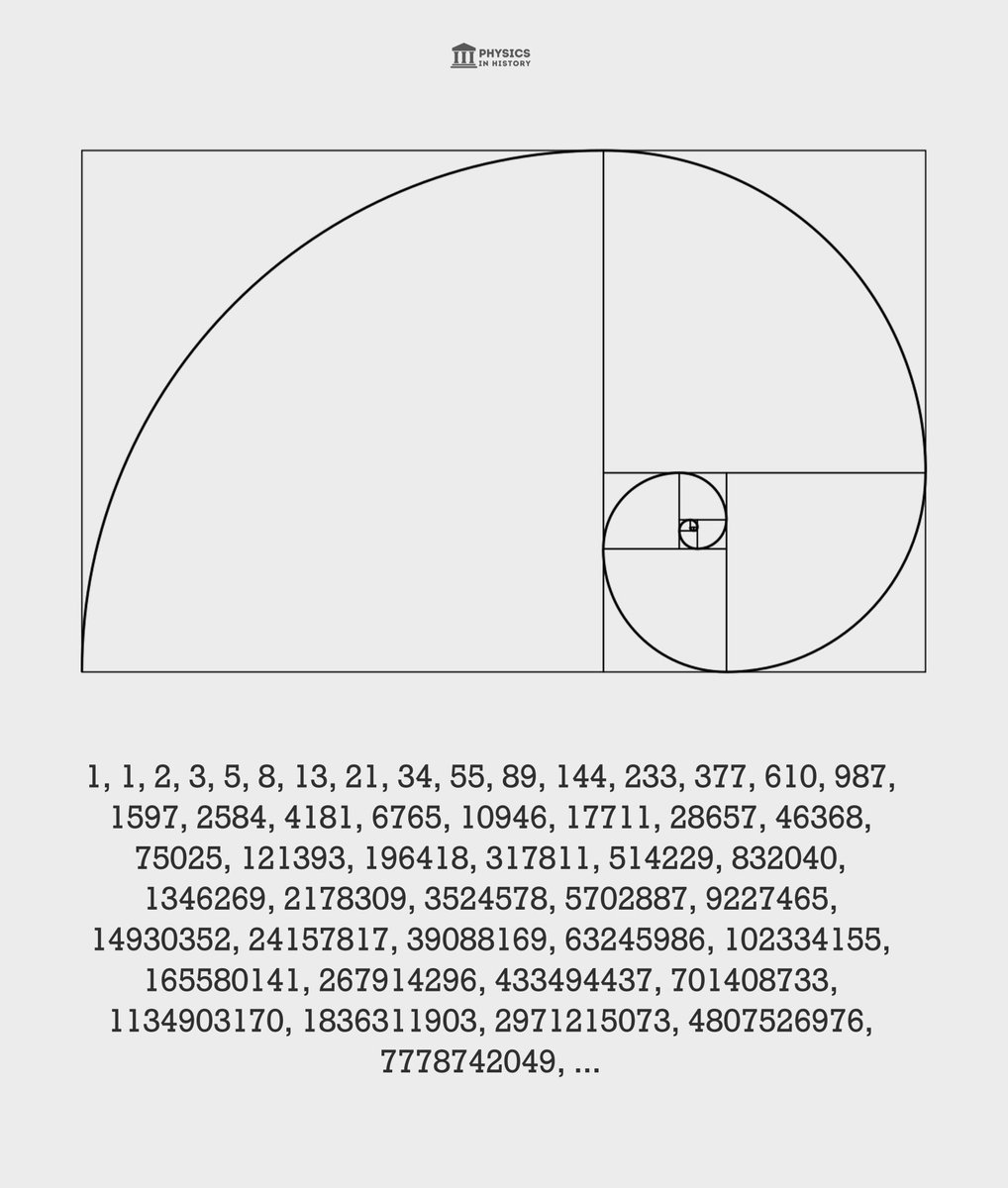
The Fibonacci sequence has many interesting properties and applications in mathematics, nature, art, and music. For example, the ratio of consecutive terms of the Fibonacci sequence converges to the golden ratio, which is approximately equal to 1.618. The golden ratio is considered to be aesthetically pleasing and can be found in many natural phenomena and artistic works. ✍️
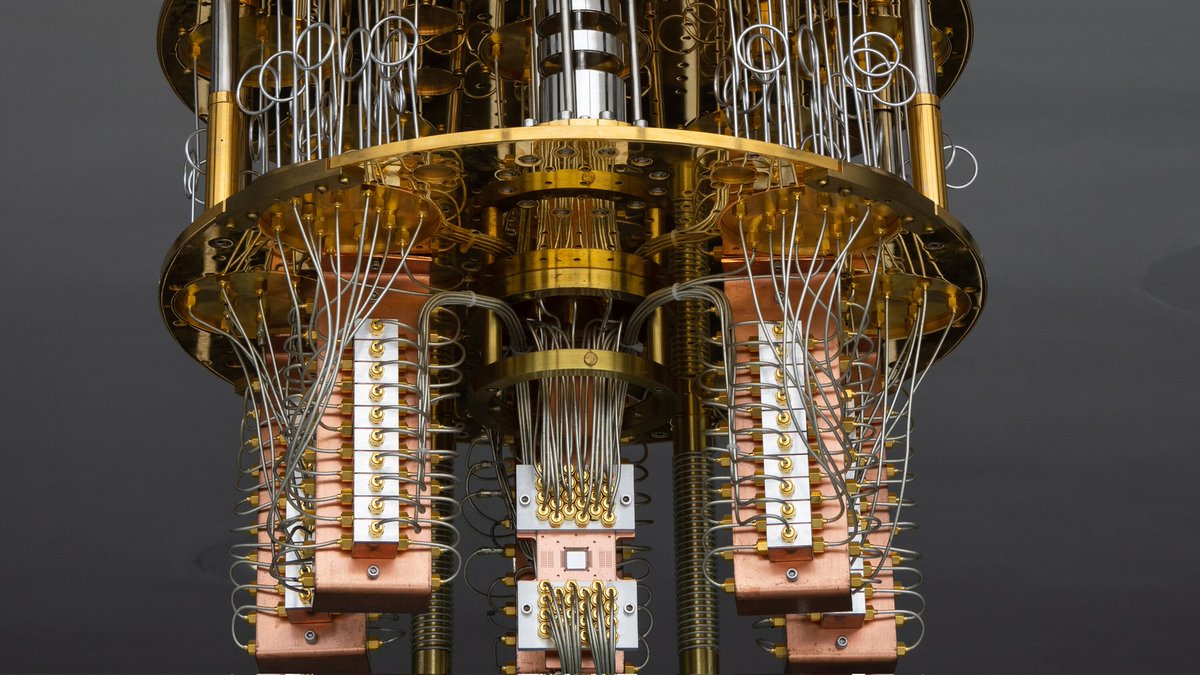
A brief history of Quantum computers 👇
1905: Albert Einstein explains the photoelectric effect and suggests that light consists of quantum particles or photons
1924: Max Born uses the term quantum mechanics for the first time
1925: Werner Heisenberg, Max Born, and Pascual Jordan formulate matrix mechanics, the first formulation of quantum mechanics
1925-1927: Niels Bohr and Werner Heisenberg develop the Copenhagen interpretation, one of the earliest and most common interpretations of quantum mechanics
1930: Paul Dirac publishes The Principles of Quantum Mechanics, a standard textbook on quantum theory
1935: Albert Einstein, Boris Podolsky, and Nathan Rosen publish a paper highlighting the counterintuitive nature of quantum superposition and arguing that quantum mechanics is incomplete
1935: Erwin Schrödinger develops a thought experiment involving a cat that is simultaneously dead and alive, and coins the term “quantum entanglement”
1944: John von Neumann publishes Mathematical Foundations of Quantum Mechanics, a rigorous mathematical framework for quantum theory
1957: Hugh Everett proposes the many-worlds interpretation of quantum mechanics, which suggests that every possible outcome of a quantum measurement actually occurs in a parallel universe
1961: Rolf Landauer shows that erasing a bit of information dissipates a minimum amount of energy, known as Landauer’s principle
1965: John Bell proves that quantum entanglement cannot be explained by any local hidden variable theory, known as Bell’s theorem
1973: Alexander Holevo proves that n qubits cannot carry more than n classical bits of information, known as Holevo’s theorem or Holevo’s bound
1980: Paul Benioff proposes a model of a quantum Turing machine, a theoretical device that can perform any computation using quantum mechanical principles
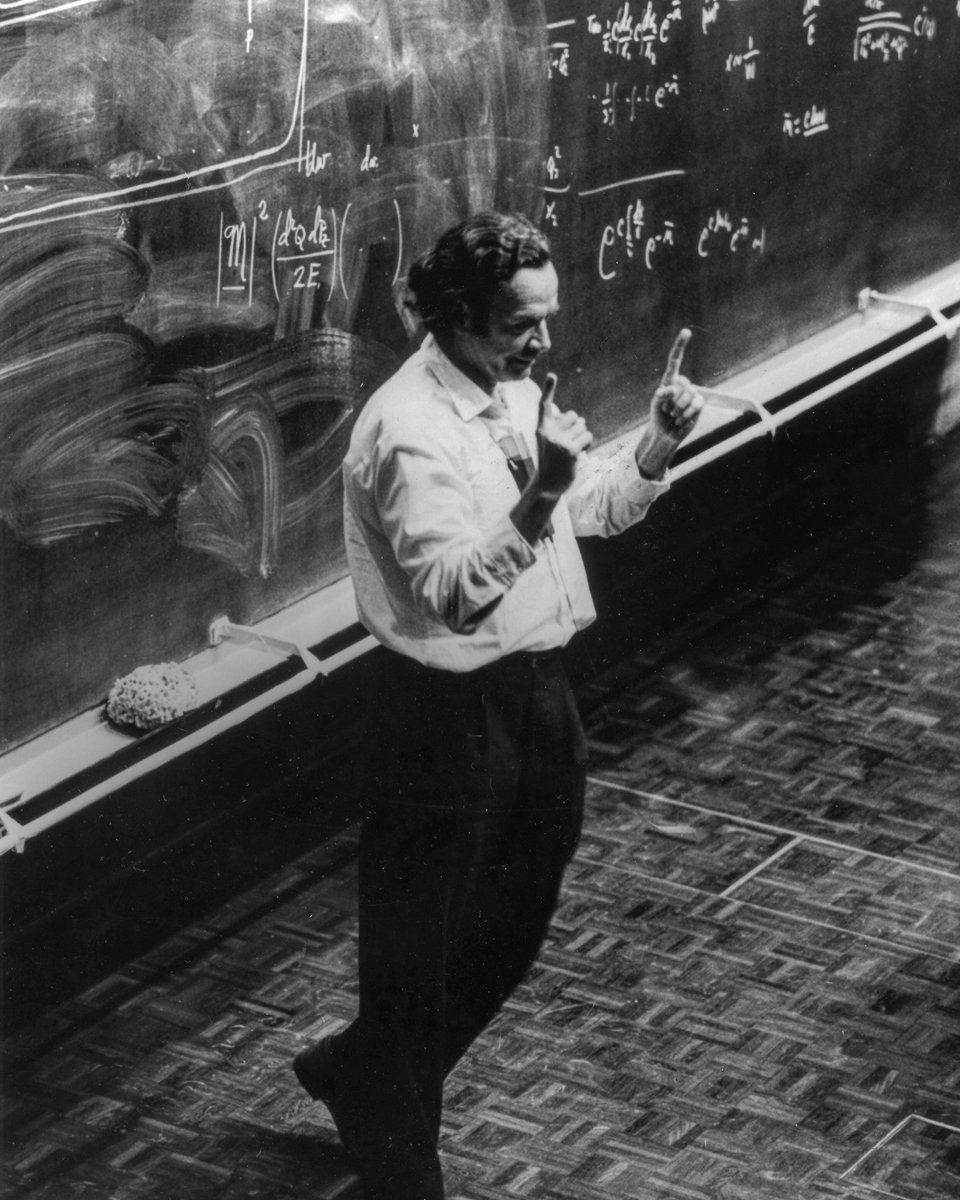
1981: Richard Feynman suggests that simulating quantum systems would require a new type of computer based on quantum mechanics
1982: David Deutsch generalizes Benioff’s model and proposes the concept of a universal quantum computer
1984: Charles Bennett and Gilles Brassard develop a protocol for quantum key distribution, which allows two parties to securely exchange cryptographic keys using quantum states
1985: David Deutsch and Richard Jozsa devise an algorithm that can solve a specific problem faster than any classical algorithm, known as the Deutsch-Jozsa algorithm
1991: Artur Ekert proposes another protocol for quantum key distribution based on quantum entanglement, known as the E91 protocol
1992: David Deutsch and Richard Jozsa extend their algorithm to handle multiple inputs, known as the Deutsch-Jozsa algorithm
1994: Peter Shor discovers an algorithm that can factor large numbers in polynomial time using a quantum computer, known as Shor’s algorithm
1996: Lov Grover invents an algorithm that can search an unsorted database in square root time using a quantum computer, known as Grover’s algorithm
1997: Isaac Chuang, Neil Gershenfeld, and Mark Kubinec demonstrate the first implementation of Shor’s algorithm using nuclear magnetic resonance (NMR) techniques
2000: David DiVincenzo proposes five criteria for building a practical quantum computer, known as the DiVincenzo criteria
2001: IBM researchers implement Grover’s algorithm using NMR techniques and achieve a modest speedup over classical algorithms
2007: D-Wave Systems claims to have built the first commercial quantum computer, but its validity is disputed by many experts
2019: Google announces that it has achieved quantum supremacy by performing a calculation on a 53-qubit quantum processor that would take a classical supercomputer thousands of years to complete
2020: IBM demonstrates that its 65-qubit quantum processor can perform calculations beyond the reach of any classical computer
📷 An IBM QC photographed by James Estrin
The Christmas Story comes alive through the genius of Master painters as they capture moments of divine wonder, earthly beauty, and eternal mystery.
Which painting speaks to your soul? 🧵
Derinkuyu is a 2500-year-old multi-level underground city in Turkey, extending to a depth of approximately 85 meters.
It is large enough to have sheltered as many as 20,000 people together with their livestock and food stores.
It is believed to have been built by the Phrygians, an ancient Indo-European people, around the VIII to VII centuries BCE. The city was later expanded by the Persians, Romans, and Christians, who used it as a refuge during times of war and persecution.
Derinkuyu is one of the largest and most well-preserved underground cities in the world, extending to a depth of approximately 85 meters (280 feet) and covering an area of around 4 km² (1.5 mi²).
The city consists of multiple levels connected by tunnels and stairways, with living quarters, stables, churches, and storage rooms.
The complex was designed with self-sufficiency in mind, featuring ventilation shafts, water wells, and an ingenious system of large round stone doors that could be rolled into place to seal off passageways and protect the inhabitants from invaders.
Derinkuyu was rediscovered in the XX century and has since become a popular tourist destination, attracting visitors from around the world who come to explore its mysterious and fascinating history.