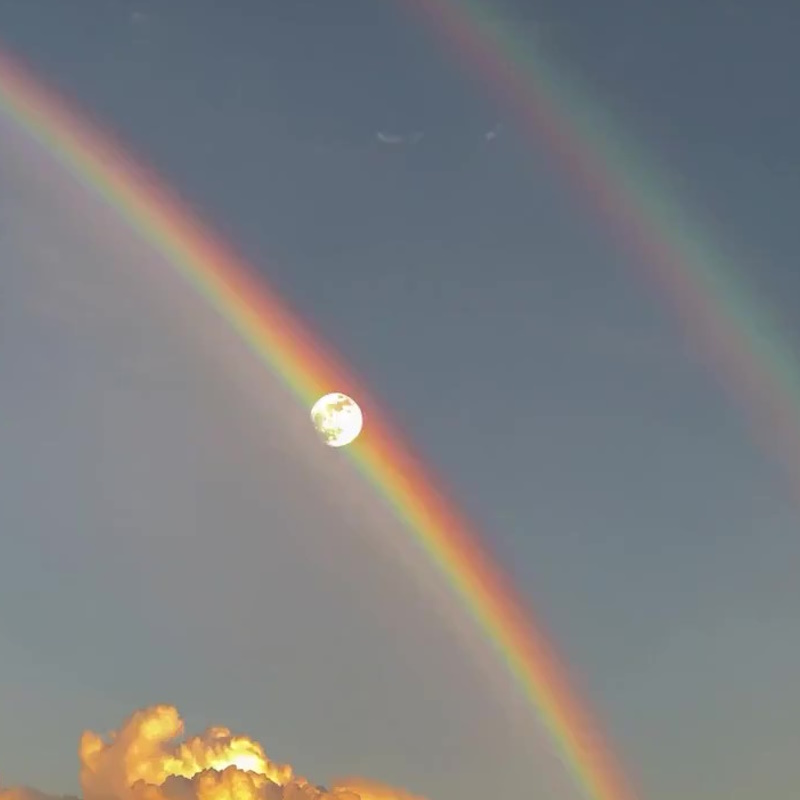
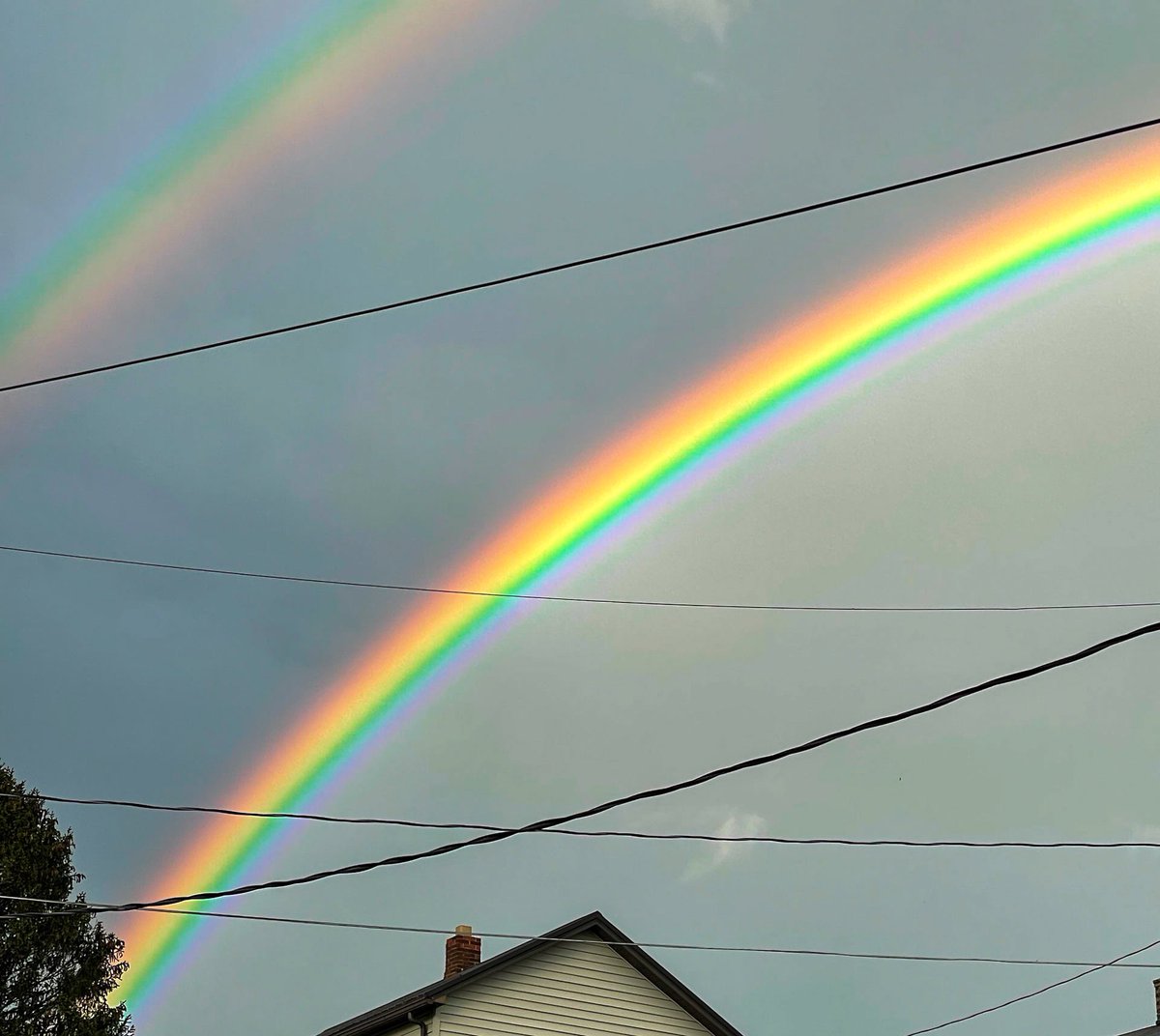
The Moon appears perfectly centered inside a rainbow
The rare image is captured during a clear morning in Scotland when the Moon lines up with a full circular rainbow
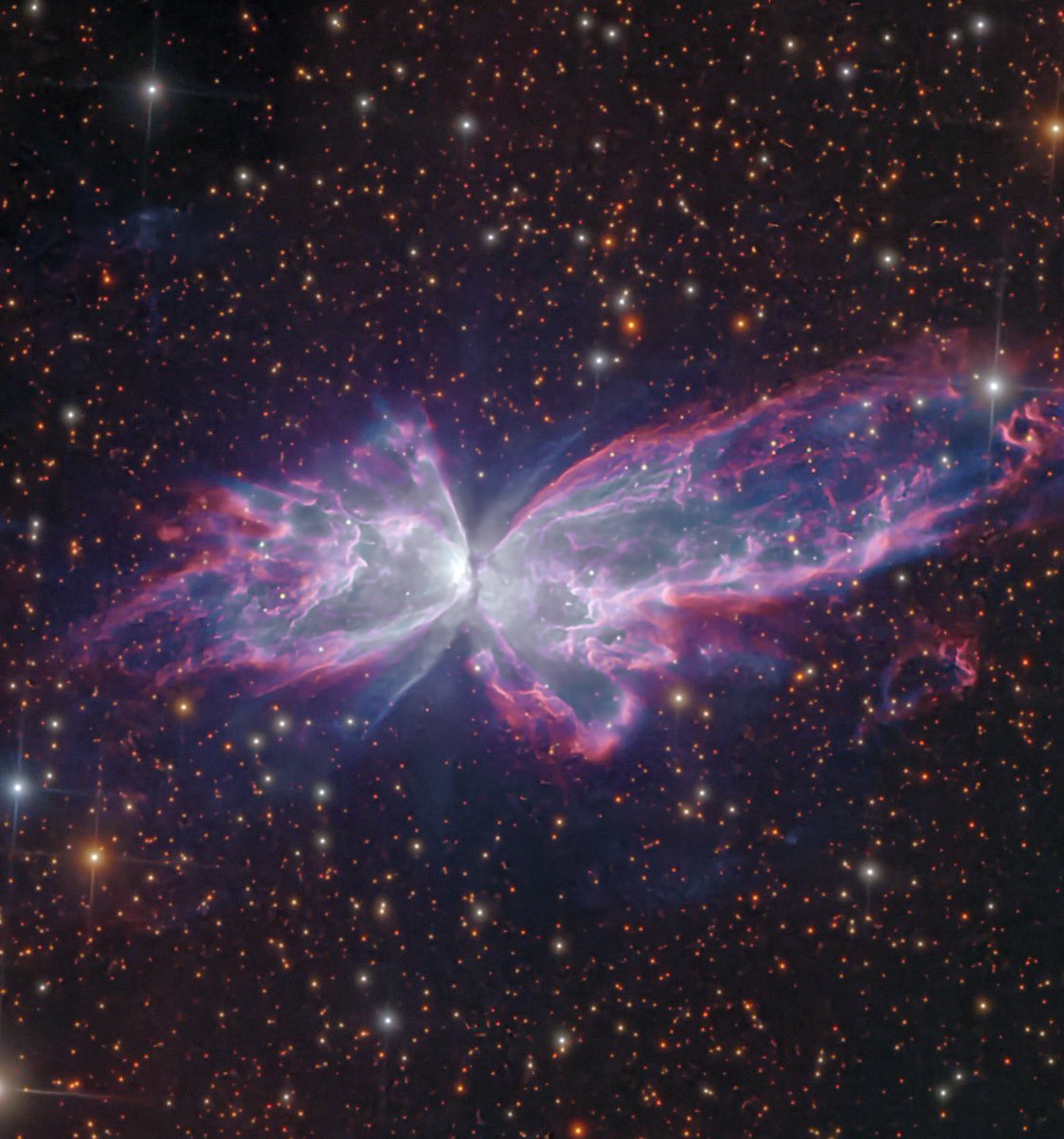
🌱 Delve deeper into the ecology of soil with "The Ecology of Soil: From communities to ecosystems", a fascinating new book release from our Executive Editor Richard Bardgett!
🪱 Read more: https://t.co/9HDZ1Zeo50
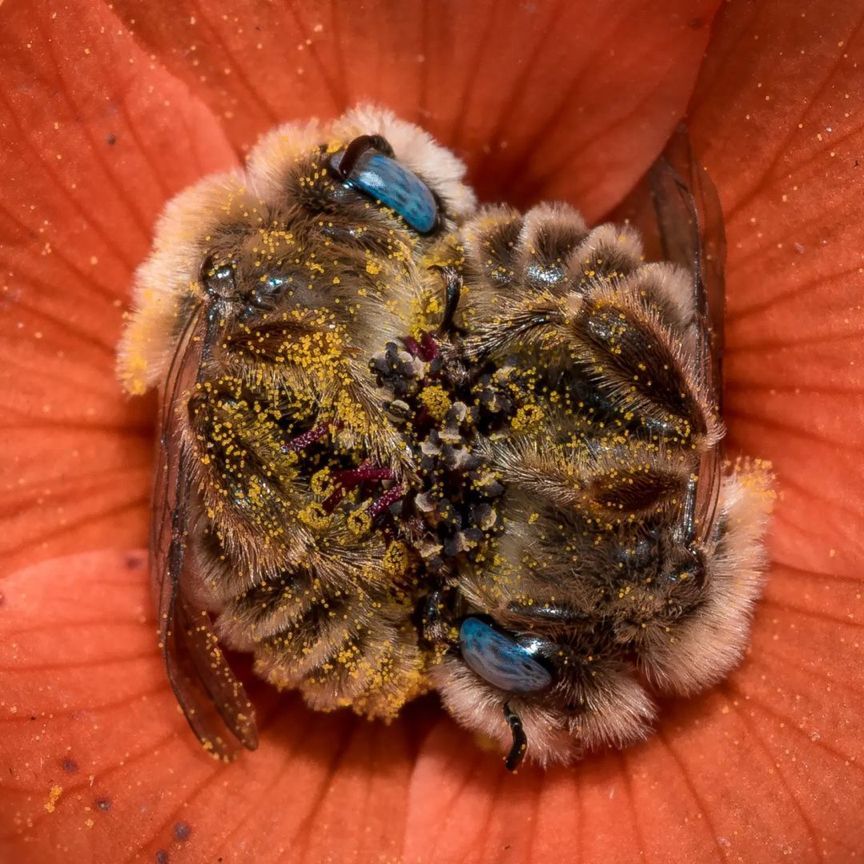
Did you know that bees sleep between 5-8 hours a day, sometimes in flowers? Also, they like to sleep with other bees and hold each other’s feet.
📸: Joe Neely
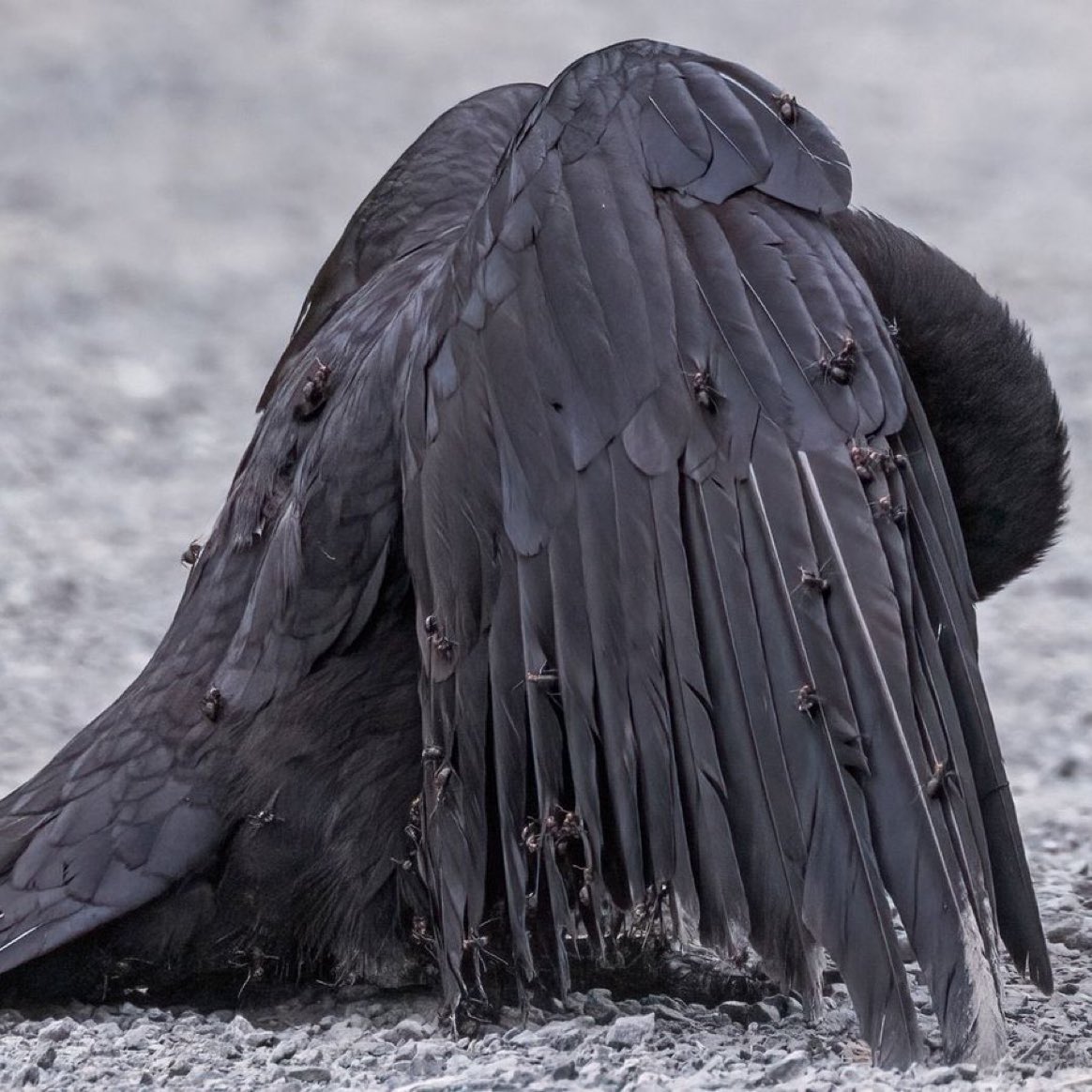
This crow has allowed itself to be covered in ants
Birds engage in a fascinating behavior called anting, where they rub insects, especially ants, on their feathers and skin. This can be done actively by picking up insects and applying them to their body or passively by lying in an area with abundant insects and performing dust-bathing-like movements. The insects secrete chemicals like formic acid, which possess insecticidal, miticidal, fungicidal, or bactericidal properties, providing potential benefits for the birds' health and plumage maintenance.
📸 Tony Austin
Free-range chicken farm– nature's way is the best way
Deshaun Watson|Activision|Microsoft|Proud Boys|Phil Spencer|Guitar Hero|Call of Duty|Roger Stone|Pastors for Trump|Tupac|Qatar|Ciara|Paul Ryan|Offset|Day of Rage|Jim Jordan for Speaker|Jada|Jihad|Tupac|Ciara|
If you are planning on making a change, you may need to take one small step or you may need to take a big leap. Change can bring renewal, new opportunities, and freedom.
#fridaymorning#Mindset#HealthCoach#LifeCoach
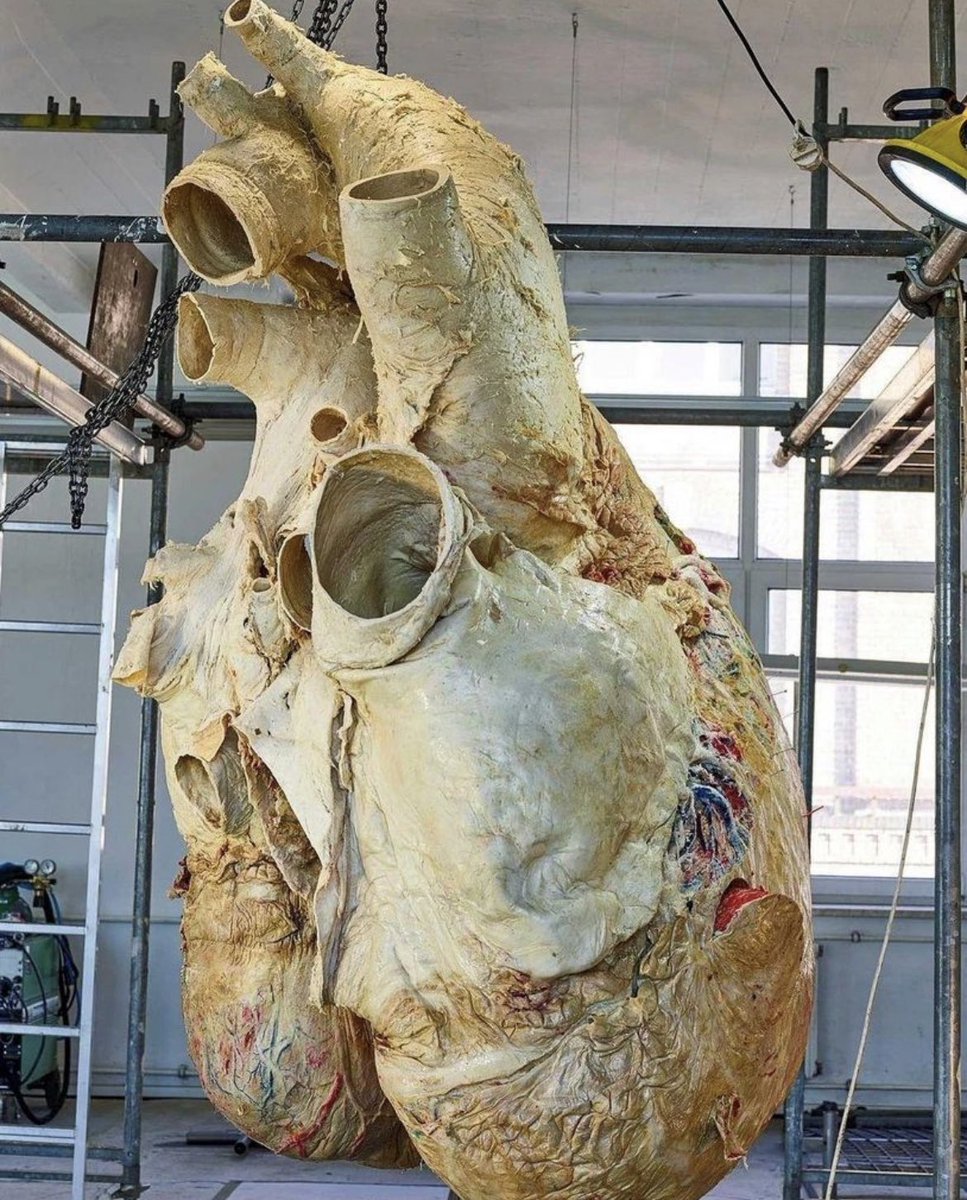
The Blue Whale possesses the largest heart on Earth, composed of four equally massed chambers. It pumps oxygen to all parts of its colossal body every 10 seconds. This magnificent creature, surpassing the size of any dinosaur, boasts a weight ranging from 100 to 150 tons, akin to approximately 340 elephants or the dimensions of a 10-story building. With a massive 30-meter length, it relies on its substantial heart, weighing approximately 180 kilograms, to fuel its immense body.
The heart of the Blue Whale, characterized by its four equally proportioned chambers, efficiently circulates oxygen, propelling 220 liters of blood throughout its vast frame. Remarkably, its heartbeats resound audibly up to 3 kilometers away when detected by sonar devices. However, the intrigue extends beyond audibility.
While at the water's surface, the Blue Whale's heart typically beats at a rate of 25 to 35 beats per minute. Nevertheless, during deep-sea dives for sustenance, its heart rate can plummet to a mere 4 to 8 beats per minute. This adaptation enables the Blue Whale to reduce its heart's strain while ensuring the even distribution of blood, even in the frigid depths of the ocean.
You don’t need to be Native to feel a deeply profound spiritual connection with the natural world. Our unci maka (earth grandmother) belongs to us all, regardless of race or gender or religious affiliation. So let’s start treating her with more kindness and respect and dignity. Let’s help keep her relatively pure and pristine. And let us always remember that we absolutely do not own the land — we borrow it from future generations. #EarthDay 🪶🌎
Spirograph is a geometric drawing device that produces mathematical roulette curves of the variety technically known as hypotrochoids and epitrochoids.
This is a time lapse of a spirograph at work
[📹 justthejustin: https://t.co/GwOG1ZYQ2g]
https://t.co/cErbLpHNGe