“We’ve done the analysis, reusable rockets aren’t economic.”
SpaceX makes reusable rockets economic.
“We’ve done the analysis satellite internet isn’t economic. The antenna alone is tens of thousands of dollars. The cost to manage a constellation that size, the radiation, the space hardened solar cost…”
Satellite internet appears to be a very good business with antennas in the $100 range.
“We’ve done the analysis, orbital data centers aren’t economic. The radiators, launch costs, the radiation, the solar…”
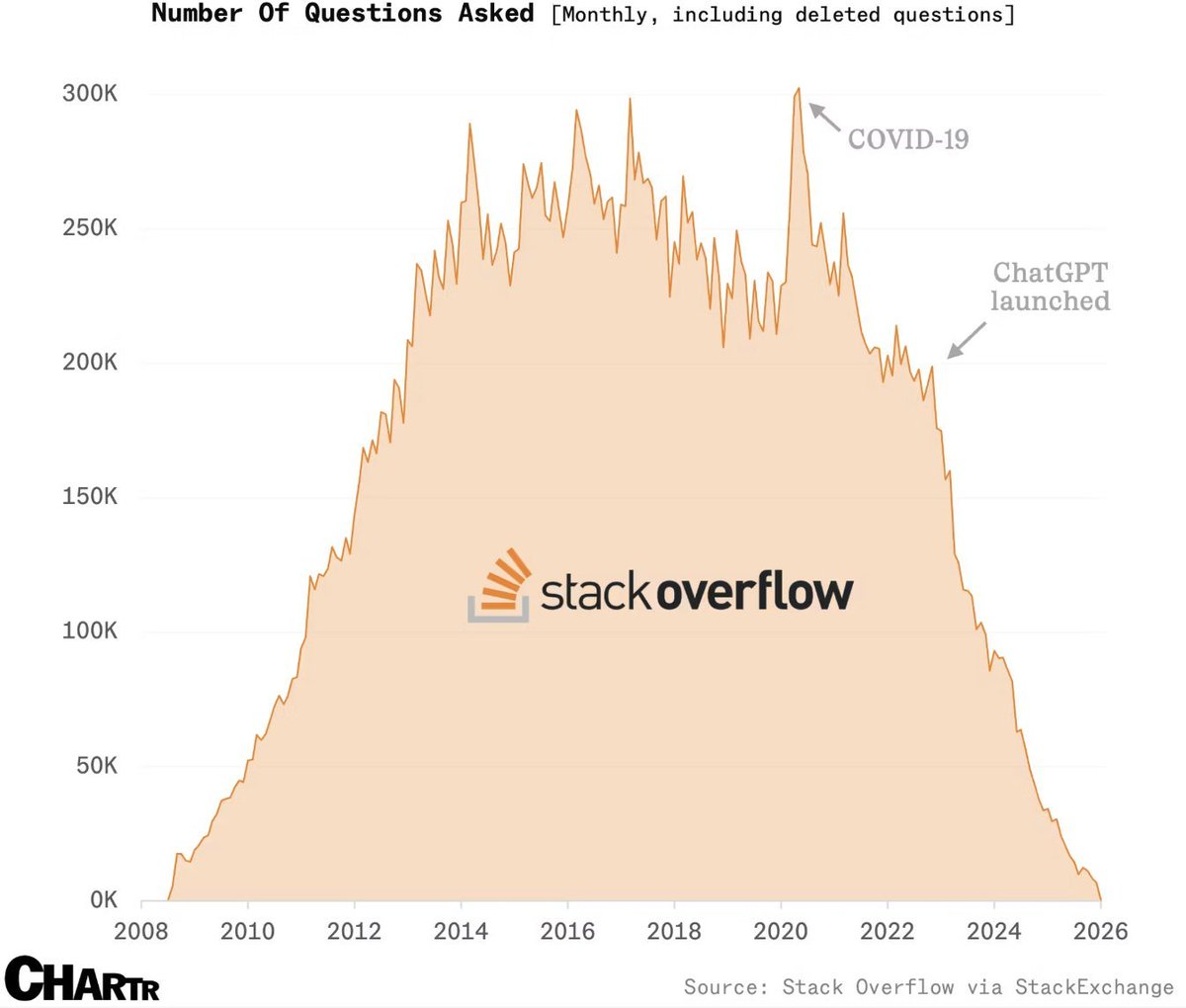
You are here.
NEWS: Investor Jason Calacanis is warning YC founders not to take Sam Altman's $2M OpenAI credit offer.
His concern is accepting the deal gives OpenAI direct visibility into what each startup is building. OpenAI could study their approaches and incorporate features into its own product.
"Fair warning, YC founders: if you take these tokens, there's a non-zero chance that OpenAI will study exactly what your startup is doing, copy your idea and put your app into their free offering."
Polish people have been some of the most pleasant guests the UK has ever welcomed.
I worked with many during my time there and still have many Polish friends to this day.
Dominik is one of Polands very best, a true patriot.
It seems Poles are allowed to build our roads, work our construction sites but NOT to speak freely and question anti democratic woke narratives.
SHAME on you @UKLabour.
Elon’s whole career is basically a revenge arc.
Pushed out of PayPal?
Ok, I’ll do rockets.
Wanted to grow veggies on Mars, not for profit, just to make humanity care about space again. Goes to buy Russian rockets.
Russians mock him.
Ok, I’ll make my own rockets.
Then Apollo astronauts mock commercial space.
Ok, I’ll make commercial space real.
Auto industry mocks Tesla.
Ok, I’ll become CEO and make the most valuable car company.
Wants to start a nonprofit for safe AI.
Got pushed out / sidelined / mocked.
Ok, I’ll make my own AI lab.
California mocked and blocked him?
Ok, I’ll move to Texas and make Star City.
Democrats mock him.
Ok, I’ll help Trump win.
Maybe the fastest way to change something on Earth is to find people in charge of it and encourage them to mock Elon?
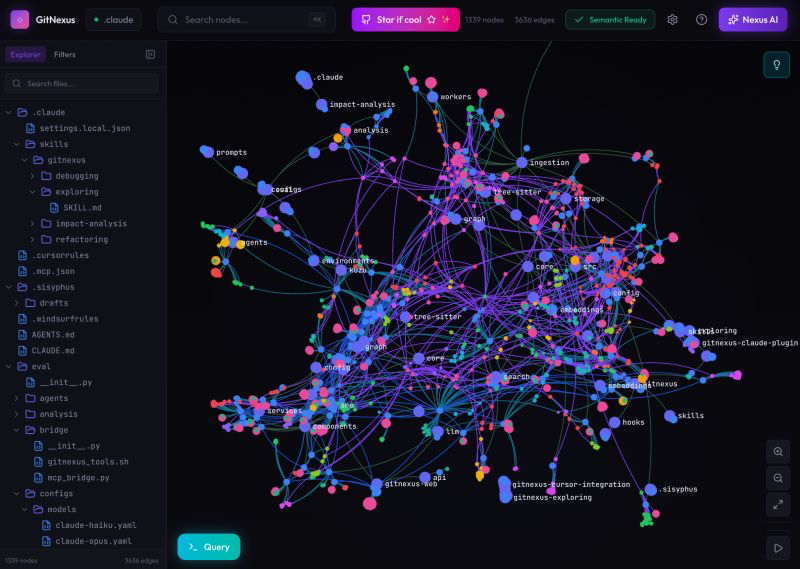
🚨Breaking: Someone open sourced a knowledge graph engine for your codebase and it's terrifying how good it is.
It's called GitNexus. And it's not a documentation tool.
It's a full code intelligence layer that maps every dependency, call chain, and execution flow in your repo -- then plugs directly into Claude Code, Cursor, and Windsurf via MCP.
Here's what this thing does autonomously:
→ Indexes your entire codebase into a graph with Tree-sitter AST parsing
→ Maps every function call, import, class inheritance, and interface
→ Groups related code into functional clusters with cohesion scores
→ Traces execution flows from entry points through full call chains
→ Runs blast radius analysis before you change a single line
→ Detects which processes break when you touch a specific function
→ Renames symbols across 5+ files in one coordinated operation
→ Generates a full codebase wiki from the knowledge graph automatically
Here's the wildest part:
Your AI agent edits UserService.validate().
It doesn't know 47 functions depend on its return type.
Breaking changes ship.
GitNexus pre-computes the entire dependency structure at index time -- so when Claude Code asks "what depends on this?", it gets a complete answer in 1 query instead of 10.
Smaller models get full architectural clarity. Even GPT-4o-mini stops breaking call chains.
One command to set it up:
`npx gitnexus analyze`
That's it. MCP registers automatically. Claude Code hooks install themselves.
Your AI agent has been coding blind. This fixes that.
9.4K GitHub stars. 1.2K forks. Already trending.
100% Open Source.
(Link in the comments)
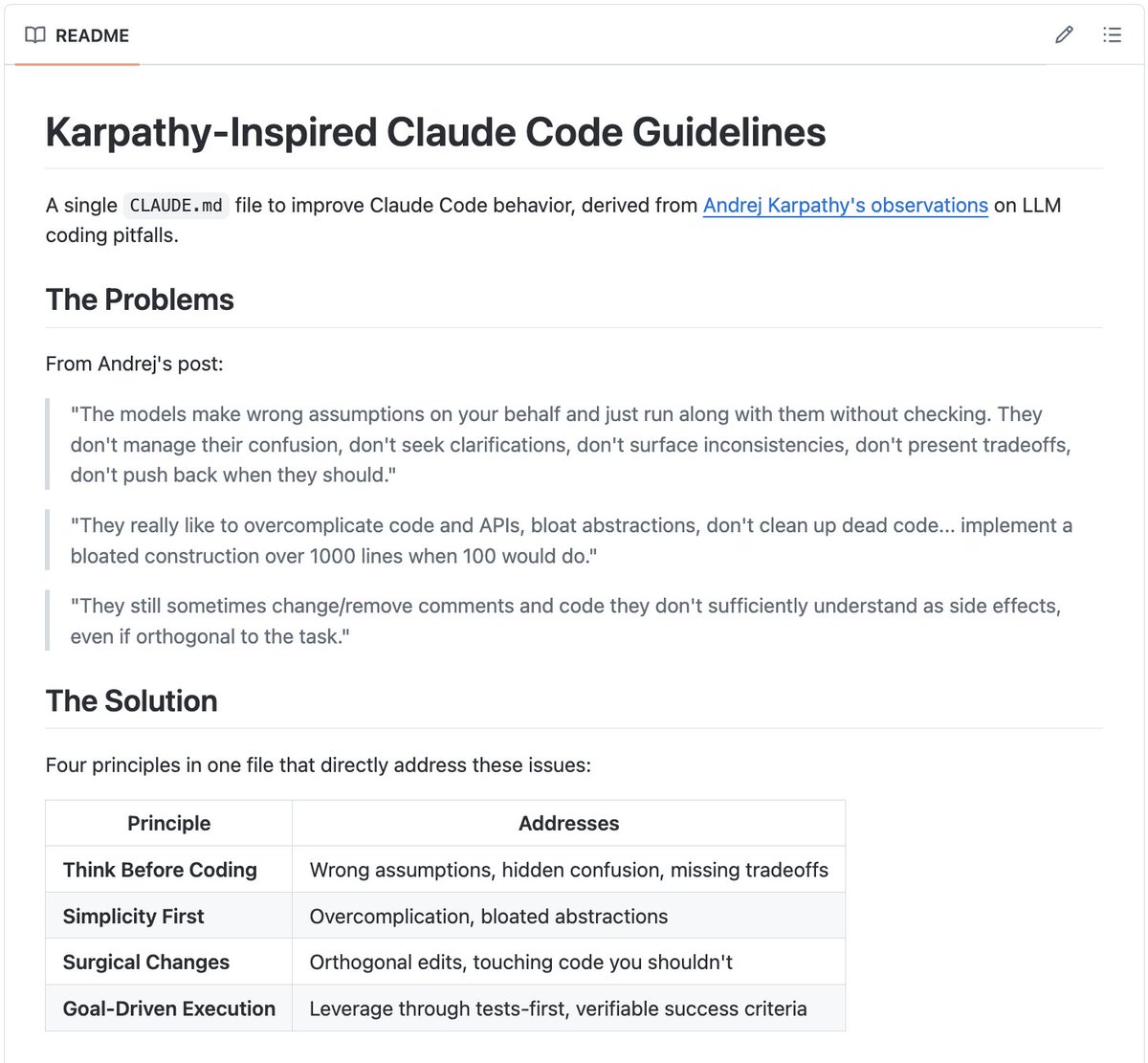
A single 𝗖𝗟𝗔𝗨𝗗𝗘.𝗺𝗱 file just hit 15K GitHub stars.
(derived from Karpathy's coding rules)
Andrej Karpathy observed that LLMs make the same predictable mistakes when writing code: over-engineering, ignoring existing patterns, and adding dependencies you never asked for.
If you've used AI coding assistants, you've hit all of these.
But here's the thing:
If the mistakes are predictable, you can prevent them with the right instructions.
That's exactly what this 𝗖𝗟𝗔𝗨𝗗𝗘.𝗺𝗱 does. You drop one markdown file into your repo, and it gives Claude Code a structured set of behavioral guidelines for your entire project.
This is a big deal.
- Built entirely around prompt engineering for AI coding assistants
- No framework, no complex tooling, just one .md file that shapes behavior
Developers are moving past "use AI to write code" and into "engineer the AI's behavior so the code is actually good."
The Claude Code ecosystem is growing fast, and the best tools in it aren't always software. Sometimes they're just well-crafted instructions.
100% open-source.
I've shared a link to the GitHub repo in the next tweet!
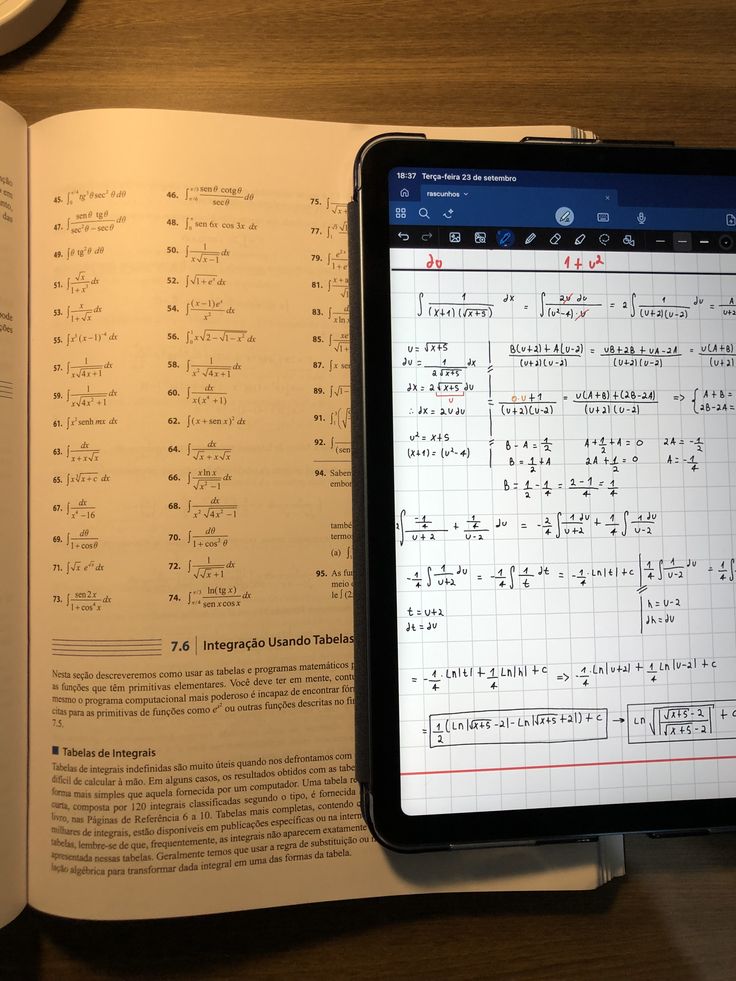
study calculus. seriously.
not because it’s “academic” but because it rewires how you see the world.
• limits → teach you how things behave at the edge
• derivatives → measure change, motion, growth
• integrals → accumulation, area, total effect
• differential equations → how real systems evolve over time
once you see the world in rates of change and accumulation, everything looks different. physics makes sense. control theory makes sense. even economics starts clicking.
and don’t wait for a classroom to save you.
• pick a textbook
• watch lectures
• solve problems by hand
• struggle alone until it hurts
self learning is slow at first. then it compounds.
no one is coming to structure your mind for you.
Judging by my tl there is a growing gap in understanding of AI capability.
The first issue I think is around recency and tier of use. I think a lot of people tried the free tier of ChatGPT somewhere last year and allowed it to inform their views on AI a little too much. This is a group of reactions laughing at various quirks of the models, hallucinations, etc. Yes I also saw the viral videos of OpenAI's Advanced Voice mode fumbling simple queries like "should I drive or walk to the carwash". The thing is that these free and old/deprecated models don't reflect the capability in the latest round of state of the art agentic models of this year, especially OpenAI Codex and Claude Code.
But that brings me to the second issue. Even if people paid $200/month to use the state of the art models, a lot of the capabilities are relatively "peaky" in highly technical areas. Typical queries around search, writing, advice, etc. are *not* the domain that has made the most noticeable and dramatic strides in capability. Partly, this is due to the technical details of reinforcement learning and its use of verifiable rewards. But partly, it's also because these use cases are not sufficiently prioritized by the companies in their hillclimbing because they don't lead to as much $$$ value. The goldmines are elsewhere, and the focus comes along.
So that brings me to the second group of people, who *both* 1) pay for and use the state of the art frontier agentic models (OpenAI Codex / Claude Code) and 2) do so professionally in technical domains like programming, math and research. This group of people is subject to the highest amount of "AI Psychosis" because the recent improvements in these domains as of this year have been nothing short of staggering. When you hand a computer terminal to one of these models, you can now watch them melt programming problems that you'd normally expect to take days/weeks of work. It's this second group of people that assigns a much greater gravity to the capabilities, their slope, and various cyber-related repercussions.
TLDR the people in these two groups are speaking past each other. It really is simultaneously the case that OpenAI's free and I think slightly orphaned (?) "Advanced Voice Mode" will fumble the dumbest questions in your Instagram's reels and *at the same time*, OpenAI's highest-tier and paid Codex model will go off for 1 hour to coherently restructure an entire code base, or find and exploit vulnerabilities in computer systems. This part really works and has made dramatic strides because 2 properties: 1) these domains offer explicit reward functions that are verifiable meaning they are easily amenable to reinforcement learning training (e.g. unit tests passed yes or no, in contrast to writing, which is much harder to explicitly judge), but also 2) they are a lot more valuable in b2b settings, meaning that the biggest fraction of the team is focused on improving them. So here we are.