Thanks for highlighting our research @HKUniversity. Fung shui woods are the best! They provide a substantially safer microclimate for hundreds of species and give us a glimpse of how a pristine nature in Hong Kong could look like. Get in touch if you want to know more🌳
#Fengshui is the #Chinese art of achieving harmony between humans and their environment. What are the fengshui forests of Hong Kong? Biodiversity hotspots for one. Smaller than 1.5 hectares on average, our fengshui forests are home to over 100 species of trees alone.
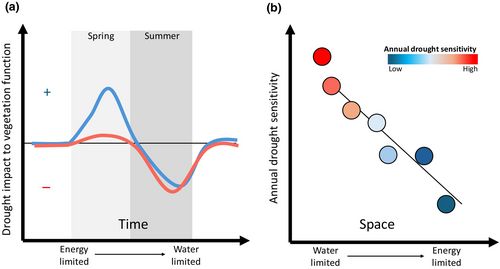
A greener #forest is not always healthier. Satellite observations in northern China found that forests later showing widespread #canopy decline had stronger growth but lower stability, suggesting favorable conditions and repeated #droughts may leave forests more vulnerable to future stress.🌲
@Forestecosyst
https://t.co/xpPbuO1dcz
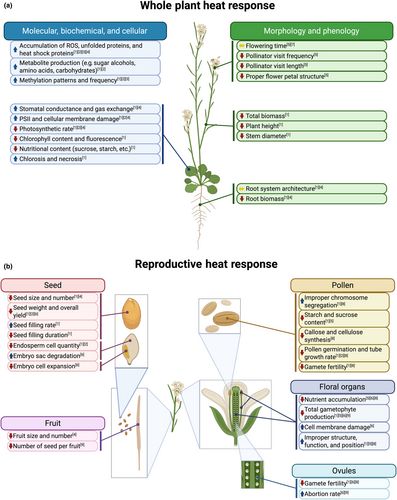
#Viewpoint: The incredible vulnerability that reproduction poses for plant species in a warming world
Denney & Taylor et al.
👇
📖 https://t.co/j1vIfHlAp7
#LatestIssue#PlantScience
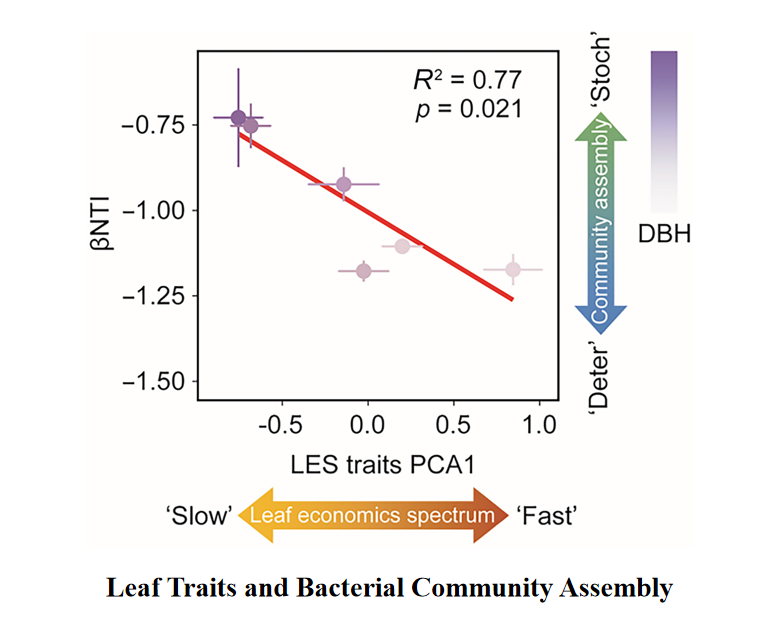
Researchers collected 210 leaf samples in Northeast China found bigger #trees carry more diverse leaf bacteria. This pattern intensifies in colder climates. This reveals that a tree's #microbial coat is tied to its growth, offering a new way to gauge how #forests cope with #environmental change.👇
@Forestecosyst
https://t.co/I4dSrAWiye
New paper in @FunEcology led by Felix. We present ShareTrait, a community-driven platform for standardising & sharing individual-level trait data in ectotherms to improve data reuse across studies.
🔗https://t.co/10nZnziaxE
#OpenScience#FAIRdata
Studying past forest changes in Italy reveals how Mediterranean forests responded to ancient warming, crucial for future conservation!💪
#forest#warming@Forestecosyst
https://t.co/wqc4OKLYwY
New in @AnimalEcology - Butterflies respond to habitat disturbance in tropical forests through activity shifts - happy to see this one out, wonderful work led by @ShannonXing & @wangda999 https://t.co/mdAbyGuBGU
New paper in @Nature led by @PatriceEcoEvo! We demonstrated global vulnerability of amphibians to warming, threatening 10% of >5,000 species examined. How did we do it? | https://t.co/Sq7YMaC8NP | See thread🧵