New in @AnimalEcology - Butterflies respond to habitat disturbance in tropical forests through activity shifts - happy to see this one out, wonderful work led by @ShannonXing & @wangda999 https://t.co/mdAbyGuBGU
Light pollution is creating novel photoperiods for organisms to navigate, with consequences for circadian timing. But will these impacts be distributed evenly across the globe? 🧐
Our preprint describes a new biogeographic theory ~!
https://t.co/UhiCZ462Qk
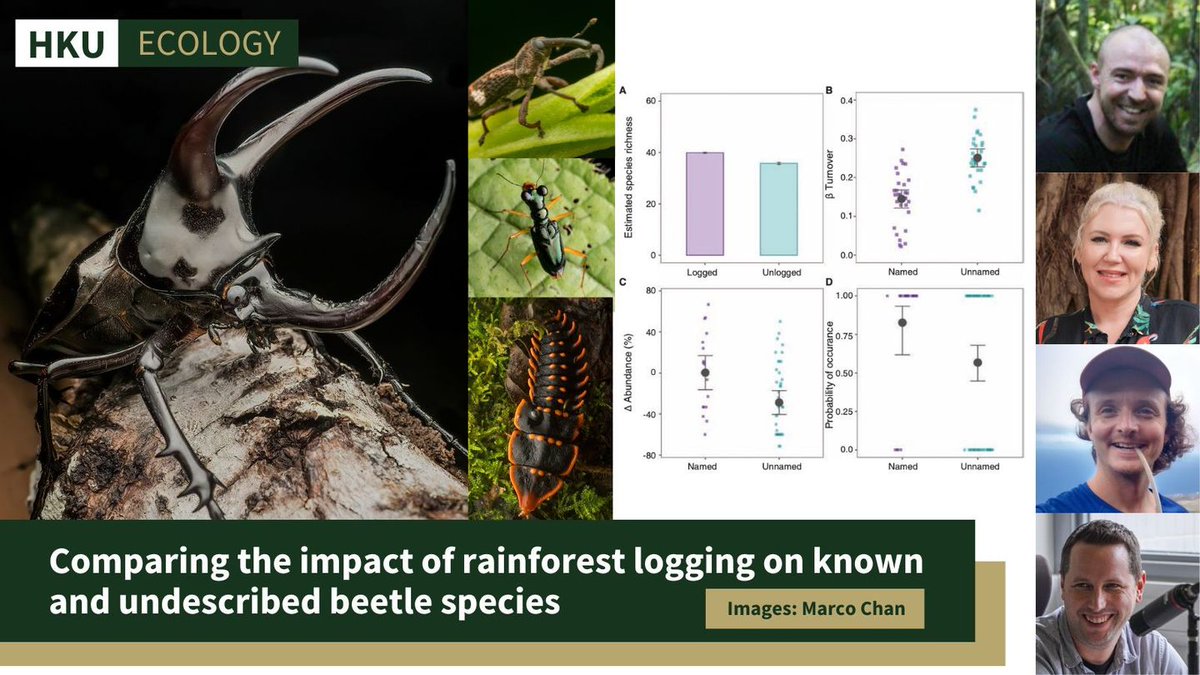
Dr Michael Boyle, Dr Adam Sharp, @Lou_A_Ashton@bonebraking@HKUSBS show reduced abundance of undescribed beetle species in logged Borneo rainforests. Unknown tropical insect biodiversity appears less resilient to human-induced environmental change. https://t.co/cEG8HiswKe
Very happy to share that my first PhD chapter has just been published in @Ecol_Evol@WileyGlobal
https://t.co/vMEWQKpkBM
In this study we investigated patterns of plant beta diversity during secondary succession in Lowland and Montane subtropical forests in Hong Kong 🌳🌿🍃
My 2nd work on ant biogeographic regions is now published in @NatureComms! https://t.co/0sPthk40ad We show the complex biogeographic relationships among different taxa and the value of including insect groups in global bioregionalizations! @HKUniversity@HKUSBS
More capterillar work! New paper with
@Lou_A_Ashton@barba365 in @AnimalEcology. We looked at top-down and bottom-up effects from assemablge level in a seasonal rainforest, we found seasonality and whether caterpillar is a concealed feeder very important https://t.co/frOlruy6zD
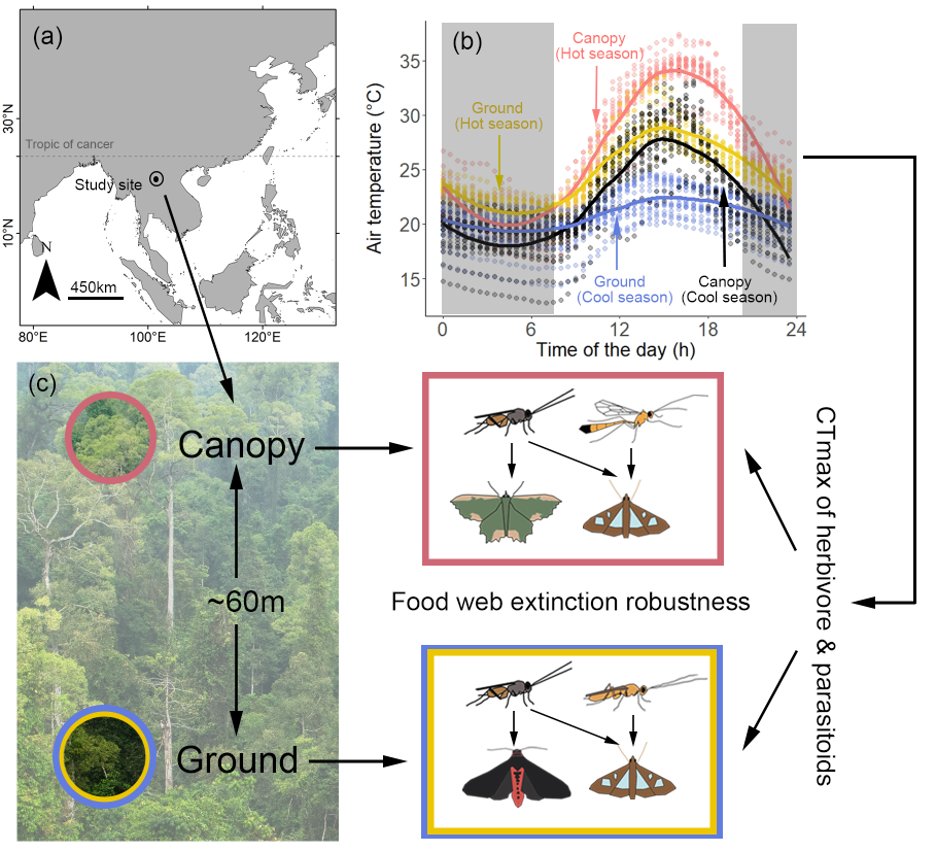
Our new paper "Heat tolerance variation reveals vulnerability of tropical herbivore–parasitoid interactions to climate change" is out! Led by Cheng Wenda with @JDGaitanEspitia, Jaiber Solano-Iguaran, @barba365 and @Bartrees
https://t.co/brIRdqMxlD
10 days left to apply for a two-year postdoc at HKU investigating BVOCs and plant-herbivore-predator interactions https://t.co/BWz2cZZqUe
Please retweet and email me any questions!
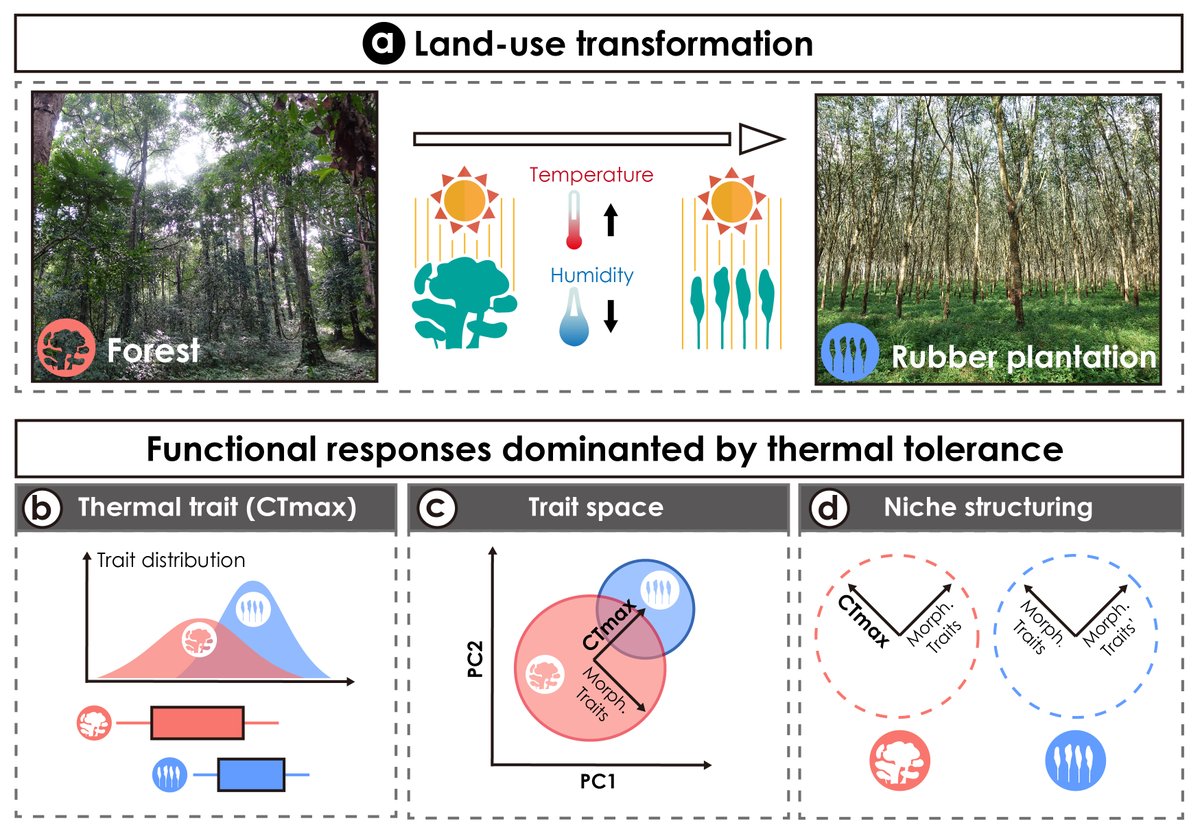
Our work is now out in @InsectDiversity! We looked at how thermal trait, trait space and niche structure of ground foraging ant assemblages respond to thermal constraints in land-use change from forests to rubber plantations. Co-first with @chimanleong
Teaching Tropical Ecology (for BSc, MSc and PhD students) on Zoom from a rather appropriate location for it, Papua New Guinea, and posting videos of my lectures weekly on my youtube channel if anybody interested: https://t.co/8QqGzELYno
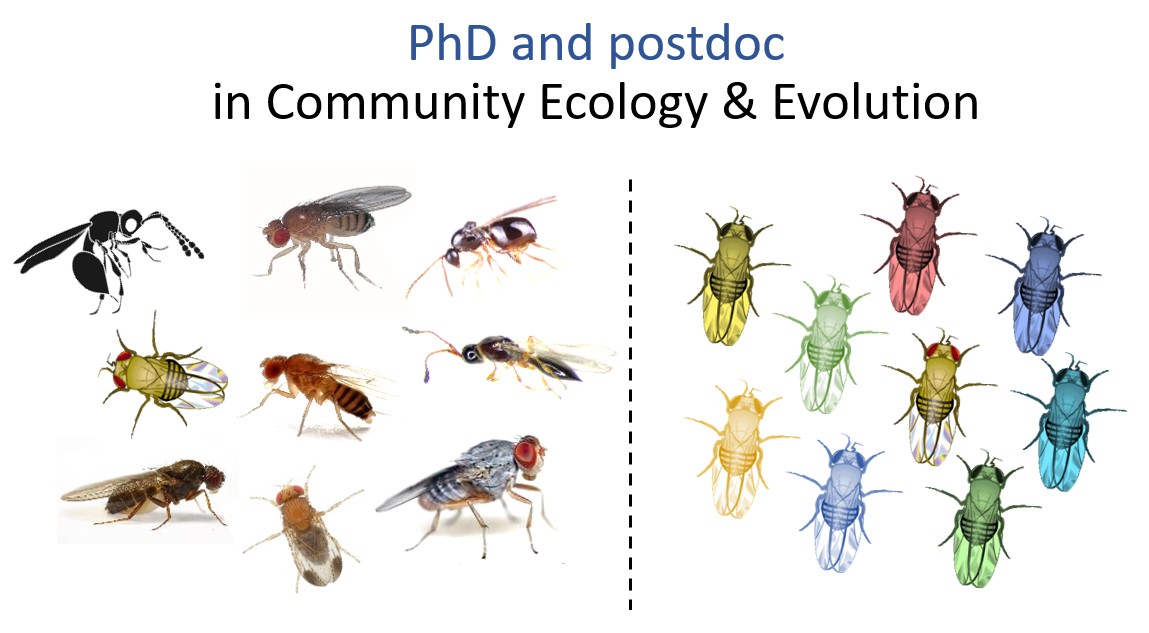
I invite applications for PhD and Postdoc positions on my ERC-CZ project. Join our team exploring how species diversity and genetic variation are maintained in ecological networks! See https://t.co/Fav2K7AMmJ
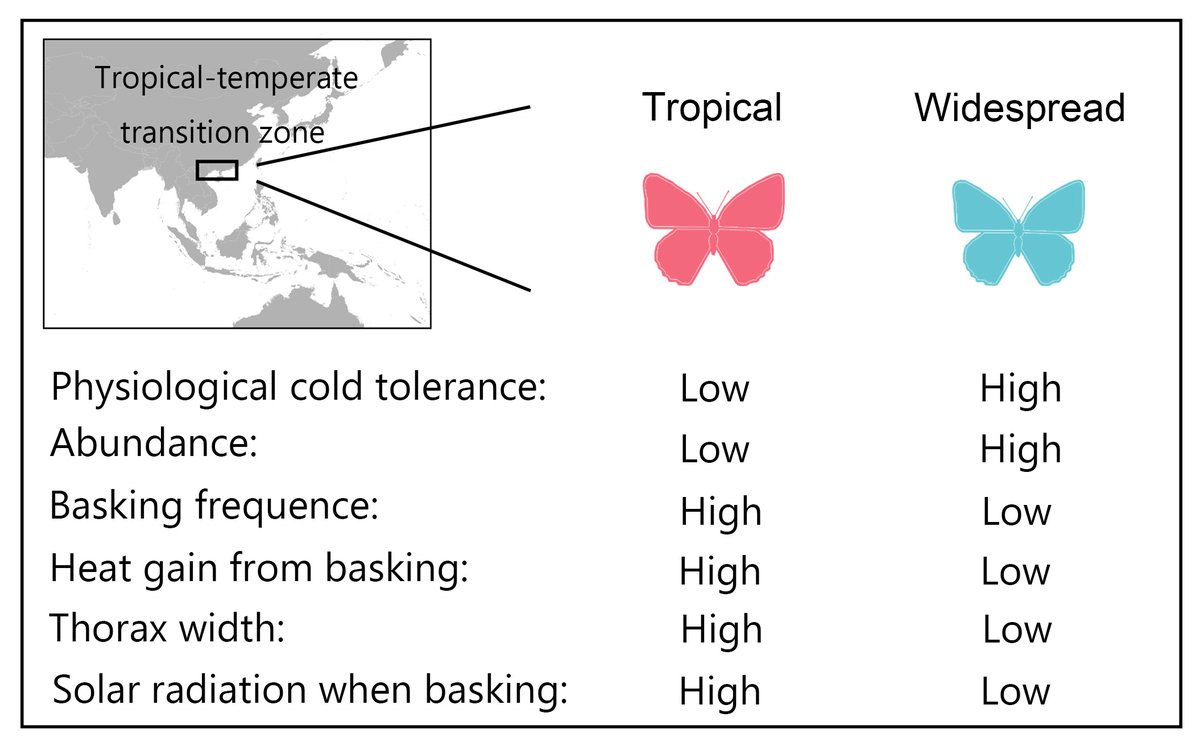
My last thesis chapter finnally got published with the help from @ShannonXing@barba365@bonebraking ! we used 4000+ butterfly records in southern China, asking whether tropical butterflies (don't like cold) have ways to cope with cool weather in their northern range margins
We found butterflies are quite adaptable to different environments. Tropical butterflies bask more often under the sun and have larger thorax compared with co-occuring butterflies with wider ranges (which are known to cope well with cold).
Please check out our commentary on the rise of ecological network meta-analyses: Problems and Prospects on #GECCO@tomfayle@ShannonXing#lifewebsproject
https://t.co/iobouhVh4l