Near-death experiences have been reported since antiquity, with an incidence of more than 10% after in-hospital cardiac arrest. In a new article, authors review the evidence for neurophysiologic mechanisms of consciousness in the dying brain: https://t.co/moxxTQkUkv
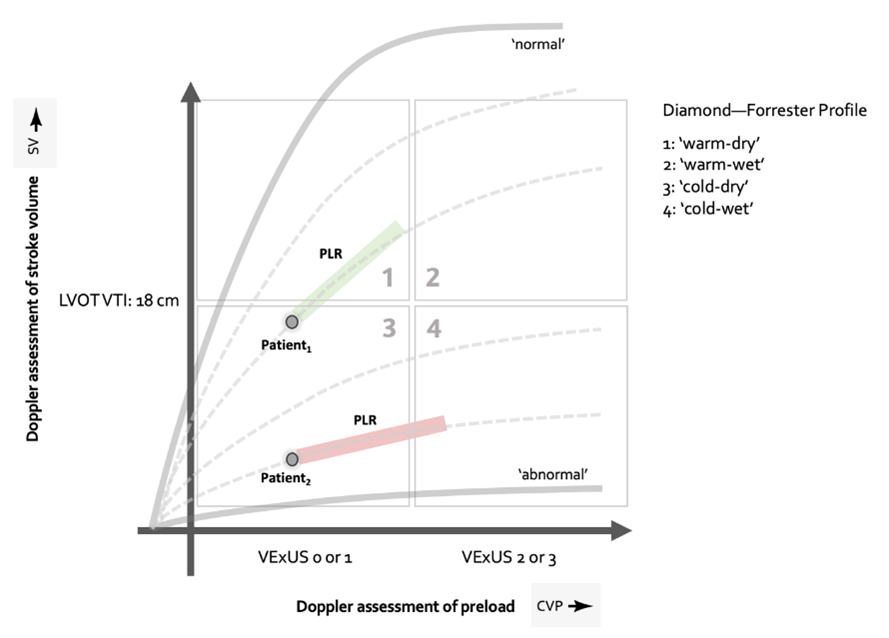
1/7: This year, let's fully understand the concepts of fluid responsiveness, fluid tolerance, venous congestion, dynamic fluid intolerance, and perfusion.
This is crucial for all providers as dedicated RCTs (1500 pts!) (@AndromedaShock 2) will help inform how to integrate these into practice.
A 🧵
Here's our recent paper for a deeper dive right off the bat. https://t.co/5moUYWBFTE
#medtwitter #foamed #foamcc #meded #medicine #evidencebasedmedicine
🚨Job Alert🚨 👀👇🏼
Fantastic opportunity for an experienced pharmacist to join our cardiac critical care team @bartspom Amazing multidisciplinary team and lots of opportunities for development! Check it out: https://t.co/OFJRkxb3Xl
@BartsHospital @UKCPACritcare
Last couple of places left at our upcoming advanced critical care echo course in conjunction with @echonepean
Featuring our very own @iceman_ex@DrCCorredor@drhazemlashin among others
-Heart dissection
-TOE on simulators
-EDEC/BSE accredited
Book here: https://t.co/LMlE3N781e
I fully support the junior doctors strike. Consultants will be providing emergency medical cover to ensure patients remain safe. Where are you @SteveBarclay ? Time to get yourself to the negotiation table with the @TheBMA . #juniordoctorstrikes#PayRestoration