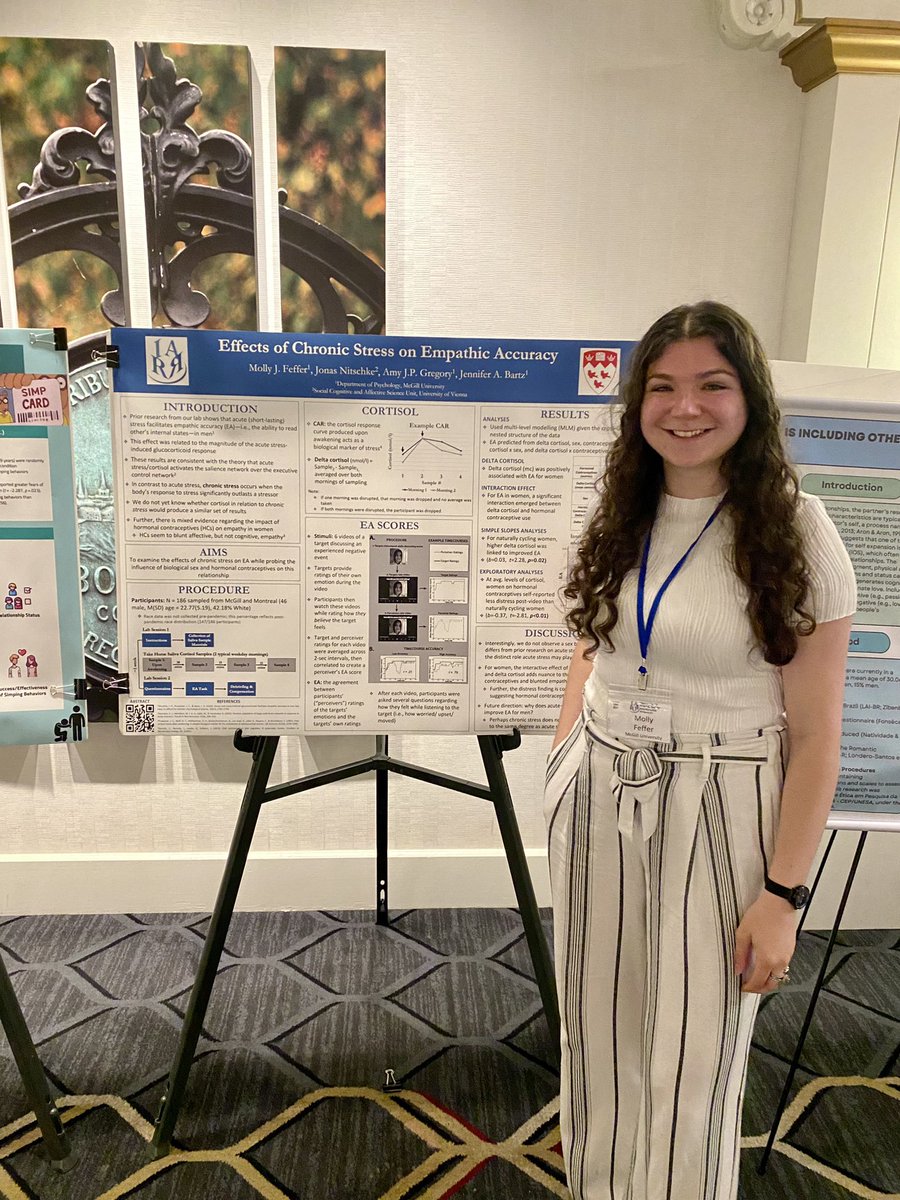
Check out our newest clinical PhD student, Audrey-Anne Forget, as she presents her poster on a fantastic project with contributions from Dr. Bartz and @amyjpgregory!
👏🎉 #DarkTriad#Empathy#SPSP2025
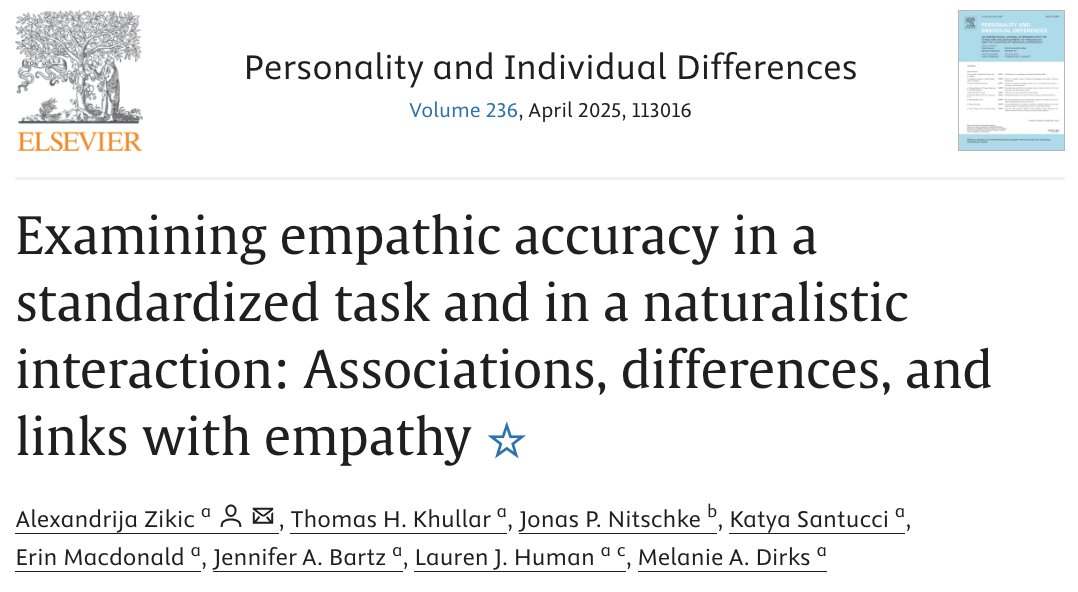
Excited to share that some new research on #EmpathicAccuracy worked on by past & present members of the Bartz lab has been published🎉
Check out the article below!🔽
https://t.co/yyJ9sYnMRf
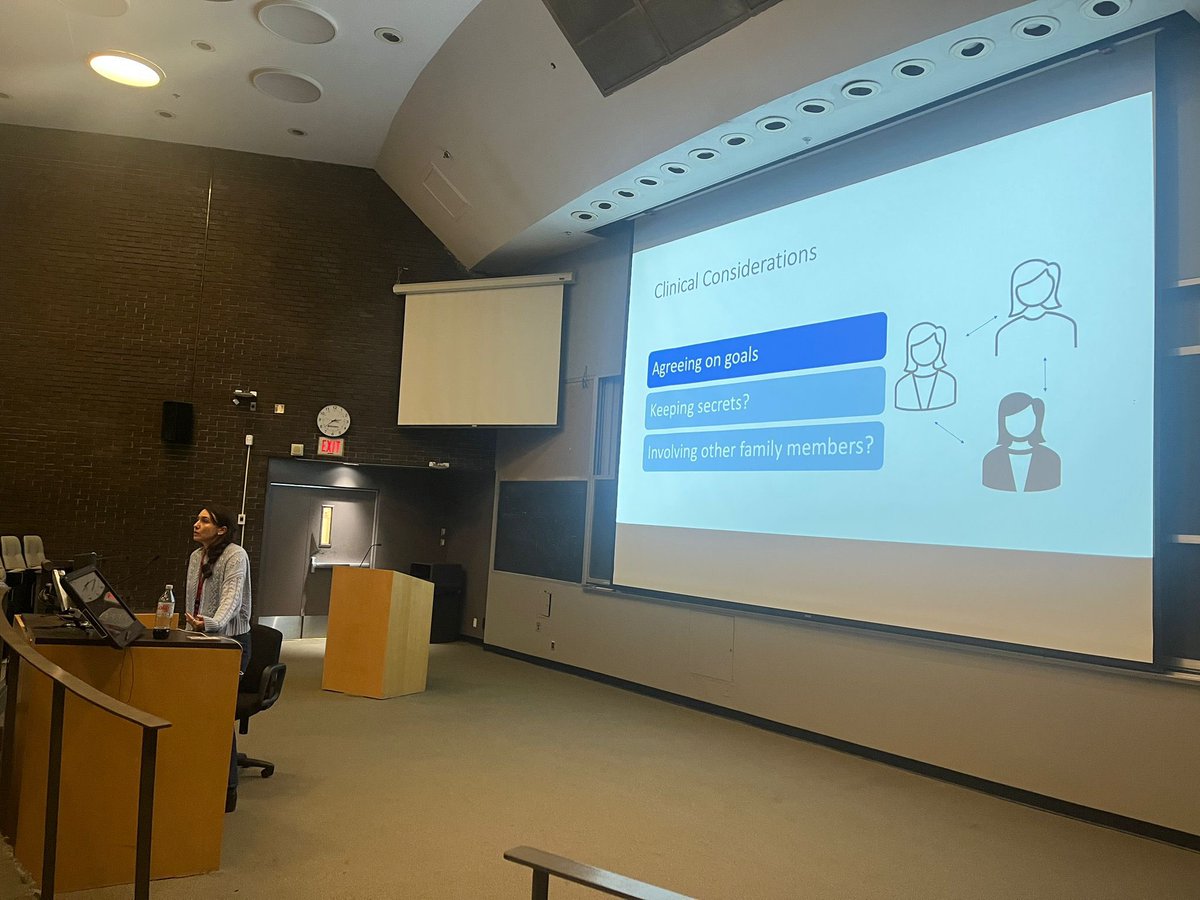
Our PhD candidate, @amyjpgregory, recently gave a wonderful guest lecture about #CouplesTherapy to McGill students in PSYC 474: Interpersonal relationships!
Nice work, Amy!
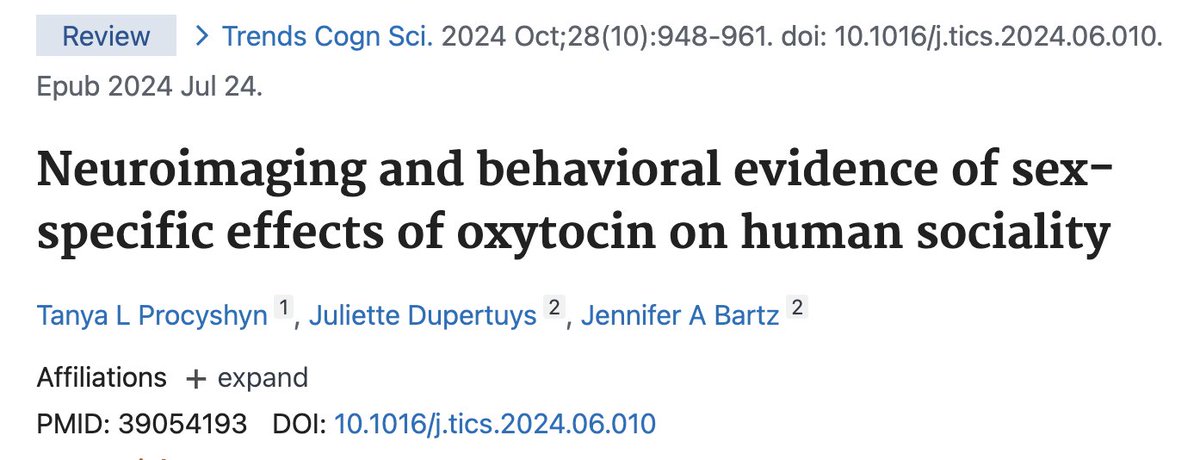
One size does not fit all when investigating the effect of oxytocin between sexes. Oxytocin research has been conducted primarily in males. However, sex differences in oxytocin were identified in a recent review by Prof. Jennifer Bartz and PhD Student Juliette Dupertuys.
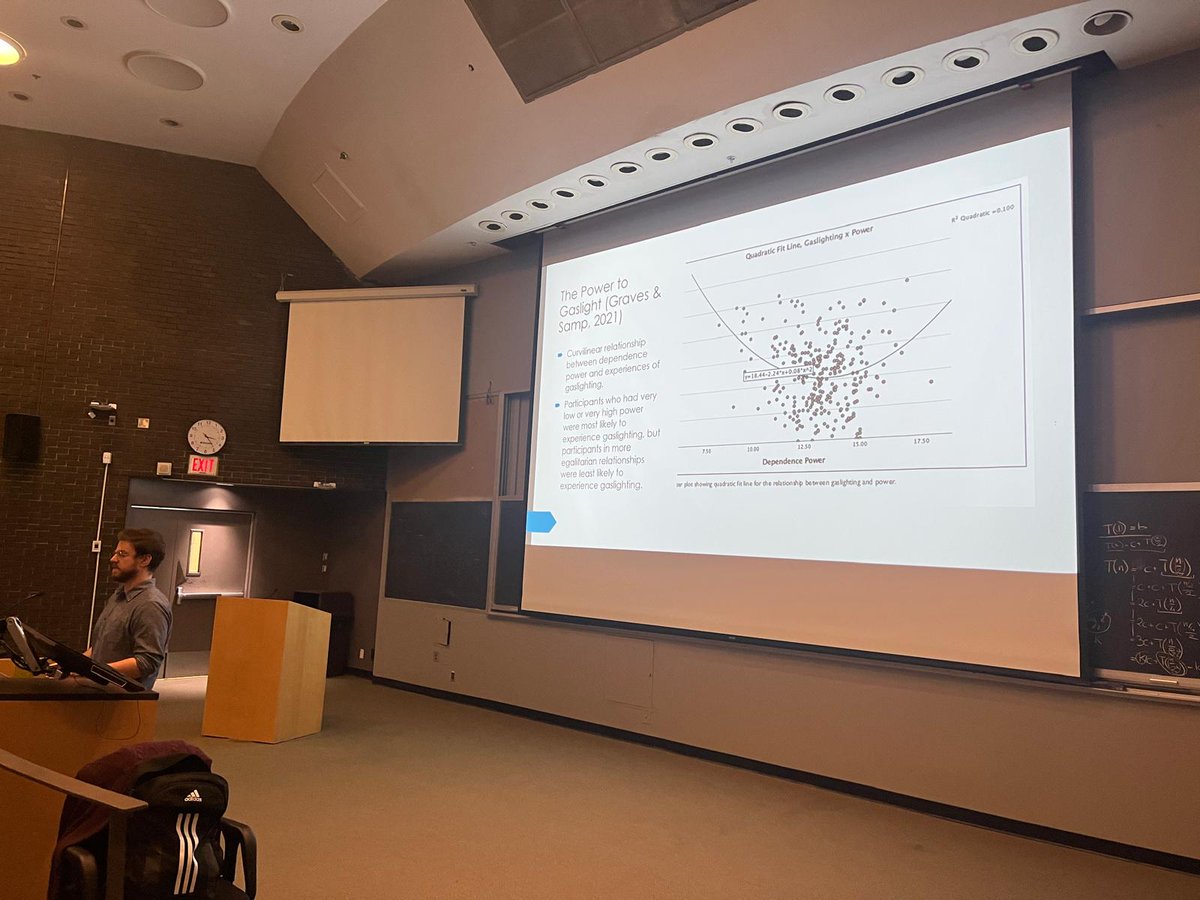
Today our PhD student, @WillisKlein4, delivered an amazing guest lecture to McGill students enrolled in PSYC 474: Interpersonal Relationships📒
Way to go, Willis🥳
What are the long-term effects of being gaslit in a romantic relationship, and how do people recover? @VinitaMehta2 explores the latest research. https://t.co/HsvO6ni76h
📢Exciting news: our grad student @WillisKlein4's work on #gaslighting is featured in a recent article on @PsychToday!
Dive into the core themes of surviving gaslighting in relationships below👇
https://t.co/DT3Mp7gsa1
New manuscript in Trends in Cog Sciences: paper was a long time coming: Neuroimaging and behavioral evidence of sex-specific effects of oxytocin on human sociali
https://t.co/KsVU5bSnpr
🚨New publication alert!🚨
We're thrilled to announce our new article featured in Trends in Cognitive Science written by our former visiting scholar @fierysynapses, former lab coordinator Juliette Dupertuys, and Dr. Bartz!
📖Read the full article here:
https://t.co/RDVXp2rsve
🌟 Huge shoutout to our postdoc @k_tchalova for being recognized in McGill's "Thank a Prof" initiative!
Her dedication to PSYC 474 shines through and her students agree!✨
👏 Check it out here:👏 https://t.co/b8SIIlAPrV
Research by postdoc Kristina Tchalova and Prof Jennifer Bartz suggests a link between our opioid system and attachment. Children with a variant in the mu-opioid receptor gene were more likely to develop an ambivalent attachment style when their mothers were less sensitive.
Check out this new blog post where @k_tchalova & colleagues discuss their recent findings!
"Variation in a #gene related to #reward and #pain perception interacts with quality of maternal care to shape #attachment in young children."
https://t.co/IyhkEzu5Ar
🎉Congrats to our PhD student @amyjpgregory who has received the Michael Quek Teaching Assistant Award for the excellent work she did as a TA in Fall 2023🎉
Way to go, Amy!
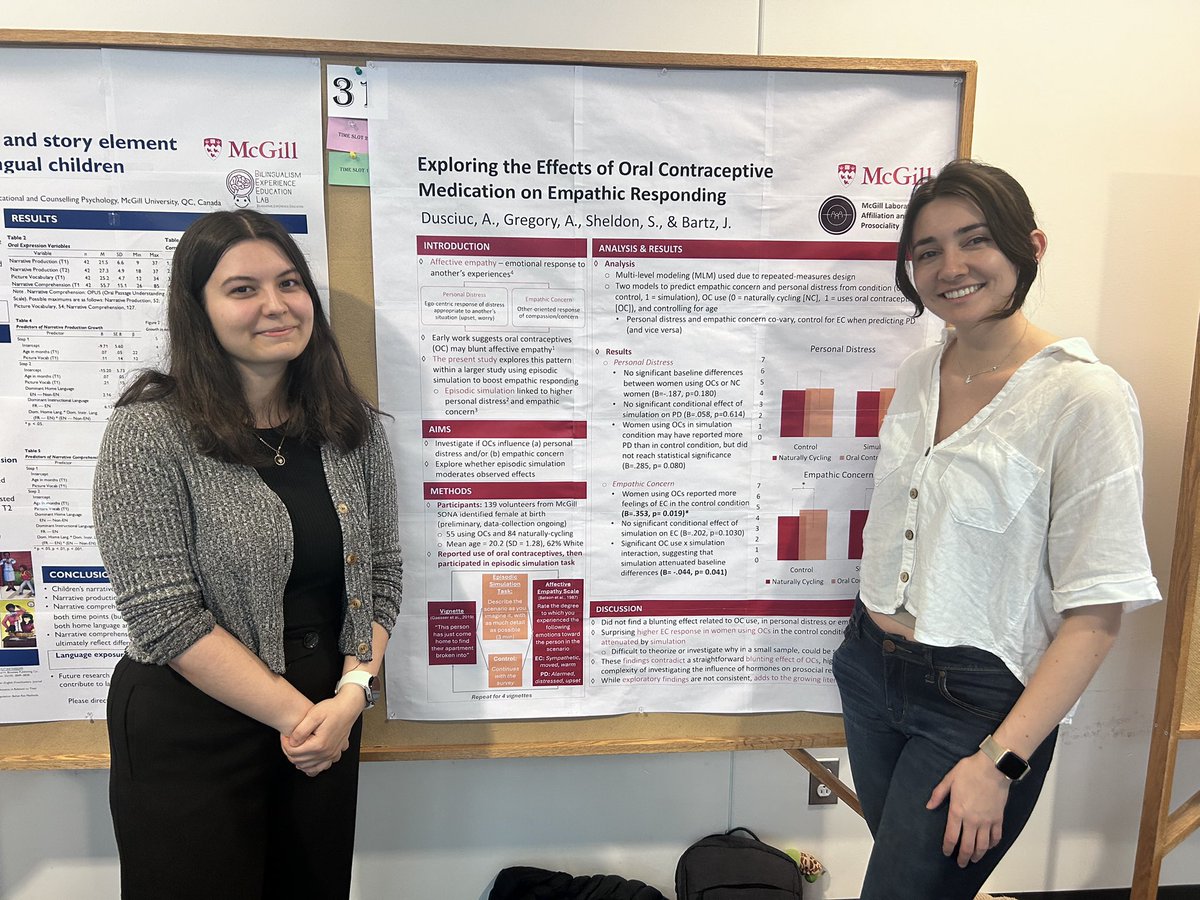
The Bartz Lab takes on @McGillPsych’s Undergraduate Poster Day💪🧠
We are so proud of our honours students! They did a terrific job this year💫
Check out their impressive posters below!
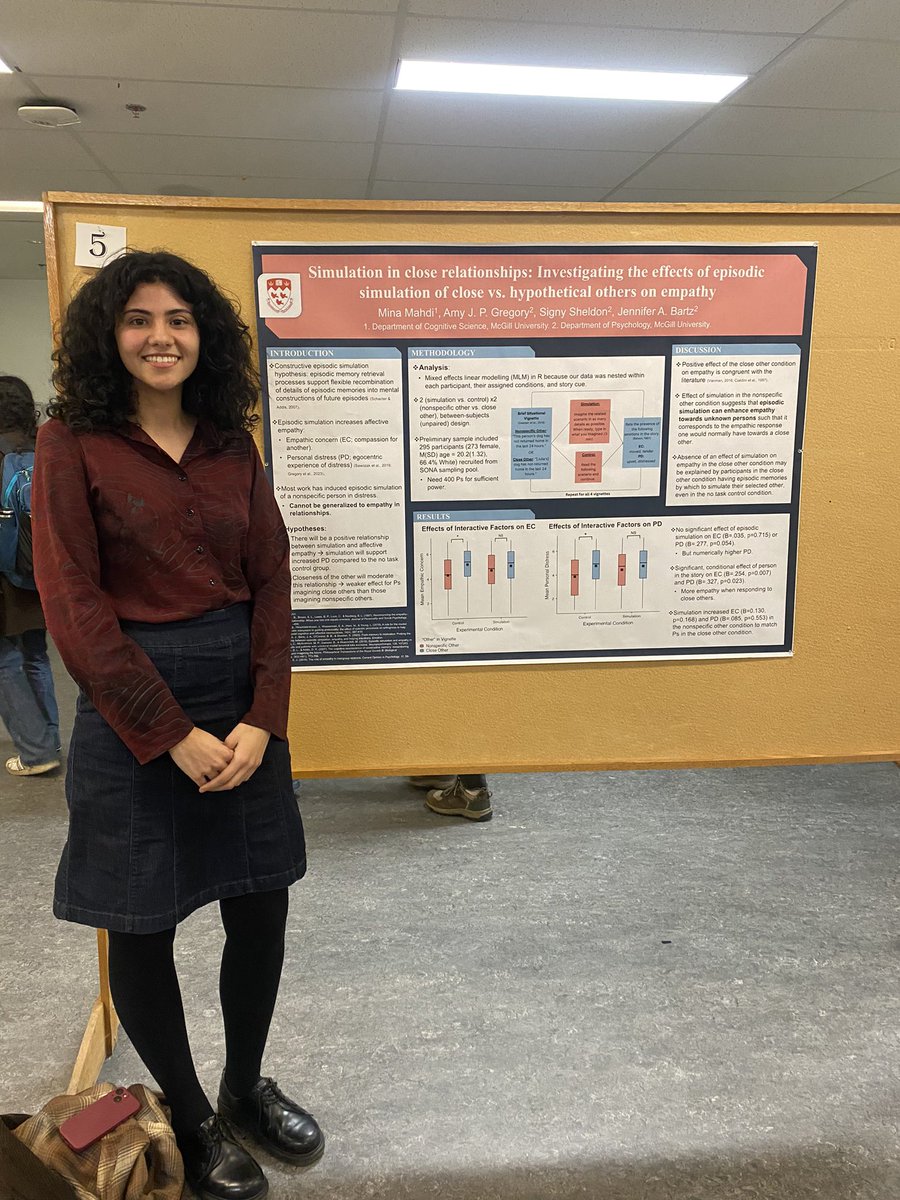
The Bartz Lab had a great time at the Cognitive Science Undergraduate Research Day!
Special shoutout to our cogs honours student for her great poster on #EpisodicSimulation and #Empathy!
👇See below for Mina’s poster👇
https://t.co/1wpm778GZL
‼️New publication alert‼️
Congrats to @k_tchalova, @jenniferabartz, & colleagues🎊
Dive into their research "Variation in the mu-opioid receptor gene (OPRM1) moderates the influence of maternal sensitivity on child attachment" by clicking the link below:
https://t.co/SpdEoX3k0i