GET READY🚨: On May 31, 2026, the Moon will reach its full phase. It will be the second Full Moon of May, which makes it a calendrical Blue Moon
A rare Full Blue Moon is coming! 🌕💙
A Cybertruck driver told Grapevine police he intentionally drove into the lake to test the vehicle's "Wade Mode" feature. The truck became disabled, started taking on water and had to be pulled out by the fire department: https://t.co/wWgPZFXmuw
Update:
The State appealed the injunction we won in Travis County this week on Tuesday. Because of that, the injunction is temporarily paused, and the DSHS rules are enforceable.
We filed an emergency motion yesterday asking to put the injunction back in place while the case continues. This process could take 1-3 weeks.
We’ll continue to update as we learn more.
#hempnews #texas
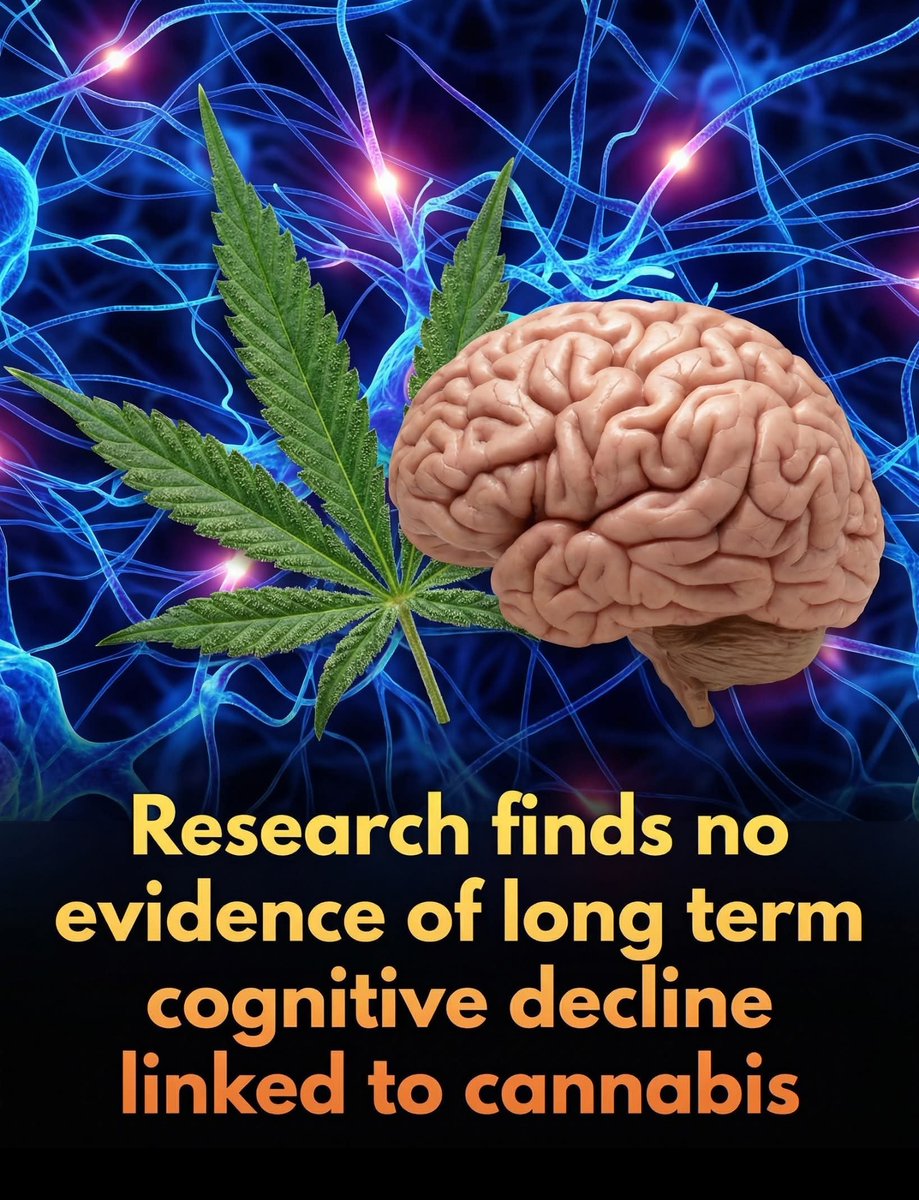
🚨 Massive 44-year study reveals that long-term cannabis use does not accelerate cognitive decline.
It debunks long-held myths about the drug’s impact on brain aging.
For decades, concerns over the long-term cognitive effects of cannabis have fueled public health warnings, yet a comprehensive 44-year study from Denmark is now challenging those assumptions. Researchers tracked more than 5,000 men from early adulthood into their mid-sixties, comparing intelligence scores recorded at age 20 to follow-up assessments at age 64. The results, published in the journal Brain and Behavior, found no evidence that cannabis use accelerates cognitive decline. In a surprising twist, those with a history of use actually showed a marginally smaller decrease in IQ points—approximately 1.3 points less—than their non-using counterparts, effectively questioning the notion that the drug inevitably impairs long-term mental acuity.
While the findings are striking, experts note that lifestyle factors and 'cognitive reserve' may play a significant role in these outcomes. The study revealed that cannabis users in this cohort often possessed higher baseline IQs and education levels, which are known to influence cognitive resilience. Crucially, the researchers discovered that neither the frequency of use nor the age at which an individual started using the substance significantly impacted their intelligence later in life. Although the study was limited to men and relied on self-reported data, it provides some of the most robust longitudinal evidence to date that past cannabis use does not inherently doom the aging brain to a faster decline.
Source: Christensen, T. W., Mortensen, E. L., & Osler, M.. Cannabis use and change in intelligence from age 20 to 64: A 44-year follow-up of 5,162 Danish men. Brain and Behavior.