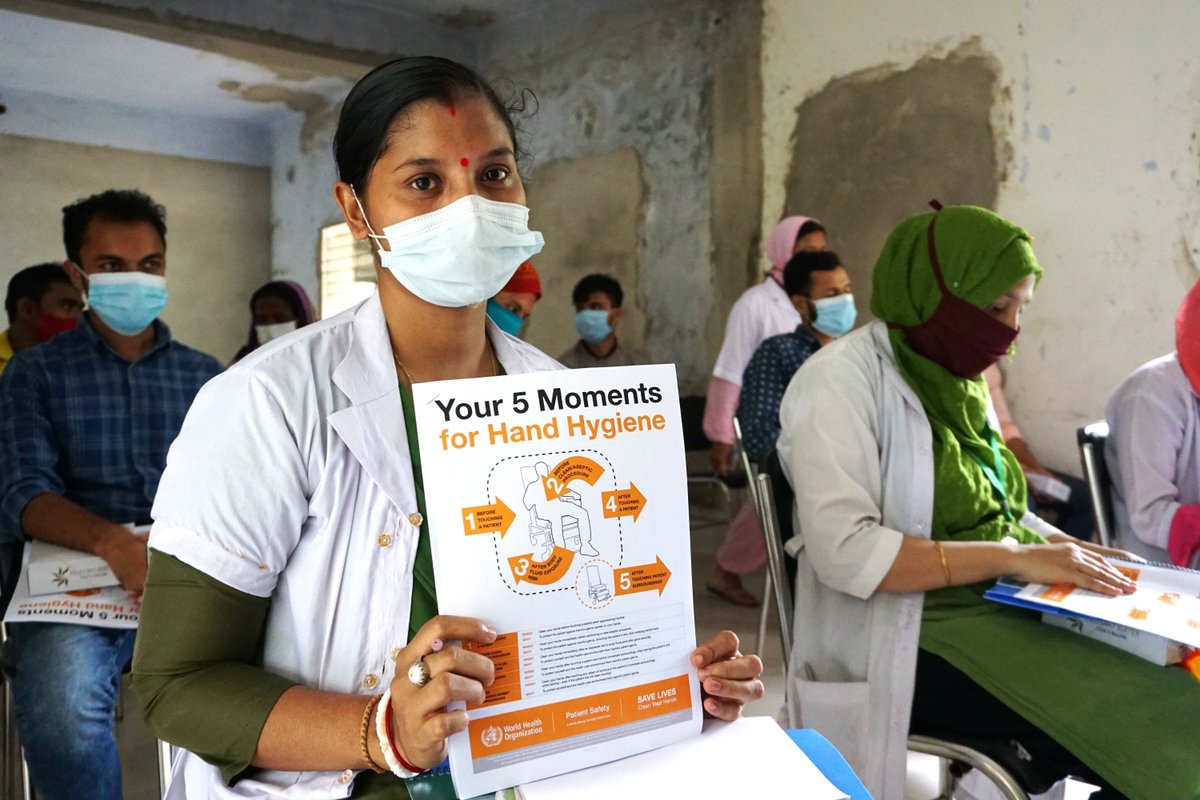
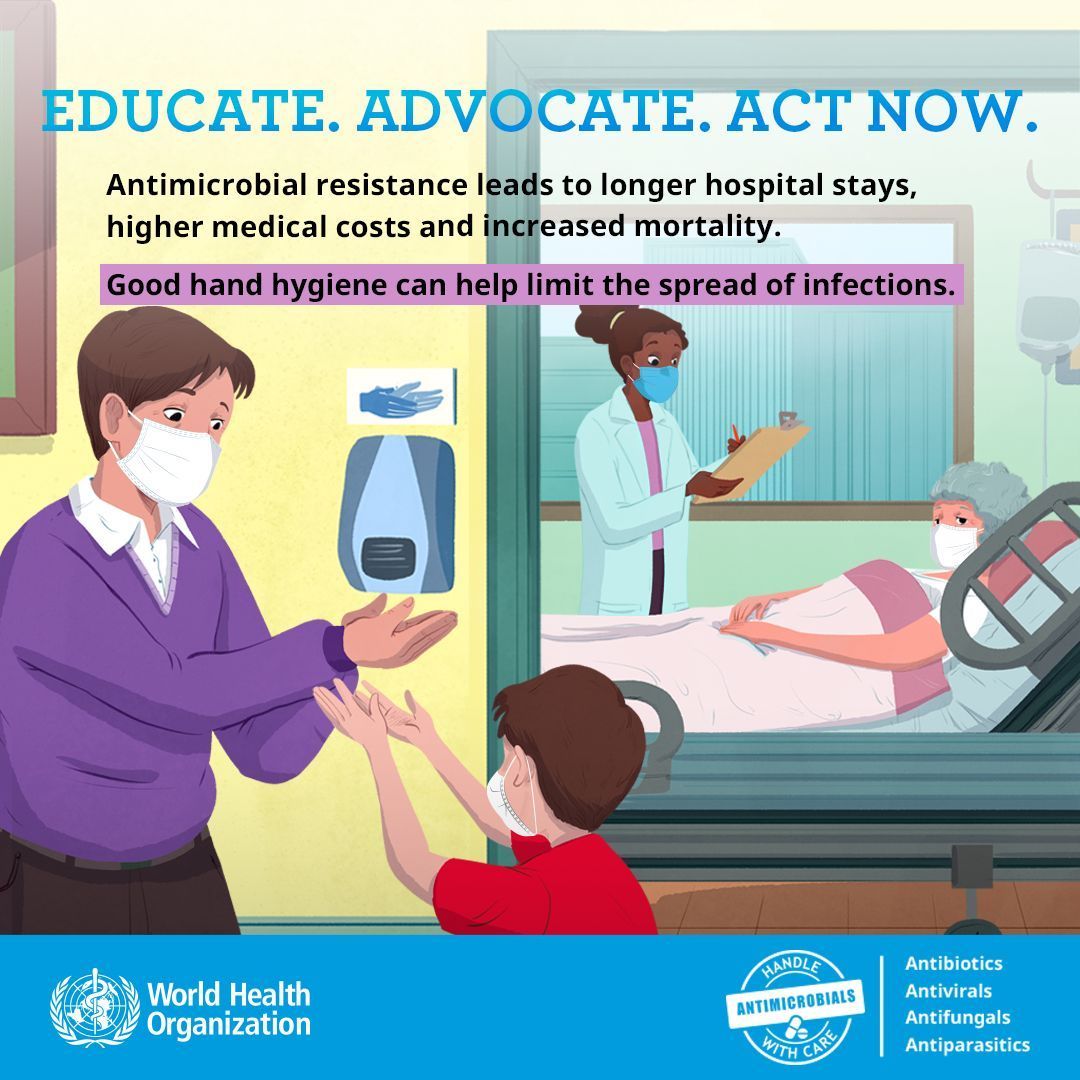
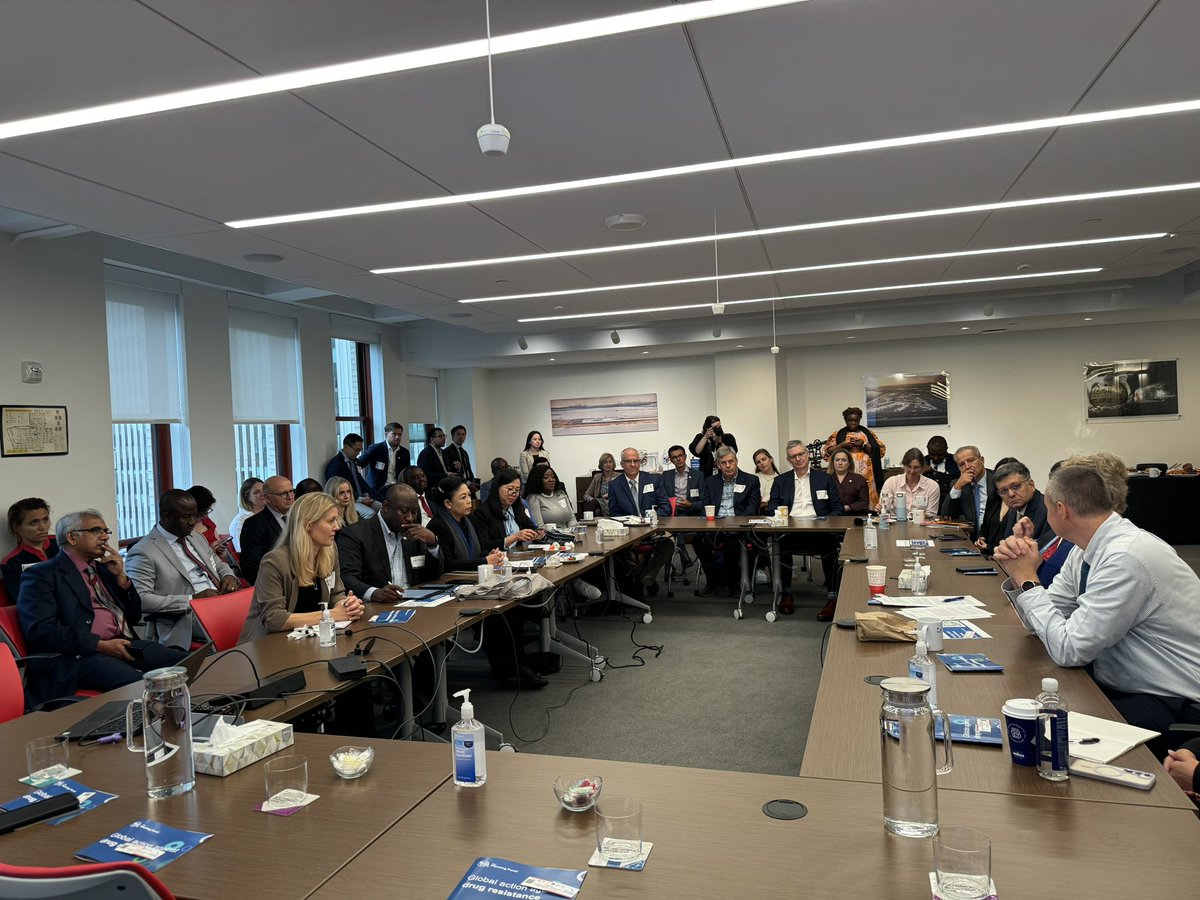
In Nepal this week 🇳🇵 supporting efforts to mainstream #AMR into primary health care—where it matters most. Encouraging progress & strong partnerships across all levels.
What actions are you taking to combat AMR on the frontlines?
#PrimaryHealthCare#GlobalHealth#AMRAwareness
I was privileged to visit #TimorLeste along with @SarahPaulin and Rishiraj Bhagawati. Progress is clear: strong national ownership, high engagement across sectors. The visit reinforced that progress on #AMR is fastest when is people-centered and embedded in health system.
#AMR interventions must be fully integrated into core health system functions, from service delivery and workforce development to lab services, supply chain, surveillance, and governance. Shifting from fragmented efforts to a coordinated, system-wide response is key.
📢 Call for Experts: SEAR TAG-AMR
The WHO South-East Asia Regional Office invites expressions of interest to join the South-East Asia Regional Technical Advisory Group on Antimicrobial Resistance (SEAR TAG-AMR).
We are seeking scientists, healthcare professionals and regulators with expertise in areas such as:
• AMR prevention (immunization, IPC, WASH, patient safety)
• Diagnostics and laboratory systems
• Treatment, antimicrobial use and stewardship
• AMR surveillance, epidemiology and burden
• Awareness, behavioural insights and education
• Policy, economics and regulation
• Pharmaceutical policy, pricing and procurement
• One Health approaches across sectors
• Digital health, data analytics and AI
• Implementation science and health systems strengthening
• Ethics, equity, human rights and gender
📅 Deadline: 30 April 2026
📩 To apply, please send to [email protected]
:
• Cover letter (motivation and suitability)
• Curriculum vitae (including nationality and affiliations)
• Completed Declaration of Interests form
Subject line: Expression of Interest for SEAR TAG-AMR
Contribute to shaping regional policies and strategies to address antimicrobial resistance.
#AMR #AntimicrobialResistance #OneHealth #PublicHealth #WHO
Antimicrobial resistance (#AMR) is no longer a silent pandemic. It is already reversing decades of progress in global health, particularly in Asia and the Pacific, home to over half of the world’s 🌏 population.
The crisis is accelerating: 1⃣ in 6⃣ laboratory-confirmed bacterial infections worldwide is now resistant to treatment, with resistance rising each year.
This op-ed in The Lancet Regional Health – Southeast Asia highlights why stronger regional collaboration and resilient health systems are essential to address AMR and protect progress toward universal health coverage.
Read this piece ✍🏼 by Dr Catharina Boehme, Officer-in-Charge, WHO South-East Asia Region, and Dr Saia Ma’u Piukala, Regional Director, WHO Western Pacific Region.
🔗: https://t.co/vcSAWQTXr9
#StopAMR #OneHealth #HealthForAll
WHO statement on autism-related issues
The World Health Organization (WHO) emphasizes that there is currently no conclusive scientific evidence confirming a possible link between autism and use of acetaminophen (also known as paracetamol) during pregnancy.
Globally, nearly 62 million people (1 in 127) have autism spectrum disorder, a diverse group of conditions related to development of the brain. Although awareness and diagnosis have improved in recent years, the exact causes of #autism have not been established, and it is understood there are multiple factors that can be involved.
Extensive research has been undertaken over the past decade, including large-scale studies, looking into links between acetaminophen use during pregnancy and autism. At this time, no consistent association has been established.
WHO recommends that all women continue to follow advice of their doctors or health workers, who can help assess individual circumstances and recommend necessary medicines.
Any medicine should be used with caution during pregnancy, especially in the first three months, and in line with advice from health professionals.
Also, a robust, extensive evidence base exists showing childhood vaccines do not cause autism. Large, high-quality studies from many countries have all reached the same conclusion. Original studies suggesting a link were flawed and have been discredited.
Since 1999, independent experts advising WHO have repeatedly confirmed that vaccines - including those with thiomersal or aluminum - do not cause autism or other developmental disorders.
Childhood vaccine schedules are developed through a careful, extensive and evidence-based process involving global experts and country input.
The childhood immunization schedule, carefully guided by WHO, has been adopted by all countries, and has saved at least 154 million lives over the past 50 years. The schedule remains essential for the health and wellbeing of every child and every community. These schedules have continually evolved with science and now safeguard children, adolescents and adults against 30 infectious diseases.
Every vaccine recommendation by the Strategic Advisory Group of Experts on Immunization (SAGE), an independent advisory group to WHO, is grounded in rigorous review of evidence and carefully designed to offer the best protection against serious diseases and to be delivered when most needed.
When immunization schedules are delayed or disrupted, or altered without evidence review, there is a sharp increase in the risk of infection not only for the child, but also for the wider community.
Infants too young to be vaccinated and people with weakened immune systems or underlying health conditions are at greatest risk.
Autism and neurodevelopmental disorders are among priority mental health and neurological conditions being discussed at the 4th UN High-Level Meeting on NCDs and mental health this Thursday, 25 September.
As a global community, we need to do more to understand the causes of autism and how best to care for and support the needs of autistic people and their families.
WHO is committed to advancing this goal working together with partners including autistic-led organizations and other organizations representing persons with lived experience.
WHO also stands with people who are living with autism and their families, a dignified community entitled to evidence-based considerations free of stigma.
Full statement: https://t.co/xxGS3NWoaI
WHO GLASS report on 2022 antibiotic use revealing overuse accelerating #antimicrobialresistance (#AMR). 1/3 countries meet UN target of using 70% Access antibiotics. WHO calls for improved surveillance, responsible prescribing, and better access to essential antibiotics.👇
Amid #WAAW2024 week, it’s been great hosting #AMR Surv, Prev and Contrl (SPC) Director, Yvan Hutin. Excellent brainstorming to align 3 #WHO levels to support countries better. Thanks Yvan for the valuable time with us.
Highlight from the United Nations HLM on #AMR - The “One health anthem” from the absolutely brilliant @lifelinemusical - the story of Fleming, penicillin and present day drug resistant infections - thanks to @UKAMREnvoy @BSACandJAC
Antibiotics and other antimicrobials are life-savers! ⚠️ We are losing these life-savers by misusing and overusing them. We all need to ACT NOW to arrest and reverse antimicrobial resistance. Let these life-savers continue to save lives.
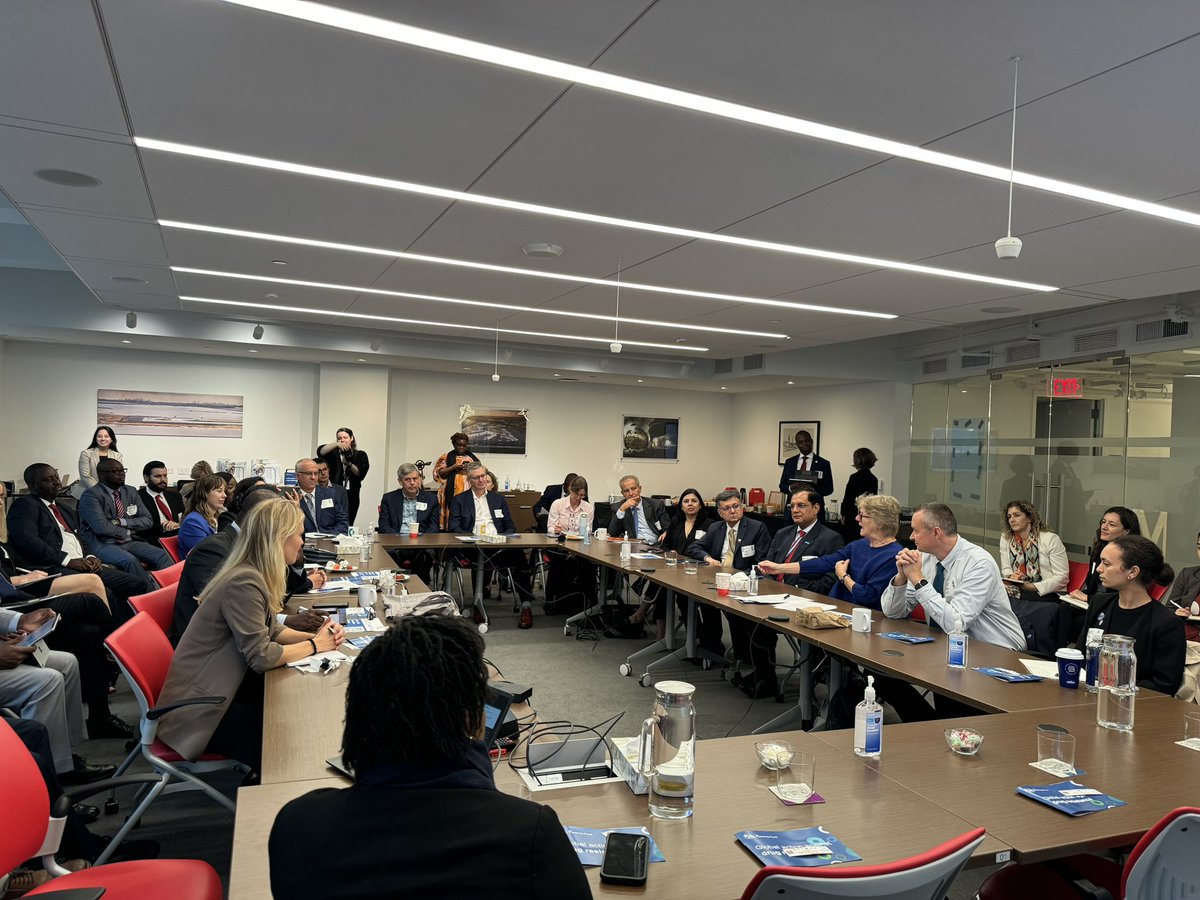
Great side event today with representatives from governments of 20 countries, 15 agencies/donors/collaborators, 2 academic and WHO collborating centers, and 6 civil society/NGOs.
Full-house registration for the side event hosted by Barbados, Nepal, Paraguay, Thailand & Timor-Leste. Organized by @WHOSEARO@pahowho, @unfoundation & @wellcometrust. Follow the event live on 25 September 2024, 1:15 - 2:30 pm New York time: https://t.co/vCPFtX5RiR
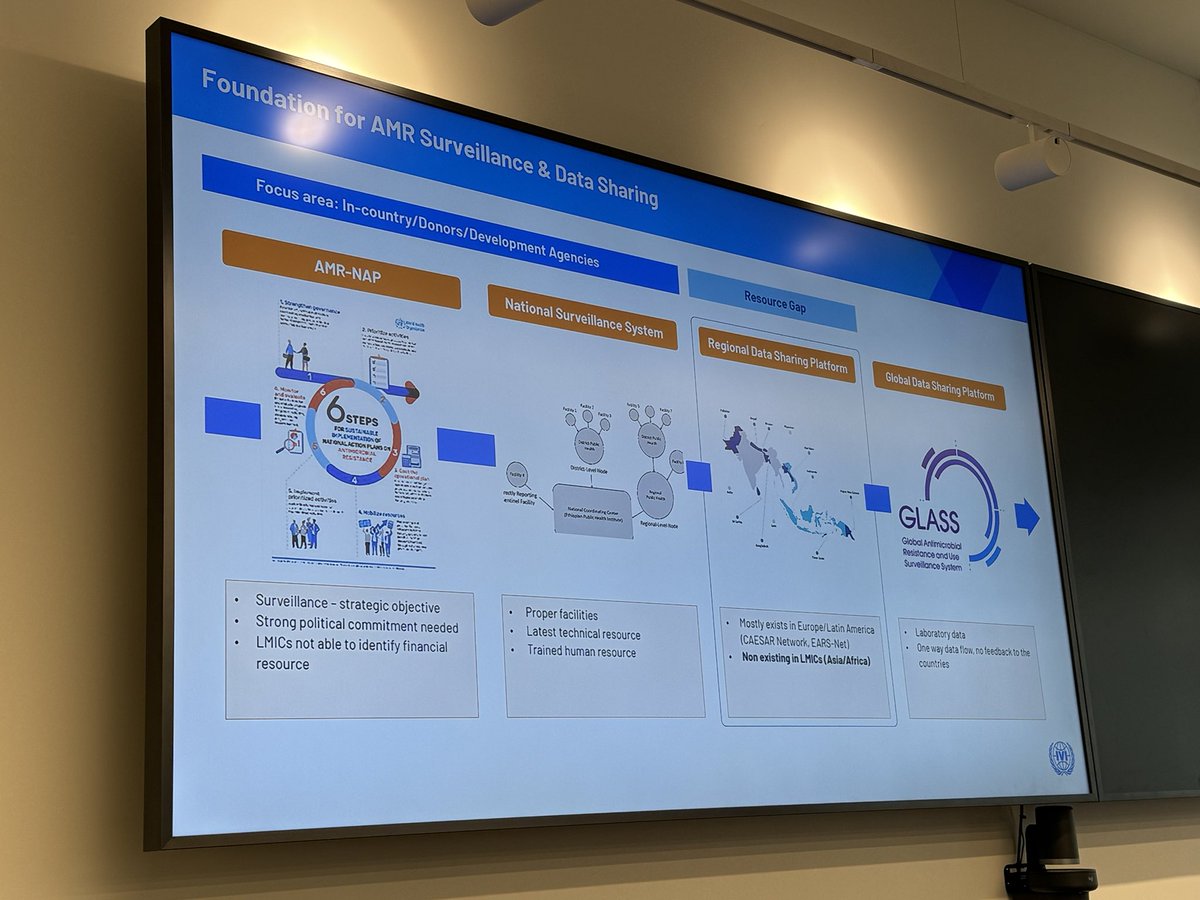
Today, I was privileged to be among the panel members of the “Building AMR surveillance systems” meeting organized by @FlemingFund & @MottMacDonald. I emphasized lab capacity, data management and surveillance sites as the core AMR surveillance components.