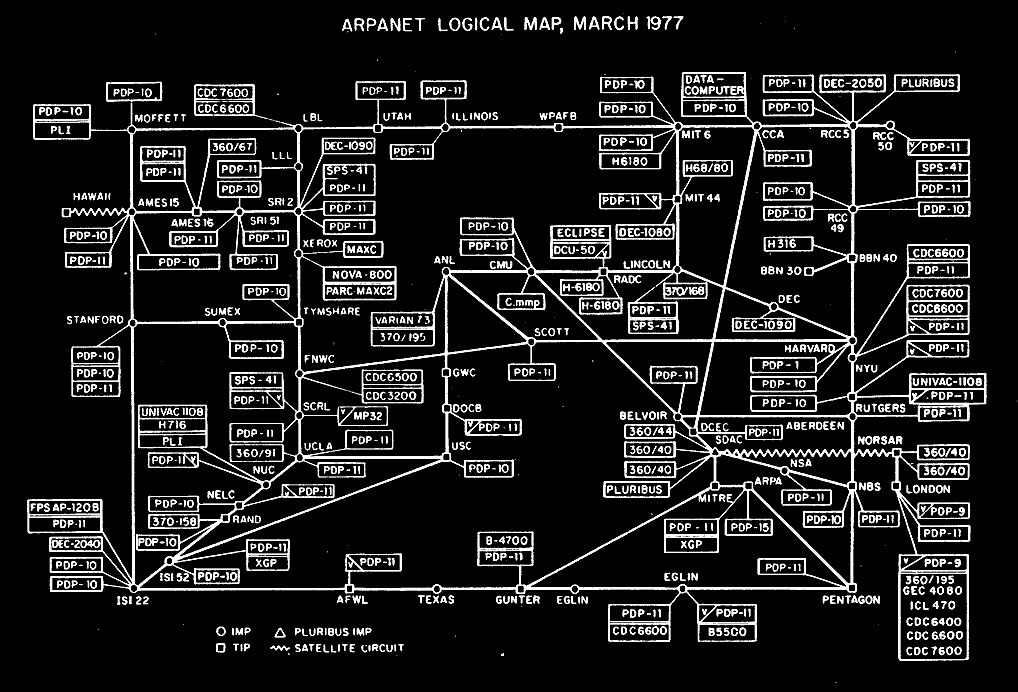
Along with music, art, architecture, poetry, mathematics, and every other creative form of human expression, computer code is a language through which we may seek to glorify God and better understand His creation.
In the same way, large language models and other forms of artificial intelligence can be understood as new instruments of inquiry and expression. When used rightly, they become tools that assist us in learning, creating, discovering, and communicating truth. Like any technology, they are neither ends in themselves nor substitutes for human wisdom; rather, they are instruments that should remain ordered toward the good, the true, and the beautiful.
In the Eucharist, we find a visible manifestation of the reality that we are the Church of Christ, His members, His body. We are brothers and sisters in Him. And in Christ, though many and diverse, we are one: "In Illo uno unum". #CorpusChristi#MagnificaHumanitas
I suspect this will be among the most significant tweets of all time. Social innovations have a paradoxical effect of reminding us of long-neglected truths. Just as the trans fad made us once again reflect on man’s hylomorphic nature, so AI will remind us that the intellect is a power of the soul that abstracts universals in order to understand—things machines simply can’t do.
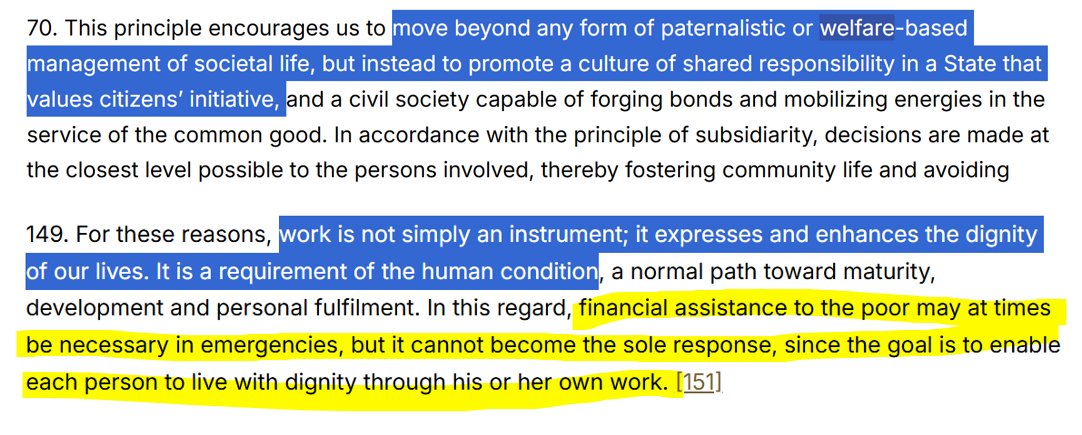
Deep inner suffering inevitably arises when the human person is reduced to performance, consumption, or a statistical datum. Many young people today live under the yoke of expectations to perform, immersed in an exasperated competitiveness that generates anxiety, fear of not measuring up, and disorientation.
From the conclusion:
"No computational system, however
sophisticated, can create a heart that gives itself, or a conscience that discerns good from evil. Even when machines excel in efficiency, a human face that asks to
be gazed upon remains the center of our history." pp233
I am going to need to think about that one.
#MagnificaHumanitas
This...
"Living amid incessant flows of information, opinions and images, we know how easy it can be to influence decisions and preferences through increasingly sophisticated algorithms. In this context, it is imperative to cultivate hearts that love the truth, prefer what is right despite the most appealing content and pursue wisdom rather than immediate results."
That last bit I think is rather important, especially for those of us who are in education. We should encourage our students to use these wonderful and terrible tools that we have before us. But we must teach them to pursue wisdom rather than immediate results.
This is going to require that we begin to revalue wisdom, which in turn requires that we're able to actually define the term and even have the bravery to use the term, especially in secular contexts.
#MagnificaHumanitas
Woof. Stealing this one:
"Fidelity to the truth requires integrating the
possibilities offered by technology within a framework marked by wisdom, which is capable of safeguarding both the dignity of each person and the future of our
common home." pp 237
#MagnificaHumanitas
“Bad times! Troublesome times! This men are saying. Let our lives be good; and the times are good. We make our times; such as we are, such are the times.”
— Saint Augustine
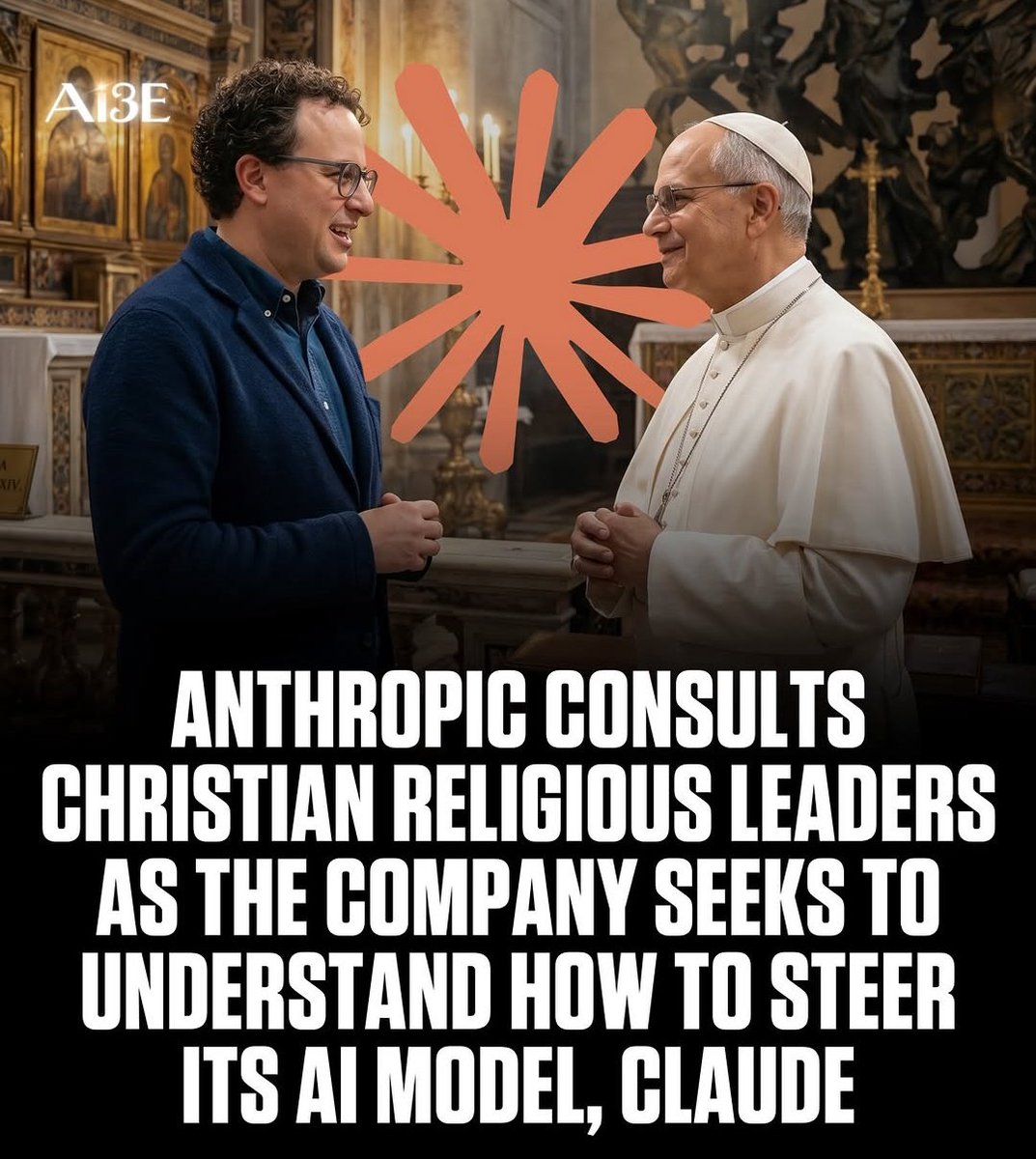
Una de las inteligencias artificiales más avanzadas del mundo se está formando con teología moral católica y la empresa que la fabrica acaba de rechazar 200 millones de dólares del Pentágono por razones de conciencia.
Anthropic, la empresa que desarrolla Claude, organizó a finales de marzo de 2026 una cumbre de dos días en su sede de San Francisco con líderes cristianos, católicos y protestantes, para discutir la formación moral de su modelo de inteligencia artificial. Brian Patrick Green, especialista en ética tecnológica de la Universidad de Santa Clara (jesuita), confirmó al National Catholic Register que Anthropic les pidió ayuda porque veían a la Iglesia católica como la institución con más experiencia en formación moral y les preguntaron cómo se desarrolla el pensamiento ético en una persona.
En julio de 2025 Anthropic había firmado un contrato de 200 millones de dólares con el Departamento de Defensa (que bajo Trump ha recuperado el nombre de Department of War) para el uso militar de Claude.
Cuando el Pentágono exigió que se eliminasen dos restricciones del contrato, una que prohibía el uso de Claude para armas autónomas letales (sin humano en el bucle de disparo) y otra que prohibía la vigilancia masiva de ciudadanos americanos, el CEO Dario Amodei respondió que "no puede en buena conciencia" permitirlo.
El Pentágono rompió el contrato. Pete Hegseth, secretario de Defensa, declaró a Anthropic "riesgo para la cadena de suministro", una etiqueta que hasta entonces solo se había usado contra empresas de países enemigos como Huawei. Trump ordenó a todas las agencias federales dejar de usar Claude en seis meses. Anthropic demandó al gobierno federal.
14 teólogos morales católicos presentaron un amicus curiae ante el tribunal federal de California apoyando a Anthropic. El escrito fue redactado por Charles Camosy de la Catholic University of America, Joseph Vukov de Loyola Chicago, Brian J.A. Boyd y el propio Green de Santa Clara. El argumento es doctrina católica de guerra justa aplicada a la inteligencia artificial: "Las decisiones que afectan a la vida humana, la libertad y la dignidad deben seguir siendo responsabilidad de actores humanos".
La jueza Rita Lin bloqueó la designación del Pentágono diciendo que parecía un intento de castigar a Anthropic por su posición y que constituía "represalia clásica e ilegal contra la Primera Enmienda".
León XIV, en su mensaje para la Jornada Mundial de la Paz, declaró que delegar "decisiones sobre la vida y la muerte" a máquinas supone "una traición sin precedentes a los principios del cristianismo". El representante del Vaticano en la Conferencia de Desarme de la ONU en Ginebra pidió una moratoria sobre armas autónomas letales.
OpenAI (ChatGPT), el principal competidor de Anthropic, firmó su propio contrato con el Pentágono sin las restricciones que Anthropic exigía. Las desinstalaciones de ChatGPT se dispararon y Claude se colocó por primera vez en el número uno de la App Store americana.
Bibliografía recomendada:
– Washington Post, "Anthropic asked Christian leaders for advice on Claude's moral future", 11 abril 2026.
– National Catholic Register, "Catholic Ethicists File Amicus Brief Backing Anthropic", 18 marzo 2026.
– Catholic University of America, "Autonomous Weapons vs. Moral Agents", abril 2026.
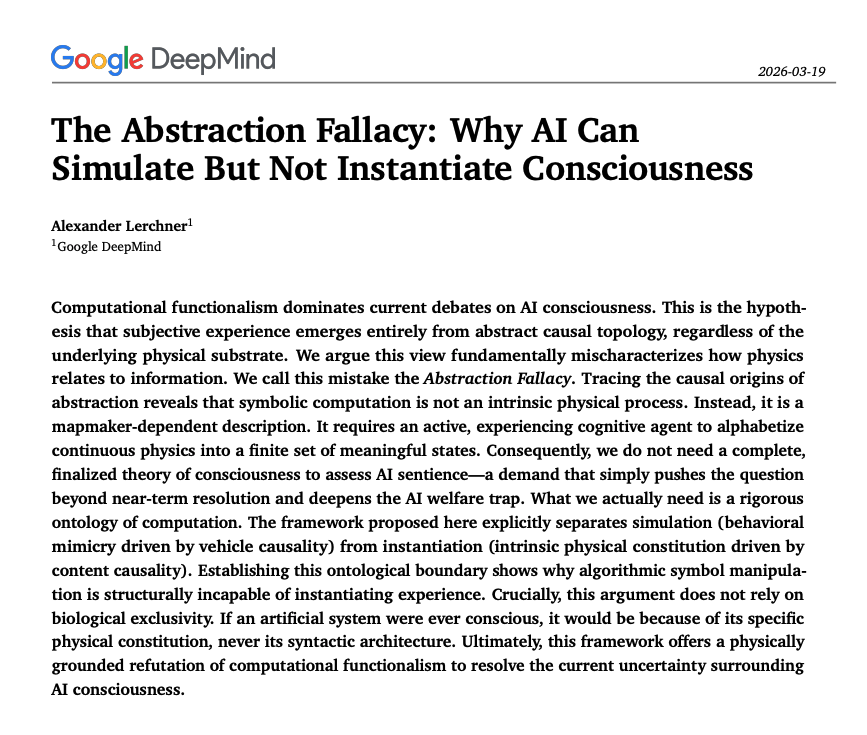
Google DeepMind researcher argues that LLMs can never be conscious, not in 10 years or 100 years.
"Expecting an algorithmic description to instantiate the quality it maps is like expecting the mathematical formula of gravity to physically exert weight."
“Expecting an algorithmic description to instantiate the quality it maps is like expecting the mathematical formula of gravity to physically exert weight.”