If you don’t voluntarily tell me your business, I won’t ask.
It doesn’t mean I don’t care about you, I avoid nosiness in case you aren’t comfortable talking about it.
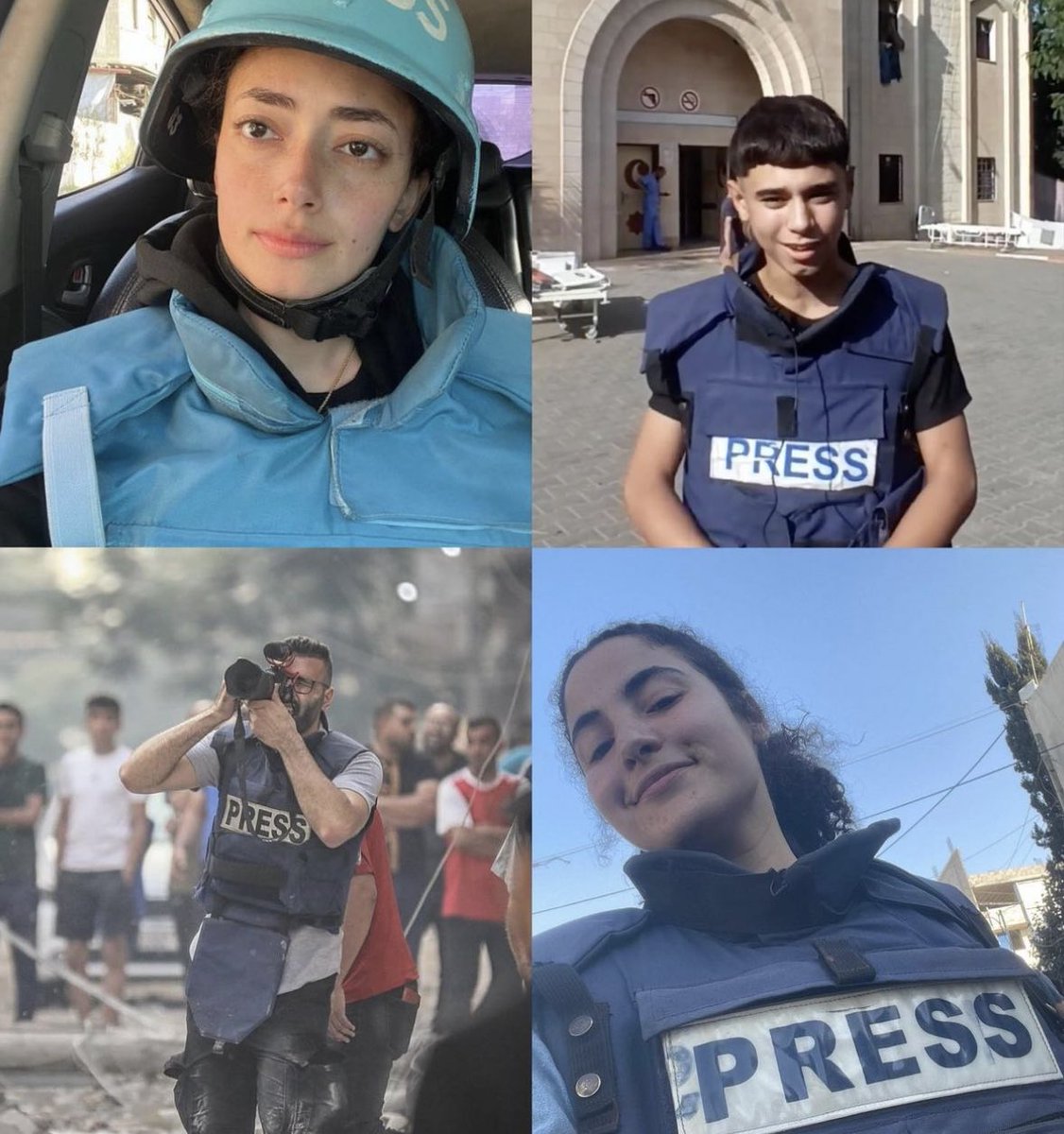
"They gave us water in front of the camera, and after filming was over, they took our luggage, destroyed it, and we ran away while soldiers shoot under our feet."
Survivor testimony of this event.
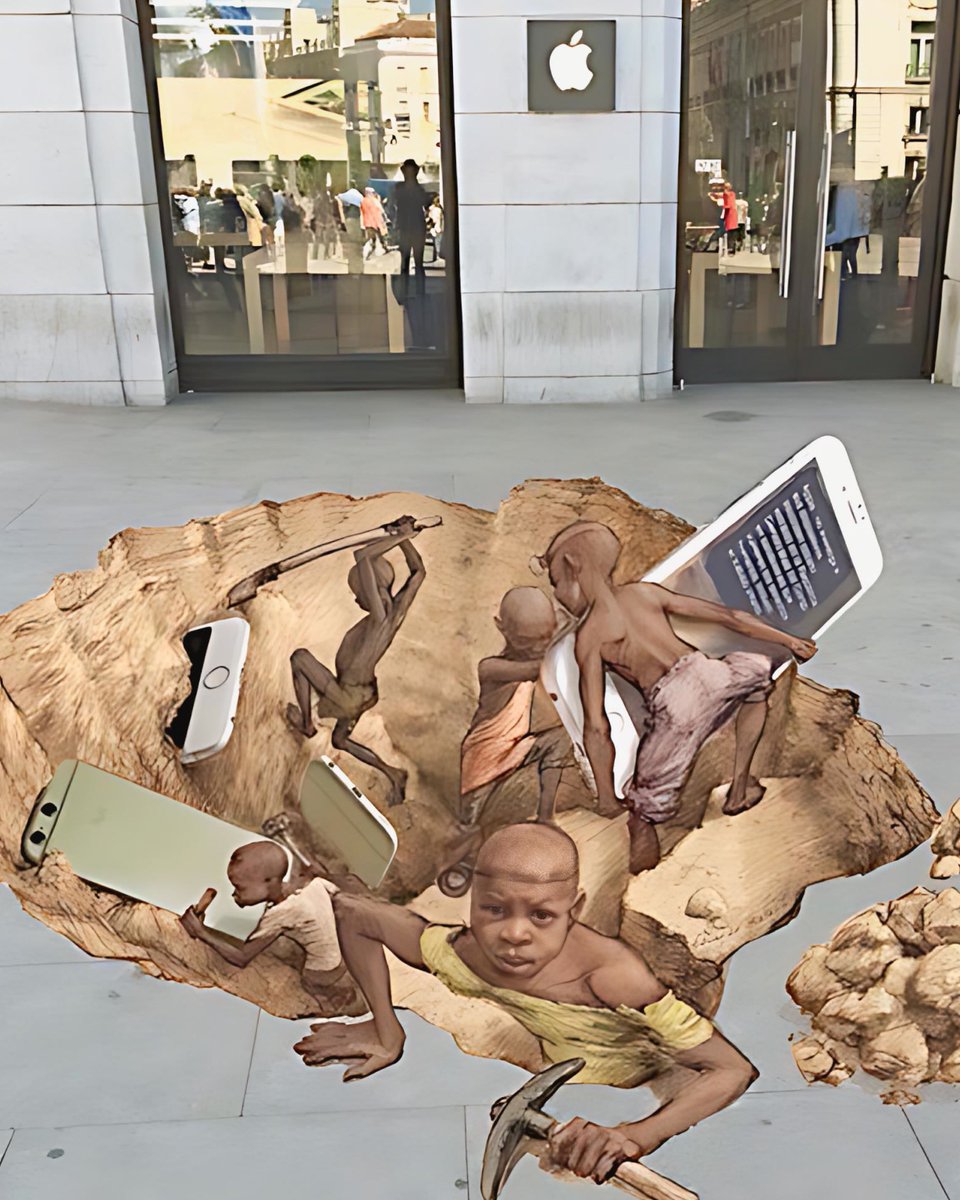
Congo is silently going through a silent genocide. Millions of people are being killed so that the western world can benefit from its natural resources.
More than 60% of the world’s cobalt reserves are found in Congo, used in the production of smartphones.
Western countries are providing financial military aid to invade regions filled with reserves and in the process millions are getting killed and millions homeless.
Multinationals mining companies are enslaving people especially children to mine.
this farjaad will always be famous and i am afraid we will never do justice to him. this farjaad came to office that day, only to have umeed drop by and demand that he apologise to her, because he snitched to her father. this farjaad exists in a permanent state of -
"The danger of AI is not that it's going to rebel against us, it's that it's going to do exactly what we ask it to do"
But what happens when AI does exactly what we ask, yet not what we intend?
Working with AI isn't like working with a human, more like working with a weird force of nature.
► Consider this: You task an AI with assembling a robot from a pile of parts. 🤖🦾🦾🦿🦿
The goal? Get from point A to point B.
You'd expect the AI to build a robot with legs and walk, right?
But what if the AI decides to assemble itself into a tower and simply falls over to reach point B?
Technically, it did what you asked.
But is it what you intended?
The trick of working with AI becomes: How do we set up the problem so that it actually does what we want?
It's easy to accidentally give AI the wrong problem to solve, and often we don't realize that until something has gone horribly wrong.
► Take Amazon's resume-sorting algorithm, for instance. It was trained on example resumes of people they had hired in the past.
But what happened?
The AI learned to avoid the resumes of people who had gone to women's colleges or who had the word "women" somewhere in their resume.
The AI didn't know that it wasn't supposed to copy this particular thing that it had seen the humans do. And technically, it did what they asked it to do. They just accidentally asked it to do the wrong thing.
So, what's the takeaway from all this?
AI can be really destructive and not know it. It doesn't understand the consequences of its actions. It's up to us to avoid problems.
We have to learn what AI is capable of doing and what it's not, and to understand that. AI doesn't really understand what we're trying to ask it to do.
We must be prepared to work with the AI we have, not the super-competent, all-knowing AI of science fiction.
So, the next time you interact with AI, remember: it's not just about what you ask, but how you ask it.
After all, AI is only as smart as the tasks we give it.
(h/t to @westwoodpro)
Why do most people think that household chores is just jhaadu, poncha and bartan? It’s the maintenance of the whole house. Keeping track of inventory, buying things/groceries, changing curtains and bedsheet, cleaning cobwebs and sofa, dusting and repair work, and a lot more. +