With the grace of Allah, my research on Emotional Intelligence has been published in the HEC and Internationally recognized SMIU Journal of Business Administration and Management Sciences! I'm grateful for the opportunity to share my work with the world. https://t.co/i5BneKHZTr…
"The heart of the young is like empty land: whatever is sown in it, it accepts. So I hastened to teach you good manners before your heart hardened and your mind became occupied."
- Imam Ali [A.S]
"Whoever has certainty that [God] will replace what he gives becomes generous in giving."
مَنْ أَيْقَنَ بِالْخَلَفِ جَادَ بِالْعَطِيَّةِ
- Imam Ali [A.S]
"Özgür olmak için çalışacağım. Seçme, değişme, farklı olma, kısacası kendim olma hakkını koruma özgürlüğüne sahip olmak için. Hayatta güzel olan şey, her şeyin değişmesi ve bize değişme şansının verilmiş olmasıdır.”
L'amour a la Mer (Guy Gilles, 1964)
“Do it or don't do it, you will regret both”
- Søren Kierkegaard
Søren Kierkegaard’s famous paradox explores the anxiety that accompanies human freedom and the burden of making choices. In his 1843 philosophical work Either/Or, the Danish thinker illustrates how life’s most significant decisions can lead to regret, regardless of which path we choose. Every decision involves a sacrifice, and even refusing to decide carries consequences.
Marriage, for example, may leave someone longing for the independence they surrendered, while remaining unmarried might bring regret over the companionship they never experienced. Kierkegaard’s message is not necessarily an invitation to hopelessness but a reflection on the unavoidable uncertainty of human existence. His paradox reminds us that wondering what might have been is part of life. Rather than allowing the fear of regret to paralyze us, we can recognize that no path is free from sacrifice and still choose to live with purpose and conviction.
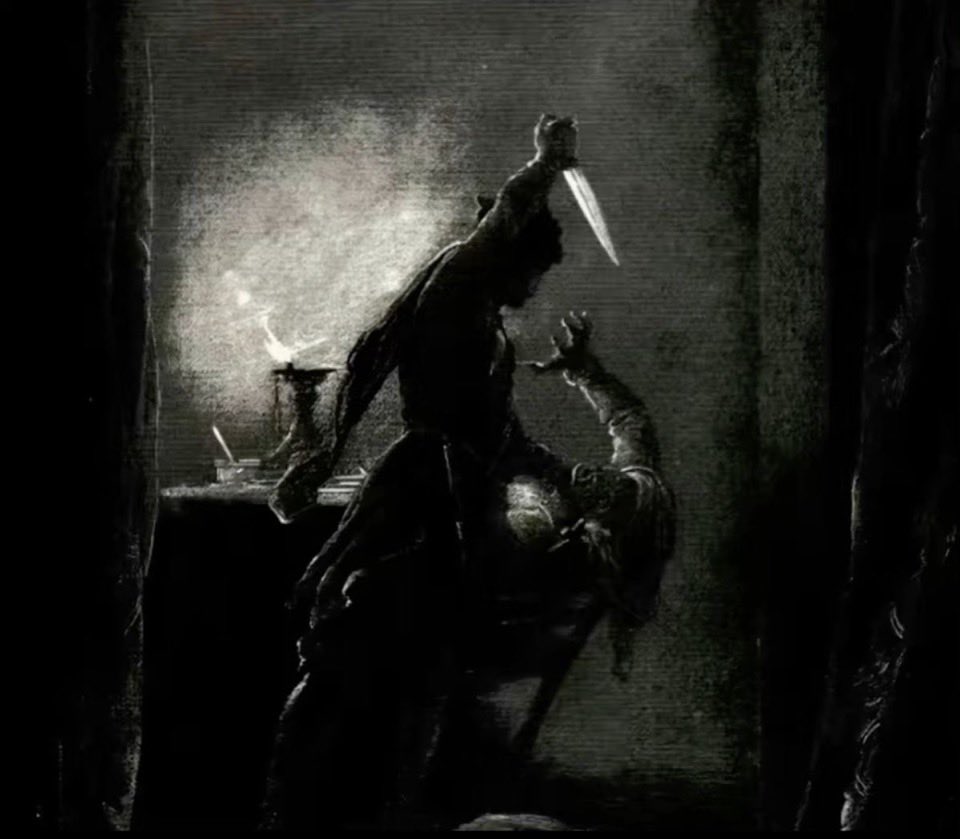
“Never interrupt your enemy while he is making a mistake”
— Napoleon Bonaparte
Napoleon didn't just win battles. He broke the minds of the guys fighting him. The reason he still matters today isn't just the tactics. It’s because he understood human impatience better than pretty much anyone in history.
Here’s what actually happened.
Before the Battle of Austerlitz in 1805, his top generals were practically begging him to attack. The opposing army was shifting troops around, totally exposing themselves. But Napoleon told them to hold off. He basically said they needed to wait twenty minutes because the enemy was making a “false movement.”
Let the other guy defeat himself.
If someone is messing up, don't jump in to fix it. Don't start an argument. Just step back. Let the momentum of their own terrible choices carry them right off the cliff.
You see this constantly now.
In business, salary negotiations, or just messy personal drama. Your ego screams at you to jump in. You want to correct them. Point out their flaw. Win the argument right this second.
But that’s a trap. When you interrupt someone making a mistake, you actually wake them up. You unite them against you. You give them a common enemy instead of just letting them drown in their own confusion.
A lot of people read this quote and assume it means you just sit back and passively watch. That’s a lazy way to look at it.
You aren't doing nothing. You're doing the hardest thing in the world. You're maintaining perfect positioning while exercising absolute restraint. Most people can't handle that. They panic. They think silence means they're losing control. But silence is a weapon if you know how to use it.
Next time someone is digging a hole for themselves—whether it's in an argument, a contract, or a negotiation—just bite your tongue. Let them finish the sentence. Let them make the bad move. See what happens when they finally run out of rope.
The smartest move is usually the one you refuse to make.
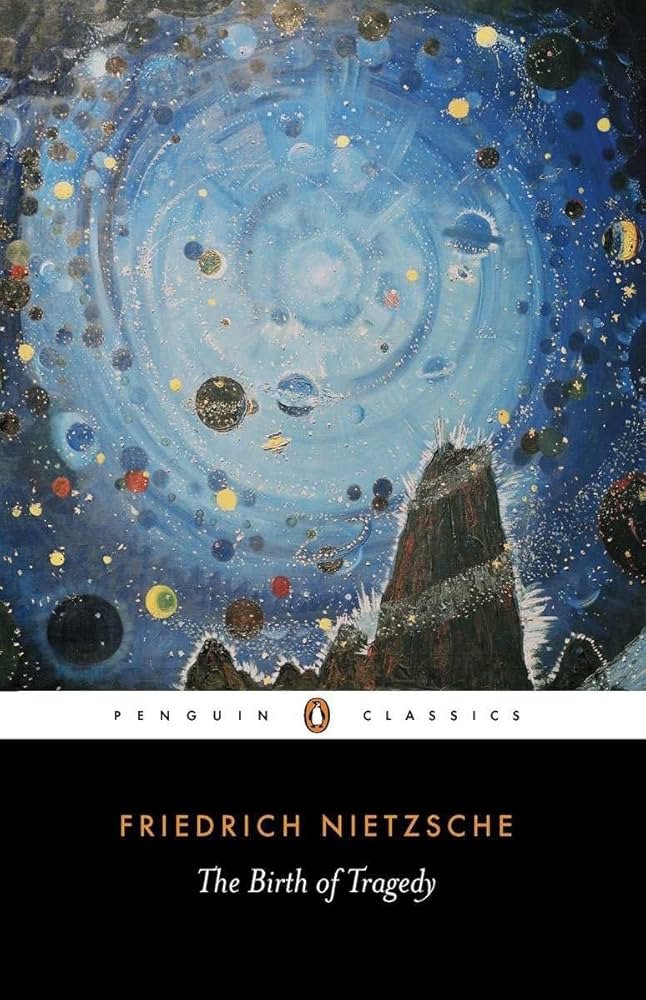
Become who you are. Do not remain what others have made of you. The task of life is not to discover yourself but to create yourself.
- Friedrich Nietzsche (1882)
Bravery isn't letting poor & young kids die for your arrogance
A sustained cycle of loss of lives is a policy failure not resilience, bravery, or patriotism.
Quotations look better at a training academy’s walls but those can't be responses to questions demanding accountability.
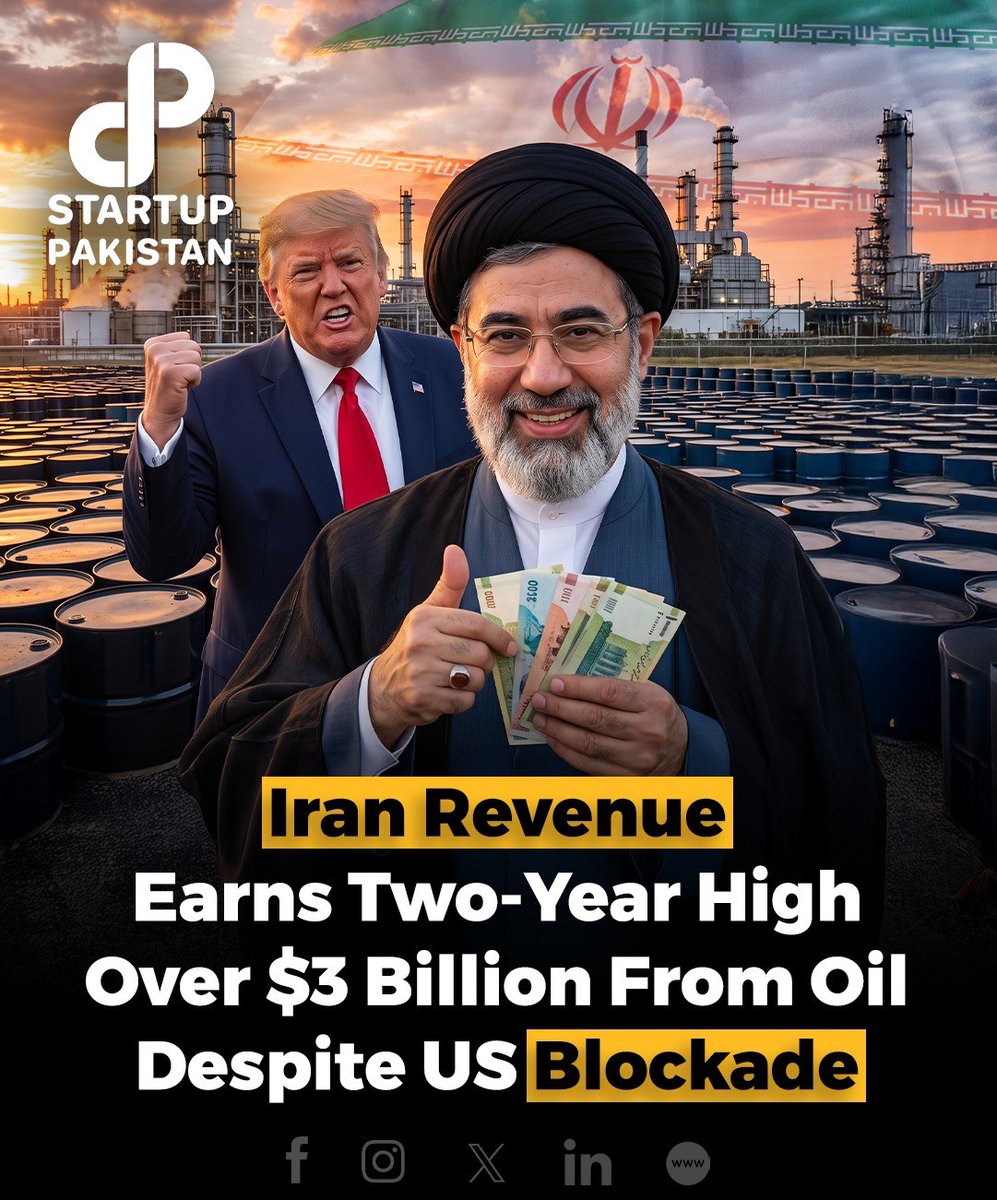
Iran’s oil revenue has surged to a two-year high despite the US naval blockade, according to Iran’s Plan and Budget Organisation.
Citing Iran’s semi-official Mehr news agency, reports said the country’s oil earnings exceeded $3 billion in September, marking its strongest monthly revenue from oil sales in two years. The figures come amid continued restrictions and pressure on Iran’s oil exports.
However, the report did not explain how Iran managed to continue exporting crude and generate such significant revenues despite the US blockade. The development highlights Iran’s ability to maintain oil revenues despite intensified economic and maritime pressure.
Disclaimer: This post is for informational purposes only and is based on publicly available reports. The image is AI generated and is just for reference.
#Iran #IranOil #OilRevenue #USBlockade #MiddleEast #GlobalOil #CrudeOil #Energy #Geopolitics





![hashedelesood's tweet photo. "The heart of the young is like empty land: whatever is sown in it, it accepts. So I hastened to teach you good manners before your heart hardened and your mind became occupied."
- Imam Ali [A.S] https://t.co/X8Mtp9rXvP](https://pbs.twimg.com/media/HS117TqWEAAPRzZ.jpg)

![hashedelesood's tweet photo. "Whoever has certainty that [God] will replace what he gives becomes generous in giving."
مَنْ أَيْقَنَ بِالْخَلَفِ جَادَ بِالْعَطِيَّةِ
- Imam Ali [A.S] https://t.co/Ro3JUHsJda](https://pbs.twimg.com/media/HS1xG7NaIAEUckR.jpg)