“The dethronement of the ruler of this world, and the glorious unfolding of Jesus’ kingship over the world, are what encompass and drive sacred history.” - Abraham Kuyper
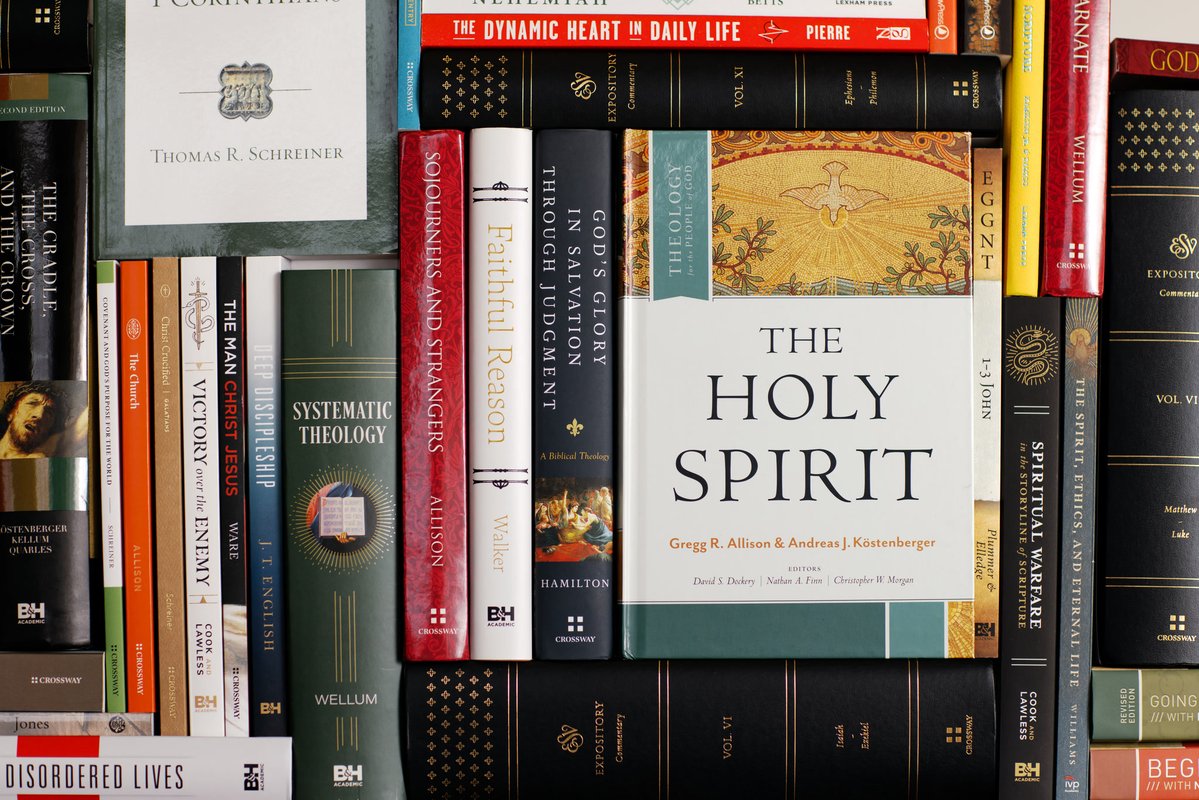
102 books. One winner. Over $2,000 worth of theology written by Southern Seminary faculty.
Commentaries. Theology. Biblical studies. Ministry. Church history. Counseling. Preaching. Ethics. Christian living.
This is the kind of library pastors spend years building. Now we’re giving it away to one person. Learn from the faculty shaping churches, classrooms, and pulpits around the world.
In partnership with @Logos , we’re giving away a theological library filled with trusted resources for ministry and Christian scholarship.
To enter:
• Mark sure you are following @SBTS
• Repost this post
• Fill out this form: https://t.co/9rNiNcv5eE
Open to U.S. residents only. Winner will be chosen and contacted Friday, June 5.
Watched the French-Stuckey debate. My main takeaway: The whole debate centered upon a truth-emotion continuum. I think Allie Beth came out ahead for one main reason that colors every issue debated: She indexes her understanding of emotion and empathy on a biblical axis, whereas French elevates emotion and empathy to a disproportionate degree. The consequence is to unmoor emotion from truth. There's simply a difference in rhetorical strategy: Stuckey focuses more on logos; French on pathos. Along those lines, another reason I think Allie Beth had the stronger hand is that she refuses to play the game of pitting love against truth (1 Cor. 13:6; Eph. 4:15). She's no less interested in kindness or empathy, but properly indexed by Scripture. French's focus on catering to emotional equilibrium (and thus hewing to progressive niceties) requires him to blur biblical categories.
Biblical ethics requires both logos and pathos, but our loves must be ordered and governed with a proper foundation. And notably, French's empathy tends in one direction, toward those to his left.
In short, Allie Beth focused on objectivity, reason, and right and wrong as the grounds of what constitutes love and kindness, whereas French's instinct is to defer to emotion and aesthetics.
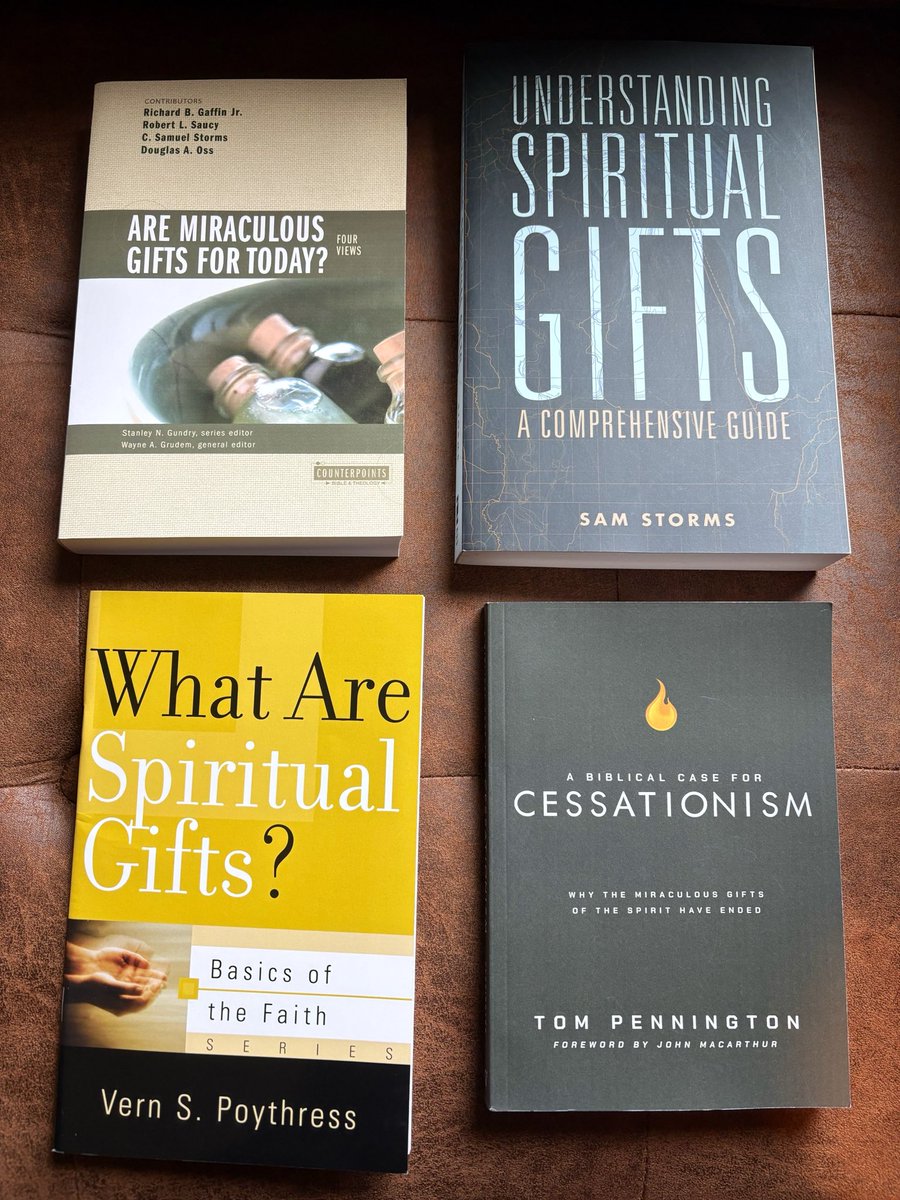
🎉GIVEAWAY🎉
On Monday we kickoff a 6-week series on spiritual gifts exploring continuationism & cessationism.
Like, repost, & follow for a chance to win the bundle👇🏽featuring titles from several of our guests.
*Winner will receive a DM by noon 4/6
@HwsEleutheroi Wow, I am glad you eventually made it safely into a spot. I’ll be at the event Thursday night, and I was concerned for your drive given how much ice there is currently. I’ll be praying it’s smooth sailing for you tomorrow!
If you’re Christian and your basic political advice to other Christians is “shhhhhh” then I suggest you take your own advice.
I prefer working hard to plot a path forward for thinking biblically and staying expressly Christian and seeking to have a big impact.
But it’s a strange phenomena that many are silent on almost all topics deemed political, or at least intentionally muffled (even when the Bible is very clear on the issue) until they hear another Christian taking a stand on one side or another. Then, they very vocally call for a collective shush.
I know it’s messy if we get involved but it’s a bigger mess if we don’t.
Let’s not wait and see if revival is here. Let’s bring it.
Revival in my own life. Repentance of sin, the life changing recognition of the glory of God, and life filled with the purpose of seeking first God’s kingdom and righteousness.
Revival in the world. Boldness and courage. Confidence that you can change the world. Refusal to give up. The gospel as your greatest message. Seeking the common good (love your neighbor), which also informs Christian political advocacy.
The gospel at the Charlie Kirk funeral was:
--Sung (beautiful worship music)
--Proclaimed (McCoy, Turek, others)
--Exemplified (through a bold and joyful God-centeredness)
--Fleshed out (by connecting Charlie's faith to his courageous actions)
--Applied (as Erika Kirk publicly forgave Charlie's killer)
WOW.