NEW—Modelling study estimates impact of #physical distancing measures on progression of #COVID19 epidemic in Wuhan, & suggests extending school & workplace closures in Wuhan until April, rather than March, to delay a 2nd wave of cases until later in year https://t.co/Jj5CoGx3TM
#EverydayHero Medical teams from all over the country who worked on the front line in Hubei province are returning home. They are welcomed with pride and saluted by their community. #coronavirus#Covid_19
Our Editor-in-Chief @richardhorton1 alongside public health academics calls on the UK Government to urgently share scientific evidence used to inform its #COVID19 plans in a letter in @thetimes#COVID19UK
"Sometimes it’s OK—even necessary—to find other, decidedly unscientific, ways to fill your cup."
A Ph.D. student writes in this #SciMagWorkingLife about how she learned that activities outside the lab are helpful for clearing her mind. https://t.co/VDGa2k5Rzf
“During my hours in the laboratory and on the road, I’ve realized that the training for a PhD and for a marathon are very similar,” writes Kathryn Wierenga. She explains the similarities. https://t.co/kRdJNvVzU3
A protein that helps remove damaged proteins from the cell must paradoxically make itself more prone to degradation and then avoid being destroyed https://t.co/cTFwXHu2JO
"My message to those I work with is that the stereotype of the overworked, stressed-out academic is unhealthy and outdated." A clinical psychologist argues that academics shouldn’t idolize a workaholic lifestyle in this week's #SciMagWorkingLife. https://t.co/ohdd0t94pm
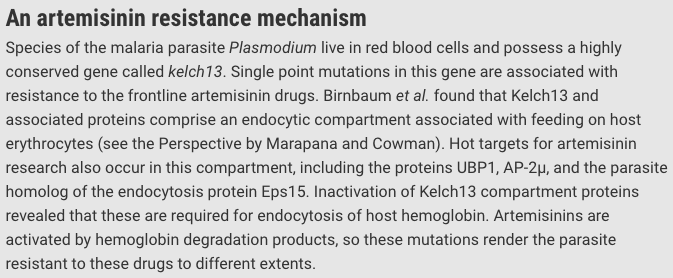
#Malaria parasite mutations that inhibit the endocytoic appetite for a host’s red blood cells may render them resistant to artemisinin, a widely used antimalarial drug, according to a new Science study. https://t.co/C35mOBo861 #Biology#Health
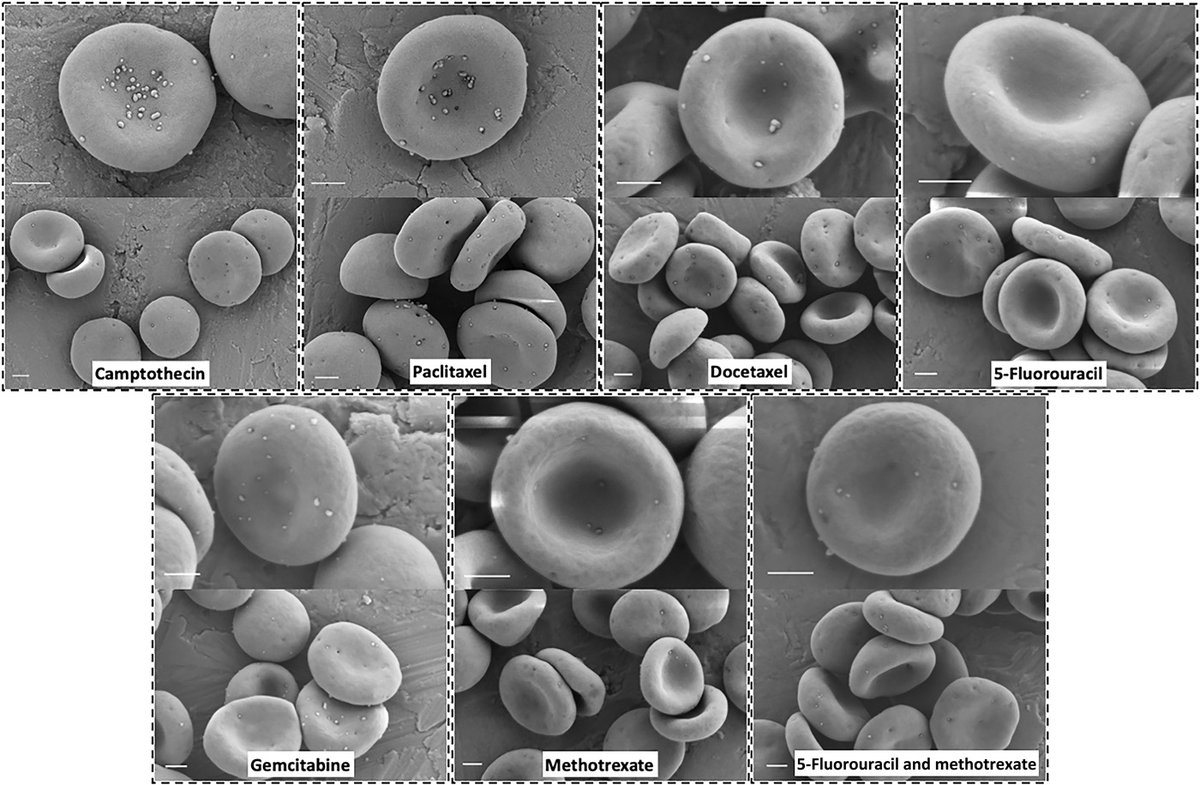
Nanoparticles containing chemotherapeutic drugs and “hitchhiking” on red blood cells treat cancerous lung tumors more successfully than nanoparticles delivered alone, a recent mouse study in @ScienceAdvances shows. https://t.co/T6AzDOIVD8
“Scientists have become so accustomed to celebrating only success that we’ve forgotten that most technological advances stem from failure,” writes @drdevangm. https://t.co/JKVIv5iMMj
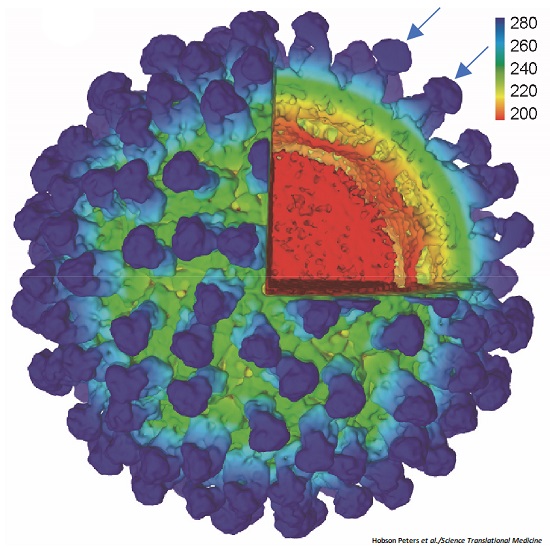
Researchers have discovered a new species of insect-specific virus, which served as a safe and flexible platform for developing vaccines and diagnostics for West Nile, Zika and related viruses. @ScienceTM#InfectiousDisease#GlobalHealth#flaviviruses https://t.co/IsRL8CuJfz
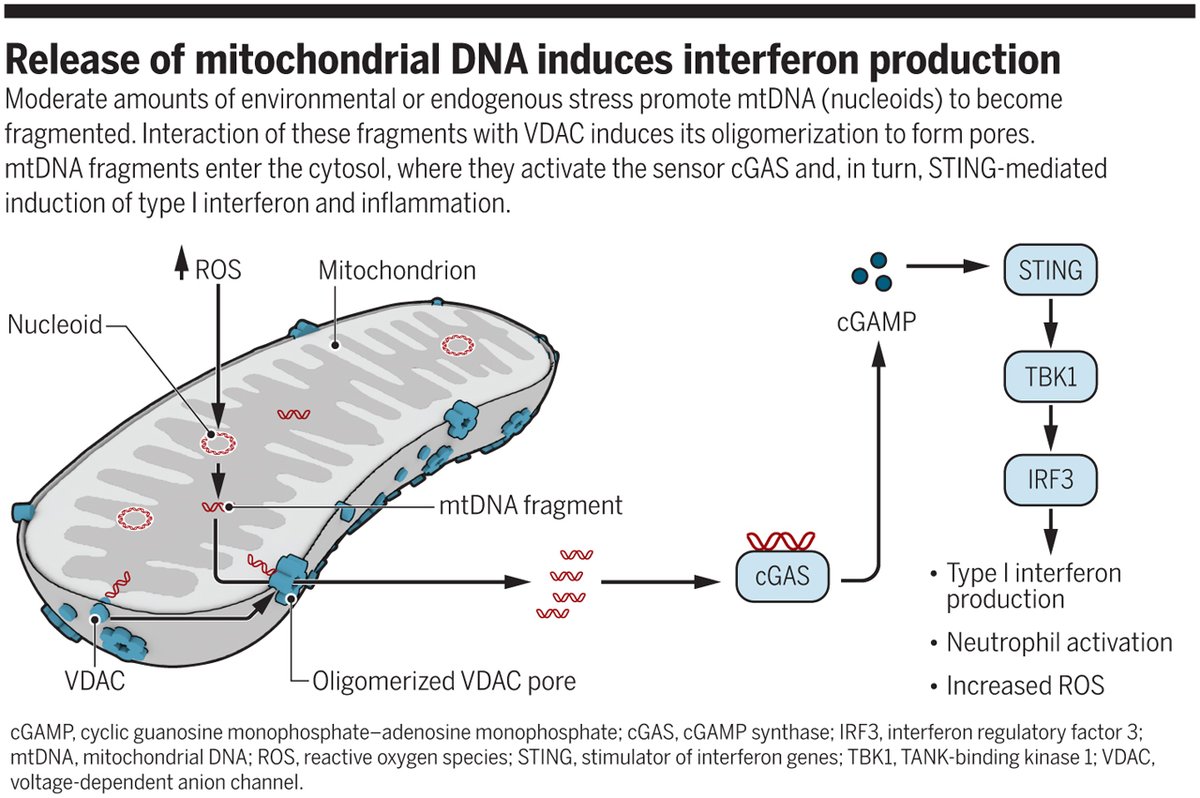
Moderate amounts of environmental or endogenous stress can cause #mitochondria to leak #DNA fragments that induce inflammation. Read more in this #SciMagPerspective: ($) https://t.co/RQqfh22r75 #Immunology
A new #SciMagPolicyForum proposes the use of “substantially human” as a legal boundary to describe living organisms that are human in their characteristics, but not entirely so. Read more: https://t.co/VSsWI0ebZc