The BC Human Rights Clinic provides free legal information, advice, and representation to people with human rights complaints.
Learn more about the difference between the Clinic, the Tribunal, and the Commission in the resources linked below.
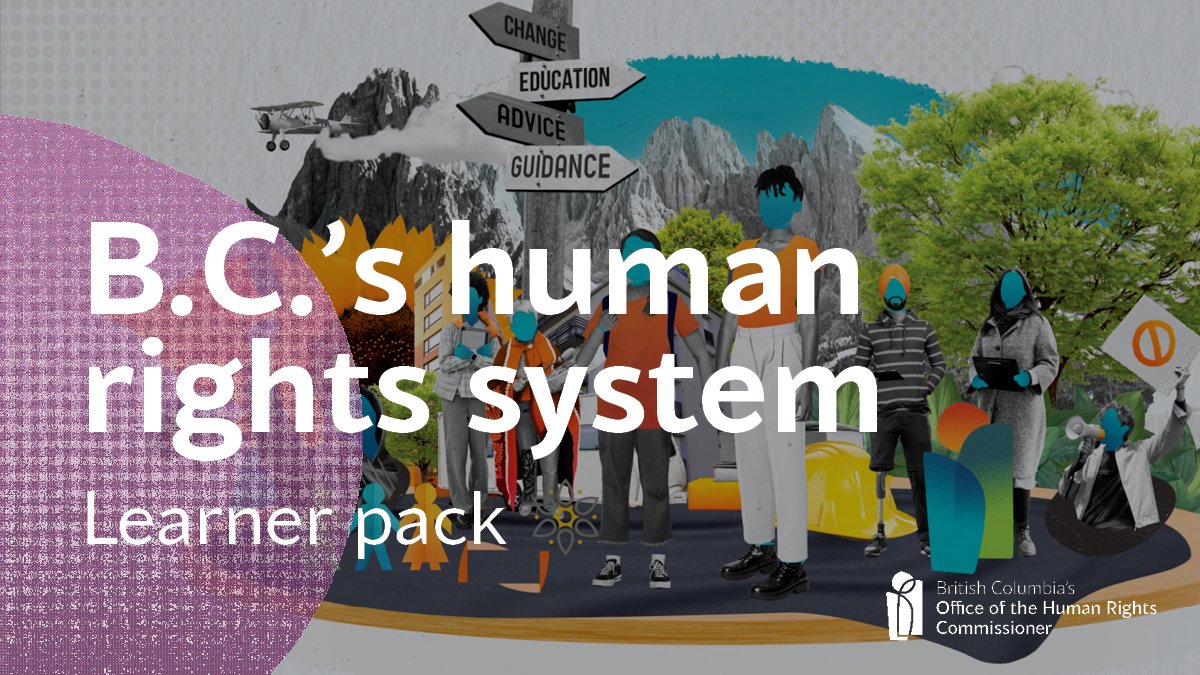
What is the difference between BC's Office of the Human Rights Commissioner, the BC Human Rights Tribunal and BC Human Rights Clinic @bchrc? @humanrights4BC has developed a learner pack for our B.C.'s human rights system video: https://t.co/iRIYYnlDLU
At our last AGM, we were honoured to hear from Lee Nevens, whose remarks on trans rights and equity in the legal system reminded us that allyship must be active, ongoing, and rooted in action.
This month is also an opportunity to think critically about the stories Canada tells about itself: whose histories are taught, whose voices are centred, and what it means to move beyond symbolic recognition toward meaningful change.
National Indigenous History Month is a time to reflect on how Indigenous histories are often treated as something confined to the past, despite the fact that Indigenous peoples continue to shape every part of life across these lands today.
Racism is a systemic issue that shapes who is believed, who is protected, and who is left without recourse.
During Anti-Racism Awareness Week, the focus turns to those structures in housing, employment, healthcare and access to justice.
BC’s Anti-Racism Hotline offers free, confidential support to people who have experienced or witnessed racism. Callers can receive information, referrals, and, in some cases, legal information through CLAS’s Human Rights Clinic.
CLAS’s Human Rights Clinic provides free legal advice and representation to people in BC who have experienced discrimination under the BC Human Rights Code. The clinic helps individuals understand their rights and navigate the Human Rights Tribunal process.
Learn more at our site
National AccessAbility Week is an opportunity to recognize the contributions of people with disabilities and reflect on the barriers that continue to limit full participation.
Disability-related discrimination remains one of the most common issues raised under the BC Human Rights Code. Through our Human Rights Clinic, CLAS supports individuals navigating these challenges, helping them understand their rights and options.
Today is Int'l Day Against Homophobia, Biphobia & Transphobia. As 2SLGBTQIA+ communities face increased hostility & attacks on their rights, allyship cannot be passive. We must speak up, stand with communities, and support access to safety, dignity, and justice.
Red Dress Day commemorates Métis artist Jaime Black’s REDress Project, which displayed empty red dresses in public to represent the lives of #MMIWG2S+. The dresses are a reminder of violence rooted in colonialism, racism & gender-based discrimination, a powerful call for justice.
Access to stable housing, income, and support systems plays a critical role in mental health. Mental Health Week highlights the need to address these broader conditions and ensure people have meaningful access to care, protection, and dignity.
At CLAS, we support people facing discrimination under the BC Human Rights Code, including on the basis of gender identity and gender expression, and provide legal information to those navigating harassment or violence.
Transgender and non-binary individuals are facing increasing hostility and attacks on their rights, and visibility alone isn’t enough. Allyship means speaking up, challenging discrimination, and working to ensure access to safety, dignity, and justice.
Today is not meant to be just a symbol, but rather a prompt to examine how discrimination shows up in our systems and a reminder that legal protections must be matched with accountability, enforcement, and sustained action.
Racial discrimination is embedded in laws, policies, and institutions that shape housing, work, health, and access to justice. In Canada, Indigenous, Black, and racialized communities continue to face disproportionate barriers and systemic harm.
For over 60 years, this day has been designated as the International Day for the Elimination of Racial Discrimination by the United Nations to honour those murdered in Sharpeville, South Africa, and to recommit to ending all forms of racial discrimination.