Hypermobile Ehlers-Danlos syndrome (hEDS) is a connective tissue disorder whose genetic cause has been difficult to identify. Researchers at the Norris Lab conducted a study looking for genetic links to hEDS by sequencing the DNA of families and individuals with hEDS. They discovered a specific change (variant) in the KLK15 gene that was associated with hEDS in two families.
The KLK15 gene provides instructions for making a protein called kallikrein-15. To test what happens when this specific KLK15 genetic variant is present, the team created mice with an equivalent KLK15 variant. Six mice were studied and most had similar connective tissue problems to those seen in hEDS patients, such as weaker tendons and heart valve issues. It suggests that this KLK15 variant could play a role in causing hEDS in some people.
A further analysis of 197 hEDS patients also showed that 65 (one third) had at least one kallikrein gene variant from within the whole family of kallikrein genes. This raises the possibility that other kallikrein gene variants may also be involved, but further work needs to be done to explore this.
The findings highlight the importance of ongoing genetic research in understanding and diagnosing hEDS, which can lead to better health outcomes for patients. Further studies on kallikrein genes could reveal more about how they contribute to hEDS and related health issues, improving diagnosis and treatment.
The KLK genes are not available on EDS genetic testing panels. It is too soon to recommend this because further studies are needed to replicate the findings, including further research in the HEDGE study looking at 1,000 people with hEDS and studies of the other KLK genes. hEDS remains a clinical diagnosis at this time.
The Norris Lab preprint can be read here:
https://t.co/Iphp21MaFd
Further information on genetics and inheritance can be found here: https://t.co/8IjlzJAadT
NICA is deeply grateful to @DonDavisNC for standing up & letting CMS know about the harms of the MDRP “stacking” policy proposal. Thank you for your leadership in protecting infusion centers. providers, and the patients they serve. #thefutureofhealthcare
Three generations of my family suffer from Eosinophilic diseases. We are fortunate to have diagnoses & access to treatments but many patients are still struggling. APFED is a true guidestar for patients and their families providing education, support, research and advocacy.
When a person has elevated numbers of #eosinophils, without a known cause, they may have an eosinophil-associated disease. This week is National Eosinophil Awareness Week. Share this video to help educate others! See more activities at https://t.co/39WzdLO5If. #neaw#eosaware
#DYK: Safe and effective pneumococcal #vaccines are recommended for adults age 65+, those age 19-64 years with certain risk conditions, and younger children?
#GetVaccinated to help #PreventPneumo and learn more at: https://t.co/xRuKlsriSn
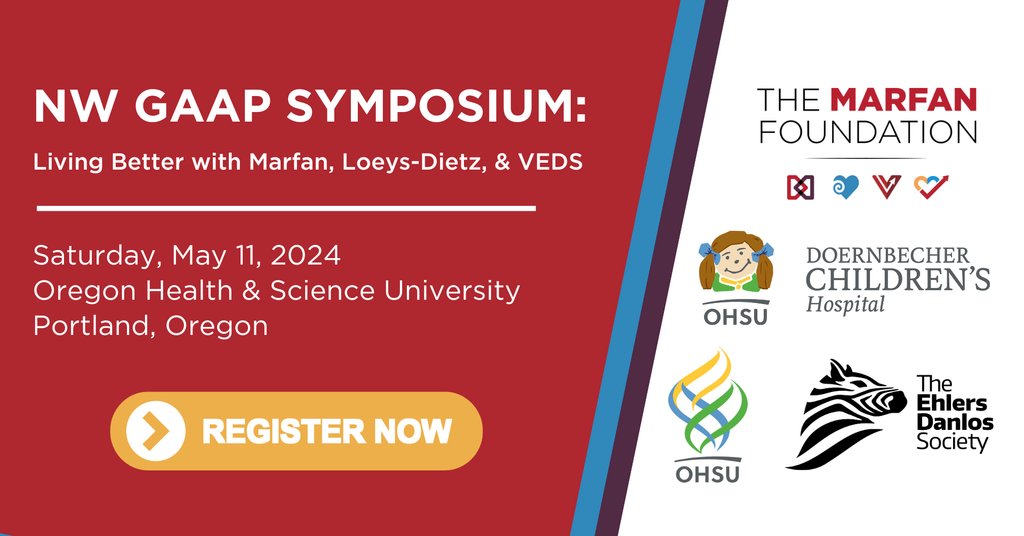
Mark your calendars for May 11 during EDS Awareness Month!🗓️ Join us in Portland, Oregon, USA, at the Northwest Genetic Aortopathy & Arteriopathy Program Regional Symposium on Marfan Syndrome, Loeys-Dietz, and #VascularEhlersDanlosSyndrome (VEDS)! 🧬https://t.co/fhCtuVNoJb
#TBT It's #SjogrensAwarenessMonth, a great time to watch these outstanding lectures from Dr. Brent Goodman on the relationship between dysautonomia and Sjogren's and how Sjogren's dysautonomia is treated.
https://t.co/E7YVnUzK5a
https://t.co/Lju75TgSsT
Join us Monday, May 6th at 7pm EST for an interactive discussion with cardiologist Dr. Alexis Cutchins, who has been studying vascular compression syndromes in #POTS patients at her Emory University Clinic. Register here: https://t.co/OU7aJC7Qsz
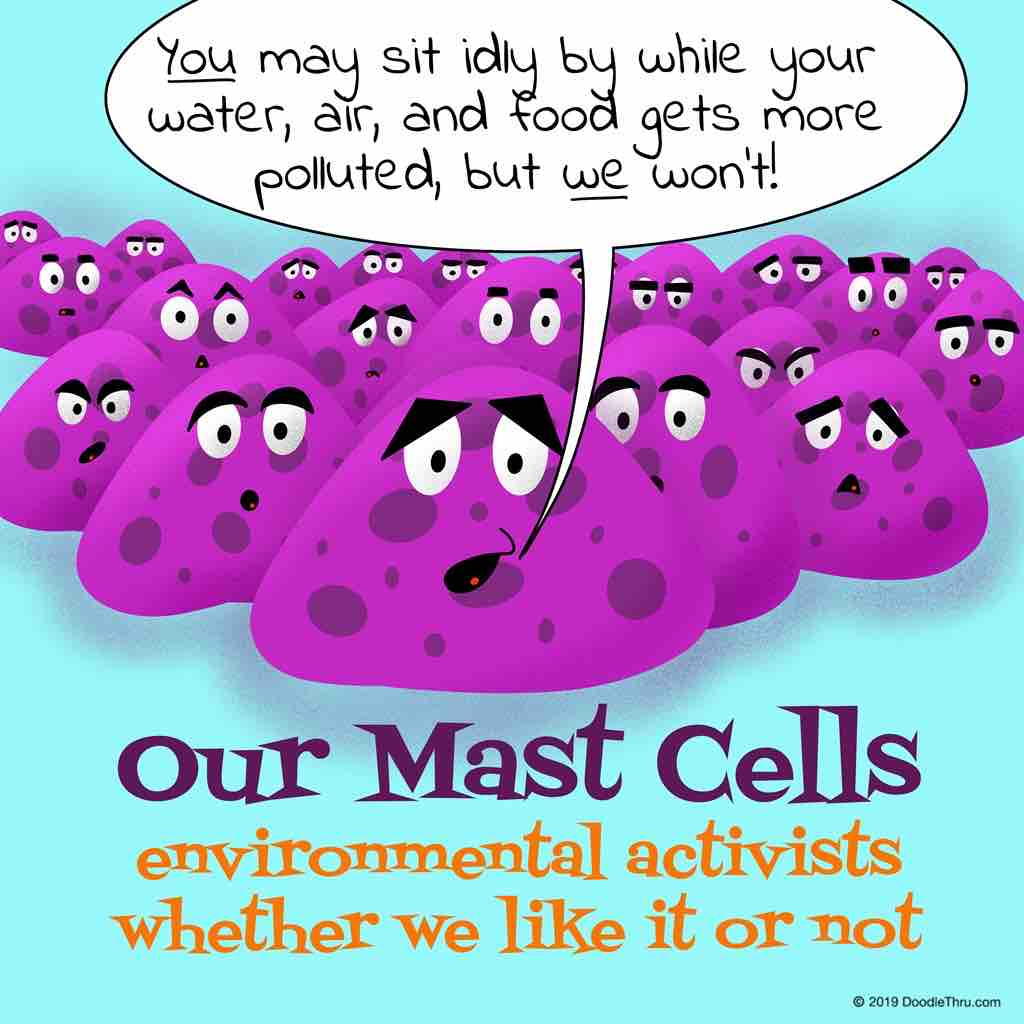
Many POTS patients also have mast cell activation syndrome (MCAS). If you haven’t yet learned about the connection between POTS and MCAS, consider listening to The POTScast. Our Thursday laugh from @Doodlethru:
Did you know that #Sjögrens is often misdiagnosed or underdiagnosed? Experts estimate that 50% (approximately two million Americans) are undiagnosed and therefore not treated. For more info, check out a new guest blog from @SjogrensOrg. https://t.co/XFrmMsodfV
Some illnesses cause visible disabilities. And some, like POTS, may not. Just because it cannot be seen does not make it any less real. What could someone do to make you feel seen?
We cannot express how grateful we are. Absolutely blown away. Thank you so much for your support and dedication to the PI community. You all just changed so many lives.
Latest @CDCgov data shows increase in COVID-19 hospitalizations and deaths. Learn how you can start the New Year off strong by protecting yourself against COVID-19. https://t.co/oSmJXIhKps #GetVaccinated
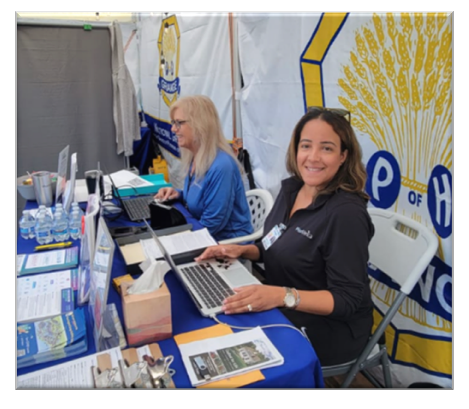
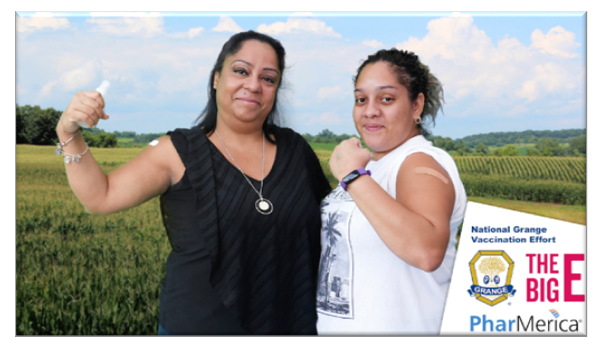
Thank you for highlighting our #vaccine clinic!
With your incredible support, we provided over 3,500 FREE shots-in-arms during @TheBigEFair in September.
Grantee Spotlight: Our Aging and Disability Vaccination Collaborative grantee the @NationalGrange recently held a #vaccine clinic at @TheBigEFair in Springfield, MA. Check out a few photos from the event!
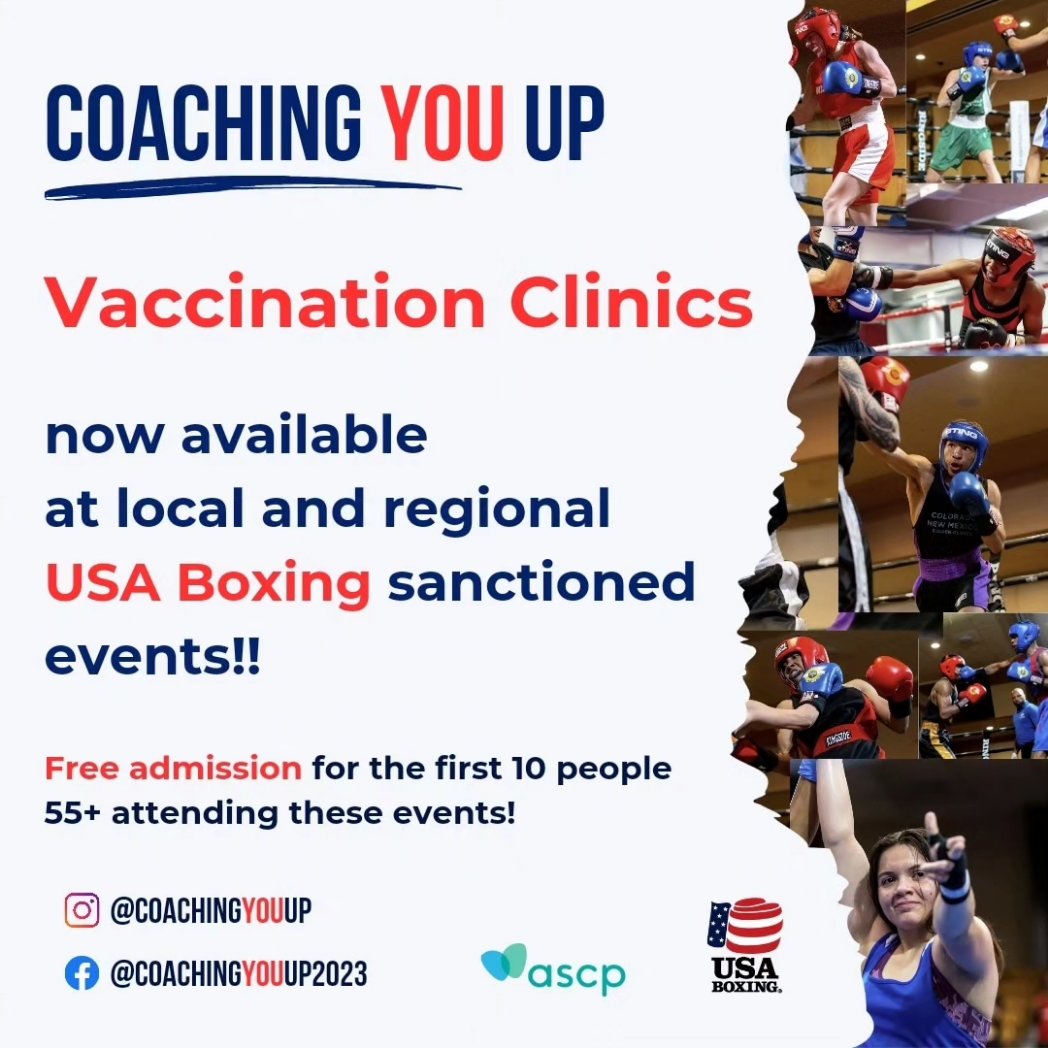
Coaching You Up clinics are now available at local and regional @USABoxing sanctioned events!
Meet local @ASCPharm pharmacists who will offer you vaccine #coachingtips and administer vaccines, #safeguarding you and those around you!
https://t.co/c7jWgQtDe5