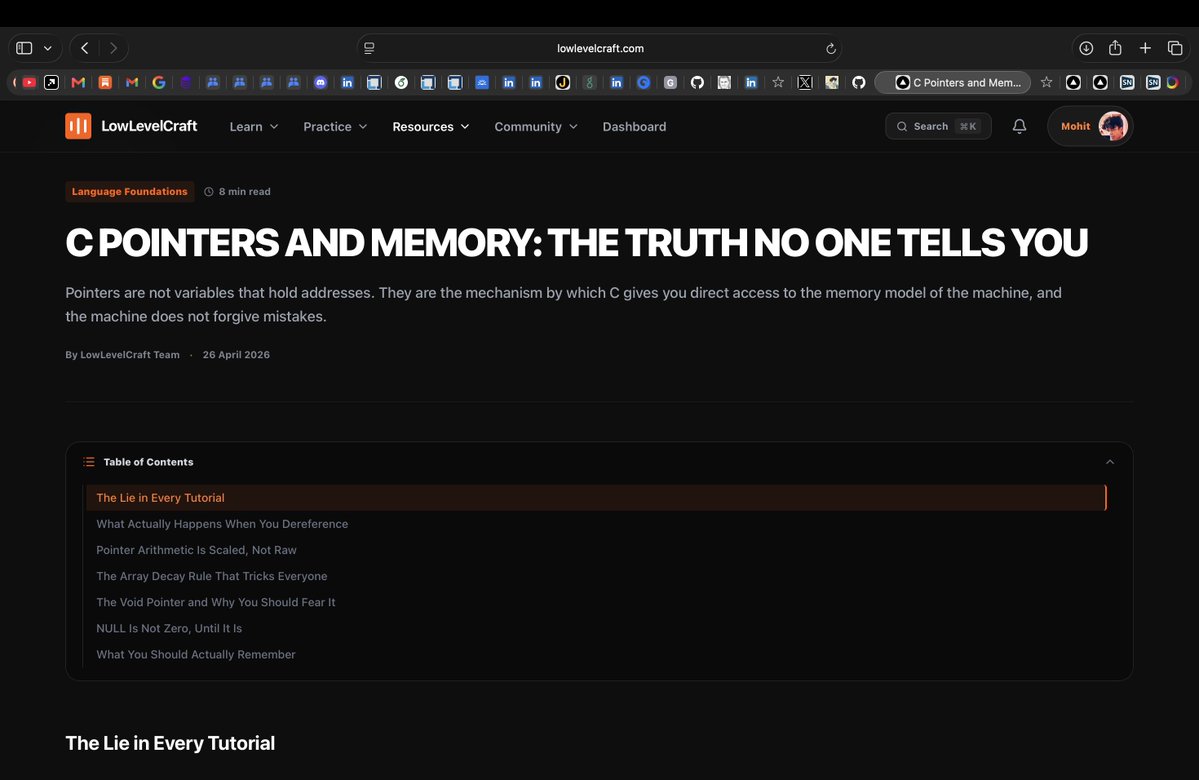
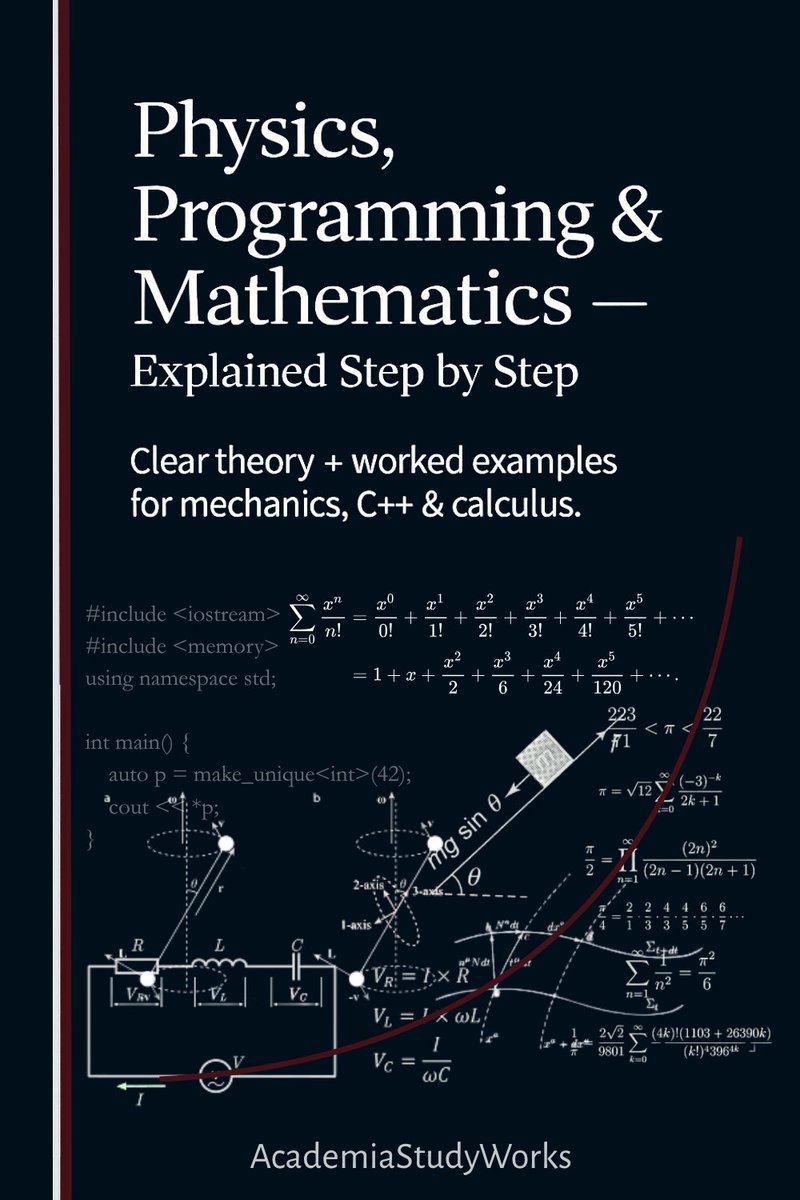
C POINTERS AND MEMORY: THE TRUTH NO ONE TELLS YOU
Pointers are not variables that hold addresses. They are the mechanism by which C gives you direct access to the memory model of the machine, and the machine does not forgive mistakes.
Link: https://t.co/SqjnbnkX3R
📡 tcpdump: Capture HTTP & HTTPS Traffic
A quick demo of capturing 20 TCP packets from ports 80 and 443 for network-monitoring practice. 🔍🔐
🛡️ Authorized monitoring only.
#CyberSecurity#Tcpdump#NetworkSecurity#Linux
Microsoft reúne una excelente serie sobre #ActiveDirectory Hardening, con temas fundamentales para reducir la superficie de ataque:
✅ Deshabilitar NTLMv1
✅ Eliminar SMBv1
✅ Forzar LDAP Signing
✅ Implementar AES para Kerberos
✅ Configurar LDAP Channel Binding
✅ Forzar SMB Signing
✅ Aplicar Least Privilege
✅ Reducir y eliminar el uso de NTLM
⚠️ Hardening no significa aplicar una GPO y esperar lo mejor. Requiere inventario, auditoría, pruebas y validación de dependencias.
Una lectura imprescindible para cualquier administrador de Active Directory. 👇
https://t.co/1vpiTDL5Bu
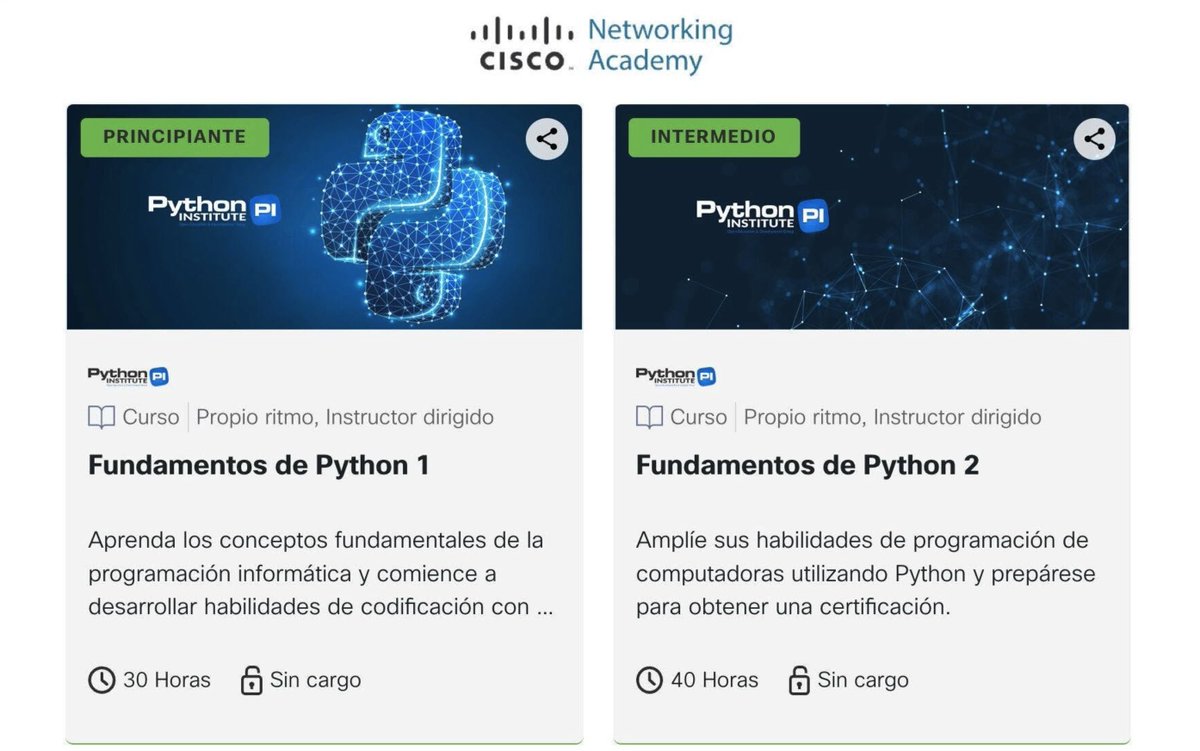
¡Cisco REGALA 2 cursos de Python en Español!
Gratis, desde cero y con certificado al terminar.
✓ 70 horas (principiante + intermedio)
✓ 30 prácticas de laboratorio
✓ A tu ritmo, sin fecha límite
Dos niveles: principiante e intermedio
https://t.co/MOWKSCpSYT
Your LLM never sees your prompt.
It sees tokens.
Most Data Scientists moving into AI Engineering skip right over this.
They shouldn't.
Before you learn agents, RAG, MCP, or fine-tuning… Learn what an LLM actually sees.
Because it does not see this:
“Build me a machine learning model.”
It sees tokens.
And tokenization quietly affects almost everything you care about when building real AI systems:
→ Context window limits
→ API cost
→ Code generation
→ Numbers + identifiers
→ Multilingual performance
→ Embeddings
→ Chat templates
→ Model training
This is one of those topics that looks like an implementation detail…
Until you're debugging an AI system and realize the model isn't receiving the information the way you thought it was.
And there are a lot of misconceptions.
BPE is not automatically byte-level.
SentencePiece is not a tokenization algorithm.
Token IDs aren't semantic coordinates.
And you can't casually swap a trained model's tokenizer like you're changing a preprocessing function in Scikit-Learn.
This is also a great example of the shift happening right now:
Data Science taught us to understand the model.
AI Engineering requires us to understand the entire system around the model.
Prompts.
Tokens.
Context.
Retrieval.
Tools.
Agents.
Memory.
Infrastructure.
That's the skill stack I'm increasingly focused on.
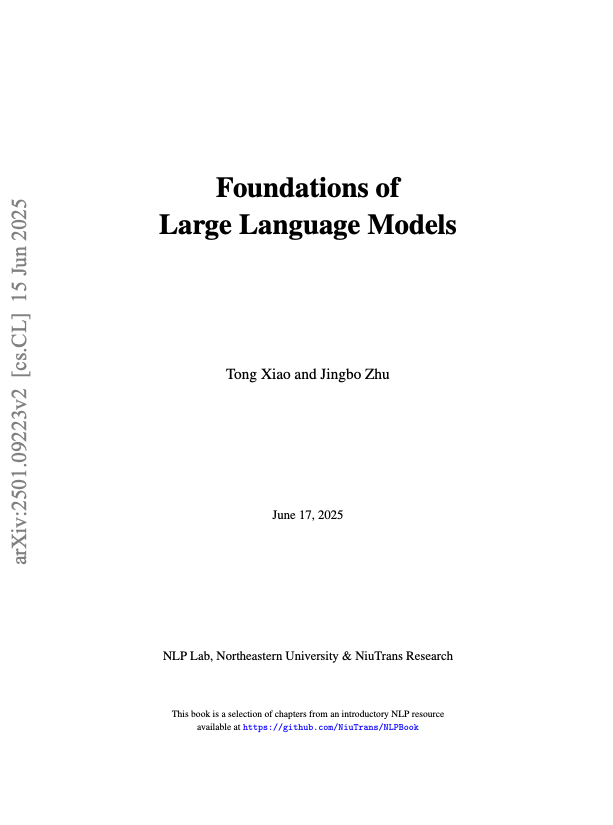
So here's a technical handbook that explains tokenization from first principles:
Understanding Tokenization: How Text Becomes the Tokens an LLM Actually Sees
It covers everything from Unicode and BPE to chat templates, code, multilingual text, context limits, and some surprisingly important failure modes.
If you're making the move from:
Data Scientist → AI Engineer
this is worth understanding.
Get the handbook here → https://t.co/v89nFDWsZA
🚨 Want to learn how to build + ship AI and Data Science projects (that businesses actually want in 2026)?
On September 23rd, I am hosting a free workshop to help you get started with AI + DS projects in Python (free).
Register here (500 seats): https://t.co/onpLpRwkzH
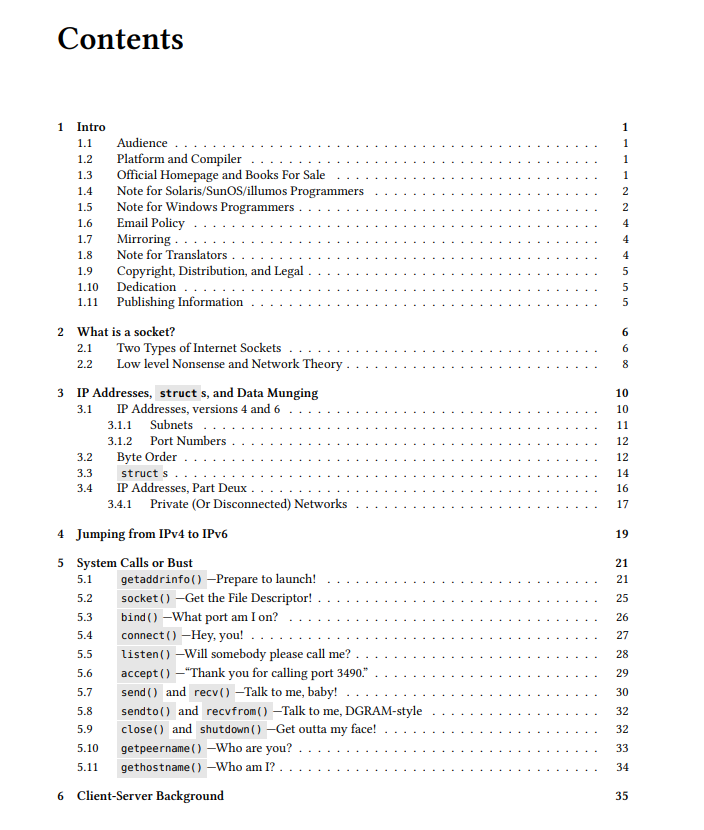
someone asked Beej how sockets work in C. he got tired of explaining it. so in 1995 he put it all online.
it's been the definitive socket programming guide for 30 years.
it covers everything: TCP, UDP, IPv4, IPv6, non-blocking I/O, select(), poll().
graduate OS courses worldwide assign it. it's funnier than any technical book has a right to be.
it's free and always will be.
1096 pages.
Over the course of these three-and-a-half years since I started my newsletter, I’ve written more than a hundred posts, essays, tutorials.
When I’m asked about what kind of value a paid subscription for The Palindrome offers, I usually point to the archive, which is where all the content lives.
So yesterday, I downloaded all the posts I have written for The Palindrome since its start (December 1st, 2022), filtered out all the miscellaneous ones (like updates on my book, my life, etc.), put them through some light processing (removing CTAs, introductory words, and others), organized and ordered them thematically, then compiled them into a massive book of 1096 pages.
It’s the distillation of all the knowledge I’ve gained in mathematics and machine learning over a decade of experience, and I’m making it available with every paid subscription.
If there's a reason to become a paid subscriber of The Palindrome, this is it!
Learn a skill here for free.
Cybersecurity
https://t.co/tpYqcRXrT1…
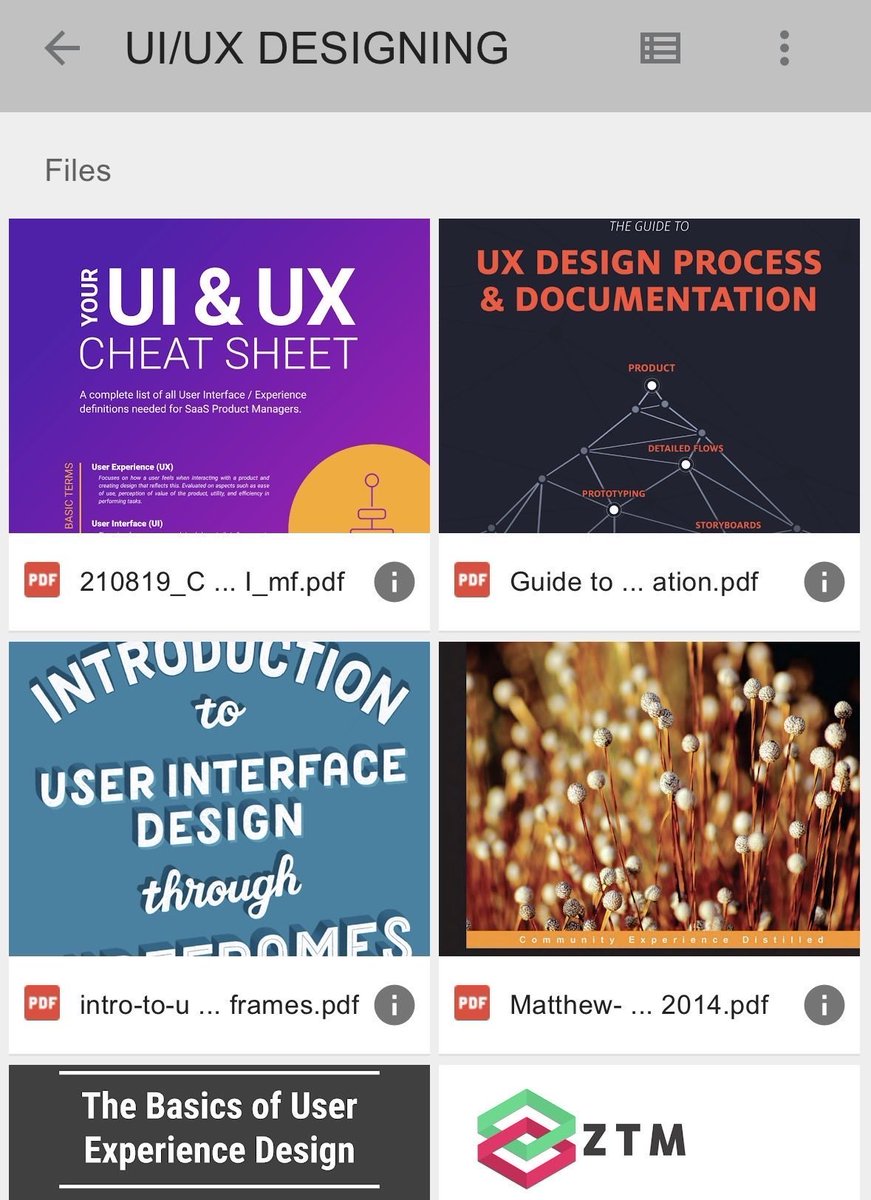
UI/UX Design
https://t.co/tpYqcRXrT1.
AI Automation
https://t.co/Khv88ubw3J.
AI Video Creation
https://t.co/tpYqcRXrT1.
Video Editing with CapCut
https://t.co/tpYqcRXrT1.
Follow @abir35627
Repost/bookmark and get to work!
🔴ADIÓS A LOS DE CIBERSEGURIDAD!
Acaba de salir un repositorio con cientos de herramientas de seguridad para IA en un repositorio open source.
Muestran técnicas y herramientas para poner a prueba sistemas de IA:
↳ Frameworks de jailbreak para LLMs
↳ Testers de prompt injection
↳ Agentes de red team para IA
↳ Herramientas de extracción de modelos
↳ Vectores de ataque a la supply chain
↳ Pentesting automatizado para aplicaciones con IA
Las MISMAS herramientas que usan los equipos de seguridad para defender sistemas.
Ahora están disponibles para cualquiera.
Dejo el enlace al repositorio en los comentarios↓
FREE Math Book. 448 pages.
"Introduction to Applied Linear Algebra" by Boyd & Vandenberghe. Great for beginners. "Provides an intro to vectors, matrices, and least squares methods. Gives the beginning student, with little or no prior exposure to linear algebra, a good grounding in the basic ideas, as well as an appreciation for how they are used in many applications, including data fitting, machine learning and artificial intelligence, tomography, navigation, image processing, finance, and automatic control systems"
1. Vectors and Operations
2. Linear Functions and Models
3. Norm and Distance Calculations
4. Clustering Algorithms (K-Means)
5. Linear Independence and Bases
6. Matrices Fundamentals
7. Matrix Examples and Structures
8. Linear Equations and Systems
9. Linear Dynamical Systems
10. Matrix Multiplication Modules
11. Matrix Inverses and Solvers
12. Least Squares Approximations
13. Least Squares Data Fitting
14. Least Squares Classification
15. Multi-Objective Least Squares
16. Constrained Least Squares
17. Constrained Least Squares Applications
18. Nonlinear Least Squares
19. Constrained Nonlinear Least Squares
Link: https://t.co/ubR7K1gtzp