A new paper of mine, "The Etiquette of Equality," is out in Philosophy & Public Affairs. It tackles a hard set of issues about how we convey respect amid social inequality. I hope others will find it thought-provoking, maybe even clarifying or useful. https://t.co/mRXVyvAItQ 1/6
~All US universities share the same governance structure: an external board & its chosen managers wield essentially absolute power. In a new draft, “In Search of University Democracy” (forthcoming in @PennLRev), David Pozen & I ask why US higher ed has adopted this model ... 1/
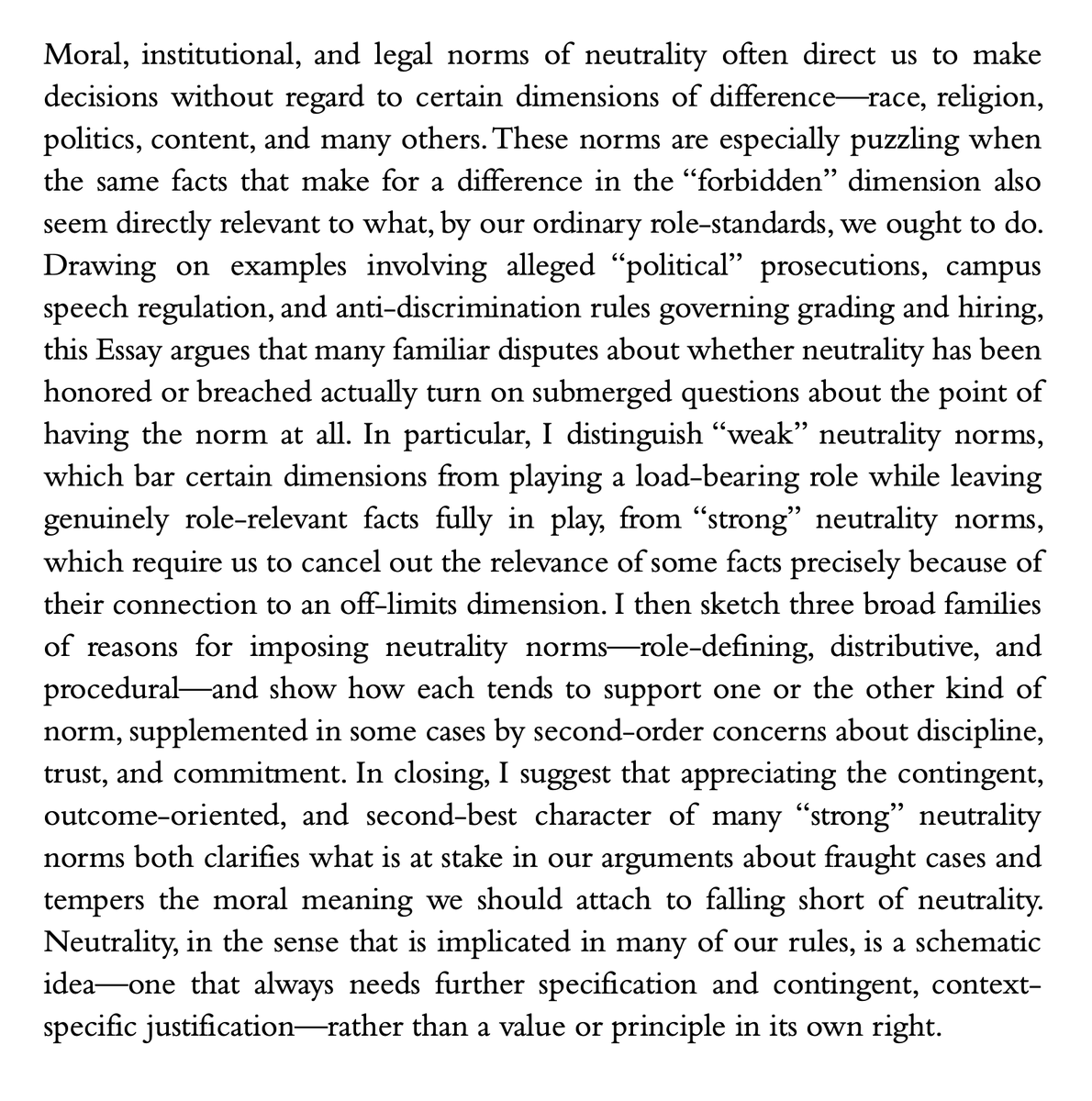
I really appreciated this invitation and the helpful feedback from colleagues @USCGouldLaw. The much-workshopped paper, currently titled “Making Sense of Neutrality,” is forthcoming in @HarvLRev next year.
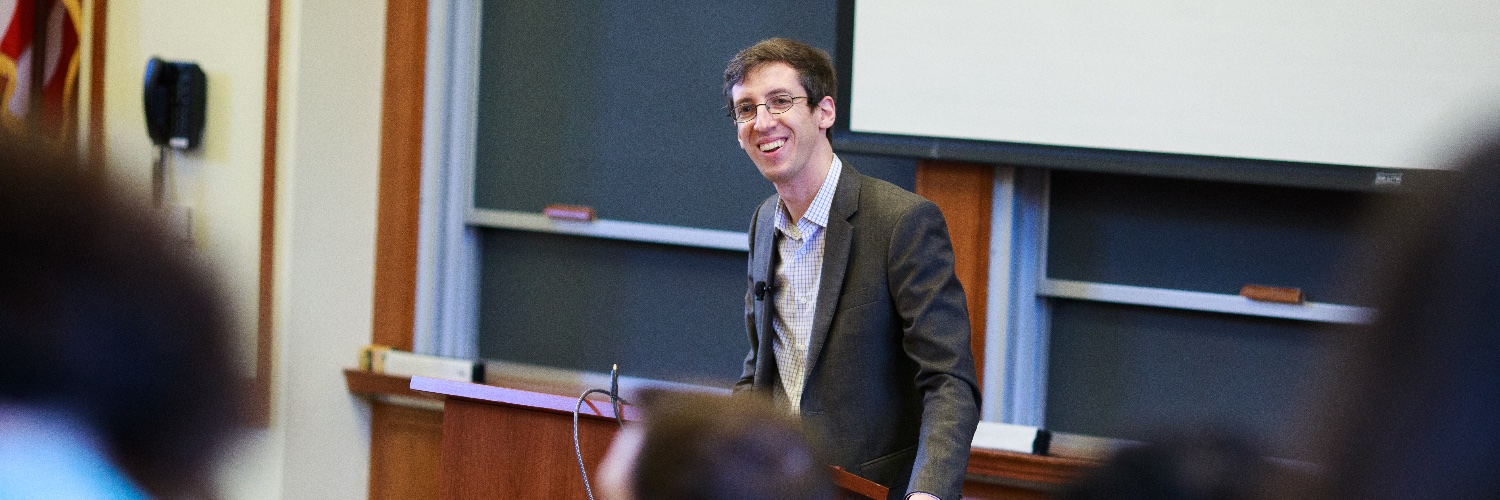
The #USCGould Faculty Workshop Series recently featured @Harvard_Law Professor Benjamin Eidelson, who presented his latest research addressing neutrality. #GouldDiscourse
What federal law actually says about campus antisemitism — and how the government has distorted it — in 7 minutes
(my opening statement at @USCCRgov hearing this week)
The Trump administration's new Title VI complaint against Harvard is pervasively disingenuous in its factual allegations and exceedingly weak on the law. Fortunately the district court & court of appeals will be guided by the MIT precedent, which makes this pretty open & shut.
- Title VI doesn't cover religion, so it applies to Jews only as a race/ancestry group. That's why Zionism's being an "ism" is significant. Under laws addressing religious discrimination, by contrast, many "isms" are obviously protected and the analysis is more complicated. (4/5)
What federal law actually says about campus antisemitism — and how the government has distorted it — in 7 minutes
(my opening statement at @USCCRgov hearing this week)
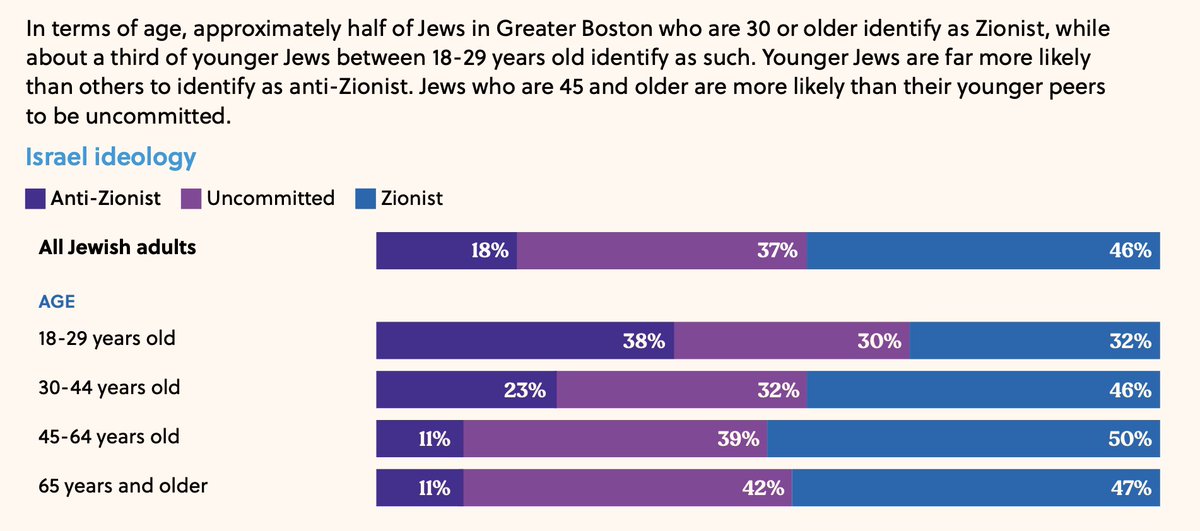
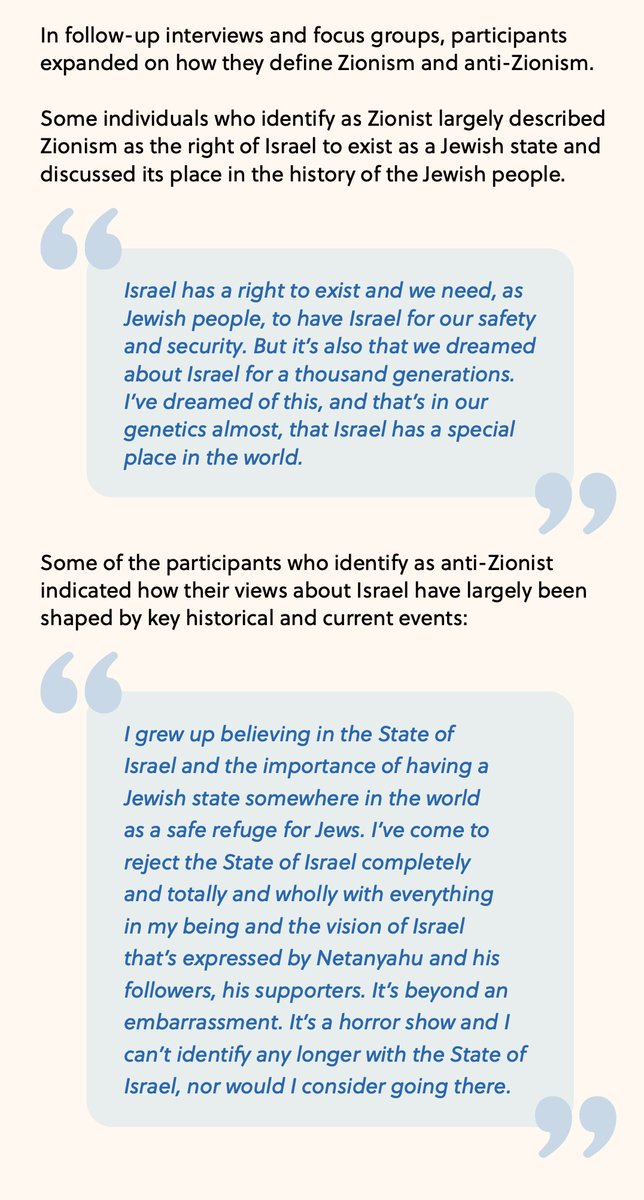
@ProfDBernstein I’m not sure I’m following all the twists and I might leave it here for X purposes: it seems to me that if many Jews on campus see themselves as opponents of “Zionism,” that is relevant to the likelihood that advocacy framed as against “Zionism” is cloaked antipathy toward Jews.
@ProfDBernstein Hi David, I used quotes to reflect that this is how people label themselves, not me sorting them based on my own view of a "correct" definition (as you are). Also, I was speaking of a certain age cohort, whereas I take it you aren't. Anyway, lots of these terms are not ... (1/2)
Seeing clips of my @USCCRgov testimony on antisemitism/anti-Zionism travel far and wide, I want to underscore a few things:
- I'm Jewish, but I disagree that this fact should give special weight to my analysis; it should be assessed like any other legal analysis. (1/5)
@ProfDBernstein (Also, if many younger people (Jews & others) 'wrongly' understand "Zionism" in maximalist terms, that would also bear on how their professed denunciations of "Zionism" are best understood within those linguistic communities—i.e., the inference of antisemitism is much weaker.)
@ProfDBernstein ... well defined, including being the nation-state "of" the Jewish people. I think the only honest summary apart from reporting how people label themselves is that it's all complicated, generationally stratified, and at odds with any monolithic portrayal of the Jewish community.
@OlatiJ And if you want to hear different perspectives (always a good idea!), check out the full @USCCRgov hearing, including views at odds with mine offered by @MarkGoldfeder and @c_gammill
https://t.co/cNd3q77zOi