🏀 VCU head coach Phil Martelli Jr. shows this "Rocket Closeout" drill that gives you flexibility to add more actions and movements to your traditional closeout drill like he does here by adding loose ball and transition elements.
Being a Division 1 Head Coach at the highest level comes with a lot of perks
“Fun” Job
Insane salary
Celebrity
However, what the common fan has trouble grasping is just how hard it is to be a good parent, spouse, sibling, and friend
It consumes you
A 2016 study by Gorman and Maloney published in the Psychology of Sport and Exercise examined how the presence of a defender impacts the jump shot in basketball.
One finding stood out above everything else.
Adding a defender reduced shooting accuracy by over 20%.
Here’s what that means for how you design your shooting practice.
The study explored how the presence of a defender impacts several variables within the jump shot. This is critical for making sense of shooting and how we can design more effective shooting activities as coaches.
Basketball players participated in 30 trials of 5 different shot types, both with and without a defender. The goal was to see how defenders affected shot execution and accuracy.
KEY FINDING 1: SHOOTING ACCURACY
The presence of a defender reduced shooting accuracy by over 20%.
This is a critical finding illustrating how important it is to practice with a defender to better reflect game conditions.
If your players are only ever shooting without a defender in practice, they are rehearsing a version of shooting that simply does not exist in the game.
KEY FINDING 2: SHOT EXECUTION TIME
Players executed shots faster when defended.
This highlights how shooting drills without an opponent risk developing passive attractor states, movement habits that feel comfortable in practice but donot transfer to the game.
If your players never practice shooting under time pressure and defensive pressure, they are not preparing for the game they will actually play.
KEY FINDING 3: MOVEMENT VARIABILITY
Defended shots showed greater movement variability, indicating that players adapted their movements to the defender’s actions.
This is exactly what skill looks like. Not a perfectly repeated technique, but the ability to self-organize into a functional solution based on what the environment is presenting. The defender is not a distraction from good shooting. The defender is what good shooting is actually built around.
PRACTICAL APPLICATION 1: REPRESENTATIVE LEARNING DESIGN
Having defenders in practice sessions creates more game-like conditions, leading to shooters being able to adapt to changing constraints within the game.
Representative Learning Design means making practice look like the game. And in a game, there is always a defender. Start by simply adding a defender to your existing shooting activities and observe how your players respond.
PRACTICAL APPLICATION 2: ADJUSTING DEFENDER PROXIMITY
The defender’s distance and close-out direction naturally impacts the shot.
Coaches can modify the defender’s proximity by using constraints — a greater distance for younger or less experienced players, tighter and more physical close-outs as players develop. This allows you to control the challenge point and ensure players are always working at the right level of difficulty.
By incorporating these ideas into practice, coaches and players can significantly improve how we approach shooting.
Your routine is rocket fuel for peak performance. 🚀
⛈️ It creates stability when everything around you feels chaotic.
With @OhioStateFB Coach Urban Meyer relied on a disciplined routine to absorb the constant adversity that comes with leading a major program.
The more demanding the environment, the more valuable a consistent routine becomes.
No one is exempt from emotional highs and lows.
The key is building intentional structure into your days so your performance isn't dictated by your feelings.
When you create routines, habits, and standards that keep you grounded, you're better equipped to show up as your best self for the people you lead.
One of the biggest culture killers in any program is rewarding the minimalist. When talented people are praised despite giving minimal effort, that standard eventually spreads throughout the entire team. Over time, the culture shifts from pursuing excellence to doing just enough to get by.
Championship programs are not built on talent alone. They are built on consistency, accountability, and people willing to do the hard things daily, especially when nobody is watching. Talent may win moments, but sustained success comes from a team full of people who refuse to live at the minimum standard.
We are all just renting our jobs, roles, and titles.
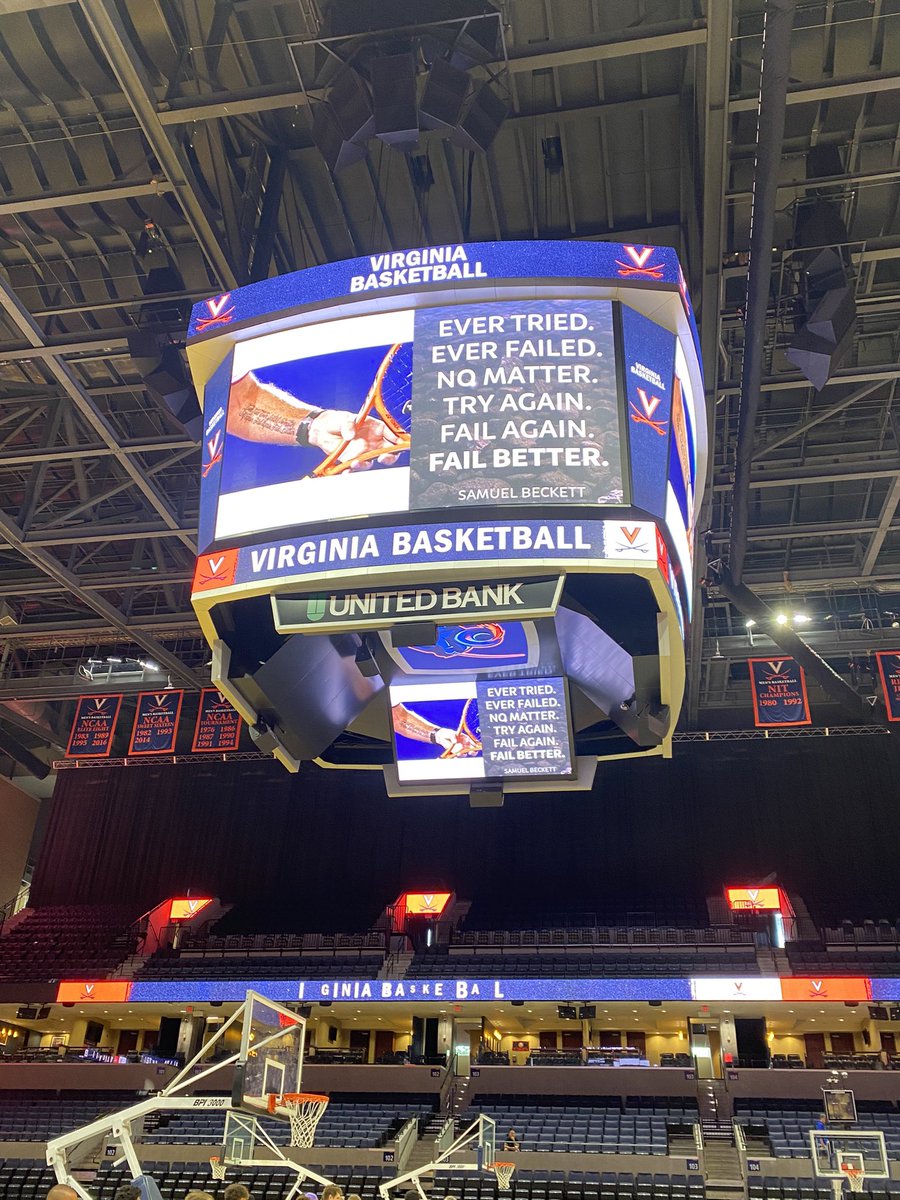
"I have been here for 15 years as the head coach...this position has been on loan and it wasn't mine to keep...It's time for me to give it back, but to give it back to gain what I can't lose." -- Tony Bennett
Titles eventually get handed back. Just make sure you don't completely sacrifice what matters most trying to hold onto something that was never yours to permanently keep.
Jobs are finite. Values are infinite.
📹: University of Virginia
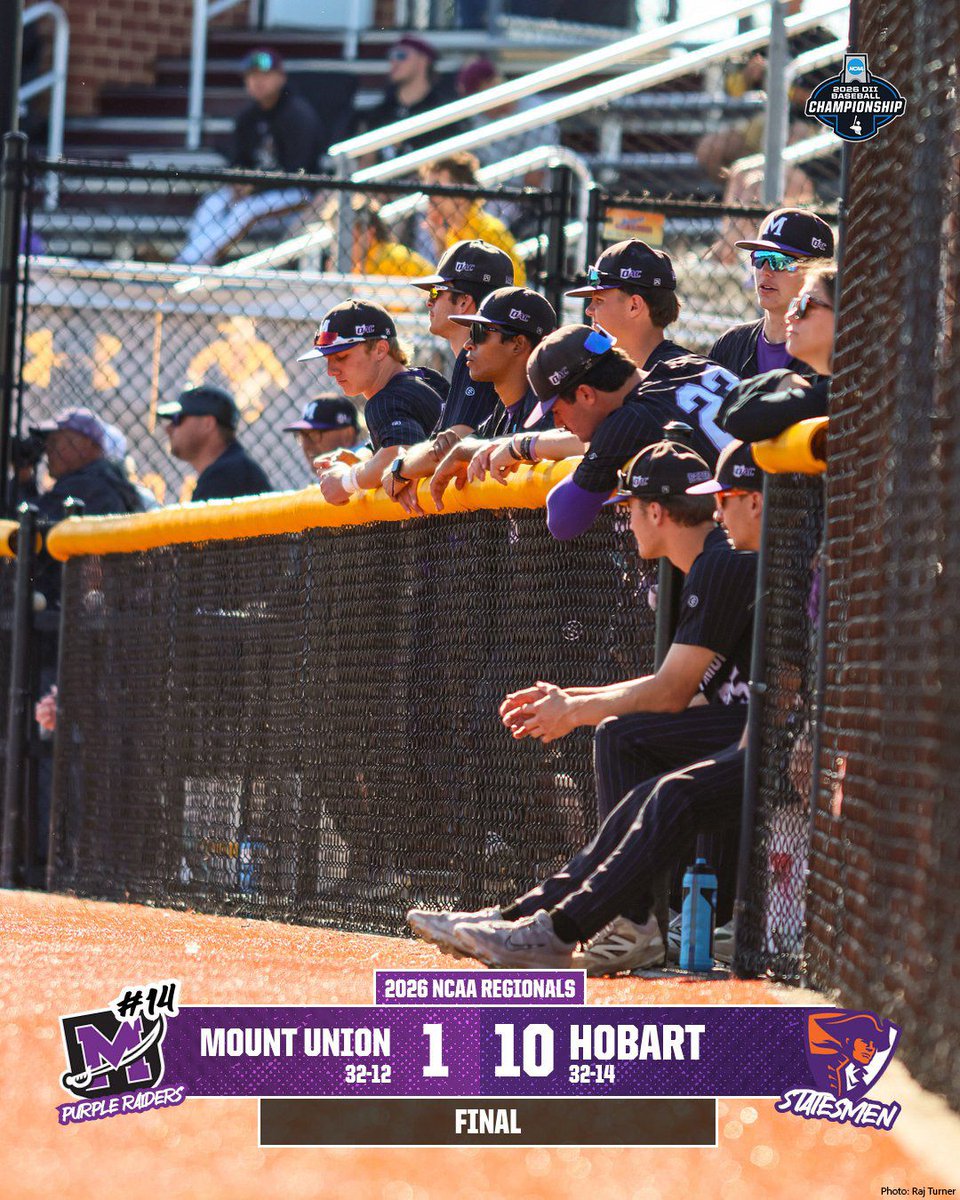
SB: WORLD SERIES BOUND!! The Raiders beat UMass Dartmouth 4-1 in game two of the Super Regional to advance to their first ever College World Series!! #GoMountGo
If you're a coach who tells your team to, "Control the controllables", then you need to teach E+R=O and the mindset that drives it.
Event + Response = Outcome
It's hard to control the controllables when you're wasting attention, time, and energy trying to control the uncontrollables.
That's what happens when coaches don't clearly define what is controllable and what is not, and don't systematically teach how to deal with what can't be controlled by controlling ourselves.
The E+R=O Mindset solves that by internalizing 3 truths:
1. "I can influence events, but I can't control them."
- Opponents, refs, weather, injuries. They're all events. Some you can affect, some you can't, but none you control.
2. "I control my response and I'm the only one who controls my response."
- Your response is the only lever in your control and your only true power. What you think, feel, say, do, and how you do it is 100% yours to decide. No one else has the ability control your thoughts, decisions, or actions.
3. "I create outcomes, but I don't control them."
- This is the hardest mindset to fully believe and adopt. Your response is your best chance to create the outcome you want. But outcomes are never in your total control. Choices and actions have consequences and create outcomes, but that doesn't mean you dictate and control outcomes. If you had that power, your life would look much different.
When you do the work to strengthen your E+R=O mindset, three things happen for you:
1. You stop getting into a war with reality.
2. You feel more in control.
3. You see more opportunity.
You stop wasting energy on what will never work and naturally start focusing on what actually works.
Without this mindset first, E+R=O is just a concept, words with no real impact.
But with the E+R=O mindset, you gain the ability and power to create outcomes with consistency and excellence.
Fresh off breaking the school record for wins at the NCAA Baseball Tournament, Coach Hesse painting the straightest lines in preparation for the NCAA Super Regionals for Mount Union softball’s historic run.
Mount Union 6, Christopher Newport 1, Final
A third straight elimination game win sends the Purple Raiders to next weekend's super regional. @UMU_Softball@purpleraiders
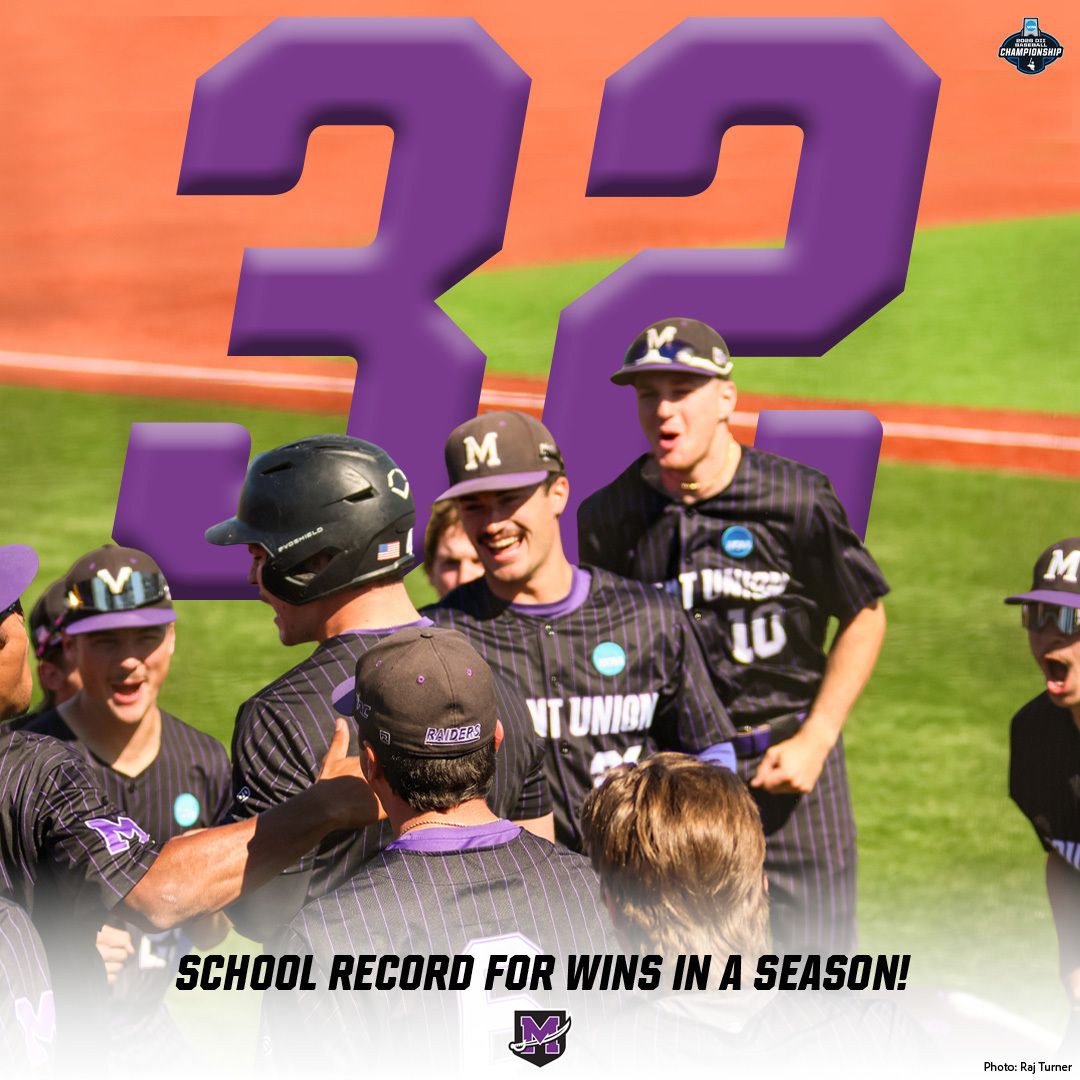
Mount Union scored its most runs in an NCAA Tournament game in its second-ever NCAA Tournament win with its 15-6 victory over Bridgewater State today, breaking the school record for wins in a season!